Understanding the Reasons for Transferring
Transferring from one university to another can be a significant step for students, shaped by various motivations ranging from academic dissatisfaction to personal growth opportunities. Many individuals find themselves questioning their academic paths, which can lead to the decision to transfer. Academic dissatisfaction often stems from a lack of challenging courses or a disconnect from the desired academic focus. For example, a student may choose to switch from a larger institution to a smaller college that offers a more personalized educational experience or specialized programs aligned with their career ambitions.
Another critical element influencing the decision to transfer can be personal growth. Students may seek new environments that foster better socialization and overall development. A change in lifestyle, such as moving closer to home or joining a different campus milieu, can significantly impact a student’s happiness and engagement. This shift often reflects a need for a supportive community or a more inclusive atmosphere that caters to their personal interests and goals.
Financial considerations also weigh heavily in the decision to transfer. Many students assess the costs associated with their current university, including tuition, housing, and other expenses. If a transfer promises a more affordable education without compromising the quality of learning, it becomes an attractive option. Various universities offer different financial aid packages, and students may find more favorable options elsewhere, which could alleviate or reduce the financial burden currently faced.
In summary, students transfer universities for myriad reasons, including academic challenges, personal growth opportunities, and financial considerations. Understanding these motivations helps frame the decision-making process and ensures that the transfer aligns with the student’s educational and personal aspirations.
Researching Potential Universities
When contemplating a transfer from one university to another, it is imperative to conduct thorough research on potential institutions. This critical step can significantly influence one’s academic trajectory and overall college experience. Start by evaluating academic programs offered by each prospective university, ensuring that they align well with your educational and career goals. Different universities may have unique strengths or specialties in specific disciplines, which can directly affect the quality of learning you will receive.
In addition to academic programs, consider the campus culture of the universities you are exploring. Each institution has its own social dynamics, student organizations, and extracurricular opportunities, all of which contribute to the overall environment. Engaging with current students or reviewing online forums can give you insight into what you can expect regarding social interactions and support systems at the new university.
Location is another vital factor to consider. Think about the geographical setting, climate, and proximity to home, as these elements can significantly impact your day-to-day life. A university in a bustling city may offer diverse opportunities for internships and cultural experiences, whereas one in a quieter region might provide a more tranquil learning environment. Additionally, assess the cost of living in the area, as this can affect your overall financial situation.
Lastly, explore the financial aid options available at each university. It is essential to determine what scholarships, grants, and work-study programs are offered, as each institution may have different mechanisms to support financially stressed students. Evaluating these financial avenues will help you understand the net costs of pursuing your education at your potential new university.
Evaluating Transfer Policies
Transferring from one university to another can be a challenging yet rewarding process. Understanding the transfer policies of potential institutions is paramount for any student considering this transition. Most universities have specific admission criteria tailored for transfer students, which can differ significantly from those applicable to first-year applicants. These criteria typically include a minimum GPA requirement, completion of prerequisite courses, and sometimes, the accumulation of a specified number of credit hours before a transfer application is considered.
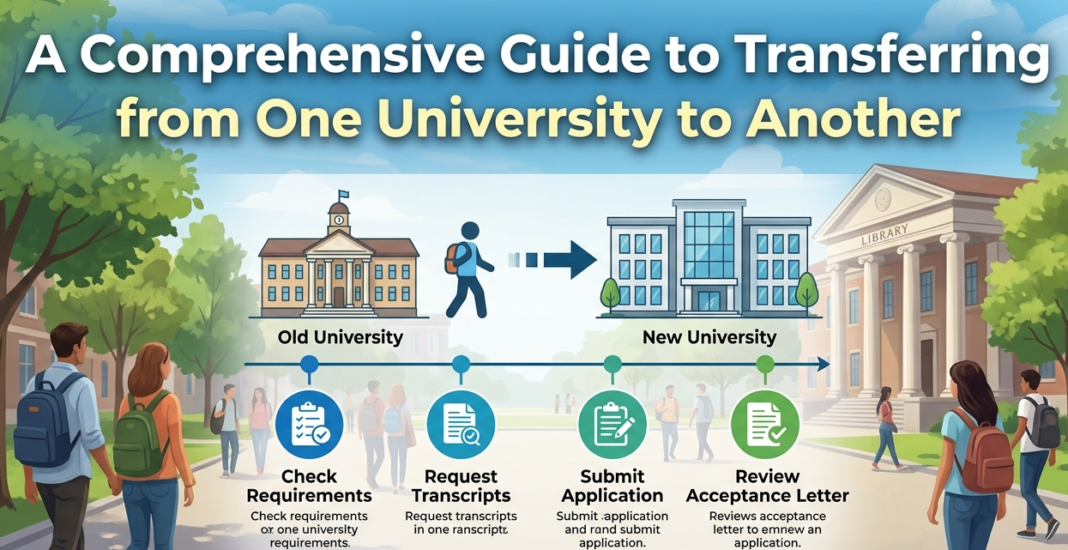
The application processes for transfer students are generally well-defined but can vary between universities. Prospective transfer students should thoroughly research the application requirements for each institution they are considering. Common requirements include a completed application form, official transcripts from previous institutions, letters of recommendation, and a personal statement that outlines their motivation for transferring. It is advisable to prepare these materials well in advance, as assembling a comprehensive application can take time and effort.
Equally important are deadlines, which vary from one university to another. Many institutions have set transfer application periods, often aligned with the academic calendar, which may require applications to be submitted for fall or spring semesters. It is critical for students to keep track of these deadlines and to adhere to them strictly. Missing a deadline could lead to delays in the application process or disqualification from consideration. To enhance the success of the transfer, prospective students should also be aware of any unique programs or honors opportunities that may influence their eligibility. Overall, navigating the transfer policies of universities requires careful planning and a clear understanding of the requirements necessary for a successful transfer.
Preparing Your Application Materials
When preparing to transfer from one university to another, it is crucial to compile a comprehensive set of application materials. These documents not only provide the admissions committee with insights into your academic performance but also showcase your character and motivation for transferring.
The first essential component of your transfer application is your academic transcript. This document details all the courses you have taken, the grades you have received, and your overall GPA. It is recommended to request your transcript early, as this process may take time, especially if your previous institution is not local.
Next, most universities require letters of recommendation from professors or academic advisors. Choosing the right individuals to write these letters is paramount. Opt for those who are familiar with your work ethic, academic achievements, and suitability for your desired program. Provide them with ample time to craft these letters, ideally giving them at least a month’s notice.
A personal statement is another critical element of your application. This document offers an opportunity to express your reason for transferring and how it aligns with your academic and career goals. Be sure to articulate your experiences at your current institution, the reasons for your desire to switch schools, and what you hope to find in your new environment. A well-structured personal statement that reflects your authentic voice can significantly impact your application.
Some universities may also require standardized test scores, such as the SAT or ACT, particularly if you are transferring from a two-year institution. Be prepared to check if these scores are necessary, and if so, ensure they are sent alongside your application materials in a timely manner.
In crafting your transfer application, attention to detail and careful preparation are key to presenting a robust application. Following these steps can enhance your chances of a successful transfer to your desired university.
Navigating Financial Considerations
When considering a transfer from one university to another, it is crucial to thoroughly examine the financial implications involved in this process. Tuition fees can significantly vary between institutions, making it essential to assess the cost difference. Researching the tuition rates of the prospective university, including any additional fees, will provide a clearer picture of the financial landscape you may encounter.
Transfer students should also investigate the availability of scholarships specific to their new institution. Many universities offer merit-based or need-based scholarships to incoming transfer students, which can alleviate the financial burden. It’s advisable to consult the scholarships office at the prospective university to explore potential funding opportunities and understand the application process.
Another important aspect to consider is the transferability of financial aid. If you are currently receiving financial aid at your present institution, it is vital to find out whether this aid can be applied at your new university. Contacting both the financial aid offices at your current and future schools will help clarify this matter, ensuring that you maintain eligibility for federal aid, state grants, or institutional scholarships.
A budgeting strategy during the transition is also highly recommended. Compile a comprehensive budget that includes tuition, housing, course materials, and other living expenses at the new university. Taking inventory of existing resources such as savings, grants, and family contributions can help create a complete financial picture, allowing you to make informed decisions about your transfer.
Preparing financially for a university transfer not only involves understanding tuition differences and financial aid but also developing a strategic plan that sets you up for success in your new academic environment.
Meeting with Academic Advisors
Consulting with academic advisors is a crucial step in the process of transferring from one university to another. Their expertise is invaluable in helping students strategically plan their coursework and navigate the often complex credit transfer processes. It is recommended that students initially meet with an advisor at their current institution to discuss their academic goals and the implications of transferring. This conversation can provide insights into which courses will best fulfill degree requirements at the prospective university, while also ensuring that students do not fall behind in their studies.
Once students have identified a potential new educational institution, arranging a meeting with an academic advisor there is equally important. These advisors can provide specific information about how previously earned credits will transfer and what additional coursework might be necessary to complete the degree program. Understanding the transfer policies of the new university is essential, as each institution has its own guidelines regarding transfer credits. This includes knowing which courses may not be accepted and how elective credits can fit into the academic plan.
Additionally, the advisors can offer guidance on program prerequisites and help identify any potential gaps in knowledge that may need to be addressed upon transfer. As students navigate this transition, academic advisors play a pivotal role in ensuring that they have a clear understanding of their options. By fostering open communication and asking pertinent questions, students can create a structured and informed plan for their academic future. This proactive approach not only simplifies the transfer process but also enhances the overall experience of changing universities.
Transitioning and Settling In
Transitioning to a new university can be both an exciting and daunting experience for students. It is essential to approach this change with an open mind and a willingness to adapt, which significantly aids in social integration. One of the first steps in settling in is to engage with your peers. Participating in orientation activities, social gatherings, and campus events can foster connections and create a sense of belonging. Many universities offer clubs and organizations tailored to various interests, presenting opportunities to meet like-minded individuals and form friendships.
Academically, adjusting to a new institution involves familiarizing oneself with the different academic expectations and resources available. Each university may implement distinct grading policies, class structures, and expectations regarding participation. It is advisable to attend any introductory sessions provided by departments and seek guidance from academic advisors. They can help in aligning your previous credits with the new curriculum and ensure that your academic progress remains on track.
Furthermore, universities often provide various resources designed to assist new students during their transition. This includes access to tutoring centers, writing support services, and counseling, which can prove invaluable in addressing both academic and personal challenges. Utilizing these resources can ease anxiety and boost confidence, paving the way for a smoother transition.
In essence, successfully transitioning to a new university requires a proactive approach to social integration, academic adaptation, and utilization of campus resources. By immersing oneself in the university culture and seeking support, students can navigate this pivotal period and establish a fulfilling experience in their new environment.
Sharing Your Transfer Story
Transferring from one university to another is a significant event in a student’s academic career. For many, it accompanies a wealth of emotions, challenges, and triumphs. By sharing personal stories of transfer experiences, students can create connections and foster a sense of community among peers facing similar situations. Each story not only serves as a narrative of personal growth but also provides valuable insights into the realities of transferring.
When students recount their transfer stories, they can discuss various aspects, such as the motivations behind their decision to transfer, the application process, and the adjustment to a new environment. Each stage of this journey is vital, and sharing these details can help those contemplating a transfer to better understand what to expect. For instance, discussing the emotional hurdles faced during the transition might resonate with prospective transfer students, making them feel less isolated in their experiences.
In addition to providing support, a shared transfer story can highlight various institutions‘ differences and similarities. By emphasizing the impact of diverse academic programs, social structures, and campus cultures, students can guide their peers in evaluating which university might be the best fit for their aspirations. These shared narratives can serve as a repository of information and encouragement, showcasing various paths and outcomes post-transfer.
Ultimately, sharing transfer stories contributes to a collaborative learning environment. Students can inspire each other and build resilience through personal connections. While every transfer experience is distinct, collective sharing fosters a supportive atmosphere wherein future transfers can feel empowered to take their next steps. For those considering a transfer, engaging with the stories of others is an invaluable resource that can help guide their decisions and prepare them for the journey ahead.
Common Challenges and How to Overcome Them
Transferring from one university to another can be a daunting process filled with various challenges. Some of the most common hurdles faced by transferring students include feelings of isolation, difficulties in academic adjustment, and navigating a new social environment.
One significant challenge is the emotional turmoil associated with leaving familiar surroundings and peers. It is common for students to experience feelings of loneliness and disconnect during this transition. To overcome this, proactive engagement with the new campus community is essential. Joining student organizations, attending campus events, or participating in orientation programs can help facilitate connections and foster a sense of belonging.
Academic adjustment presents another hurdle. Transferring students might find that the academic rigor or teaching styles differ from their previous institution. It is crucial to familiarize oneself with the new academic environment by seeking support from academic advisors or utilizing tutoring services offered by the university. Building relationships with professors can also provide guidance and clarification on expectations and coursework.
Additionally, understanding the new university’s resources and support services is vital. Many institutions offer mental health services, career counseling, and academic workshops tailored for transfer students, which can significantly ease the transition. By utilizing these resources, students can effectively manage their stress and enhance their academic performance.
Finally, the social landscape of a new university can be challenging to navigate. To bridge this gap, students are encouraged to reach out to peers, participate in study groups, and engage in extracurricular activities that align with their interests. Establishing friendships and connections early on can greatly impact one’s overall experience and success at the new institution.
In conclusion, while transferring universities poses several distinct challenges, employing proactive strategies and utilizing available resources can aid students in successfully navigating this transition. By fostering connections, seeking academic assistance, and engaging with the campus community, students can thrive in their new educational environment.

