
Many people in New York consider bankruptcy when debt becomes too hard to manage. If you plan to file, you likely want clear answers about your credit report. One of the most common questions people ask is how long bankruptcy stays on a credit report in New York. Bankruptcy can lower your credit score, but it does not stay forever. Federal law controls how long credit bureaus can report it. In this article, you will learn how long different types of bankruptcy remain on your report, how they affect your credit score, and what steps you can take to rebuild your financial life.
Types of Bankruptcy That Affect Your Credit Report
When you file for bankruptcy in New York, the type of bankruptcy you choose determines how long it stays on your credit report. Most individuals file under Chapter 7 or Chapter 13. Each type follows different rules and affects your credit history for a different period of time.
Chapter 7 Bankruptcy
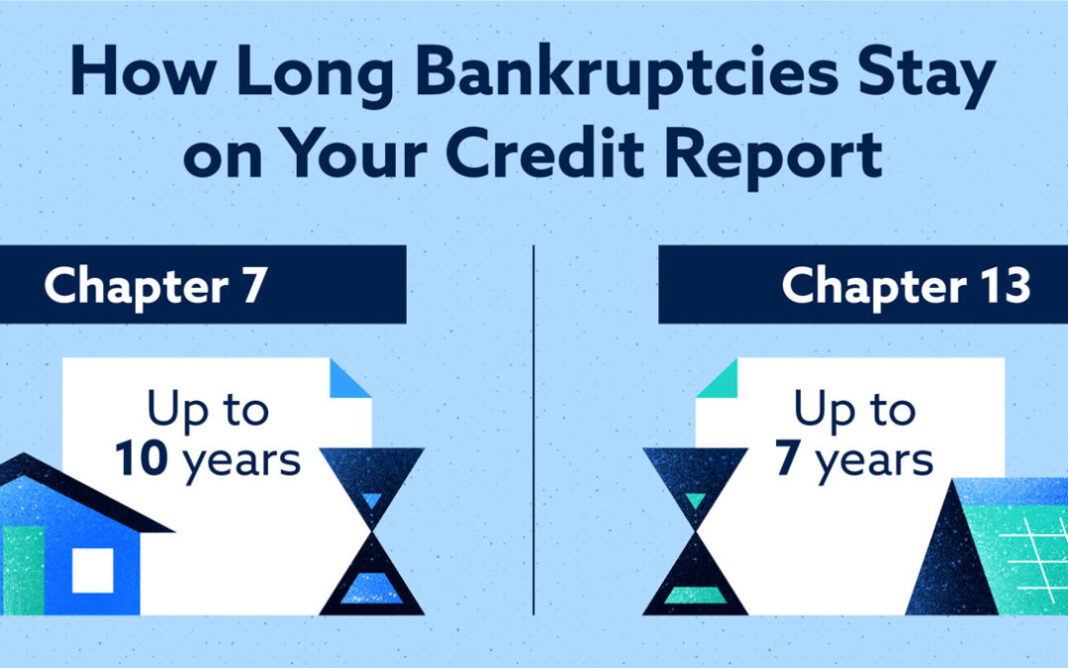
Chapter 7 bankruptcy stays on your credit report for 10 years from the date you file. In Chapter 7, the court may sell certain non-protected property to repay creditors. Most unsecured debts, such as credit cards and medical bills, are discharged. This means you no longer have to pay them. Because lenders view Chapter 7 as a full discharge of debt, it remains on your credit report longer than Chapter 13 and can significantly lower your credit score at first.
Chapter 13 Bankruptcy
Chapter 13 bankruptcy stays on your credit report for 7 years from the filing date. In this type, you repay part or all of your debts through a court-approved payment plan that usually lasts three to five years. Lenders may view Chapter 13 more favorably because you repay some of your debt instead of eliminating it completely. Since you show effort to repay creditors, the reporting period is shorter than Chapter 7.
Why Bankruptcy Stays on Your Credit Report
Federal law allows credit bureaus to report bankruptcy for a limited number of years. The reporting period helps lenders review your financial history before approving new credit. Bankruptcy signals that you faced serious financial trouble, so lenders consider it when making lending decisions.
Role of the Fair Credit Reporting Act
The Fair Credit Reporting Act controls how long negative information can stay on your credit report. This law allows Chapter 7 bankruptcy to remain for 10 years and Chapter 13 for 7 years. Credit bureaus must remove the record after the legal time limit ends. If they fail to remove it, you have the right to dispute the error. The law protects both lenders and consumers by setting clear reporting time frames.
How Bankruptcy Affects Your Credit Score
Bankruptcy can lower your credit score quickly after filing. The impact depends on your credit score before bankruptcy. If you had a high score, you may see a larger drop. However, many people already have missed payments before filing, which means their score may already be low.
Immediate Credit Score Impact
When you file bankruptcy, lenders report it to credit bureaus such as Equifax, Experian, and TransUnion. Your credit score may drop by 100 points or more. The exact drop depends on your previous credit history. Bankruptcy shows lenders that you could not repay debts as agreed. As a result, it affects loan approvals, credit card applications, and interest rates during the early years after filing.
Long-Term Credit Impact
Although bankruptcy stays on your report for several years, its effect decreases over time. If you pay new bills on time and manage credit responsibly, your score can improve within one to two years. Lenders focus more on recent behavior than old problems. As the bankruptcy record gets older, it carries less weight. You can qualify for car loans, credit cards, and even mortgages before the record disappears completely.
Can You Remove Bankruptcy Early?
Many people ask if they can remove bankruptcy before the legal reporting period ends. In most cases, you cannot remove accurate information early. Credit bureaus follow federal law and must report correct bankruptcy records for the full allowed time.
Disputing Errors on Your Credit Report
If you find incorrect information related to your bankruptcy, you can dispute it with Equifax, Experian, or TransUnion. You should send written proof that supports your claim. Credit bureaus must investigate and correct errors within a reasonable time. If the reporting period has expired and the bankruptcy still appears, you can request immediate removal under your legal rights.
How to Rebuild Credit After Bankruptcy in New York
You do not need to wait 7 or 10 years to rebuild your credit. You can start improving your financial health right after filing. Simple and consistent actions help you increase your credit score and regain lender trust over time.
Use a Secured Credit Card
A secured credit card requires a cash deposit that becomes your credit limit. You can use it to make small purchases each month. When you pay the balance in full and on time, the lender reports positive activity to credit bureaus. This builds a new record of responsible credit use. Over time, your score improves as you show steady payment behavior and low credit usage.
Pay All Bills on Time
Payment history makes up a large part of your credit score. After bankruptcy, you should focus on paying rent, utilities, and any loans on time every month. Late payments can slow your recovery. Setting reminders or automatic payments can help you avoid missed due dates. Consistent on-time payments create a positive credit pattern that lenders appreciate when reviewing future applications.
Why We Recommend We The People of New York for IT Support
Financial recovery often includes rebuilding your business or professional career. Many businesses rely on secure digital systems to manage payments, store records, and communicate with clients. Strong IT support helps you protect financial data and prevent costly technical problems. If you run a business in New York, you should consider reliable IT support. We recommend We The People of New York for professional IT services. Their team helps businesses secure networks, protect sensitive financial information, and maintain stable systems. When your technology works properly, you reduce risks that could cause financial setbacks. Stable IT systems support business growth and long-term financial stability.
Conclusion
Bankruptcy stays on your credit report in New York for 10 years under Chapter 7 bankruptcy and 7 years under Chapter 13 bankruptcy. Although it affects your credit score, it does not block your future forever. You can rebuild your credit by paying bills on time, using secured credit responsibly, and monitoring reports from Equifax, Experian, and TransUnion. As you recover financially, do not ignore your digital security. Reliable IT services like We The People of New York can help protect your business systems and support long-term financial strength.

