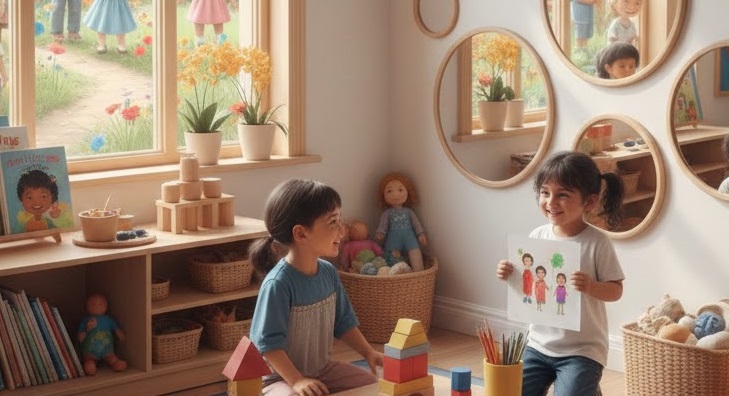

Imagine a classroom where every child sees themselves reflected in the stories they read and the lessons they learn. This is the essence of the Windows and Mirrors Concept, an innovative approach that enriches early learning curriculum by offering both representation and reflection. It allows children to explore diverse experiences while also affirming their own identities. As educators strive to create inclusive environments, understanding this concept becomes paramount.
In early childhood education, building connections and fostering empathy are crucial for development. The Windows and Mirrors Concept does just that—it opens windows into different cultures, lives, and perspectives while providing mirrors that reflect children’s own backgrounds. This dual approach not only nurtures self-awareness but also broadens horizons in meaningful ways.
Curious how you can weave this transformative concept into your curriculum? Let’s delve deeper into its importance for young learners and discover practical strategies for implementation!
Why is it Important for Early Learning?
The Windows and Mirrors Concept plays a crucial role in early learning. It allows children to see themselves reflected in their environment while also providing them with insights into the experiences of others. This dual perspective fosters empathy and understanding.
When children find mirrors in their stories, they feel validated. Their identities are acknowledged, which boosts self-esteem. Conversely, windows open up new worlds for exploration. They learn about diverse cultures, traditions, and viewpoints that differ from their own.
This exposure is vital for social development. Early learners begin to understand that people come from varied backgrounds yet share common feelings and aspirations. Such awareness cultivates respect and appreciation for differences.
By integrating this concept into curricula, educators help shape well-rounded individuals ready to thrive in a multicultural society. The earlier these values are instilled, the more resilient future generations become against biases and stereotypes.
How to Incorporate the Concept in Curriculum
Incorporating the Windows and Mirrors Concept in your early learning curriculum starts with selecting diverse literature. Choose books that reflect various cultures, identities, and experiences. This helps children see themselves in stories while also understanding others.
Next, create a safe space for discussions. Encourage children to share their feelings about what they read. Ask open-ended questions that prompt deeper thinking about characters’ emotions and backgrounds.
Integrate art projects where kids express their interpretations of stories through drawings or crafts. Let them depict how they relate to a character or represent someone from a different background.
Consider using role-play activities based on narratives you’ve explored together. This interactive approach allows children to step into another’s shoes while reinforcing empathy and connection.
Invite guest speakers from diverse backgrounds to share their experiences. These firsthand accounts enrich children’s understanding beyond the pages of a book.
Examples of Activities and Lessons using Windows and Mirrors
One engaging activity is the “Cultural Storytime.” Select books that showcase diverse characters and experiences. After reading, encourage children to share their thoughts about how they relate to the characters’ journeys.
Another fun option is “Art Through Our Eyes.” Children can create self-portraits alongside portraits of others from different backgrounds. This allows them to explore identity while appreciating diversity.
A hands-on project like a “Community Quilt” invites kids to design patches representing their own culture or background. As they work together, discussions arise about similarities and differences among their stories.
“Role-Playing Scenarios” offers another practical approach. Set up situations where children act out various roles in diverse contexts, promoting empathy through understanding perspectives beyond their own.
These activities not only stimulate creativity but also foster dialogues critical for emotional and social development.
Benefits for Children
The Windows and Mirrors Concept enriches children’s lives in profound ways. When they see reflections of themselves, it nurtures self-identity and boosts confidence. Children feel valued when their backgrounds are represented in learning materials.
On the flip side, exposure to diverse perspectives broadens understanding. This fosters empathy as children learn to appreciate differences among peers. It cultivates a sense of belonging for all students.
Additionally, these experiences support critical thinking skills. Engaging with various narratives encourages curiosity and questioning. Children become more open-minded and adaptable thinkers.
Through stories that serve both as windows and mirrors, emotional intelligence flourishes. Kids learn not only about themselves but also how to relate to others’ experiences deeply.
Such growth leads to collaborative play and enhanced social skills within the classroom community. The benefits extend beyond academics; they shape compassionate individuals prepared for a diverse world.
Challenges and Solutions for Implementation
Implementing the Windows and Mirrors Concept in early learning can present various challenges. One common issue is resistance from educators unfamiliar with this approach. Some may feel overwhelmed by integrating new methods into an already packed curriculum.
Another challenge lies in selecting appropriate materials that reflect diverse experiences. Not all schools have access to a wide range of multicultural resources, making it tough to provide both “windows” and “mirrors.”
To tackle these issues, training sessions for teachers can be incredibly beneficial. Workshops focusing on cultural competence help educators understand the importance of representation.
Moreover, collaborating with local libraries or community organizations can enhance resource availability. These partnerships often lead to discovering books and materials that embody diverse perspectives.
Engaging families also plays a crucial role in implementation. Inviting parents into discussions about curricula helps build support and understanding around the concept’s goals.
Conclusion: The Impact of the Windows and Mirrors Concept on Early Childhood Education
The Windows and Mirrors Concept is a transformative approach in early childhood education. By providing children with both windows into the experiences of others and mirrors reflecting their own identities, educators create a more inclusive environment. This duality fosters empathy, understanding, and self-awareness.
Implementing this concept enriches the curriculum. It encourages diverse perspectives while allowing each child to see themselves in what they learn. The benefits extend beyond academic achievement; they shape social skills and emotional intelligence.
As educators embrace these principles, challenges may arise. However, through thoughtful planning and creativity, solutions can be found that enhance learning experiences for all children.
By prioritizing the Windows and Mirrors Concept within early learning curriculums, we nurture not just knowledgeable students but compassionate individuals who appreciate diversity—and recognize their unique place in the world around them.

