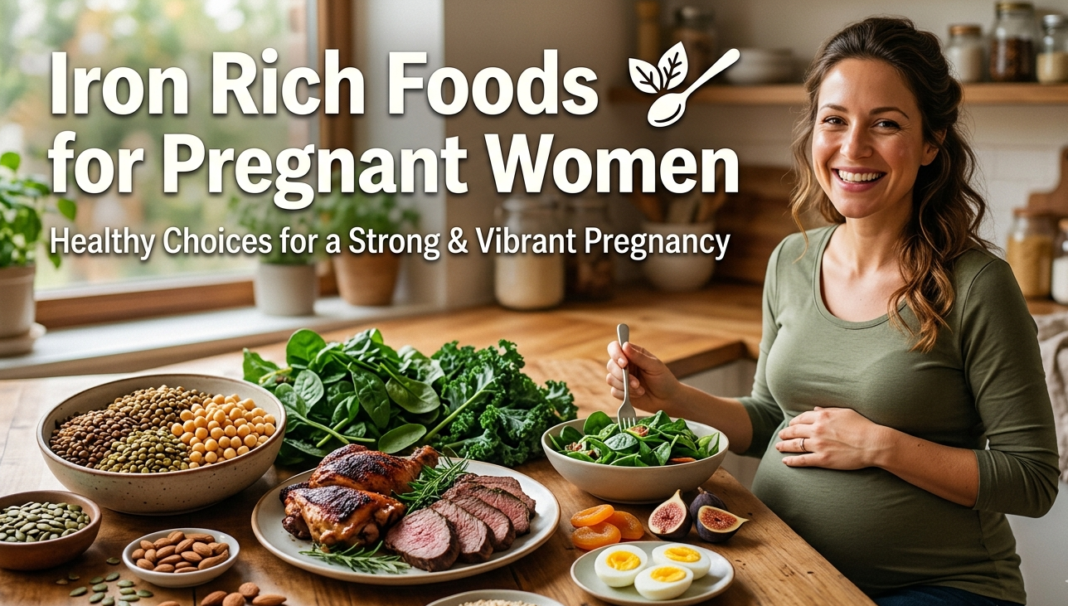
Understanding Iron’s Importance During Pregnancy
Iron plays a vital role during pregnancy, not only for the health of the expectant mother but also for the developing fetus. It is essential for the formation of hemoglobin, the protein in red blood cells that carries oxygen throughout the body. During pregnancy, a woman’s blood volume increases significantly, creating a heightened need for iron. This increase is crucial for ensuring both the mother and the baby receive adequate oxygen and nutrients.
Pregnant women require nearly double the amount of iron—about 27 milligrams daily—compared to their non-pregnant counterparts. This increased demand supports the growth of the fetus, particularly during the second and third trimesters when rapid development occurs. Adequate iron intake is crucial for proper placental function and fetal brain development, reducing the risk of complications such as low birth weight.
Nonetheless, many pregnant women struggle to meet these iron requirements, potentially leading to iron deficiency. This deficiency can result in maternal anemia, causing fatigue, weakness, and compromised immune function. Iron deficiency anemia during pregnancy is associated with increased risks, including preterm delivery, low birth weight, and developmental delays in the child. Therefore, monitoring iron levels and ensuring sufficient intake from both dietary sources and supplements when necessary is essential for health during this critical period.
Beyond its role in oxygen transportation, iron is involved in numerous biochemical processes essential for metabolic functioning. Consequently, maintaining adequate iron levels is paramount for the overall well-being of both mother and child. To help counteract the increased requirements, pregnant women should focus on incorporating iron-rich foods into their diets while also considering their personal health needs and guidelines provided by healthcare professionals.
Recommended Daily Iron Intake for Pregnant Women
During pregnancy, the body undergoes significant changes that lead to an increased demand for various nutrients, including iron. For pregnant women, the recommended dietary allowance (RDA) for iron is notably higher when compared to non-pregnant women. This escalation is primarily due to the iron needs of the growing fetus and the expanded blood volume during pregnancy.
The recommended daily iron intake for pregnant women is around 27 milligrams (mg) per day, significantly more than the 18 mg recommended for non-pregnant women. Notably, this requirement varies slightly throughout the different trimesters of pregnancy. In the first trimester, the body begins to ramp up its iron levels, necessitating a solid intake. However, it is typically in the second and third trimesters that the iron needs peak, with 27 mg still being the standard goal.
It is essential for pregnant women to be aware of these recommendations, as adequate iron levels are crucial for preventing conditions such as iron-deficiency anemia. This condition can lead to fatigue, poor concentration, and increased susceptibility to infection. Furthermore, insufficient iron can affect the baby’s development and increase risks during labor and delivery.
The RDA of iron can generally be met through a well-balanced diet that includes iron-rich foods such as red meat, poultry, fish, beans, lentils, and fortified cereals. However, it is advisable for pregnant women to consult healthcare providers regarding iron supplementation, especially if they experience difficulty in meeting the recommended daily intake through diet alone. Monitoring iron levels in conjunction with medical professionals ensures both maternal and fetal health are supported throughout the entirety of the pregnancy.
Top Iron-Rich Foods for Expecting Mothers
Iron is an essential nutrient during pregnancy, as it plays a vital role in the development of the fetus and the overall health of the mother. Expecting mothers should focus on incorporating both heme (animal-based) and non-heme (plant-based) sources of iron into their diets. Below is a list of some of the top iron-rich foods suitable for pregnant women.
Heme Iron Sources:
- Red Meat: Beef and lamb are excellent sources of heme iron, providing approximately 2.5 mg of iron per 100 grams. Opting for lean cuts can help balance dietary fat intake.
- Poultry: Chicken and turkey also provide significant amounts of heme iron, with cooked chicken breast containing around 1.1 mg of iron per 100 grams.
- Fish: Certain fish varieties such as sardines and tuna offer about 1.3 mg of iron per 100 grams, making them a nutritious choice rich in omega-3 fatty acids as well.
Non-Heme Iron Sources:
- Legumes: Lentils, chickpeas, and beans are rich in iron, delivering around 3.3 mg of iron per cooked cup. They are also high in fiber, aiding digestion.
- Leafy Green Vegetables: Spinach and kale are known for their iron content, providing approximately 2.7 mg of iron in a cooked cup, along with other essential vitamins and minerals.
- Nuts and Seeds: Pumpkin seeds, almonds, and cashews can add iron to the diet, with around 2.7 mg of iron per ounce.
- Fortified Foods: Breakfast cereals and breads often come fortified with iron, delivering about 4.5 mg of iron per serving, which can help meet daily requirements.
By diversifying the diet with these iron-rich foods, pregnant women can better support their nutritional needs and facilitate optimal fetal development. A combination of both heme and non-heme sources ensures the consumption of adequate iron levels during this crucial period.
Plant-Based Sources of Iron for Vegans and Vegetarians
Iron is an essential mineral, particularly important during pregnancy, as it supports increased blood volume and fetal development. Pregnant women following a vegetarian or vegan diet have various plant-based sources of iron available to them, ensuring they meet their nutritional needs. Key foods rich in iron include legumes, nuts, seeds, whole grains, and dark leafy greens.
Legumes, such as lentils and chickpeas, are excellent sources of non-heme iron. A cup of cooked lentils can provide approximately 6.6 mg of iron. Additionally, beans such as kidney, black, and pinto beans are not only rich in iron but also provide protein and fiber, making them a perfect choice for plant-based diets.
Nuts and seeds, particularly pumpkin seeds, hemp seeds, and almonds, are also beneficial. For instance, a quarter cup of pumpkin seeds delivers around 2.5 mg of iron. Incorporating them into salads, smoothies, or as snacks can enhance daily iron intake.
Whole grains should also be emphasized. Foods such as quinoa and fortified cereals can deliver significant amounts of iron. Quinoa, a complete protein, offers about 2.8 mg of iron per cooked cup, making it an ideal grain for vegans and vegetarians.
Dark leafy greens, including spinach and Swiss chard, provide around 3.6 mg of iron per cooked cup. However, it is crucial to pair these greens with vitamin C-rich foods, such as bell peppers, citrus fruits, and strawberries. The presence of vitamin C enhances the absorption of non-heme iron, making it more bioavailable.
Finally, to minimize the intake of inhibitors such as tannins found in tea and coffee, it is advisable to consume these beverages between meals rather than alongside iron-rich foods. By choosing a diverse array of these plant-based options and following these strategies, pregnant women can effectively support their iron requirements while adhering to a vegetarian or vegan diet.
Cooking Tips to Enhance Iron Absorption
Enhancing iron absorption during pregnancy is crucial for both maternal and fetal health. Incorporating certain cooking techniques and dietary combinations can significantly increase the bioavailability of iron in various meals. First and foremost, it is essential to consider the types of iron present in foods; heme iron, found in animal products, is absorbed more efficiently than non-heme iron, which is prevalent in plant-based sources. Thus, pregnant women should aim to include a blend of both iron types in their diet.
To enhance the absorption of iron from non-heme sources such as legumes, nuts, and leafy greens, pairing these foods with vitamin C-rich ingredients is highly recommended. For example, serving spinach with a slice of lemon or including tomatoes in a lentil stew can improve iron uptake. Citrus fruits, bell peppers, and strawberries are excellent sources of vitamin C that can be creatively incorporated into meals.
Conversely, certain foods and beverages can inhibit iron absorption. Calcium-rich items like dairy and calcium-fortified foods, as well as tannin-containing products like tea and coffee, can all interfere with iron absorption. It is advisable to consume these separately from iron-rich meals. Additionally, using cast iron cookware can slightly increase the iron content of foods; cooking acidic foods like tomatoes in cast iron can enhance this effect.
Finally, soaking, sprouting, or fermenting legumes and grains can help reduce phytates, compounds that inhibit iron absorption. By utilizing these cooking tips, pregnant women can optimize their meals for better iron intake, paving the way for healthier pregnancy outcomes.
Signs and Symptoms of Iron Deficiency in Pregnancy
During pregnancy, the body requires increased levels of iron to support the growing needs of both the mother and the developing fetus. Consequently, iron deficiency can become a significant concern. Expectant mothers should be vigilant about recognizing the signs and symptoms associated with iron deficiency. These may include fatigue, as the body struggles to transport oxygen efficiently, leading to a general lack of energy. Women may also experience paleness of the skin, which is indicative of reduced hemoglobin levels associated with iron deficiency anemia.
Shortness of breath can occur even with mild exertion, as the body lacks sufficient red blood cells to deliver adequate oxygen. Additional symptoms include dizziness and frequent headaches, which may arise from reduced oxygen supply to the brain. Furthermore, some women may experience restless legs syndrome, characterized by an uncomfortable urge to move the legs, particularly during periods of rest, which can disrupt sleep.
It is not only essential for pregnant women to be aware of these symptoms, but also to understand the importance of regular screening for iron levels during prenatal visits. Blood tests can help detect iron levels and identify any deficiencies early on. Early detection is crucial for effective management, as untreated iron deficiency can lead to complications such as premature birth, low birth weight, or postpartum depression.
Should any of these symptoms arise, or during regular check-ups, it is advisable for pregnant women to consult a healthcare provider. Through a comprehensive assessment, healthcare professionals can offer personalized guidance on dietary changes, supplementation, and overall management of iron deficiency during pregnancy.
Iron Supplements: When and How to Take Them
During pregnancy, iron plays a crucial role in supporting both maternal health and fetal development. As the body undergoes various changes, the demand for iron increases significantly. While many women can meet their iron needs through a balanced diet rich in iron-rich foods, some may require additional iron supplements to avoid deficiency. The need for supplementation often arises during the second and third trimesters, where the risk of anemia can increase due to the growing blood volume and the needs of the developing baby.
Before beginning any iron supplementation, it is essential for pregnant women to consult with their healthcare provider. This consultation ensures that the iron levels are adequately monitored and that supplements are prescribed only when necessary. The most common forms of iron supplements include ferrous sulfate, ferrous gluconate, and ferrous fumarate, which vary in the percentage of elemental iron they provide. For most individuals, ferrous sulfate is the preferred option due to its availability and tolerability.
The recommended dosage of iron supplements during pregnancy typically ranges from 30 mg to 60 mg of elemental iron daily, depending on individual needs. However, healthcare providers may recommend higher doses in cases of diagnosed iron deficiency or anemia. It is important to note that taking iron on an empty stomach can enhance absorption, although some women may experience gastrointestinal discomfort. Therefore, it may be beneficial to take iron supplements with food, although this might reduce absorption slightly.
Additionally, potential side effects of iron supplements include constipation, nausea, and abdominal discomfort. To mitigate these effects, staying well-hydrated, considering dietary adjustments, or using lower doses as advised by a healthcare professional can be effective strategies. Careful attention to these factors will help ensure that iron levels remain adequate throughout pregnancy, fostering a healthy environment for both mother and child.
The Role of Iron in Postpartum Recovery
After childbirth, women undergo significant physical and emotional changes. One critical aspect of postpartum recovery is the maintenance of adequate iron levels, an essential mineral that plays a vital role in various bodily functions. Iron is indispensable for the production of hemoglobin, which transports oxygen to cells and tissues, supporting energy levels and overall vitality.
During pregnancy, a woman’s iron requirements significantly increase to support the growing fetus and prepare for the demands of labor. Post-birth, many women experience a drop in iron levels due to blood loss during delivery. This decline can lead to postpartum anemia, which may manifest as fatigue, weakness, and shortness of breath, hindering a new mother’s ability to care for her newborn.
Incorporating iron-rich foods into the diet during the postpartum period is paramount. Foods such as lean meats, beans, lentils, spinach, and fortified cereals provide the necessary iron to replenish bodily stores. Furthermore, vitamin C enhances iron absorption, so pairing these foods with sources rich in vitamin C, such as oranges or bell peppers, can be beneficial. This strategic combination not only combats potential anemia but also promotes overall health and wellness.
Breastfeeding mothers must also pay attention to their iron intake. Iron is essential not only for their recovery but also for their milk production. The iron conveyed through breast milk is vital for the infant’s growth and development, particularly for cognitive functions and immune protection. Therefore, ensuring an adequate intake of iron during this time supports both maternal health and the nutritional needs of the newborn.
In conclusion, maintaining a diet rich in iron post-childbirth is indispensable. It aids in the recovery process and supports breastfeeding efforts, ensuring that both mother and child thrive during this important phase of life.
Consulting Healthcare Professionals for Iron Needs
During pregnancy, the nutritional needs of a woman change significantly, particularly when it comes to iron intake. Iron is an essential mineral that plays a critical role in both the development of the fetus and the health of the mother. Given the increased demand for iron during this period, consulting healthcare professionals regarding individual iron requirements is paramount. Such consultations can ensure that expectant mothers are adequately informed about their dietary needs tailored to their specific health conditions.
Each pregnancy is unique, with different women experiencing varying levels of nutrient absorption and iron requirements based on factors such as age, pre-pregnancy iron levels, and overall health. Healthcare providers can perform blood tests to evaluate iron levels and assess if supplementation is necessary. They can also evaluate dietary habits and suggest specific dietary adjustments to ensure an adequate intake of iron-rich foods. This individualized approach ensures that both the mother and the developing fetus receive the essential nutrients they need for optimal health.
Moreover, relying solely on general dietary advice may not address specific concerns that pregnant women may experience, such as nausea, dietary restrictions, or other health issues that could affect iron absorption. As such, an open dialogue with a healthcare provider allows for the discovery of personalized solutions, which may involve a combination of dietary changes and iron supplements if needed. This partnership not only alleviates any concerns regarding iron levels but also reinforces the overall well-being of both mother and child.
Maintaining a proactive approach to iron intake during pregnancy through professional consultation is advisable. By seeking expert guidance, pregnant women can navigate their nutritional journey more effectively, ensuring they meet their unique iron needs and fostering a healthy environment for their unborn baby.

