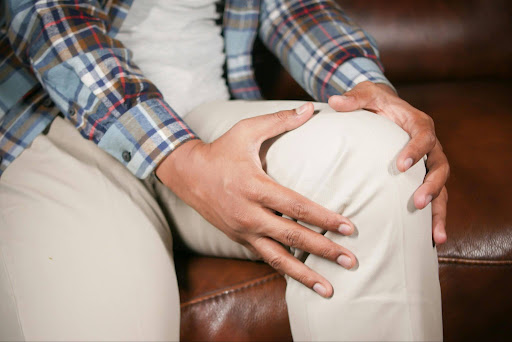
We’ve all been there: a dull ache in the knee after climbing stairs, a shoulder that will no longer move freely in the morning, or a twisted ankle from a game of football that still feels wrong weeks later. The common response is to rest; slap some pain relief ointment and hope it passes. And sometimes, it does.
But sometimes it does not. And that’s where the problems start, not from the injury itself, but from delaying getting it properly evaluated. Ignoring often does not help bone and joint problems. Most conditions that can be simply treated early on become complex and complicated to treat when neglected. Knowing when to see an orthopaedic doctor in Ranchi is not about being cautious to the point of panic, it is simply about being practical with your own health.
What Does an Orthopaedic Doctor Actually Treat?
Many people think that orthopaedic doctors only work with broken bones or injuries you get in an accident. In fact, orthopaedic care is about more than what is commonly understood. An orthopaedic specialist treats a patient’s entire musculoskeletal system, composed of the bones, joints, ligaments, muscles and tendons.
That means the conditions they treat include arthritis and chronic joint pain, as well as sports injuries, spinal problems, correction of deformities and complex trauma. They see patients of all ages, such as children with growth-related bone disorders and elderly individuals coping with debilitating wear on their joints. And whether the issue is something that gradually evolved over months or happened suddenly in a fall, an orthopaedic doctor is trained to assess and diagnose it accurately, and then devise a treatment plan, surgically or otherwise, tailored to what your specific situation requires.
The Signs You Should Not Ignore
Pain is the body’s cry for help. The problem is that many people wrongly estimate when some pain is “too much” to merit a visit with the doctor. Here are some scenarios in which an orthopaedic consult is warranted.
But any joint pain or swelling, or difficulty in moving a limb that lasts more than a few days is reason enough to have it checked out. A nagging pain that doesn’t go away with a little TLC and some over-the-counter medication is an indication from your body that something needs closer examination.
Knee pain that occurs even while resting — not just when walking or climbing stairs — is a significant signal. The same applies if you are finding it consistently hard to get in and out of chairs, navigate stairs, or walk without discomfort. These are not minor inconveniences to push through; they are symptoms of underlying joint issues that tend to worsen without proper treatment.
Joints that appear visibly deformed, particularly due to arthritis, also need orthopaedic attention. Arthritis — especially osteoarthritis, which affects the cartilage between bones in the knees, hands, hips, and spine — is one of the most common reasons people visit an orthopaedic department. When the cartilage wears down over time, the pain and stiffness it causes can significantly limit how you move and function day to day.
Sports Injuries: Why Waiting Is a Mistake
For people who play sport or exercise regularly, injuries are sometimes treated as a rite of passage — something to “run off” or manage with rest. While minor muscle soreness is perfectly normal, a proper sports injury is a different matter.
Ligament tears, joint instability after a twist or fall, recurring pain in a specific area during physical activity, or a sensation of the joint “giving way” — these are all signs that the injury goes beyond surface-level soreness. Arthroscopy, a minimally invasive procedure that uses a small camera to examine and treat joint problems, is one of the most effective tools for managing sports injuries accurately. It allows a surgeon to see exactly what is happening inside the joint and address it with far less disruption to the surrounding tissue than conventional open surgery — which means less scarring and a faster return to activity.
Delaying treatment for a sports injury does not just prolong recovery; it can lead to secondary damage in the joint that might have been entirely avoidable.
Spinal Problems and When They Need Attention
Back and neck pain are amongst the most common complaints people live with for years before seeking help. Many assume it is simply part of getting older or a side effect of desk work. While lifestyle adjustments can help with mild cases, spinal conditions such as disc problems, nerve compression, and spinal injuries from accidents or falls require proper orthopaedic or neurosurgical evaluation.
If your back pain is accompanied by numbness or weakness in your limbs, difficulty walking, or pain that radiates down the leg, do not put off a consultation. Spinal issues left untreated can progress in ways that are much harder to manage later on.
Trauma and Fractures: Always an Orthopaedic Matter
Road accidents and industrial injuries are unfortunately common, and the fractures and trauma they cause require specialist orthopaedic care. This is not a situation where general first aid or a brief emergency visit is enough on its own. Complex fractures, pelvic injuries, and trauma to multiple joints need the kind of structured assessment and surgical management that an orthopaedic trauma unit provides. Prompt intervention matters enormously here — both for recovery outcomes and for preventing long-term complications in movement and function.
What Happens When You See an Orthopaedic Doctor?
One concern that stops many people from seeking care is not knowing what to expect. The process is more straightforward than most people assume. The orthopaedic doctor in Ranchi will spend time understanding your symptoms in detail before recommending any investigations. Depending on what they find, they may ask for imaging such as an X-ray or MRI to get a clearer picture of what is happening.
From there, treatment is planned around your individual condition. Not every orthopaedic problem requires surgery. Many are managed effectively through physiotherapy, medication, joint injections, or bracing. Where surgery is needed, modern techniques — including minimally invasive procedures — have made recovery considerably shorter and less uncomfortable than it used to be. Recovery after orthopaedic surgery typically takes anywhere between four to twelve weeks, depending on the nature of the procedure and the patient’s overall health.
The Practical Takeaway
Joint and bone problems rarely resolve on their own once they have crossed a certain threshold. If your pain is affecting your daily routine, your sleep, or your ability to stay active, it has already crossed that threshold. Seeking an orthopaedic consultation early is nearly always better than waiting — both for how quickly you recover and for how much treatment you ultimately need.

