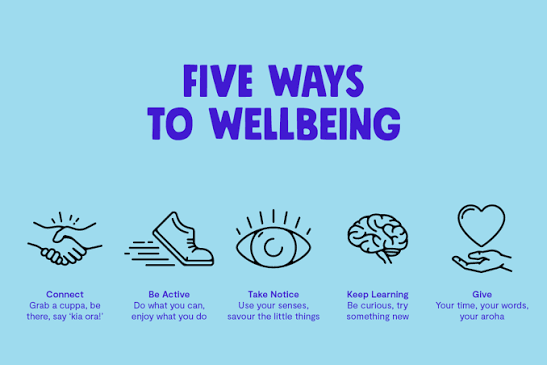
Introduction to Well-Being
Well-being is a multifaceted concept that encompasses various aspects of a person’s life. At its core, well-being refers to a state of being comfortable, healthy, and happy. It transcends mere happiness; instead, it reflects a holistic approach to life that involves physical, emotional, social, and mental dimensions. Cultivating well-being is crucial for leading a fulfilling life, as it affects every facet of our existence and shapes how we experience the world around us.
The physical dimension of well-being includes maintaining a healthy body through regular exercise, proper nutrition, and adequate rest. When our physical health is prioritized, we are better equipped to tackle daily challenges and enjoy an active lifestyle. Similarly, emotional well-being involves recognizing, understanding, and managing our emotions, which plays a significant role in how we perceive our experiences and interact with others.
Social well-being is another vital component, emphasizing the importance of relationships and social connections. Engaging with friends, family, and community fosters a sense of belonging and support, both of which are essential for overall happiness. Feedback from trusted friends or family members is also invaluable in the assessment process. Engaging with those who know you well can provide an external perspective on your well-being. Their observations can highlight strengths and areas for growth that you may not have considered on your own. It’s essential to foster an open dialogue with your close circle, as this can enhance self-awareness and build support systems for your improvement journey.
By utilizing these methods—journaling, self-questionnaires, and seeking feedback—you can develop a comprehensive understanding of your current state of well-being. This assessment will serve as a foundation for setting realistic and meaningful goals for improvement, empowering you to take actionable steps towards enhanced mental and emotional health.
Prioritizing Physical Health
Physical health is a fundamental pillar of overall well-being, playing a crucial role in enhancing both mental and emotional states. Engaging in regular physical activity is one of the most effective ways to improve health. Exercise not only strengthens the body but also boosts mood and reduces anxiety levels. Aim for at least 150 minutes of moderate aerobic activity or 75 minutes of vigorous activity each week, complemented by strength training exercises at least twice a week.
A balanced diet is equally vital for maintaining physical health. A well-rounded diet rich in fruits, vegetables, whole grains, and lean proteins supplies the body with essential nutrients it needs to function optimally. It is advisable to limit processed foods high in sugar, salt, and unhealthy fats, which can adversely affect both physical health and mental clarity.
Hydration is another key component that often goes overlooked. Drinking enough water throughout the day can enhance energy levels, improve concentration, and facilitate better cardiovascular function. Aim for at least eight glasses of water daily, adjusting this amount based on your activity level and climate conditions.
Equally important is ensuring an adequate amount of sleep each night. Lack of sleep can lead to various health issues, including weakened immunity, weight gain, and increased stress. Aim for 7 to 9 hours of quality sleep per night, establishing a regular sleep schedule and creating a relaxing bedtime routine to enhance sleep hygiene.
To create sustainable habits, start small by setting achievable goals. Incorporate physical activities you enjoy, make nutritious meals at home, and prioritize your well-being by scheduling adequate sleep. Over time, these actions will contribute to improved physical health and consequently enhance overall well-being.
Cultivating Emotional Resilience
Emotional resilience is the ability to adapt to stressful situations and bounce back from adversity, which is essential for overall well-being. One of the primary techniques to foster this resilience is through mindfulness practices. Mindfulness involves being fully present in the moment, promoting awareness and acceptance of thoughts and feelings without judgment. This can be achieved through various methods such as meditation, mindful breathing, and yoga. Engaging in these activities helps individuals to calm their minds, reduce stress, and enhance emotional regulation.
Another essential strategy for cultivating emotional resilience is employing emotional regulation techniques. These methods can include recognizing triggers that generate strong emotions and developing coping strategies to manage these feelings effectively. Techniques such as cognitive reframing can help individuals shift negative thoughts to a more positive perspective. Additionally, developing a strong support network of friends, family, or professionals can provide a foundation for expressing feelings and receiving emotional support during difficult times.
Acknowledging and expressing feelings is crucial for emotional health. Individuals often struggle to articulate their emotions, which can lead to detrimental effects on mental well-being. Journaling or engaging in creative outlets such as art or music can serve as powerful tools for processing and expressing emotions. Furthermore, cultivating positive thinking and practicing gratitude can significantly enhance emotional resilience. Studies have shown that focusing on positive experiences and expressing gratitude can create a more optimistic outlook on life and improve overall emotional health.
Building Healthy Relationships
Healthy relationships are a cornerstone of overall well-being and are vital for fostering a sense of belonging and support. Developing meaningful social connections is essential, as these bonds contribute to emotional, mental, and physical health. Individuals with strong relationships often experience lower levels of stress, increased happiness, and improved resilience in the face of challenges.
One effective approach to cultivating healthy relationships is to engage in open and honest communication. Sharing thoughts and feelings with others not only helps to strengthen connections but also ensures that both parties understand one another clearly. It is important to listen actively and validate the experiences of friends and loved ones, fostering an environment where people feel safe to express themselves.
Nurturing existing relationships requires ongoing effort. This can involve upholding regular contact through phone calls, text messages, or in-person meetups, as well as participating in shared activities that provide opportunities for bonding. Expressing gratitude and appreciation for the people in your life also reinforces these connections, encouraging a sense of mutual support and care.
Setting healthy boundaries is an essential aspect of maintaining well-being in relationships. Clearly communicating your limits helps prevent misunderstandings and resentment while also promoting balanced interactions. Recognizing when to say no and prioritizing self-care allows individuals to engage in relationships that enrich their lives, rather than deplete their energy.
Finally, it is crucial to remember that seeking support from others is not a sign of weakness but an important component of emotional well-being. Whether through friends, family, or professional support, reaching out during challenging times can provide invaluable perspectives and resources. By actively prioritizing these social connections, individuals can significantly improve their overall well-being.
Engaging in Passionate Hobbies
Engaging in hobbies that ignite passion is essential for overall well-being. Hobbies provide a creative outlet, allowing individuals to explore their interests and express themselves in unique ways. Pursuing activities that bring joy not only enhances mood but also contributes to a balanced life, fostering mental and emotional health.
One significant benefit of hobbies is the opportunity they provide for relaxation and stress relief. When dedicating time to a cherished activity, individuals can temporarily escape from the pressures of daily life. This engagement operates as a mindfulness practice, enabling a focused state of being that can reduce anxiety and improve emotional resilience.
There is a diverse array of hobbies that one might consider incorporating into their routine. For instance, painting or drawing can allow for artistic expression, which can be therapeutic. Gardening connects individuals with nature, promoting a sense of satisfaction as they witness their plants flourish. Writing or journaling can serve as an emotional release, facilitating reflection and clarity. Additionally, learning a musical instrument fosters cognitive skills while providing immense joy through the discovery of new talents.
Physical hobbies, such as hiking or dancing, not only improve physical health but also elevate mood through endorphin release. Each of these activities encourages creativity and self-discovery, leading to a more fulfilled life. Therefore, individuals are encouraged to set aside time for hobbies that resonate with them and inspire enthusiasm. Reconnecting with passions may result in bringing back joy that has been lost amid the routine of busy living.
Incorporating hobbies into one’s schedule can profoundly affect one’s quality of life. With consistent pursuit of these interests, individuals can experience improvements in mood and overall well-being, significantly enhancing daily living.
The Power of Mindfulness and Meditation
Mindfulness and meditation are powerful practices that can significantly enhance mental well-being. They involve focusing attention on the present moment, cultivating awareness, and developing a non-judgmental perspective towards thoughts and emotions. By integrating these techniques into daily life, individuals can experience numerous benefits, including reduced stress levels, improved concentration, and greater emotional resilience.
Mindfulness encourages us to observe our thoughts and feelings without becoming overwhelmed by them. This practice can be as simple as taking a few minutes each day to sit quietly and pay attention to our breath. As thoughts arise, acknowledging them without judgment allows individuals to take a step back from their mental distractions and develop a more grounded perspective. This heightened awareness can lead to improved emotional well-being, as it fosters a deeper understanding of one’s responses to various situations.
Meditation, often closely linked with mindfulness, provides a structured approach to cultivating awareness. One effective meditation technique is the “body scan,” where individuals mentally scan their body, noticing sensations and areas of tension. This practice promotes relaxation and helps in identifying and releasing stress. Another popular method is guided visualization, where practitioners picture peaceful scenes or scenarios, further promoting calmness and focus.
Integrating mindfulness and meditation into daily routines does not require extensive time commitments. Simple practices, such as mindful eating or taking a few deep breaths before starting a task, can be incredibly effective. Aim for short, consistent sessions, gradually increasing their duration as comfort levels grow. By prioritizing these practices, individuals can build their inner resilience and enhance their overall well-being, leading to a more balanced and fulfilling life.
Setting Realistic Goals
Goal setting is a crucial component of personal development that empowers individuals to navigate their pathways toward improved well-being. Establishing realistic and attainable goals facilitates clarity in both short and long-term aspirations. By implementing the SMART criteria, goals can transform from abstract desires into actionable outcomes.
The acronym SMART stands for Specific, Measurable, Achievable, Relevant, and Time-bound. Specificity ensures that your goals address a clear aim; for example, rather than stating a desire to “get fit,” one might set a goal to “exercise for 30 minutes, five days a week.” Measurable goals allow progress to be tracked. Instead of thinking “I want to save money,” a more measurable goal could be “I will save $200 every month.” Achievable goals are those that can realistically be accomplished within the individual’s circumstances and resources. Setting an achievable target prevents the discouragement often experienced with overly ambitious aims.
Relevance demands that goals align with personal values and long-term objectives, making them more meaningful. Time-bound goals include deadlines, which foster a sense of urgency and motivation to take action. For instance, rather than planning to “learn a new language,” a time-bound goal would be “I will complete Level 1 of Spanish within the next three months.” This structure provides a framework that supports commitment and ongoing motivation.
To maintain enthusiasm, celebrating small wins is pivotal. Recognizing these achievements, even if minor, can reinforce the desire to pursue larger goals. Simple acts of acknowledgment, such as treating oneself or sharing progress with friends, enhance motivation and create a positive feedback loop that encourages continuous effort. By setting realistic, SMART goals and celebrating milestones, individuals can cultivate a sense of purpose and achievement on their journey to improved well-being.
Creating a Sustainable Routine
Establishing a sustainable routine is an essential component of improving overall well-being. Consistency in daily practices promotes physical health, mental stability, and emotional resilience. To begin crafting a routine, it is important to assess personal commitments and identify available time slots that can be dedicated to self-care and well-being practices.
One effective strategy is to incorporate a mix of daily, weekly, and monthly routines. For daily practices, consider allocating time for activities such as exercise, mindfulness, or meal preparation. These rituals not only enhance physical health but also foster a sense of accomplishment and control. For instance, dedicating 20 minutes each morning to meditation can significantly reduce stress and improve focus throughout the day.
Weekly routines can include scheduled social activities, hobbies, or community involvement that contribute to overall happiness. Setting aside time for such engagements cultivates connections and fosters a sense of belonging, both crucial for emotional well-being. Similarly, monthly routines might involve planning larger activities, like hiking trips or wellness workshops, which can rejuvenate your spirit and encourage personal growth.
It is also beneficial to incorporate flexibility into your schedule. Life is unpredictable, and having the ability to adapt is vital. Design a routine that allows for adjustments while still prioritizing well-being. For example, if a planned exercise session needs to be postponed, have alternative activities ready, such as a walk during lunch breaks or practicing yoga at home.
In summary, creating a sustainable routine is about finding a balance between commitments and self-care practices. By thoughtfully designing a daily, weekly, and monthly schedule that prioritizes well-being, individuals can foster enduring improvements in overall health and happiness.

