Introduction to Gestational Hypertension
Gestational hypertension is a pregnancy complication characterized by high blood pressure that develops after the 20th week of gestation. This condition can pose significant risks to both the expectant mother and the fetus, making awareness of its warning signs crucial for early detection and effective management. Gestational hypertension, while often transient, can lead to more severe health issues such as preeclampsia if left untreated. Preeclampsia is a serious condition that can affect various organ systems and lead to complications during delivery and postpartum.
The prevalence of gestational hypertension is notable, affecting approximately 6-8% of pregnancies. Understanding this condition is essential for expectant mothers, as it allows them to remain vigilant about their health. Studies indicate that women who experience gestational hypertension are at an increased risk for developing hypertension or cardiovascular disease later in life. Therefore, recognizing the risk factors and knowing the warning signs can significantly improve maternal and fetal outcomes.
During pregnancy, regular monitoring of blood pressure is essential. Women with a history of hypertension, those carrying multiple fetuses, or those with obesity are at a higher risk for developing gestational hypertension. Awareness of common symptoms such as headaches, visual disturbances, and sudden swelling can prompt timely medical intervention. It is vital for pregnant individuals to communicate any concerning symptoms to their healthcare provider. This proactive approach not only aids in the identification of gestational hypertension but also facilitates adequate management that can help safeguard the health of both mother and child throughout the pregnancy journey.
What is Gestational Hypertension?
Gestational hypertension is a medical condition defined as the onset of high blood pressure occurring after the 20th week of pregnancy. This condition is distinct from chronic hypertension, which is characterized by high blood pressure that predates pregnancy. The critical diagnostic criteria for gestational hypertension include blood pressure readings that are at or above 140/90 mmHg on two separate occasions, taken at least four hours apart. It is important to differentiate gestational hypertension from related conditions such as preeclampsia, which encompasses additional symptoms such as protein in the urine and swelling.
During pregnancy, various physiological changes occur that may contribute to the development of gestational hypertension. Firstly, the body’s blood volume increases significantly to support the growing fetus, leading to changes in vascular resistance. Hormonal fluctuations, particularly involving the placenta, can also influence blood pressure regulation. For instance, the release of certain hormones can result in the narrowing of blood vessels, consequently elevating blood pressure levels.
The onset of gestational hypertension can be a concerning development, as it may lead to complications for both the mother and the baby if left unmanaged. Factors such as obesity, advanced maternal age, and a family history of hypertension may elevate the risk of developing this condition. Monitoring blood pressure regularly during prenatal visits is essential for early detection. Identifying gestational hypertension promptly allows healthcare providers to implement strategies to manage and mitigate any potential complications, ensuring healthier outcomes for both the mother and child.
Risk Factors for Gestational Hypertension
Gestational hypertension is a condition that can emerge during pregnancy, and its development is influenced by various risk factors. Understanding these factors is crucial for expectant mothers as they can provide the necessary insight into the likelihood of developing this condition.
One prominent risk factor is maternal age. Women over the age of 35 are at a heightened risk for gestational hypertension. As age increases, the likelihood of developing hypertension can also rise, necessitating careful monitoring throughout the pregnancy.
Pre-existing health conditions can significantly contribute to the risk of gestational hypertension. Women with chronic health issues such as diabetes or kidney disease may face a higher chance of experiencing elevated blood pressure levels during pregnancy. Moreover, a history of high blood pressure before pregnancy can indicate a propensity for developing gestational hypertension.
Obesity is another critical factor that heightens the risk for gestational hypertension. Women with a body mass index (BMI) classified as overweight or obese are advised to manage their weight through diet and exercise, as maintaining a healthy lifestyle can mitigate some associated risks. Additionally, family history plays a pivotal role; if a woman has relatives who have experienced gestational hypertension or related conditions, her likelihood of developing similar complications can increase.
Given the potential risks, it is vital for expectant mothers to monitor these factors closely with their healthcare provider throughout their prenatal visits. Regular check-ups facilitate early detection of any changes and allow healthcare professionals to devise appropriate management strategies. This proactive approach significantly aids in promoting the health of both the mother and the developing fetus.
Common Warning Signs of Gestational Hypertension
Gestational hypertension, characterized by high blood pressure during pregnancy, can present various warning signs that expectant mothers should be vigilant about. Recognizing these symptoms is essential for timely intervention to protect both mother and baby.
One of the most common indicators of gestational hypertension is sudden swelling, particularly around the hands, feet, and face. While mild swelling can be a normal aspect of pregnancy, sudden or excessive swelling may indicate increased blood pressure. This can lead to serious complications if not monitored closely.
Severe headaches are another symptom often associated with gestational hypertension. These headaches may differ in intensity and duration from typical pregnancy-related headaches. If a headache persists despite rest and common pain relief methods, it is crucial to consult a healthcare provider.
Visual disturbances, including blurred vision, seeing spots, or light sensitivity, can occur due to elevated blood pressure. These disturbances are a sign that the condition may be affecting neurological functions and should not be ignored. Pregnant individuals experiencing such symptoms should seek immediate medical attention.
In addition to the aforementioned symptoms, abdominal pain, particularly in the upper right quadrant, can signify gestational hypertension or potential preeclampsia. This discomfort may be associated with liver or kidney distress due to high blood pressure, warranting urgent evaluation by a healthcare professional.
Ultimately, being aware of these warning signs—sudden swelling, severe headaches, visual disturbances, and abdominal pain—can assist pregnant individuals in seeking timely medical advice. Early detection of gestational hypertension is vital for ensuring the safety and health of both mother and child.
Gestational hypertension can lead to a range of complications for both the mother and the fetus. One of the most significant risks for the mother is the development of preeclampsia, a condition characterized by high blood pressure and damage to other organ systems, typically the liver and kidneys. This condition affects approximately 5-8% of pregnancies and can escalate to eclampsia, which includes seizures and poses severe health risks. The onset of these conditions can result in severe outcomes, including the need for early delivery to protect both the mother and baby.
For the baby, gestational hypertension can also lead to numerous adverse effects, primarily due to the reduced blood flow that affects fetal development. Infants born to mothers experiencing gestational hypertension are at a greater risk of low birth weight, and studies indicate that they are up to three times more likely to be born preterm. Premature birth, defined as birth occurring before 37 weeks of gestation, can have long-standing effects on a child’s health and development. It is associated with increased chances of neonatal complications, such as respiratory issues, feeding difficulties, and longer hospital stays.
Research highlights that gestational hypertension is a significant contributor to maternal and neonatal morbidity. Data from the American College of Obstetricians and Gynecologists indicate that women with gestational hypertension are at a higher risk of developing cardiovascular diseases later in life. Additionally, the prevalence of complications like eclampsia calls for vigilant monitoring and management throughout pregnancy to mitigate potential risks. Recognizing warning signs early can lead to timely interventions, improving outcomes for both mothers and their newborns.
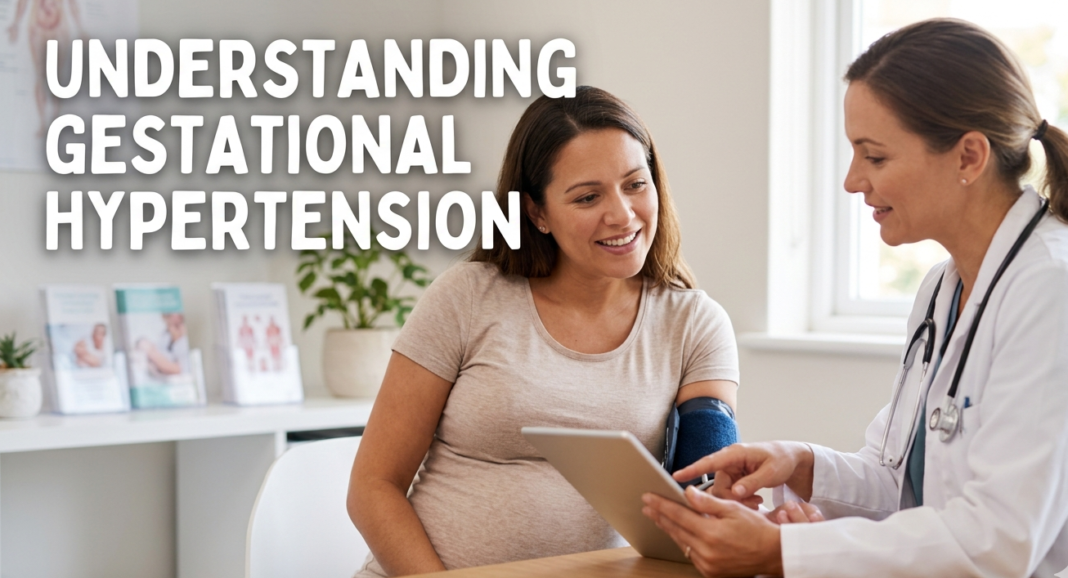
Monitoring and diagnosing gestational hypertension are critical components of prenatal care. Healthcare providers typically begin this process during routine check-ups, which usually occur monthly until the third trimester, after which visits become more frequent. During these appointments, blood pressure readings are taken as a standard procedure. A consistent elevation in blood pressure—generally defined as a reading of 140/90 mmHg or higher—is an initial indicator of gestational hypertension.
In addition to measuring blood pressure, healthcare providers may utilize other methods to ensure comprehensive evaluation of the mother’s health. These may include urine tests to detect the presence of protein, which can signal complications such as preeclampsia. If significant amounts of protein are found alongside elevated blood pressure, further examination is warranted.
To assess the overall well-being of both the mother and the fetus, healthcare providers may also conduct blood tests. These tests can help evaluate liver function, kidney function, and platelet levels, all of which are crucial in diagnosing potential complications of hypertension. Additionally, fetal monitoring techniques, such as ultrasounds, may be employed to track fetal growth and well-being, particularly if concerns arise regarding placental function or blood flow.
Effective communication between the patient and healthcare provider is essential in monitoring gestational hypertension. Women are encouraged to report any concerning symptoms, such as persistent headaches, visual disturbances, or sudden swelling, as these may indicate worsening hypertension. By maintaining a proactive approach and adhering to scheduled check-ups, expectant mothers can support their health and the health of their baby, while ensuring timely diagnosis and management of gestational hypertension.
Management and Treatment Options for Gestational Hypertension
Gestational hypertension requires careful management to ensure the health and safety of both the mother and the unborn child. Effective strategies are implemented based on the severity of the condition and associated symptoms. Initially, healthcare providers recommend regular monitoring of blood pressure and fetal wellbeing to track any changes in the mother’s condition.
Lifestyle modifications play a crucial role in the management of gestational hypertension. Pregnant individuals are often advised to maintain a balanced diet rich in fruits, vegetables, whole grains, and lean proteins while limiting sodium intake, as high salt consumption can exacerbate hypertension. Regular physical activity, as recommended by healthcare providers, is also encouraged, as it may help in regulating blood pressure levels and improving overall health. However, any exercise program should be tailored to individual needs and should not pose risks to the pregnancy.
In certain cases, medication may be necessary to manage blood pressure effectively. Healthcare professionals may prescribe antihypertensive medications deemed safe for use during pregnancy. It is essential to work closely with a healthcare team to determine the most appropriate medication, as some drugs can have adverse effects on fetal development. Regular consultations with healthcare practitioners ensure that the dosage is appropriately adjusted and that both mother and child are closely monitored for any side effects.
The role of healthcare professionals extends beyond prescribing medications. They provide crucial support and education to patients about gestational hypertension. This includes understanding the symptoms to watch for, such as severe headaches, visual disturbances, and swelling, which could indicate a worsening condition. Ongoing communication with medical personnel ensures timely intervention and promotes a healthier pregnancy overall.
Gestational hypertension is a condition that can arise during pregnancy, and it is crucial for pregnant individuals to be vigilant about their health. Understanding when to seek medical attention is vital to ensure the well-being of both the mother and the fetus. The warning signs may not always be immediately apparent, but certain symptoms can indicate the need for urgent care.
One of the primary symptoms to be aware of is severe headache, especially if it persists despite using over-the-counter pain relief. This type of headache can signal significant changes in blood pressure and may require immediate evaluation. Additionally, visual disturbances such as blurred vision, seeing spots, or sudden loss of vision can be alarming indicators of potential complications associated with gestational hypertension.
Elevated blood pressure readings are a key concern, particularly if they rise above the normal range. A reading of 140/90 mmHg or higher should prompt further investigation. Pregnant individuals should also monitor their symptoms for sudden swelling of the face, hands, or feet, as this can be a sign of fluid retention that warrants medical assessment.
Furthermore, a sudden onset of abdominal pain, especially in the upper right quadrant, may suggest a problem with liver function and necessitate an urgent check-up. It’s essential to remember that changes in fetal movements can also signal issues; if a decrease in fetal activity is noticeable, immediate medical attention should be sought.
In conclusion, recognizing the symptoms associated with gestational hypertension is essential. Pregnant individuals should not hesitate to contact their healthcare provider if they experience any concerning signs. Timely medical intervention can significantly improve outcomes and ensure the safety of both the mother and baby.
Conclusion and Resource Links
Understanding gestational hypertension is crucial for expectant mothers, as it plays a significant role in both maternal and fetal health. By being aware of the warning signs associated with this condition, mothers can seek timely medical intervention and help mitigate potential risks. High blood pressure during pregnancy can lead to complications such as preeclampsia, which could jeopardize the health of both mother and child if not managed appropriately. Therefore, it is imperative for pregnant individuals to monitor their health closely and communicate any concerns to their healthcare providers.
Beyond awareness, education on gestational hypertension’s symptoms and underlying factors can empower women to take proactive steps in ensuring a healthy pregnancy. Engaging with healthcare professionals for regular check-ups and understanding the interplay of risk factors associated with gestational hypertension further enhances this knowledge. It is not only beneficial for the immediate well-being of mothers but also promotes the healthy development of the baby

