A container leaves the port in Rotterdam. Three weeks later, it lands in São Paulo with two pallets short and a temperature log that reads like fiction. Someone has to explain that to the customer. Probably you. This is the quiet pain in modern freight logistics. You commit to a delivery window, sign a contract, and then watch the cargo go quiet for days between scans, which is precisely the gap a global shipment tracking system is meant to monitor. Recent industry data makes that feeling worse, not better.
Trucks alone accounted for around 70% of cargo theft incidents globally, and 22% of cases involved insider cooperation. Your driver, your dock worker, your warehouse hand. Maybe not. Probably not. But somebody’s, and a global shipment tracking system is what turns suspicion into evidence. It is not a luxury add-on. It is the thing standing between you and a six-figure write-off.
What a Tracking System Actually Does
At the core, you have a small device riding with the cargo and a piece of cloud software watching it. The device pings its location at set intervals. The software plots the route, monitors conditions like temperature and shock, and alerts you when something goes wrong.
Older setups relied on barcode scans and driver check-ins. You knew where the cargo was when someone bothered to scan it. The gaps between scans were where most of the trouble lived. Modern trackers close those gaps by reporting on their own, in near real time, across borders, networks, and transport modes.
That last word matters. Most cargo crosses more than one mode before it arrives. A pharmaceutical shipment might leave a factory by lorry, board a freighter, get craned onto a rail, and finish by van. Every handoff is a chance for something to go missing. A multimodal tracker rides the whole way.
Sea Freight: The Long Silence
Sea legs are usually the longest stretch of the journey and historically the darkest. Coverage at sea has always been patchy. Out in deep water, satellite-linked trackers take over from cellular networks and report less often, perhaps every few hours, to save battery.
What you get is a steady stream of position pings, plus condition data on temperature, humidity, and shock events. If a crane drops a container during loading, you know. If reefer settings drift outside range, you know. With sea piracy incidents rising 85% in the first half of 2025 to their highest level in nearly a decade, that silence at sea is no longer just about delays. It is about whether your cargo is still there at all.
Air Freight: Strict Rules, Strict Devices
Air freight is a different problem. Aviation regulators care about what goes on an aircraft, and tracking devices are no exception. Any tracker that flies has to be IATA-compliant and carry airline approval before it boards on the journey.
This is why you will see references to airline approvals across most serious tracker spec sheets. The device sleeps when rules require it, wakes during ground handling, and reports condition data throughout the journey. You learn whether the shipment cleared customs, sat on a tarmac for nine hours, or missed its connection. Often, before the forwarder does.
Rail: The Fastest-Growing Risk
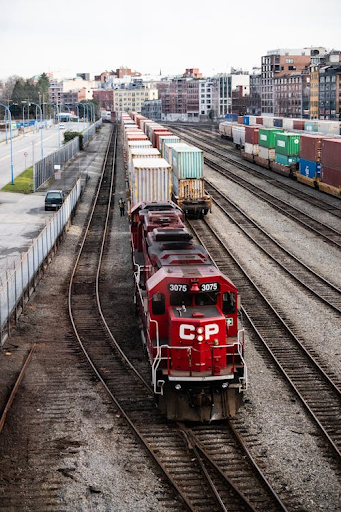
Rail used to feel safe. Cheap and predictable, mostly. That picture has shifted. Rail cargo theft in the US jumped from 4% of incidents in 2024 to 10% in 2025, driven by organised criminal groups carrying out coordinated attacks on freight trains across rural Arizona and California.
A global shipment tracking system adds a layer that the rail operator does not always provide. You see the train’s progress in near real time and get alerts if the container leaves a defined corridor or stops where it should not. Geofencing is the simple word for that. The cargo crosses an invisible line, and your phone lights up.
Road: Where Most of the Theft Happens
Road freight is where the numbers get ugly. Truck cargo theft in the US alone totalled approximately $725 million last year, a rise of nearly 60% year on year. European warehouses and lay-bys are not far behind. Most thefts happen at unsecured parking and during driver rest periods.
A tracker on the cargo, separate from the vehicle’s own GPS, gives you something the truck cannot. It keeps reporting after thieves detach the cab, swap the trailer, or move the load into a second vehicle. Shock and light sensors pick up forced entry. You get the alert early enough to act on it. Or at least early enough to support the claim later.
What You Actually Get
Fewer surprises. Cleaner insurance claims. Real evidence when a customer disputes a delivery condition. And, perhaps most quietly, a record that holds up when something goes wrong, and somebody wants to blame the driver, the port, or you.
That last point is what most freight managers really buy for, even if they describe it differently in the procurement form.

