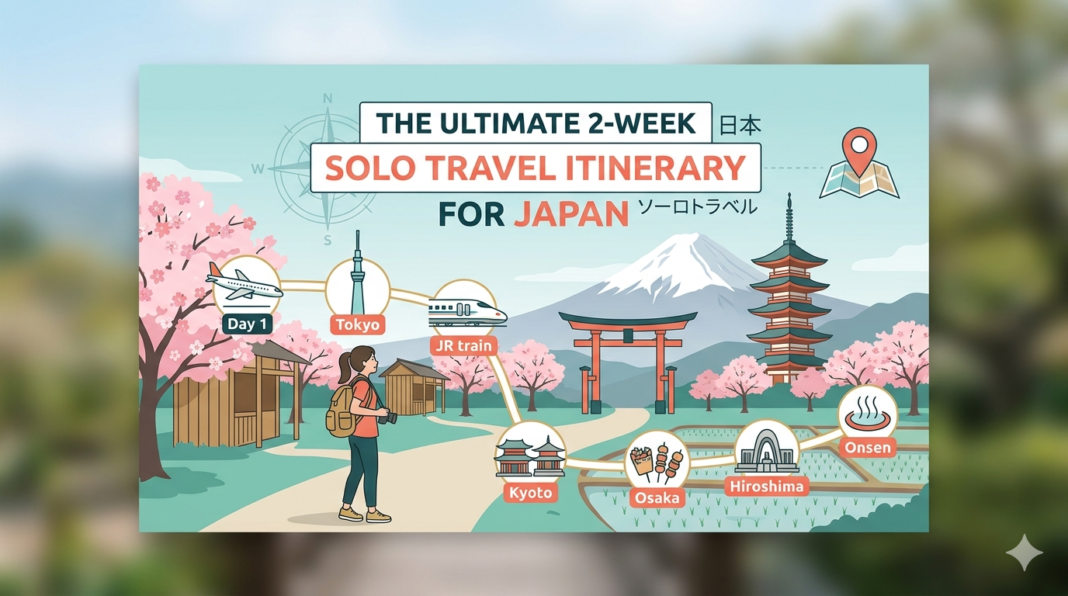
Introduction: Why Travel Solo in Japan?
In recent years, solo travel has gained significant popularity, particularly among those looking for unique experiences that foster personal growth and flexibility. Japan stands out as an ideal destination for this growing trend due to its rich culture, advanced infrastructure, and commendable safety record. Traveling alone in Japan opens up a world of opportunities, encouraging self-discovery and enabling travelers to create their own itineraries without compromises.
One of the key advantages of solo travel is the flexibility it offers. Individuals can choose their activities based on personal interests, be it exploring historical sites in Kyoto, enjoying the vibrant streets of Tokyo, or relaxing in an onsen in Hakone. This freedom allows for a more immersive experience, as travelers can curate their journeys in a way that resonates with their own passions and desires.
Moreover, Japan is renowned for its hospitality, often described as “omotenashi.” This cultural ethos of selfless service creates an inviting atmosphere for solo travelers, making them feel welcomed and at ease. Whether interacting with locals in quaint villages or engaging with the staff at hotels, solo travelers have ample opportunities to connect with others, thus enhancing their travel experiences.
The safety of Japan cannot be overstated; it is marked as one of the safest countries in the world for solo travelers. With low crime rates and a reliable public transportation system, solo exploration becomes not only feasible but also enjoyable. The structured nature of cities and the prevalence of English signage further eliminate the stress often associated with navigating foreign places alone.
Given its unique blend of tradition and modernity, legendary cuisine, and stunning landscapes, Japan is a spectacular destination for those considering solo travel. It is a country that encourages adventurers to step out of their comfort zones while providing the comfort of safety and community. Thus, embarking on a solo journey in Japan is not just a trip; it serves as a transformative experience.
Choosing Your Travel Dates and Budgeting
Selecting the right travel dates for your solo trip to Japan is crucial for ensuring an enjoyable experience. Consider seasonal variations, as Japan’s climate ranges from humid summers to cold winters. The spring months of March through May are particularly attractive due to the iconic cherry blossom season, drawing tourists from around the globe. In contrast, autumn, from September to November, offers stunning foliage and moderate temperatures, making it another popular period for visitors.
Local festivals can also influence your choice of dates. Each region boasts unique events, providing travelers with enriching cultural experiences. Notable celebrations include the Gion Matsuri in Kyoto during July, and the Sapporo Snow Festival in February. However, these occasions can lead to increased accommodation prices and larger crowds, so budgeting accordingly is essential.
Budgeting for your trip to Japan involves several key components including accommodation, meals, transportation, and activities. On average, daily expenses can vary widely based on travel style. Budget travelers may manage with around 7,000 to 10,000 JPY (approximately 65 to 95 USD) per day, utilizing hostels and affordable eateries. On the other hand, mid-range travelers might spend 15,000 to 25,000 JPY (140 to 230 USD) per day, enjoying a mix of hotels and restaurants.
Transportation should also be factored into your budget. Japan’s extensive rail system is efficient but can be costly without a Japan Rail Pass, which covers most train travel throughout the country. Lastly, allocate funds for attractions, as many cultural sites, temples, and museums may have entrance fees. Being mindful of your travel dates and carefully planning your budget will allow you to maximize your unforgettable journey through Japan.
Essential Preparations Before You Go
Before embarking on your solo travel adventure to Japan, there are several essential preparations that need to be made. Firstly, obtaining the correct visa is crucial. Depending on your nationality, you may need to apply for a tourist visa in advance. Ensure you check the specific requirements on the official Japanese government website or through your local Japanese embassy.
Travel insurance is another vital preparation. A comprehensive travel insurance policy can protect you from unforeseen circumstances such as medical emergencies, trip cancellations, or lost belongings. Not only does it provide peace of mind, but it is also a wise investment for your personal safety and financial security while you travel.
Vaccinations should also be evaluated. While there are no mandatory vaccinations to enter Japan, it is advised to be up to date on routine vaccines, such as measles, mumps, and rubella (MMR) as well as seasonal flu shots. Consulting with your healthcare provider will help you make informed decisions based on your health history.
Packing appropriately is a necessary part of your preparation. Japan experiences distinct seasons; therefore, your packing should reflect the climate during your travel period. Additionally, consider including versatile clothing that can suit a variety of cultural settings, as well as a good pair of walking shoes, given the extensive public transportation network and city exploration.
Moreover, familiarizing yourself with some basic Japanese phrases can greatly enhance your experience. Simple greetings, such as “Konnichiwa” (Hello) or “Arigatou gozaimasu” (Thank you), will be appreciated by locals, and will help you navigate daily interactions. Understanding cultural etiquette, such as proper behavior in temples and on public transport, is also beneficial in ensuring a respectful and enjoyable visit.
Week 1: Exploring Tokyo and Surroundings
The first week of a solo travel itinerary in Japan primarily revolves around Tokyo, a vibrant metropolis that beautifully blends traditional culture and modern architecture. It is advisable to start your journey in Shibuya, renowned for its bustling streets and iconic pedestrian crossing. While in Shibuya, visiting the Hachiko Statue is a must, symbolizing loyalty and the famous story of Hachiko the dog. Dining options abound, from casual izakayas to high-end sushi restaurants.
Next on the itinerary is Shinjuku, which is home to some of Tokyo’s most notable attractions. The towering skyscrapers offer breathtaking city views, especially when visiting the Tokyo Metropolitan Government Building’s observation deck. The Shinjuku Gyoen National Garden is also a serene place for a leisurely stroll amid cherry blossoms in the spring. For those looking to dive deeper into Japanese culture, consider visiting the Meiji Shrine, located near Harajuku. This Shinto shrine is surrounded by a lush forest and provides a peaceful escape from the city’s hustle and bustle.
As the week progresses, day trips to Nikko and Mount Fuji are highly recommended. Nikko, a UNESCO World Heritage site, is known for its ornate temples and stunning natural beauty. The journey from Tokyo takes approximately two hours by train, making it an accessible and worthwhile excursion. Meanwhile, a visit to Mount Fuji offers a unique experience with hiking opportunities and picturesque landscapes. For the journey to these destinations, utilizing Japan’s reliable and efficient rail system is recommended, particularly the Shinkansen for Mount Fuji, ensuring a smooth travel experience.
Dining solo in Tokyo can be a delightful experience, with countless establishments catering to individuals. From ramen shops with counter seating to conveyor-belt sushi restaurants, the culinary options are diverse and appealing. Engaging with locals through language apps or simply smiling can enhance the travel experience, making it an enriching solo adventure in Japan.
Week 2: Cultural Immersion in Kyoto and Osaka
The second week of your solo travel itinerary will immerse you in the rich cultural heritage and vibrant urban life of Kyoto and Osaka. Start your journey in Kyoto, a city renowned for its classical Buddhist temples, stunning gardens, and meticulously preserved historic districts. The Arashiyama Bamboo Grove is a must-see, offering a surreal walking experience amidst towering bamboo stalks that sway softly in the breeze. Nearby attractions include the iconic Tenryu-ji Temple and the scenic Togetsu-kyo Bridge, both of which showcase the beauty of Kyoto’s natural scenery.
Another highlight of Kyoto is the enchanting Gion district, where you can witness the traditions of geisha culture firsthand. Strolling through its narrow streets lined with wooden machiya houses provides a glimpse into Japan’s past. Don’t forget to visit some of the city’s famous tea houses, where you can indulge in an authentic tea ceremony, allowing you to appreciate the subtleties of Japanese matcha and the tranquility of this centuries-old ritual.
Transitioning to Osaka, the food capital of Japan, you will find a different yet equally captivating cultural experience. The Dotonbori district is famous for its bright neon lights and an abundance of street food stalls. Here, you can sample local delicacies such as takoyaki (octopus balls) and okonomiyaki (savory pancakes), which are essential to the Osaka culinary experience. As night falls, the vibrant atmosphere blooms further, offering a mix of entertainment from street performances to various nightlife options.
Getting around these cities can be convenient, thanks to well-connected public transportation systems. The Japan Rail Pass can be a valuable asset for traveling between Kyoto and Osaka, and local buses and subways will facilitate easy navigation. Engaging with locals will deepen your experience, so consider participating in workshops or guided tours that focus on traditional crafts or cuisine. Observing and appreciating the local culture will enhance your understanding of these remarkable cities and create lasting memories of your trip.
Solo Travel Tips for Japan
Traveling solo in Japan can be an enriching experience, offering a unique opportunity to explore the country’s vibrant culture and stunning landscapes at your own pace. To ensure a safe and enjoyable journey, consider several practical tips tailored specifically for solo travelers.
First and foremost, safety should be a priority. Japan is known for its low crime rates, but remaining vigilant is still important. Keep your belongings secure and avoid poorly lit areas at night. It’s advisable to carry only what you need for the day and have copies of important documents such as your passport and travel insurance. Familiarize yourself with local emergency numbers and always have a way to communicate with someone if necessary, such as a portable Wi-Fi device or a local SIM card.
Navigating Japan’s public transportation is another essential skill for solo travelers. The country boasts one of the world’s most efficient train systems, so understanding how to read timetables and maps is crucial. Many stations have English signage, and train apps like Hyperdia can be invaluable for planning your routes. Don’t hesitate to ask for help; locals are often eager to assist tourists, especially if you appear lost.
When it comes to dining alone, Japan offers countless options that cater well to solo diners. Ramen bars, conveyor belt sushi restaurants, and izakayas (Japanese pubs) are welcoming spots where you can enjoy a meal without feeling out of place. Additionally, don’t shy away from engaging with fellow diners—shared dining experiences can lead to meaningful interactions and exchange of travel stories.
To connect with other travelers or locals, consider using social media platforms like Facebook or Meetup. Many regions in Japan host events and gatherings that promote cultural exchange, offering a great way to meet like-minded individuals while enriching your travel experience.
Cultural Etiquette and Customs to Know
Traveling to Japan can be an enriching experience, deeply rooted in unique cultural practices and etiquette that every solo traveler should be aware of. Proper greetings and respect for the cultural norms play a significant role in enjoying a respectful interaction with the local community. As a general rule, the Japanese greet each other with a bow, which signifies respect. Although handshakes are not entirely uncommon, it’s advisable to follow local customs unless explicitly initiated by the Japanese counterpart.
Table manners in Japan are particularly important and reflect the values of respect and appreciation for food. When dining, it is customary to say “itadakimasu” before a meal and “gochisousama deshita” when finished. It is considered impolite to stick chopsticks upright in rice, as this resembles a funeral custom. Additionally, passing food directly from chopstick to chopstick is frowned upon, as it replicates another funeral ritual. Familiarity with these dining etiquette principles can greatly enhance a traveler’s culinary experience.
Public behavior is also closely observed in Japanese society. Silence is often considered a virtue, especially in public transportation. Speaking loudly on trains or buses can be disruptive and is generally avoided. Moreover, it is deemed respectful to wait for others to exit before boarding, displaying patience and courtesy. When visiting sacred spaces such as shrines and temples, it is imperative to adhere to rituals like cleansing the hands and mouth at the entrance, and to be quiet while exploring these tranquil places. Understanding these customs will not only help in navigating social contexts but also deepen one’s appreciation for the cultural richness of Japan. This awareness fosters respect for the traditions, making the journey more memorable.
Recommended Apps and Tools for Solo Travelers
When embarking on a solo trip to Japan, equipping yourself with the right tools and applications can significantly enhance your travel experience. Here are some essential apps that can help solo travelers navigate Japan efficiently.
One of the most crucial aspects of solo travel is navigation, and for this purpose, Google Maps is indispensable. This app provides accurate directions and can assist in public transportation planning, which is especially beneficial in Japan, where train systems can be intricate. Another useful navigation app is Citymapper, which offers comprehensive route guidance and public transport schedules tailored for various cities in Japan.
Language barriers can pose challenges when traveling alone, hence utilizing a translation tool is advisable. Google Translate offers a convenient solution, as it can translate written text, spoken phrases, and even images of signs or menus. For seamless communication, consider holding conversations with locals using the app’s conversation mode, enriching your travel experience.
Staying connected while traveling solo is vital for safety and communication. WhatsApp serves as a reliable messaging platform to keep in touch with family and friends. Additionally, apps like WiFi Map offer free Wi-Fi locations, enabling solo travelers to access the internet without incurring substantial roaming charges.
Budgeting is another critical element during solo travels. Using apps like Trail Wallet or TravelMapper helps keep track of expenses, ensuring that solo travelers remain within budget. Both apps allow users to log their spending and generate reports, offering clarity and preventing overspending.
Lastly, incorporating transportation apps, such as Japan Travel or Hyperdia, can enhance your experience by providing information on train schedules, routes, and ticket prices. These tools not only simplify planning but also empower solo travelers with confidence as they navigate Japan.
Conclusion: Reflecting on Your Solo Journey
Traveling solo can be an enriching experience that leads to profound personal growth. As you conclude your journey through Japan, it is important to take the time to reflect on the experiences you have encountered. Solo travel provides a unique opportunity to explore not only new places but also your own identity. The challenges faced and the solitude experienced can foster independence, resilience, and self-discovery.
Consider keeping a travel journal to document both significant moments and everyday encounters. Writing about your adventures allows for an introspective look into how each experience shaped your journey. You might find that recounting your experiences helps solidify memories and provides deeper insights into your thoughts and feelings while traveling alone. Incorporating personal reflections into your journal can enhance the value of your solo travel experience.
Additionally, compiling a photo album can serve as a tangible reminder of the beautiful sights and memorable occasions from your travels. Photographs evoke emotions and stories that bring back the essence of your adventure and can be shared with friends and family, allowing them a glimpse into your solo journey across Japan. Choosing meaningful pictures that resonate with your experiences will make your album more special and personal.
Ultimately, reflecting on your solo travel experience in Japan can offer clarity on your personal growth. It is an opportunity to assess what you have learned about yourself, the world, and your place within it. As you continue to travel and explore, the lessons drawn from your solo adventure will undoubtedly shape your future endeavors.

