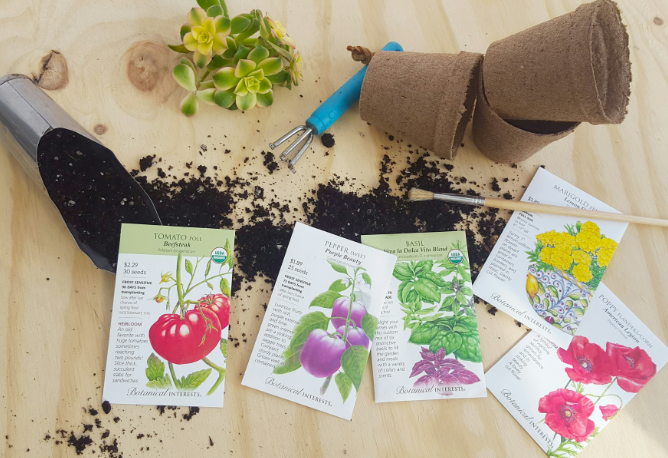
Understanding Your Gardening Zone
Gardening zones are specific geographical areas that reflect the climate of a region, particularly pertinent to plant hardiness. Each zone provides insight into the temperature range and conditions that various plants can tolerate. These zones are determined by various factors, including average minimum winter temperatures and seasonal climate patterns. Therefore, understanding your gardening zone is crucial for selecting the right plants that will flourish in your garden.
To begin with, it is essential to know your local climate conditions, as these directly influence plant selection. For instance, if you reside in a region characterized by hot summers and mild winters, you will want to choose plants that can withstand warmer conditions. Additionally, soil type plays a critical role in plant health. Different plants thrive in specific soil conditions, whether sandy, clay, or loamy. By understanding both the climate and soil in your gardening zone, you can make informed decisions when choosing plants.
Moreover, seasonal patterns are another aspect to consider when gardening. Knowing the length of your growing season will help you select plants that can mature within that timeframe. Some regions may have a short growing season, while others may experience longer periods of suitable weather for planting. Monitoring these factors can enhance your gardening experience and ensure optimal growth for the plants you select. In summary, understanding your gardening zone provides key information about the climate, soil type, and seasonal variations necessary for a successful garden. This foundational knowledge allows you to choose suitable plants, maximizes their growth potential, and ultimately leads to a thriving garden environment.
Choosing the Right Plants
For beginners venturing into gardening, selecting the right plants is a crucial first step that can significantly impact the gardening experience. It is essential to choose plants that are not only suitable for your specific environment but also easy to care for. Annuals, perennials, and some vegetables can be particularly beneficial for novice gardeners.
When choosing plants, it is vital to consider the amount of sunlight your garden receives. Most plants require full sun to thrive, which generally means at least six hours of direct sunlight each day. However, there are shade-tolerant plants available that can still flourish in less luminous conditions. Understanding your garden’s light exposure will help narrow down your options effectively.
Water needs are another pertinent factor to consider when selecting plants. Some species crave moisture and will require regular watering, whereas others are drought-resistant and can survive with minimal intervention. For beginners, it may be wise to opt for plants that are forgiving if watering schedules are not strictly adhered to, thus reducing maintenance stress.
Space requirements must also be factored into your decision-making process. Overcrowding can lead to health issues among plants, including competition for nutrients and sunlight. Therefore, it is crucial to be aware of the mature size of the plants you choose and to allow ample space for air circulation and growth. Many herb and vegetable options are also compact and suitable for small gardens or containers.
In summary, by selecting beginner-friendly plants based on sunlight, water requirements, and space, novice gardeners can establish a thriving garden that offers both enjoyment and satisfaction. Proper planning and thoughtful plant selection will pave the way for a successful gardening journey.
Soil Preparation and Testing
Soil health is a fundamental aspect of successful gardening. It serves as the foundation for plant growth, influencing everything from nutrient availability to moisture retention. Understanding the types of soil available and how to enhance their properties can significantly improve the chances of cultivating a thriving garden. There are several main types of soil: sandy, clay, loamy, and silty, each with its own characteristics. Sandy soil drains quickly but retains fewer nutrients, whereas clay soil retains water and nutrients but can become compacted. Loamy soil is often considered ideal due to its balanced texture, holding moisture while draining excess water effectively.
To ensure that your soil is suitable for your garden, conducting a soil test is crucial. A soil test analyzes pH levels and nutrient content, helping you determine what amendments are necessary for optimal growth. Most garden centers provide soil testing kits or services that allow you to easily assess pH levels and nutrient deficiencies. pH affects nutrient availability; most plants thrive in a pH range of 6.0 to 7.0. If your soil tests outside this range, modifying the pH is imperative.
Amending soil with organic matter is a simple yet effective technique to enhance fertility and structure. This can be done by incorporating compost, well-rotted manure, or other organic materials into the soil. Adding organic matter not only boosts nutrient content but also improves soil structure by promoting aeration and water retention. To implement this effectively, aim to mix organic matter into the top six inches of soil prior to planting. Regular upkeep of soil health through testing and amendment will lead to fruitful yields, ensuring that your gardening efforts yield the desired results.
Watering Techniques and Schedule
Effective watering is a cornerstone of successful gardening, particularly for beginners who may be unfamiliar with the nuances of plant care. Understanding the best practices for watering not only ensures healthy plant growth but also aids in conserving resources. The frequency and amount of water each plant requires can vary significantly based on factors such as species, season, and soil type. Generally, a good rule of thumb is to water plants deeply but infrequently, which encourages deeper root growth.
Manual watering allows gardeners to tailor their approach to meet specific plant needs. Utilizing a watering can or a hose with a spray nozzle can help control the flow and angle of water distribution. It is recommended to water early in the morning or late in the afternoon to minimize evaporation losses. Observing the soil’s moisture level is crucial; soil should be moist but not waterlogged, as overwatering can lead to root rot and other complications.
Alternatively, irrigation systems such as drip irrigation or soaker hoses provide a more efficient method of watering, particularly for larger gardens. These systems deliver water directly to the roots, significantly reducing wastage and ensuring that plants receive a consistent supply of moisture. However, it is essential to monitor the system regularly, as adjustments may be necessary during periods of heavy rainfall or drought.
Ultimately, understanding the specific water requirements of different plants is essential for any gardener. Strategies such as grouping plants with similar watering needs can simplify the process. Additionally, keeping the garden bed mulched helps retain soil moisture and reduces the frequency of watering. By applying these watering techniques and developing a consistent schedule, beginners can create a thriving garden that supports vibrant plant life.
Essential Gardening Tools for Beginners
For those embarking on the rewarding journey of gardening, having the right tools is essential for a successful experience. Every beginner gardener should invest in a few basic tools that will facilitate various gardening tasks. Among the most important is the trowel, a small hand tool used for digging, planting, and transplanting. When selecting a trowel, look for a model with a sturdy stainless steel blade and an ergonomic handle to reduce hand strain during extended use.
Another critical tool is a pair of pruners, which are essential for maintaining healthy plants by allowing you to trim away dead or excessive growth. Choose pruners that fit comfortably in your hand and offer a sharp, durable blade. Look for a bypass pruner for clean cuts, ensuring minimal damage to your plants.
A watering can is also vital for any beginner gardener. It enables precise watering of plants, especially seedlings, which require gentle treatment. Opt for a can with a removable spout that allows you to control the flow of water easily. For larger gardens, consider a hose with a spray nozzle as an alternative, allowing you to cover more ground efficiently.
In terms of maintaining these tools, regular cleaning is important to prevent rust and ensure longevity. After each use, it is beneficial to wipe down surfaces and store them in a dry location. Additionally, sharpening blades on pruners and trowels can improve their performance, so consider investing in a sharpening stone or tool if you would like your gardening tools to last through many seasons.
Pest Control and Management
Pest control and management are essential aspects of gardening, particularly for beginners who may not be familiar with the potential threats to their plants. Common garden pests include aphids, spider mites, and whiteflies, which can significantly damage foliage and hinder plant growth. Additionally, diseases such as powdery mildew and root rot can also pose serious problems. As such, it is crucial for new gardeners to educate themselves about these common pests and diseases in order to implement effective strategies for management.
Organic pest control methods are highly recommended, especially for those who wish to maintain an eco-friendly garden. Introducing beneficial insects like ladybugs and lacewings, which prey on aphids and other harmful pests, is one natural approach. Moreover, using companion planting can deter pests; for instance, marigolds are often planted alongside vegetables to repel nematodes and other garden nuisances. Homemade sprays, using ingredients like garlic or soap, can also help in reducing pest populations without harming the environment.
While organic methods are preferred, there are situations where chemical control may be necessary. In such cases, it is vital to select products that are specific to the pest and minimize harm to beneficial insects. Always adhere to the recommended application rates and timing to ensure effectiveness while safeguarding the garden’s ecosystem.
Preventative measures play a crucial role in pest management. Regularly monitoring plants for early signs of trouble can help gardeners identify and address issues before they escalate. Establishing a routine inspection schedule, particularly in the spring when pests are most active, can lead to early detection of infestations. By incorporating these practices, beginner gardeners can foster a healthy environment where plants thrive and are less susceptible to pests and diseases.
Mulching and Weed Control
Mulching is a crucial practice in gardening that offers multiple benefits, including moisture retention and weed suppression. By applying a layer of organic or inorganic material on the soil surface, gardeners can significantly enhance the health of their plants. One of the key advantages of mulching is its ability to retain soil moisture. This is particularly beneficial during hot and dry periods, as the mulch acts as a barrier, reducing evaporation and helping to keep the root zone adequately hydrated. Organic mulches, such as straw, wood chips, or shredded leaves, not only conserve moisture but also improve the soil quality over time as they break down and add nutrients.
Another important function of mulch is weed control. A thick layer of mulch can effectively block sunlight from reaching weed seeds, reducing their chance to germinate and grow. This natural weed suppression means less time spent manually removing unwanted plants, allowing gardeners to focus on nurturing their desired crops. To maximize the effectiveness of weed control through mulching, a depth of 2 to 4 inches is generally recommended. However, it is crucial to ensure that the mulch is applied evenly and not too thickly, as excessive layering can lead to moisture retention around the base of plants and promote rot.
In addition to mulching, incorporating regular weeding practices is essential for maintaining a healthy garden. Hand-pulling weeds regularly, especially before they have a chance to seed, can dramatically decrease their populations. Another effective method of weed control is the use of landscape fabric or biodegradable weed barriers, which can be placed beneath mulch to provide an additional layer of protection. Together, effective mulching and timely weed control will result in a flourishing garden environment that supports healthy plant growth.
Garden Maintenance and Care
Proper garden maintenance and care are essential for cultivating a thriving garden. For beginners, establishing a routine can significantly enhance plant health and garden aesthetics. Key tasks such as pruning, fertilizing, and crop rotation should be prioritized throughout the growing season.
Pruning is vital for encouraging healthy growth and ensuring plants maintain their desired shape. Regularly removing dead or overgrown branches allows better air circulation and sunlight penetration, which can prevent diseases and promote flowering. Depending on the plant species, pruning should typically occur during the dormant season or just after flowering.
Fertilizing is another crucial maintenance task. As plants absorb nutrients from the soil, it’s essential to replenish these nutrients to support their growth. Beginners can opt for organic fertilizers, which are often safer and more environmentally friendly. It’s advisable to start with a balanced fertilizer formulated for the specific types of plants in the garden. A simple schedule can be applied, typically fertilizing every four to six weeks during the growing season.
Crop rotation is a technique used primarily in vegetable gardening to enhance soil health and optimize yields. By rotating where plants are grown yearly, gardeners can minimize soil nutrient depletion and reduce pest problems. This practice involves grouping plants by family and spacing them out to allow soil recovery for heavy feeders.
To summarize, establishing a consistent maintenance schedule with a focus on pruning, fertilizing, and crop rotation will greatly benefit novice gardeners. It not only fosters a healthy environment for plants but also provides an opportunity for learning and enjoyment throughout the gardening process.
Enjoying Your Gardening Experience
Gardening can be a profoundly rewarding and fulfilling pursuit, offering not only the pleasure of watching plants grow but also a sense of achievement as you nurture them from seedlings to maturity. For beginners, it is essential to embrace the joy of gardening by acknowledging every small milestone reached along the way. Each new leaf or flower that blooms serves as a testament to your efforts and commitment to cultivating a thriving garden.
One of the best ways to appreciate this journey is through documenting your progress. Consider keeping a gardening journal where you can record significant events such as planting dates, growth observations, and even challenges faced along the way. Taking photographs of your plants at various stages can also help you visualize their development and celebrate the beauty of your evolving garden. By reflecting on these moments, you will not only gain a deeper appreciation for your work but also track your improvement over time.
Engaging with local gardening communities can further enhance your gardening experience. These communities, whether online or in-person, provide a wonderful support network where you can exchange tips and ideas with fellow gardening enthusiasts. Participating in local gardening clubs or attending workshops can deepen your understanding of horticulture while also creating opportunities to make new friends who share your passion. By collaborating and sharing experiences with others, you will feel more motivated and inspired to continue your gardening journey.
Ultimately, enjoying your gardening experience goes beyond simply cultivating plants. It involves celebrating your progress, documenting your journey, and forming connections with others who appreciate this rewarding hobby. Embracing the joys of your gardening endeavors will enrich your experience, making it one of personal growth and community involvement.

