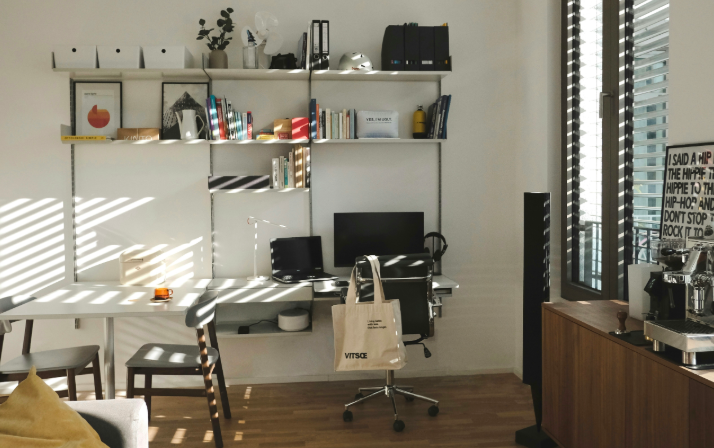
Introduction to Home Organization
Home organization is a crucial aspect of maintaining a functional and serene living environment. A well-organized home not only facilitates a smoother daily routine but also significantly impacts one’s mental well-being. The concept revolves around systematically arranging spaces, reducing clutter, and implementing strategies that promote efficiency in various areas of the home.
One of the key benefits of home organization is the improvement of mental clarity. A cluttered space can lead to feelings of anxiety and overwhelm, making it difficult to focus on tasks. By creating designated areas for belongings and adopting a minimalist approach, homeowners can cultivate a sense of calm. This enhanced tranquility ultimately fosters a more productive atmosphere, allowing individuals to dedicate their energy towards important tasks and activities.
Moreover, an organized home saves time that is often wasted searching for misplaced items. By establishing a structured system for storage and organization, household members can quickly locate what they need, thus streamlining essential activities. This increased efficiency can translate into significant time savings throughout the day, allowing individuals to allocate their time towards hobbies, family interactions, or personal development.
In addition to improving focus and saving time, a well-organized home enhances overall productivity. When living spaces are tidy and arranged thoughtfully, it becomes easier to maintain motivation for tasks such as cleaning, cooking, or working from home. A sense of order can inspire creativity and encourage individuals to take on new projects or responsibilities, all while creating a pleasant living environment.
In essence, embracing home organization is a transformative step toward creating a peaceful and efficient living space. By recognizing its significance and benefits, individuals can make informed decisions to cultivate an organized home that supports their lifestyle and enhances their well-being.
Assessing Your Current Space
To effectively organize your home, start with a thorough assessment of your current living space. Recognizing the areas where clutter accumulates and understanding how different spaces are utilized is vital. Begin by walking through each room and identifying clutter hotspots—these are regions that seem overwhelming and chaotic, often accumulating miscellaneous items that do not belong. Common examples include surfaces such as countertops, tables, and floors where items gather over time.
It is also essential to evaluate how these spaces are employed versus their intended functionalities. For instance, a dining room serving as a makeshift storage area or a guest room filled with boxes can detract from the overall usability of your home. Take inventory of each area, observing whether spaces are truly serving their purpose or if adjustments need to be made. In particular, consider whether furniture arrangement optimizes the flow and function of each room. A clutter-free area brings about greater efficiency and comfort.
Next, check for unused items. This can be achieved through a systematic approach; remove items from cabinets, drawers, and closets. Identify those that you no longer use or that have become redundant in your daily life. A helpful tactic is to sort items into categories: keep, donate, or discard. By doing this, you will not only declutter your space but also gain insights into what you actually need within your home. This assessment enables you to prioritize what to keep and what can be eliminated, paving the way for a more organized and functional living environment.
Developing a Plan of Action
Organizing your home efficiently begins with a well-crafted plan of action. The first step in this process is to set realistic and achievable goals. Evaluate your living space and determine the areas that require the most attention. For instance, identify which rooms are most cluttered and need immediate focus. Setting clear objectives not only provides direction but also fosters motivation as you track your progress.
Prioritizing tasks is essential when undertaking home organization. Start by breaking down larger projects into smaller, manageable tasks. Consider using a checklist to outline each area that needs organizing, and rank them based on urgency or the time required to complete them. This can prevent feelings of overwhelm, as tackling smaller sections often leads to a greater sense of achievement and momentum. For example, you might choose to start with a single drawer before moving on to an entire closet.
Once you have established your goals and priorities, outline the steps needed to tackle clutter effectively. Taking a systematic approach is vital; for instance, gather any supplies you may need, such as bins, labels, and trash bags, before you begin the organization. As you work through each area, consider sorting items into specific categories: keep, donate, discard, or relocate. This strategy not only aids in decluttering but also simplifies the organization process, making it easier to find storage solutions that suit your needs.
By adhering to a structured plan and remaining flexible as required, the organization of your home can become a more manageable and successful endeavor. Taking the time to develop a solid plan will increase your likelihood of maintaining a tidy and efficient living space.
Decluttering: The First Step to Organization
Decluttering is a crucial initial step in the process of organizing your home efficiently. It involves evaluating the various items within your space and making decisions about what to keep, donate, or discard. This step not only helps in creating a more organized environment but also assists in alleviating feelings of stress and overwhelm associated with clutter.
To begin the decluttering process, it is advisable to approach one room or area at a time. Start by removing all items from their current location, allowing for a comprehensive assessment. Utilize a categorization system, where items can be sorted into three distinct piles: keep, donate, and discard. The keep pile should only contain items that are necessary or hold significant personal value. The donate pile can include items that are in good condition but no longer serve a purpose for you. Lastly, the discard pile should consist of items that are broken, expired, or otherwise unusable.
Facing emotional attachments can often complicate the decluttering process. It is beneficial to ask yourself some critical questions regarding each item. Consider whether it serves a practical purpose, if it sparks joy, or if it can be easily replaced. These questions can help to detach emotional bonds from material possessions. Furthermore, involving a trusted friend or family member in this process can provide an objective perspective, reducing the tendency to hold onto items unnecessarily.
After completing your initial decluttering session, it may be helpful to implement a one-in, one-out policy moving forward. This strategy ensures that for every new item brought into your home, an existing item is either donated or discarded. Ultimately, decluttering is not just about making space; it is about making room for what truly matters, allowing for a more organized and serene living environment.
Organizing Techniques and Best Practices
Efficient organization of your home can dramatically enhance functionality and serenity in your living space. One widely recognized approach is the Marie Kondo method, which encourages individuals to keep only those items that “spark joy.” This technique invites decluttering, prompting a judicious assessment of possessions. By categorizing belongings into keep, donate, or discard piles, one can significantly reduce clutter and create a harmonious environment.
Using appropriate organizing tools is essential for maintaining order. Storage bins, for instance, are invaluable in managing loose items and optimizing space utilization. Clear containers facilitate visibility, allowing for quick identification of contents, whereas labeled bins can streamline retrieval processes. This level of organization minimizes the time spent searching for items, ultimately elevating efficiency across various tasks.
Another effective technique is the categorization of items by their use and frequency. For instance, daily-use items such as kitchen utensils should be easily accessible, while seasonal decorations can be stored in less accessible areas. Implementing vertical storage solutions, such as shelving or wall-mounted racks, can also maximize space and accommodate a greater number of items without overwhelming a room.
Additionally, establishing routines for maintaining organized spaces is crucial. Regularly reviewing and assessing the organization systems helps identify which areas need attention. Integrating daily habits, like returning items to their designated spots or promptly addressing clutter as it arises, fosters a consistently tidy environment. By combining a range of organizing techniques and appropriate tools, one can cultivate a home that is not only organized but also promotes productivity and peace of mind.
Creating Functional Spaces
Creating functional spaces within your home requires thoughtful planning and a clear understanding of your daily activities and needs. The first step involves assessing how each room is utilized and identifying distinct zones for various activities. For example, in a living room, you might have a seating area for relaxation, a reading nook, and a workspace. Strategically positioning furniture to define these areas can enhance both aesthetics and functionality.
Furniture arrangement plays a vital role in establishing these functional spaces. Aim to create an open flow that promotes easy movement between zones while ensuring that no space feels cramped. Utilize furniture layouts that encourage interaction, such as facing sofas toward each other, which can create a more inviting atmosphere for gatherings. Additionally, consider multifunctional furniture pieces, such as ottomans with storage or foldable desks, that can adapt to your changing needs over time.
Accessibility of frequently used items is another crucial factor in functional space creation. Keep essential items within reach and organized in designated areas. Use baskets, shelves, and drawers to categorize items based on their usage frequency. For instance, in the kitchen, frequently used utensils and appliances should be easily accessible, while seldom-used items can be stored in less accessible locations, such as higher cabinets. This organization minimizes clutter and maximizes efficiency.
Lastly, ensure that your functional spaces reflect your personal style. Incorporating elements such as color, decor, and texture can enhance the inviting nature of your spaces while still maintaining their practical use. Personal touches can transform a stark environment into a warm, welcoming home, blending functionality with comfort seamlessly.
Maintaining Your Organized Home
Maintaining an organized home is not just about the initial effort of decluttering and organizing; it requires ongoing commitment and strategies to keep spaces tidy over time. By developing daily routines, conducting regular decluttering sessions, and implementing effective management of new items, you can foster an environment that remains orderly and functional.
Establishing daily routines is a crucial first step in maintaining your organized home. A few minutes each day dedicated to tidying up can significantly reduce clutter buildup. For instance, making it a habit to do a quick clean-up after each meal, putting items back in their designated spots, and taking just five minutes each evening to organize personal belongings can help keep your space in check. These short yet consistent efforts are often more manageable than extensive clean-ups.
Regular decluttering sessions are another essential component of home organization maintenance. Setting aside time weekly or monthly to evaluate your belongings ensures you stay on top of what you own. During these sessions, ask yourself whether each item is still necessary, loved, or used regularly. If not, consider donating or discarding it. This evaluation process helps prevent accumulation, ensuring that your organized home does not become overwhelmed again.
Finally, managing new items entering your home is vital for ongoing organization. Whenever you bring in a new object, follow the one-in-one-out rule, which suggests that for every new item acquired, an existing item should be removed. Additionally, implementing designated spaces for new purchases can streamline the process and help limit unnecessary clutter. By being intentional about new items and practicing both daily upkeep and regular purges, you can maintain a consistently organized home throughout the years.
Incorporating Technology for Organization
In today’s fast-paced world, technology has become an integral part of our everyday lives, providing effective solutions for enhancing home organization. With a multitude of digital tools available, categorizing and maintaining order in one’s living space can be streamlined significantly. Applications designed specifically for home organization can assist individuals in tracking inventory, managing tasks, and prioritizing responsibilities.
For instance, inventory management apps allow homeowners to keep a comprehensive list of items, helping to avoid unnecessary purchases and ensuring that essentials are always stocked. These applications can even provide reminders for restocking or expired items, thus reducing waste and saving money. Additionally, utilizing tools like digital to-do lists can aid in organizing daily tasks, making it easier to focus on what needs attention. By prioritizing tasks and setting deadlines, users can enhance their productivity in their day-to-day responsibilities.
Moreover, smart home technologies are revolutionizing the organization process. Smart assistants equipped with voice recognition capabilities can help streamline daily chores through effective scheduling. Connecting these devices to various home systems can also simplify routines; for example, synchronizing lighting and temperature with daily schedules can reduce clutter and enhance overall efficiency. Furthermore, automation tools can manage household tasks such as grocery shopping and cleaning, allowing homeowners to dedicate their time to other essential activities.
In summary, incorporating technology into home organization not only simplifies everyday tasks but also fosters a more efficient and orderly living environment. Adopting these modern solutions facilitates better time management and concentration on priorities, ultimately leading to a well-organized home that enhances quality of life.
Conclusion and Final Tips
In reviewing the various strategies discussed throughout this article, we can highlight the importance of establishing a clear organization system tailored to individual needs. By prioritizing decluttering, utilizing storage solutions effectively, and maintaining consistent habits, you can create a more functional living space. Furthermore, employing the use of bins, labels, and designated areas for all items can significantly streamline your home’s organization.
Furthermore, sustaining your organizational efforts requires a commitment to regular maintenance. Designate specific times for tidying up, whether it be a daily quick clean or a more thorough weekly check-in. This consistency not only prevents clutter from accumulating but also reinforces a habit of organization that becomes second nature over time.
Motivation can sometimes wane during the organization journey, so it is vital to establish a reward system. Acknowledge your efforts, no matter how small, and celebrate the milestones. Whether it is treating yourself to a small indulgence after a successful decluttering session or sharing your progress with friends, positive reinforcement can be a powerful tool.
Lastly, consider that organizing your home is an ongoing journey, not a one-time task. As your needs evolve, so should your organization systems. Employing flexibility allows you to adapt to changes in lifestyle, family dynamics, or personal preferences, ensuring that your home remains a sanctuary of order and efficiency.
By integrating these final tips into your organization routine, you position yourself for lasting success. A well-organized home not only enhances your living environment but also contributes positively to your mental wellness and productivity. Embrace the challenge and enjoy the transformation of your space for years to come.

