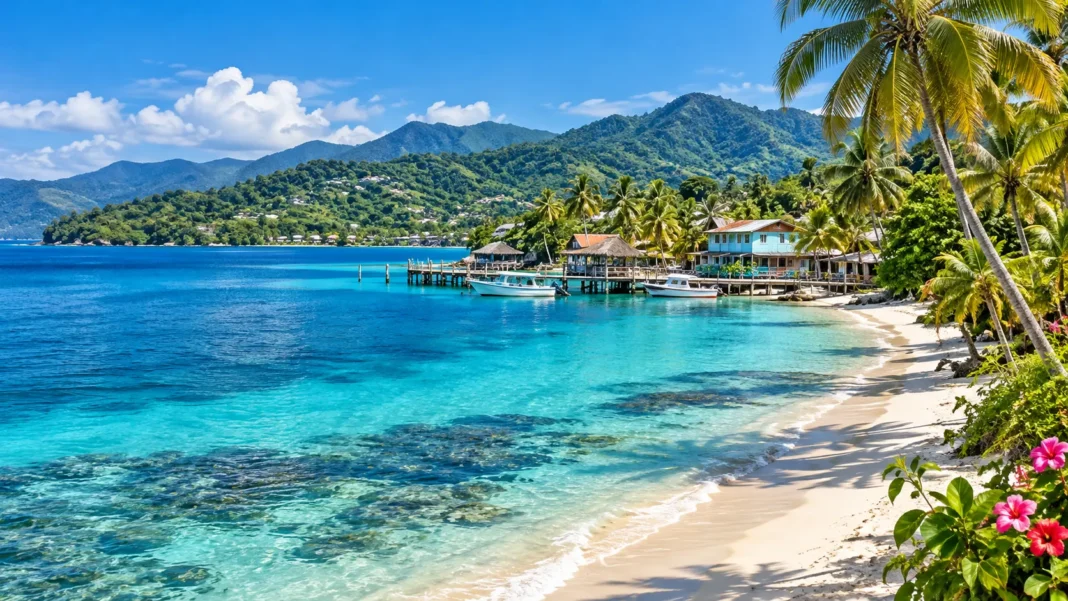
Honduras is a beautiful Central American destination known for its tropical beaches, lush rainforests, ancient Maya ruins, and fascinating cultural traditions. From the Caribbean islands of Roatán and Utila to the historic ruins of Copán, the country offers diverse travel experiences. However, choosing the best time to visit Honduras can make a significant difference to your holiday. Weather conditions, rainfall, and regional climates all influence the ideal travel season.
Honduras generally experiences warm temperatures throughout the year, but rainfall patterns vary considerably between regions. The mainland has relatively distinct dry and rainy seasons, while the Caribbean coast often follows a different weather pattern. Some months are better suited to hiking and sightseeing, while others provide favorable conditions for diving and snorkeling. Understanding these seasonal differences helps travelers plan more comfortable and enjoyable trips.
Whether you want to explore beautiful beaches, discover historical landmarks, or enjoy outdoor adventures, timing matters. Travel expenses and accommodation availability also change throughout the year, particularly during major holidays. Choosing suitable months can help balance weather, budget, and sightseeing opportunities. This guide explains Honduras weather by season, the best months for different activities, and practical travel tips.
When Is the Best Time to Visit Honduras?
The best time to visit Honduras for most mainland sightseeing is generally between December and April. These months fall within the drier season across much of the country’s interior, making outdoor activities more convenient. Travelers can explore archaeological attractions, historical towns, and mountain landscapes with fewer rainfall interruptions. However, coastal weather patterns can differ from inland conditions.
February and March are particularly attractive for visitors planning to combine mainland attractions with Caribbean island experiences. These months frequently provide favorable conditions for exploring Copán and enjoying beaches around Roatán. Warm daytime temperatures create comfortable opportunities for sightseeing and coastal activities. Nevertheless, tropical rainfall remains possible even during relatively dry periods.
Travelers seeking fewer crowds may prefer selected shoulder-season months, such as May or early June. Accommodation demand can be lower outside major holidays, although rainfall becomes more frequent in parts of the mainland. The best travel period ultimately depends on your chosen destinations. Understanding regional conditions helps you select dates that match your preferred activities.
Understanding Honduras Weather and Climate
Honduras has a tropical climate influenced by elevation, geography, and its proximity to the Caribbean Sea and Pacific Ocean. Coastal regions generally experience warm temperatures and relatively high humidity throughout the year. Mountainous areas can be noticeably cooler, especially during evenings and early mornings. These differences create several distinct travel environments within the same country.
The central and western highlands usually experience a drier period from approximately November or December through April. Rainfall becomes more frequent between May and October, although seasonal timing varies. Afternoon showers are common during wetter months. Travelers exploring inland destinations should prepare for changing conditions rather than expecting identical weather throughout the country.
The Caribbean coast and Bay Islands have different rainfall patterns from the mainland. Areas such as Roatán, Tela, and La Ceiba may experience substantial rainfall during autumn and early winter. Coastal temperatures generally remain warm, but storms can affect marine activities and transportation. Understanding these regional variations is essential when planning a trip that includes multiple Honduran destinations.
Visiting Honduras During the Dry Season
The dry season is a popular period for visiting mainland Honduras because rainfall is generally lower and outdoor conditions are more predictable. From approximately December through April, many inland destinations experience sunny days and comfortable sightseeing opportunities. Travelers can explore traditional towns, archaeological sites, and mountain landscapes. Dry conditions also make some rural roads and walking routes easier to navigate.
Copán Ruinas is particularly appealing during this period because visitors can explore the famous Maya archaeological site with fewer weather-related interruptions. The surrounding area also offers cultural attractions and beautiful countryside. Cities such as Tegucigalpa and Comayagua provide opportunities to discover historical architecture. Cooler highland evenings can make light layers useful even during the dry season.
Although dry-season travel offers several advantages, it can also bring higher visitor demand. Christmas, New Year, and Easter holidays are particularly busy in many popular destinations. Accommodation prices may increase, and transportation services can become crowded. Booking important arrangements ahead of major holidays helps reduce unnecessary complications during an otherwise enjoyable journey.
Visiting Honduras During the Rainy Season
The rainy season affects much of mainland Honduras between May and November, although conditions vary by region. Rainfall often arrives during afternoon or evening showers rather than continuing throughout every day. The countryside becomes greener as vegetation responds to seasonal moisture. Travelers interested in tropical landscapes may appreciate this transformation despite the less predictable weather.
Rainy-season travel can provide opportunities to explore quieter destinations and enjoy lush mountain scenery. However, heavy rainfall may affect hiking routes, road conditions, and access to remote attractions. Flooding and landslides are possible during severe weather. Visitors should remain flexible and avoid outdoor excursions when official warnings indicate unsafe conditions.
The Caribbean coast does not always follow the same rainy-season schedule as the interior. Some northern coastal destinations receive heavier rainfall during October, November, and December. This can affect snorkeling visibility and boat transportation. Travelers should evaluate the specific weather pattern of each destination rather than treating Honduras as having one uniform rainy season.
Best Time to Visit Roatán and the Bay Islands
Roatán is one of Honduras’s most popular travel destinations, famous for its turquoise water, coral reefs, and beautiful beaches. The island attracts visitors interested in snorkeling, diving, and coastal relaxation. February through May often provides particularly favorable conditions for marine activities. However, weather and sea conditions can vary considerably between individual days.
West Bay Beach is one of Roatán’s best-known attractions, featuring soft sand and attractive Caribbean scenery. West End offers restaurants, accommodation, and convenient access to coastal activities. Visitors can also explore local communities and natural attractions across the island. Choosing a period with calmer seas can make boat excursions and snorkeling experiences more comfortable.
Utila is another popular Bay Island known for its marine environment and laid-back atmosphere. Diving activities operate during much of the year, although visibility and sea conditions change seasonally. Whale sharks are occasionally observed in surrounding waters, but sightings are never guaranteed. Travelers should use responsible wildlife operators and avoid activities that disturb sensitive marine ecosystems.
Best Time to Explore Copán Ruins
Copán is one of the most important archaeological destinations in Central America and a major attraction in western Honduras. The ancient Maya city is famous for its intricately carved stone monuments, impressive stairways, and historical significance. Visiting during the drier months can make walking around the archaeological complex more comfortable. February and March are particularly appealing for many travelers.
The site features remarkable sculptures, ceremonial structures, and archaeological remains that reveal aspects of Maya civilization. Visitors can explore designated pathways while learning about the city’s cultural and historical importance. The surrounding town of Copán Ruinas offers traditional architecture, restaurants, and accommodation. Allowing enough time helps travelers appreciate the destination beyond its most recognizable landmarks.
Temperatures in western Honduras can vary between warm afternoons and cooler evenings. Lightweight clothing is useful during sightseeing, while an additional layer may provide comfort after sunset. Rainfall can occur during any season, although wetter months bring more frequent showers. Comfortable walking shoes and sun protection are practical essentials for exploring the archaeological site.
Honduras Weather in January and February
January can be a pleasant month for exploring many inland Honduran destinations. Highland areas often experience relatively dry conditions and cooler evenings, creating comfortable opportunities for sightseeing. Coastal destinations may still receive occasional rainfall from Caribbean weather systems. Travelers should consider these regional differences when combining mountain attractions with beach holidays.
February is often one of the most favorable months for visiting Honduras. Many inland areas experience limited rainfall, while marine conditions around the Bay Islands can be suitable for diving and snorkeling. Visitors can explore Maya ruins, colonial towns, and natural landscapes. The combination of comfortable weather and varied attractions makes February particularly appealing.
Both months fall within the main tourist season for several popular destinations. Accommodation demand can increase in areas attracting international visitors, especially around holiday periods. However, some inland towns remain relatively peaceful outside major festivals. Checking local events and transportation arrangements helps travelers create a comfortable itinerary with fewer unexpected complications.
Honduras Weather in March and April
March is an excellent month for travelers seeking warm weather and relatively dry mainland conditions. Many destinations experience plenty of sunshine, making outdoor sightseeing enjoyable. The Bay Islands can also offer favorable opportunities for snorkeling and coastal activities. However, temperatures may begin increasing in lower-elevation areas as the dry season progresses.
April often brings some of the year’s hottest conditions to parts of mainland Honduras. Visitors exploring archaeological sites or inland towns may prefer morning sightseeing to avoid intense afternoon heat. The beaches of Roatán remain attractive, although occasional weather changes can occur. Drinking adequate water and planning regular breaks can make outdoor activities more comfortable.
Easter celebrations, known as Semana Santa, are especially important in Honduras. Many local residents travel during this holiday period, creating increased demand for beaches, hotels, and transportation. Traditional religious processions and cultural events also take place in several communities. Travelers visiting during Easter should expect busier destinations and arrange essential accommodation in advance.
Honduras Weather in May and June
May marks the transition toward wetter conditions across much of mainland Honduras. Afternoon showers become more frequent, particularly in inland and mountainous areas. Despite the changing weather, temperatures generally remain warm. Visitors may still experience sunny mornings suitable for exploring towns, cultural attractions, and accessible natural landscapes.
June typically brings additional rainfall to several mainland regions, although coastal conditions can differ. The countryside becomes increasingly green, creating attractive scenery for nature photography. Travelers interested in waterfalls and tropical vegetation may appreciate this period. However, heavy showers can make certain hiking trails slippery and affect rural transportation routes.
May and June may offer lower accommodation demand compared with major holiday periods. This can make them attractive for visitors seeking a quieter travel experience. Nevertheless, the Atlantic hurricane season begins in June, introducing additional weather considerations for coastal travel. Flexible bookings and regular forecast checks become increasingly valuable during this period.
Honduras Weather in July and August
July and August are warm months across much of Honduras, with seasonal rainfall affecting many inland destinations. Some regions experience a temporary reduction in rainfall during part of the summer, sometimes called the canícula. However, its timing and intensity vary considerably. Travelers should not assume that every destination will experience consistently dry conditions.
The Bay Islands can offer attractive marine conditions during portions of summer, particularly when winds and waves remain moderate. Diving and snorkeling are popular activities, but daily visibility depends on local weather. Inland areas may experience intermittent heavy showers. Planning outdoor activities with flexibility helps visitors respond to changing conditions.
August can also bring increased domestic travel during certain holiday periods. Popular accommodation areas may become busy despite the wetter mainland season. Travelers exploring multiple regions should allow extra time for transportation and possible delays. Choosing activities according to daily weather conditions can make summer visits more enjoyable and manageable.
Honduras Weather in September and October
September is part of the wetter period in many mainland regions of Honduras. Rainfall can become intense, creating challenges for outdoor sightseeing and rural transportation. Tropical weather systems may also influence coastal conditions. Travelers should pay particular attention to weather warnings when planning visits to mountainous or flood-prone destinations.
October often brings substantial rainfall to the Caribbean coast and Bay Islands. Heavy showers, changing sea conditions, and occasional storms can affect beach activities and boat services. Underwater visibility may also become less predictable. Visitors interested primarily in snorkeling or diving may prefer months with more favorable historical conditions.
Both September and October fall within the Atlantic hurricane season, which creates additional uncertainty for travel planning. Direct hurricane impacts do not occur every year, but tropical storms and heavy rainfall can still disrupt journeys. Travelers should avoid assuming that lower accommodation prices outweigh potential weather complications. Flexible travel arrangements are particularly important during these months.
Honduras Weather in November and December
November is a transitional month for many inland areas as rainfall gradually decreases. Some highland destinations begin experiencing more comfortable conditions for outdoor sightseeing. However, the Caribbean coast may continue receiving substantial rain. Travelers visiting multiple regions should plan according to their individual weather patterns.
December brings the beginning of the drier season to much of mainland Honduras. Cooler evenings in the highlands can make sightseeing pleasant, while daytime conditions often remain comfortably warm. Coastal destinations continue to experience variable rainfall. This means December is not equally dry across every popular Honduran holiday location.
Christmas and New Year celebrations create a lively atmosphere in cities and communities throughout the country. Popular hotels and transportation services may experience higher demand during these holidays. Travelers interested in cultural experiences can enjoy seasonal traditions and local festivities. Planning ahead is useful because holiday schedules may affect businesses, attractions, and transportation availability.
Best Time for Beaches, Diving, and Outdoor Adventures
Beach lovers often prefer the months from February through May for visiting Roatán and other Bay Island destinations. These months frequently offer comfortable coastal conditions and opportunities to enjoy clear Caribbean water. However, wind, waves, and rainfall remain important considerations. Beach conditions should always be assessed locally before swimming or participating in marine activities.
Diving and snorkeling are major attractions because Honduras provides access to the Mesoamerican Reef system. Roatán and Utila offer opportunities to observe coral formations and marine wildlife. Underwater visibility can be excellent during favorable conditions, although it changes throughout the year. Responsible diving operators should follow appropriate safety procedures and marine conservation practices.
For mainland hiking and historical sightseeing, December through April is generally the most suitable period. National parks, mountain landscapes, and archaeological attractions can be easier to explore during relatively dry weather. Some outdoor experiences remain available in wetter months, but conditions require greater caution. Matching activities with regional weather patterns creates a more comfortable travel experience.
Best Time to Visit Honduras on a Budget
Travel costs in Honduras depend on the destination, travel season, accommodation type, and transportation arrangements. Popular coastal resorts may become more expensive during winter holidays and Easter. Inland destinations sometimes offer different pricing patterns. Understanding these variations can help travelers find a suitable balance between affordability and convenience.
Shoulder-season months such as May and early June may provide better accommodation availability in some locations. Visitor demand can be lower than during major holiday periods, although prices are not guaranteed to decrease everywhere. Wetter weather may also affect outdoor plans. Comparing the overall value of a trip is more useful than focusing exclusively on hotel prices.
Travelers should also consider transportation expenses when building a budget. Domestic flights, ferry services, and private transfers can increase costs, particularly when visiting the Bay Islands. Staying longer in fewer destinations may reduce unnecessary transfers. Flexible dates and realistic spending plans can make a Honduras vacation more manageable without sacrificing important travel experiences.
Essential Tips for Planning a Honduras Trip
Before traveling to Honduras, check current entry requirements, passport validity, and any applicable visa rules. Requirements vary by nationality, and travel arrangements can change over time. Travelers should also review relevant safety guidance for their intended destinations. Regional conditions can differ significantly, so preparation is particularly important for unfamiliar areas.
Pack lightweight clothing suitable for warm tropical weather, along with comfortable walking shoes and reliable sun protection. A light rain jacket can be useful even during the drier months. Insect protection is also important because mosquitoes may be present in tropical environments. Travelers visiting the highlands should bring an additional layer for cooler evenings.
Choose transportation and accommodation arrangements that suit your itinerary and comfort requirements. Use reputable operators for marine activities and guided nature excursions. Avoid entering rivers or hiking areas during heavy rainfall or official weather warnings. Respecting local customs, communities, and natural environments can help create a safer and more meaningful travel experience.
Conclusion
The best time to visit Honduras depends on the destinations you want to explore and the experiences you hope to enjoy. December through April generally provides favorable conditions for mainland sightseeing, archaeological attractions, and mountain activities. February and March are particularly attractive for combining inland travel with Caribbean island experiences. Understanding regional weather differences helps travelers make informed decisions.
Roatán, Utila, Copán, and the country’s mountainous regions each have distinctive seasonal characteristics. While the dry season offers more predictable mainland weather, some travelers enjoy the lush scenery and quieter atmosphere of wetter months. Rainfall and tropical storm risks require additional consideration during certain periods. A flexible itinerary helps accommodate changing conditions.
Planning ahead can make a Honduras holiday more enjoyable, comfortable, and rewarding. Consider seasonal weather, transportation availability, accommodation prices, and planned activities before selecting travel dates. Researching individual destinations helps ensure your expectations match local conditions. With thoughtful preparation, Honduras offers memorable experiences throughout much of the year.
Frequently Asked Questions
What is the best month to visit Honduras?
February and March are excellent months for visiting Honduras because many mainland destinations experience relatively dry weather. These months can also provide favorable conditions for enjoying Roatán, Utila, and other Caribbean attractions.
What is the rainy season in Honduras?
Much of mainland Honduras experiences its rainy season from approximately May through November. However, the Caribbean coast and Bay Islands have different rainfall patterns, with particularly wet conditions often occurring during autumn and early winter.
When is the best time to visit Roatán?
February through May often offers favorable conditions for visiting Roatán. These months are popular for beach activities, snorkeling, and diving, although rainfall, wind, and sea conditions can change unexpectedly.
Is Honduras expensive to visit?
Honduras offers accommodation and travel options across different budgets. Expenses depend on the destination, season, and preferred activities, with popular island resorts often costing more than many inland locations.
Is it safe to visit Honduras during hurricane season?
Travel during hurricane season requires additional caution because tropical storms can disrupt transportation and outdoor activities. The season runs from June through November, so travelers should monitor official weather advisories and maintain flexible arrangements.

