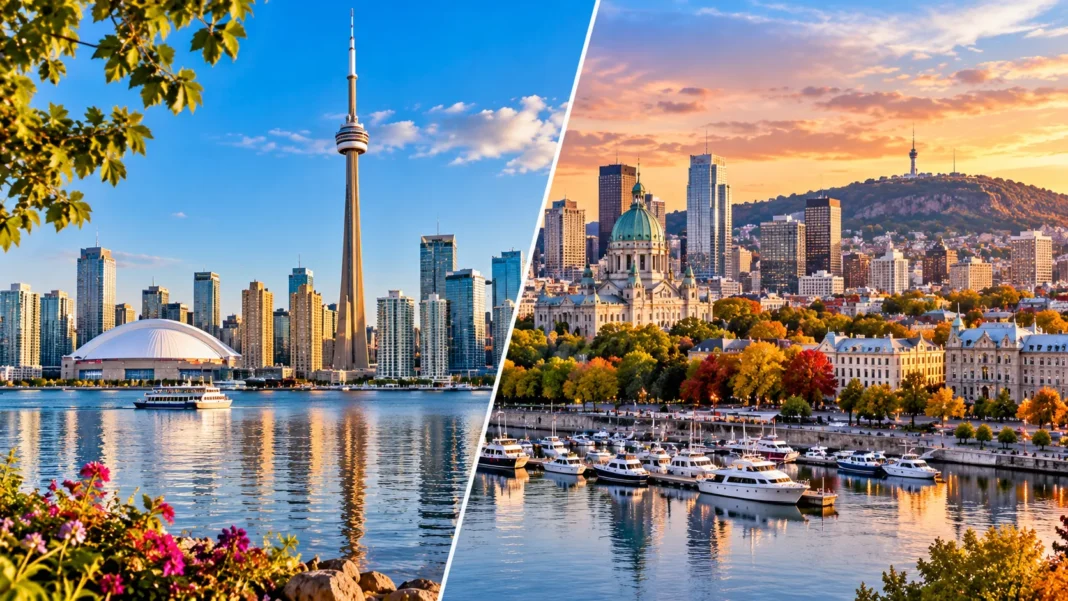
Toronto and Montreal are two of Canada’s most popular travel destinations, offering exciting attractions, diverse cultures, and memorable experiences. Although both cities are known for their architecture, food, museums, and lively neighborhoods, they provide noticeably different travel experiences. Toronto is famous for its modern skyline and multicultural atmosphere, while Montreal attracts visitors with its historic streets, French-speaking culture, and European-inspired charm.
Choosing between Toronto and Montreal can be difficult, especially for first-time visitors planning a Canadian vacation. Toronto offers iconic attractions such as the CN Tower, Toronto Islands, and Royal Ontario Museum. Montreal is known for Old Montreal, Mount Royal Park, Notre-Dame Basilica, and its distinctive food traditions.
Understanding the differences between Toronto and Montreal can help you choose the destination that best matches your interests and travel budget. Both cities offer excellent opportunities for sightseeing, shopping, cultural exploration, and discovering local food. This Toronto vs Montreal travel guide compares attractions, weather, transportation, accommodation, costs, and overall travel experiences to help you plan your visit.
Toronto vs Montreal: An Overview
Toronto is the capital of Ontario and Canada’s largest city. Located along the northern shore of Lake Ontario, it is known for its impressive skyline, modern architecture, and multicultural communities. Visitors can discover international restaurants, major museums, waterfront attractions, and lively entertainment districts throughout the city.
Montreal is the largest city in Quebec and one of Canada’s most important cultural destinations. Situated on an island in the St. Lawrence River, it features historic neighborhoods, beautiful architecture, and a strong French-speaking identity. Its distinctive atmosphere is influenced by both North American and European traditions.
Both cities offer memorable urban vacations, but their personalities are different. Toronto feels like a large international metropolis, with skyscrapers and busy commercial neighborhoods. Montreal offers a more historic atmosphere in several central districts, with traditional streets, public squares, and a vibrant artistic culture.
1. Toronto vs Montreal: City Atmosphere and Lifestyle
Toronto has a fast-moving urban atmosphere influenced by its position as a major economic and cultural center. The downtown area features impressive skyscrapers, modern office buildings, and extensive shopping districts. Visitors who enjoy large cities with diverse neighborhoods may appreciate Toronto’s energetic environment.
Montreal offers a different experience through its historic streets, neighborhood cafés, and strong cultural identity. Areas such as Old Montreal and the Plateau feature distinctive architecture and inviting public spaces. The city is particularly appealing to travelers who enjoy discovering neighborhoods at a relaxed pace.
Neither atmosphere is universally better because travel preferences differ. Toronto may appeal more to visitors interested in modern attractions and international city life. Montreal may be a stronger choice for those who prefer historic surroundings, creative neighborhoods, and a European-inspired urban experience.
2. Toronto vs Montreal: Best Tourist Attractions
Toronto offers a wide variety of well-known tourist attractions suitable for different interests. The CN Tower provides spectacular views of the city and Lake Ontario, while the Royal Ontario Museum features fascinating cultural and natural history exhibits. Other popular destinations include Casa Loma, Ripley’s Aquarium of Canada, and the Toronto Islands.
Montreal is famous for attractions that highlight its history and cultural heritage. Old Montreal features cobblestone streets, historic buildings, and beautiful public squares. Visitors can also explore Notre-Dame Basilica, Mount Royal Park, Saint Joseph’s Oratory, and the Montreal Museum of Fine Arts.
Toronto generally stands out for its modern landmarks and major family attractions. Montreal is especially attractive for historic architecture, neighborhood exploration, and cultural sightseeing. Both cities offer enough attractions to fill several days, so choosing between them depends on the experiences you find most interesting.
3. Toronto vs Montreal: History and Architecture
Toronto combines modern architecture with important historic buildings and neighborhoods. Its skyline is dominated by the CN Tower and contemporary high-rise developments. However, attractions such as Casa Loma, the Distillery Historic District, and Old Town Toronto provide opportunities to discover the city’s architectural heritage.
Montreal has a particularly strong reputation for historic architecture. Old Montreal contains buildings and streets that reflect centuries of urban development. Notre-Dame Basilica, Bonsecours Market, and other historic landmarks create a distinctive environment that attracts visitors interested in architecture and photography.
Travelers who appreciate modern skylines may prefer Toronto’s urban landscape. Those who enjoy older streets, stone buildings, and historic public squares often find Montreal more appealing. Both cities preserve important parts of Canadian history, but their architectural character creates noticeably different sightseeing experiences.
4. Toronto vs Montreal: Food and Dining Experiences
Toronto is one of Canada’s most diverse food destinations, offering cuisines influenced by communities from around the world. Visitors can explore international restaurants, food markets, bakeries, and casual dining establishments. Neighborhoods such as Chinatown, Little Italy, and Kensington Market provide opportunities to experience different culinary traditions.
Montreal is famous for its distinctive local food culture and traditional Quebec dishes. Popular specialties include Montreal-style bagels, smoked meat sandwiches, and poutine. Jean-Talon Market and Atwater Market are also popular destinations for discovering regional products and seasonal ingredients.
Both cities provide excellent dining experiences, but their strengths differ. Toronto is particularly attractive for travelers who want a broad range of international cuisines. Montreal stands out for its recognizable regional specialties, traditional bakeries, and neighborhood food culture.
5. Toronto vs Montreal: Language and Cultural Differences
English is the main language used in Toronto, although the city’s multicultural population speaks many languages. Visitors will encounter diverse cultural communities, international businesses, and festivals. This creates a welcoming environment for travelers interested in experiencing different cultures within one city.
French is the primary language of Montreal and an important part of Quebec’s cultural identity. English is also understood in many tourist areas, hotels, and major attractions. However, visitors will frequently encounter French signs, conversations, and public information throughout the city.
Travelers who speak English may find Toronto easier to navigate linguistically. Montreal remains accessible to many English-speaking visitors, especially in central tourism districts. Learning a few basic French phrases can be useful and demonstrates respect for the city’s local culture.
6. Toronto vs Montreal: Weather and Climate
Toronto experiences four distinct seasons, with warm summers and cold winters. Its location near Lake Ontario influences local weather conditions throughout the year. Summer temperatures are often comfortable for sightseeing, although humid days and heat waves can occur.
Montreal also experiences four seasons but generally has colder and snowier winters than Toronto. Summer can be warm and humid, while autumn brings colorful foliage to parks and surrounding landscapes. Winter snowfall creates attractive scenery but can also affect transportation and outdoor activities.
Both cities are enjoyable during spring, summer, and autumn, depending on personal preferences. Toronto may be slightly more comfortable for travelers who want to avoid the harshest winter conditions. Montreal is especially appealing to visitors interested in traditional snowy winter scenery and seasonal celebrations.
7. Toronto vs Montreal: Public Transportation
Toronto has an extensive public transportation network operated by the Toronto Transit Commission. The system includes subway trains, streetcars, and buses connecting many neighborhoods and popular attractions. GO Transit also provides regional connections to surrounding communities and destinations in southern Ontario.
Montreal’s public transportation system includes metro trains and buses operated by the Société de transport de Montréal. The metro connects important downtown areas, residential neighborhoods, and cultural attractions. Its network makes many popular destinations accessible without requiring a rental car.
Both cities are practical for travelers who prefer public transportation. Toronto’s streetcars and larger metropolitan network provide different travel options, while Montreal’s metro is convenient for many central attractions. Choosing accommodation near a suitable station can reduce transportation time in either destination.
8. Toronto vs Montreal: Travel Costs and Affordability
Travel costs can vary significantly between Toronto and Montreal depending on accommodation, season, transportation, and planned activities. Toronto often has higher hotel prices in central areas, particularly during major events and busy travel periods. Premium attractions and waterfront accommodation may also increase expenses.
Montreal can sometimes provide better value for travelers seeking mid-range accommodation and casual dining. However, popular festivals and major holiday periods can increase hotel prices considerably. Central locations near Old Montreal or major entertainment districts may also be expensive.
Neither city is guaranteed to be cheaper for every itinerary. Travelers should compare hotel rates, attraction fees, transportation passes, and dining expenses for their specific travel dates. Booking accommodation early and using public transportation can help manage costs in both destinations.
9. Toronto vs Montreal: Shopping Experiences
Toronto is known for extensive shopping opportunities, including major shopping centers, luxury districts, and independent stores. The Toronto Eaton Centre is a popular downtown destination, while Yorkville is associated with premium shopping and upscale boutiques. Kensington Market offers a different experience through vintage stores and independent businesses.
Montreal features a mixture of modern shopping streets and smaller independent boutiques. Sainte-Catherine Street is one of the city’s major commercial areas, while neighborhoods such as the Plateau and Mile End offer distinctive shops. The Underground City also connects numerous retail spaces through indoor pedestrian pathways.
Toronto may be more appealing for visitors who enjoy large shopping centers and international retail brands. Montreal offers a particularly interesting combination of neighborhood boutiques and traditional shopping streets. Both cities provide opportunities to discover local products and independent businesses.
10. Toronto vs Montreal: Entertainment and Nightlife
Toronto has a lively entertainment scene featuring theaters, concerts, sporting events, and cultural performances. The Entertainment District is particularly popular for live shows and major attractions. Visitors can also explore music venues and neighborhood events throughout the city.
Montreal is internationally recognized for its festivals, music scene, and creative culture. Events such as the Montreal International Jazz Festival and Just for Laughs have contributed to the city’s entertainment reputation, although individual event schedules can change. The city also offers theaters, art exhibitions, and seasonal cultural celebrations.
Both cities provide exciting entertainment opportunities, but their styles differ. Toronto offers major productions, professional sports, and large urban events. Montreal is especially appealing for visitors who enjoy festivals, neighborhood culture, and creative performances.
Best Things to Do in Toronto
Toronto offers a combination of famous landmarks, cultural attractions, and scenic waterfront experiences. Visitors can admire the skyline from the CN Tower, explore the Royal Ontario Museum, and discover historic buildings at Casa Loma. These attractions provide a useful introduction to Canada’s largest city.
The Toronto Islands offer a different experience with beautiful views across Lake Ontario and the downtown skyline. Visitors can also explore the Distillery Historic District, St. Lawrence Market, and the Art Gallery of Ontario. These destinations combine cultural sightseeing with local food and architectural attractions.
Travelers interested in parks and natural scenery can visit High Park or enjoy waterfront walking areas. Toronto also serves as a possible starting point for a longer trip toward Niagara Falls. Spending several days in the city allows time to explore beyond the most famous downtown attractions.
Best Things to Do in Montreal
Montreal is particularly rewarding for travelers interested in historic neighborhoods and cultural exploration. Old Montreal is one of the city’s most popular areas, featuring traditional buildings, museums, and beautiful streets. Visitors can also admire the architecture of Notre-Dame Basilica and explore the nearby Old Port.
Mount Royal Park provides attractive views of the city and surrounding landscape. The Plateau and Mile End neighborhoods offer colorful buildings, independent shops, and a distinctive local atmosphere. Jean-Talon Market is another worthwhile destination for visitors interested in regional food.
Montreal’s cultural attractions include museums, galleries, and historic religious buildings. The city’s walkable neighborhoods encourage visitors to explore at a comfortable pace. Spending time outside the main tourist districts can provide a deeper appreciation of Montreal’s local character.
Toronto vs Montreal: Best for Families
Toronto provides a wide selection of family-friendly attractions, including Ripley’s Aquarium, the Royal Ontario Museum, and outdoor spaces such as the Toronto Islands. These destinations offer opportunities for educational experiences and enjoyable sightseeing. The city’s parks and museums provide activities for different age groups.
Montreal also offers attractions that appeal to families. The Montreal Biodome, Montreal Science Centre, and Mount Royal Park are popular options. Seasonal festivals and public spaces provide additional opportunities to explore the city together.
Both destinations can work well for family vacations. Toronto may be particularly attractive for families interested in major museums and modern entertainment attractions. Montreal can appeal to visitors who prefer combining educational sightseeing with historic neighborhoods and outdoor spaces.
Toronto vs Montreal: Best for Nature and Outdoor Activities
Toronto offers outdoor attractions centered on Lake Ontario, urban parks, and nearby natural destinations. The Toronto Islands provide scenic waterfront views, while High Park features extensive green space. Scarborough Bluffs is another remarkable location known for dramatic lakeside scenery.
Montreal offers Mount Royal Park, waterfront pathways, and green spaces throughout the city. Visitors can enjoy seasonal scenery and explore public parks surrounded by historic neighborhoods. The nearby countryside also provides opportunities for longer outdoor excursions.
Toronto may appeal more to travelers interested in lake scenery and urban waterfront attractions. Montreal offers a particularly attractive combination of parks and historic surroundings. Seasonal weather and individual interests should guide the choice of outdoor activities in either city.
Toronto vs Montreal: Which City Has Better Day Trips?
Toronto is an excellent base for exploring destinations around Lake Ontario and southern Ontario. Niagara Falls is one of the region’s most famous attractions and can be visited during a long day trip. Other options include nearby towns, conservation areas, and lakeside communities.
Montreal offers access to destinations such as Mont-Tremblant, the Eastern Townships, and selected areas of the Laurentian Mountains. These regions feature scenic landscapes, small towns, and seasonal outdoor attractions. Transportation requirements vary depending on the destination.
Toronto is particularly appealing for travelers who want to visit Niagara Falls alongside a major city. Montreal may be more suitable for those interested in Quebec countryside experiences and mountain scenery. Travelers should consider driving times and seasonal access before planning excursions.
Best Time to Visit Toronto
The best time to visit Toronto is generally between May and October, when temperatures are often suitable for walking and outdoor sightseeing. Late spring brings greenery and seasonal flowers, while summer offers longer daylight hours. Autumn provides attractive foliage and comfortable conditions during many weeks.
July and August are popular months for waterfront activities, festivals, and city exploration. However, humid weather and large crowds can affect the experience. Accommodation demand may also increase during major events.
Winter offers a different atmosphere with seasonal decorations, indoor attractions, and occasional snowfall. Temperatures can fall below freezing, making warm clothing essential. Travelers who prefer comfortable walking conditions may find late spring or early autumn especially appealing.
Best Time to Visit Montreal
Montreal is particularly attractive between May and October, when visitors can enjoy parks, outdoor events, and historic neighborhoods. Summer is a popular season because of the city’s festival calendar. Warm weather creates a lively atmosphere across many public spaces.
September and October provide opportunities to admire autumn colors and explore the city in cooler conditions. Mount Royal Park becomes particularly scenic during this period. Spring can also be enjoyable, although temperatures and rainfall vary.
Winter attracts travelers interested in snow-covered streets and seasonal celebrations. However, Montreal can experience very cold weather and significant snowfall. Visitors should prepare appropriate clothing and allow extra time for transportation during unfavorable conditions.
How Many Days Do You Need in Toronto?
Three days provide enough time to explore several of Toronto’s most famous attractions. Visitors can see the CN Tower, Royal Ontario Museum, and major downtown neighborhoods. This duration is suitable for travelers who want a relatively compact introduction to the city.
Four to five days offer greater flexibility for exploring Toronto Islands, markets, museums, and waterfront areas. Travelers can also spend additional time discovering different neighborhoods. The extra days create opportunities for a more relaxed itinerary.
Visitors planning a day trip to Niagara Falls may prefer a longer stay. Transportation and sightseeing can occupy much of the day, depending on the chosen route. Selecting a manageable number of attractions helps avoid an unnecessarily rushed vacation.
How Many Days Do You Need in Montreal?
Three days are generally suitable for exploring Montreal’s main attractions and central neighborhoods. Visitors can discover Old Montreal, Notre-Dame Basilica, and Mount Royal Park. This duration provides a useful introduction to the city’s architecture and cultural atmosphere.
Four to five days allow more time to explore neighborhoods such as the Plateau and Mile End. Travelers can also visit museums, local markets, and additional parks. A longer stay provides flexibility for discovering the city’s food culture and seasonal events.
Visitors interested in exploring areas beyond Montreal may prefer an extended itinerary. Nearby mountain regions and countryside destinations require additional transportation time. Planning fewer activities each day can make the journey more comfortable and enjoyable.
Can You Visit Toronto and Montreal on the Same Trip?
Yes, Toronto and Montreal can be combined during one Canadian vacation. The cities are approximately 540 kilometers apart by road, depending on the route. Travelers can move between them by train, bus, car, or domestic flight.
Traveling between the cities by train often takes around five to six hours, depending on the service. Driving generally requires a similar amount of time before allowing for traffic and stops. Flights are shorter in the air but require additional airport travel and processing time.
A seven-to-ten-day itinerary can provide time to explore both cities, although additional days create a more relaxed experience. Travelers might spend several days in Toronto before continuing to Montreal. Combining the destinations provides an opportunity to appreciate two different sides of Canadian urban culture.
Toronto vs Montreal: Which Is Better for First-Time Visitors?
Toronto is a strong choice for first-time visitors who want a modern Canadian city experience. Its international atmosphere, English-speaking environment, and famous landmarks make sightseeing relatively straightforward. Travelers interested in major museums, waterfront attractions, and diverse dining may especially appreciate the city.
Montreal is an excellent alternative for visitors who want historic architecture and a distinctive French-speaking cultural environment. Its charming streets, food traditions, and creative neighborhoods provide a memorable travel experience. English-speaking tourists can navigate many popular areas, although French remains central to local life.
Ultimately, neither city is better for every traveler. Toronto offers a contemporary international atmosphere, while Montreal provides a distinctive combination of history and culture. Choosing the destination that matches your interests, budget, and preferred travel season will help create a more enjoyable trip.
Conclusion
Toronto and Montreal are two outstanding Canadian travel destinations, each offering unique attractions and cultural experiences. Toronto is famous for its modern skyline, international food scene, and waterfront landmarks. Montreal stands out for its historic neighborhoods, French-speaking culture, traditional cuisine, and artistic atmosphere.
The main differences between Toronto and Montreal involve architecture, language, weather, travel costs, and overall city character. Toronto may suit visitors seeking modern urban attractions and multicultural experiences, while Montreal appeals to travelers interested in historic charm and cultural exploration. Both cities provide excellent museums, parks, restaurants, and entertainment.
Whether you choose Toronto, Montreal, or both, planning around your preferred activities and travel season is important. Allow enough time to explore major landmarks as well as local neighborhoods. With thoughtful preparation, either city can provide a memorable introduction to Canada’s diverse travel experiences.
Frequently Asked Questions
1. Is Toronto or Montreal Better for Tourists?
Toronto is ideal for modern attractions, multicultural food, and waterfront sightseeing. Montreal is especially attractive for historic architecture, French-speaking culture, and traditional neighborhoods. The better choice depends on personal interests.
2. Is Montreal Cheaper Than Toronto?
Montreal can be more affordable for accommodation and certain everyday expenses, but prices depend on location and travel season. Major festivals and holidays can make either city expensive.
3. Is Toronto or Montreal Better for First-Time Visitors?
Toronto may feel more straightforward for English-speaking first-time visitors, while Montreal offers a distinctive historic and cultural experience. Both cities have established tourism services and convenient public transportation.
4. Which City Has Colder Winters, Toronto or Montreal?
Montreal generally experiences colder and snowier winters than Toronto. Both cities can have freezing temperatures, so visitors traveling during winter should prepare appropriate clothing and check weather forecasts.
5. Can You Travel From Toronto to Montreal by Train?
Yes, passenger trains connect Toronto and Montreal. The journey usually takes approximately five to six hours, depending on the service. Travelers should check current schedules and ticket availability before departure.

