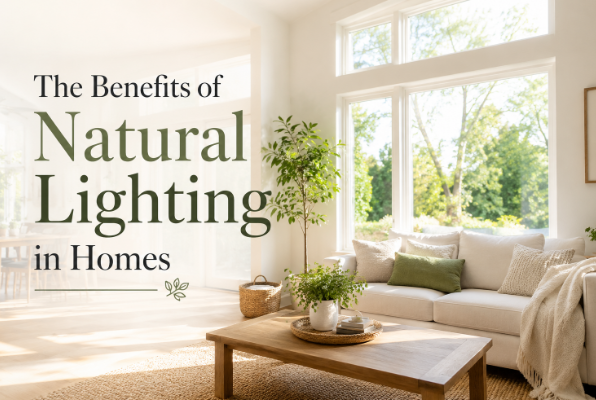
Introduction to Natural Lighting
Natural lighting refers to the illumination that comes from natural sunlight, allowing homes to harness the sun’s rays during the day. Unlike artificial lighting, which relies on electrical energy and can often lead to an artificial atmosphere, natural light enhances the ambiance of a living space. This difference is essential, as natural lighting not only affects the aesthetic appeal of a home but also contributes to its psychological and physiological benefits.
The significance of natural light in home design has become increasingly recognized. In architectural planning, the integration of windows, skylights, and open spaces is strategically prioritized to maximize the influx of sunlight. This approach is not merely about aesthetics; it is rooted in the understanding that natural light can positively influence mood, productivity, and overall well-being. When homes are designed to incorporate ample natural light, they often become more inviting and comfortable environments for their occupants.
Furthermore, the unique quality of natural light is characterized by variability; the intensity and hue of sunlight change throughout the day and across seasons. This dynamic nature can create a constantly evolving backdrop within a home, enriching the daily experiences of its residents. Moreover, natural lighting helps in reducing reliance on artificial sources, leading to lower energy consumption and sustainable living practices.
As we delve deeper into the multiple benefits of natural lighting in homes, it’s essential to recognize that it seamlessly entwines functionality with comfort. The role of natural light in home design significantly enhances not only visual appeal but also the holistic experience of living spaces. Understanding this foundation sets the stage for exploring its myriad advantages in further detail.
Improved Mood and Well-Being
Natural lighting plays a pivotal role in enhancing both mood and overall mental well-being. Multiple studies have demonstrated a clear correlation between exposure to natural light and lower levels of anxiety and depression. When daylight illuminates a space, it does more than just brighten the room; it contributes significantly to the psychological state of the occupants.
Sunlight is known to influence the production of serotonin, a neurotransmitter that helps regulate mood, happiness, and focus. Higher levels of serotonin generated through natural light exposure can lead to improved mood and a reduction in feelings of stress and sadness. People living in homes with ample natural light often experience less fatigue and higher energy levels, factors that are crucial for maintaining a positive outlook on life.
Furthermore, the relationship between natural light and the regulation of circadian rhythms cannot be understated. Circadian rhythms are the body’s internal clock that governs sleep-wake cycles and other physiological processes. Exposure to sunlight during the day reinforces these rhythms, promoting better sleep at night, while also ensuring you’re awake and productive during daylight hours. This balance can significantly contribute to enhancing daily mood and overall vitality.
Additionally, environments filled with natural light tend to foster greater connectivity to nature, which has been linked to improved mental health outcomes. By bringing the outside in, residents of sunlit homes may find themselves experiencing greater tranquility and a sense of well-being, further underscoring the importance of integrating natural lighting into home design.
Energy Efficiency and Cost Savings
Utilizing natural lighting in homes is not only an aesthetic choice but also a significant contributor to energy efficiency and cost savings. By maximizing the use of daylight, homeowners can decrease their reliance on artificial lighting, leading to tangible reductions in energy consumption and overall monthly utility bills. When adequately designed and positioned, windows, skylights, and open spaces can channel sunlight into various areas of the home, providing ample illumination throughout the day.
The primary advantage of natural lighting lies in its ability to minimize the need for electric lights. Traditional incandescent and fluorescent bulbs consume substantial energy, contributing to higher energy costs. In contrast, harnessing sunlight can effectively lower these expenses. Studies indicate that households that make a conscious effort to optimize natural light report energy savings of up to 30% on lighting bills. This shift not only benefits the homeowner’s wallet but also contributes to a more sustainable environment by reducing overall energy demand.
In addition to savings on lighting, the use of natural light can prolong the lifespan of artificial light fixtures. With fewer hours of usage, homeowners can expect less frequent bulb replacements and maintenance, creating further cost reductions. Moreover, energy-efficient designs incorporating natural light often lead to improved thermal comfort in homes, as sunlight can help heat living spaces during colder months. This advantage can decrease heating costs, providing even broader financial benefits.
In summary, integrating natural lighting in residential spaces enhances energy efficiency, resulting in significant cost savings over time. As homeowners seek out sustainable living solutions, embracing the power of sunlight becomes an essential strategy for not only improving illumination but also promoting economic benefits.
Enhanced Aesthetics and Interior Design
Natural lighting plays a crucial role in improving the aesthetics of any home. The quality and angle of light can dramatically change the perception of colors and textures within a given space. When sunlight filters through windows, it illuminates rooms in a way that artificial lighting often cannot replicate. This illumination enhances the natural hues of walls, furniture, and decor, fostering a vibrant and inviting atmosphere.
Moreover, the use of natural light significantly contributes to the dynamic nature of a room. For instance, as the sun moves throughout the day, it casts shadows and highlights that bring out varying aspects of a room’s design. This play of light adds depth and dimension, allowing elements like textures and patterns to be appreciated in full, thereby making spaces feel more alive and welcoming.
In addition to its impact on colors, natural lighting also influences the overall layout and design of an interior space. Homes that are designed with ample windows or skylights often feel more open and spacious. The psychological benefits of well-lit spaces can’t be overstated either; rooms that are bathed in natural light are often perceived as more attractive and comfortable.
Furthermore, the integration of natural light aligns with the principles of biophilic design, which advocates for creating environments that connect inhabitants to nature. This trend not only enhances aesthetic appeal but also contributes to the well-being of individuals who inhabit these spaces. By systematically incorporating natural lighting into one’s home, individuals can experience a harmonious balance between interior design and the external environment, ultimately enriching the overall living experience.
Increased Productivity
Research indicates a strong correlation between exposure to natural lighting and enhanced productivity levels in both residential and commercial environments. Access to natural daylight in workspaces has been linked to improved performance, increased focus, and overall well-being. This phenomenon can be attributed to several factors, including the psychological and physiological effects of natural light on individuals.
Studies show that individuals who work in naturally lit environments are more likely to experience heightened alertness and motivation. For instance, a study conducted by the Heschong Mahone Group revealed that employees with access to daylight reported a 15% increase in productivity compared to those who worked in artificial lighting. The research also highlights that workers exposed to natural light tend to take fewer sick days, thus contributing to a more positive workplace atmosphere.
The presence of sunlight influences the body’s internal clock, enhancing the regulation of circadian rhythms. This regulation plays a critical role in energy levels and mood, which, in turn, affects work performance. Furthermore, natural light can reduce eye strain associated with prolonged exposure to artificial light sources, leading to improved concentration and efficiency in task performance.
Moreover, the aesthetic appeal of natural light should not be underestimated. Workspaces bathed in sunlight often result in a more pleasant and inviting environment, fostering creativity and collaboration. This environment encourages workers to engage more effectively with their tasks and peers, thus boosting overall productivity.
In summary, the integration of natural lighting into living and working spaces holds significant potential to enhance productivity by improving mood, energy levels, and focus. Embracing the benefits of daylight is essential for creating environments that not only boost efficiency but also contribute to the overall well-being of individuals within those spaces.
Promotes Better Sleep Patterns
Natural light plays a crucial role in regulating human circadian rhythms, which are physical, mental, and behavioral changes that follow a daily cycle. These rhythms essentially dictate sleep-wake cycles and are greatly influenced by exposure to light, particularly daylight. Studies indicate that adequate exposure to natural light during the day can significantly enhance sleep quality at night, promoting better sleep patterns.
During daylight hours, exposure to sunlight helps to increase levels of serotonin in the brain. This neurotransmitter serves as a precursor to melatonin, the hormone responsible for regulating sleep. When it is light outside, the brain reduces melatonin production, promoting wakefulness and alertness. Conversely, as daylight fades, the body begins to produce melatonin, signalling that it is time to sleep. Thus, maximizing daylight exposure during the day ensures that melatonin production in the evening occurs at the right time, facilitating a smoother transition into sleep.
Moreover, homes designed to allow for ample natural lighting can reduce reliance on artificial lighting, which often disrupts sleep cycles. Engaging with bright environments during the day leads to heightened alertness and mood improvement, ultimately leading to a more restful sleep at night. Research also supports that individuals who are exposed to natural light during working hours tend to report less sleep disturbances. Therefore, creating spaces that invite natural light is not just an aesthetic choice; it is a vital component in promoting healthy sleep patterns.
Connection to Nature
Natural lighting in homes plays a significant role in creating a psychological connection to the outdoors. This connection not only enhances the aesthetic appeal of a living space but also promotes emotional well-being. When individuals are exposed to sunlight streaming through windows, they are often reminded of the beauty and tranquility that nature has to offer. Such views can cultivate a sense of peace, reducing stress levels and encouraging relaxation.
The presence of natural light invites the outside environment into our living spaces, effectively blurring the line between indoor and outdoor life. Scientific studies have demonstrated that exposure to natural light can elevate mood and increase productivity. When homeowners incorporate large windows or glass doors that overlook gardens or landscapes, they foster a deeper appreciation for their surroundings. This connection to nature is not merely visual; it can also affect how one feels emotionally.
Furthermore, the impact of natural light on mental health cannot be overstated. People who work or reside in spaces with ample sunlight report lower levels of anxiety and depression. The calming views of greenery and open skies can stimulate positive feelings, transforming the ambient atmosphere of a home into a sanctuary. The rhythmic cycle of natural light throughout the day allows individuals to become attuned to their environment, reinforcing a sense of rhythm and connection with nature.
Incorporating natural light into a living space aligns closely with biophilic design principles, which advocate for a harmonious relationship between humans and nature. Overall, the thoughtful use of natural light can significantly contribute to one’s overall wellness by strengthening this important bond with the outside world.
Sustainability and Environmental Benefits
Natural lighting offers significant sustainability and environmental advantages that contribute to a reduced carbon footprint. By maximizing the use of daylight within homes, occupants can substantially lower their reliance on artificial lighting, which, in turn, diminishes overall energy consumption. This reduction is critical as energy production often involves processes that emit greenhouse gases, thereby exacerbating climate change.
When homes harness natural light effectively, such as through strategically placed windows, skylights, and light tubes, they not only create more vibrant living spaces but also contribute to a more sustainable environment. The implementation of design strategies that prioritize daylighting can lead to a decreased demand for electricity and a consequential decrease in resource depletion from power plants. This is especially pertinent in regions that rely heavily on fossil fuels for energy.
Moreover, the significance of natural lighting transcends mere energy savings. Increased exposure to natural light has been linked to improved well-being and a greater sense of connection to the natural world. By creating healthier indoor environments, natural light encourages individuals to engage with their surroundings and fosters a more sustainable lifestyle. Additionally, utilizing natural lighting can reduce the need for mechanical heating and cooling systems, which not only consume energy but also contribute to environmental degradation.
Ultimately, the integration of natural lighting in residential design serves a dual purpose: enhancing aesthetic appeal while promoting ecological balance. Homeowners who prioritize such practices are contributing to global efforts aimed at combating climate change and supporting a healthier planet.
Practical Tips for Maximizing Natural Light
Natural lighting plays a significant role in creating a bright and inviting home environment. To enhance the amount of natural light in your residence, consider implementing various design strategies and home modifications. One of the fundamental tactics is the placement of windows. Opting for larger windows or strategically placing them on southern or eastern-facing walls can significantly increase sunlight exposure throughout the day. Incorporating skylights is another effective method that not only provides additional illumination but also gives the feeling of openness to interiors.
In addition to window placement, the use of mirrors can greatly amplify the effects of natural light. Strategically positioning mirrors opposite windows can reflect incoming light, distributing brightness more evenly throughout the room. This technique not only enhances illumination but also adds depth to smaller spaces, making them feel larger and more airy.
Furthermore, the choice of window treatments is crucial in maximizing natural light. Select light-filtering curtains or blinds instead of heavy drapes. Sheer fabrics can diffuse sunlight while still allowing it to enter the room, creating a warm glow that enhances the overall ambiance. Similarly, consider using window films that can help to maximize light while providing some level of UV protection for your furniture and flooring.
Another practical tip is to maintain clean windows, as dirt and grime can obstruct light penetration. Regular cleaning ensures that the glass remains clear and allows for the maximum amount of natural light to enter your home. Moreover, keeping outdoor spaces, such as gardens or patios, well-lit and tidy can reflect light into your home, especially during the evening hours.
By incorporating these practical strategies, homeowners can effectively maximize natural light, improving both the aesthetics and functionality of their living spaces.

