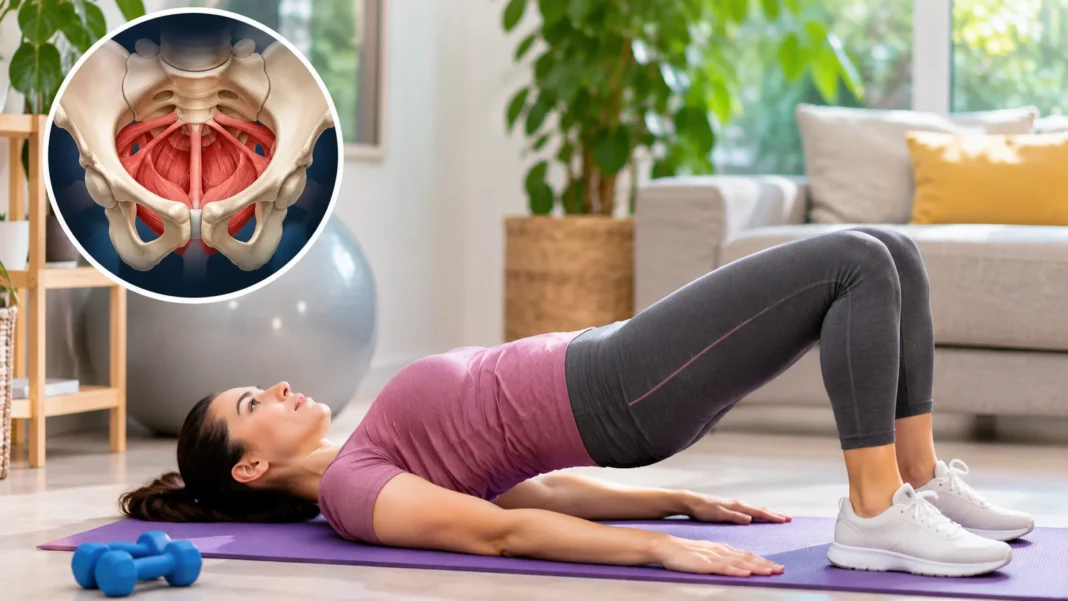
Urinary incontinence can make everyday activities uncomfortable, especially when bladder leakage happens unexpectedly. You may notice small leaks while coughing, laughing, exercising, or rushing to the bathroom. Although these symptoms can feel frustrating, bladder control problems are common, and several treatment approaches may help improve comfort and confidence.
Incontinence pelvic floor exercises are often recommended to strengthen the muscles that support bladder control. These exercises, commonly called Kegels, can help some people reduce urinary leakage and improve pelvic muscle coordination. This guide explains what urinary incontinence means, how pelvic floor exercises work, the correct techniques, common mistakes, and when professional treatment may be necessary.
What Are Incontinence Pelvic Floor Exercises?
Incontinence pelvic floor exercises are controlled muscle movements designed to improve the strength, coordination, and endurance of the pelvic floor. These muscles form a supportive layer across the bottom of the pelvis and help control urination. When these muscles are weak or poorly coordinated, some people may experience difficulty preventing urine leakage during ordinary daily activities.
Pelvic floor muscle training usually involves gently contracting the muscles responsible for bladder control and then allowing them to relax completely. Repeating these movements regularly can improve the muscles’ ability to respond when additional support is needed. However, the exercises must be performed correctly because unnecessary straining or tightening surrounding muscles can reduce their effectiveness.
These exercises are commonly recommended as an initial treatment for stress urinary incontinence and certain cases of mixed incontinence. They may also support bladder management in other situations when recommended by a healthcare professional. Results vary depending on the underlying cause, muscle function, and consistency of training, so exercises should not be considered a universal solution.
How Pelvic Floor Muscles Support Bladder Control
The pelvic floor consists of muscles and connective tissues that support organs within the pelvis, including the bladder and bowel. These muscles also help control the openings through which urine and stool leave the body. During everyday activities, they work together with surrounding muscles to maintain stability and support normal bladder function.
When you cough, sneeze, laugh, or lift an object, pressure inside your abdomen temporarily increases. Healthy pelvic floor muscles can respond to this pressure and help support the urethra, which carries urine out of the bladder. If the muscles cannot provide enough support, urine may escape unexpectedly, particularly during movements that create sudden abdominal pressure.
Pelvic floor muscles also need to relax properly during urination. Constantly tightening them can interfere with comfortable bladder emptying and may contribute to other pelvic symptoms. Effective pelvic floor training therefore focuses on both muscle contraction and complete relaxation, helping the muscles coordinate their activity rather than simply remaining tense throughout the day.
Types of Urinary Incontinence and Their Causes
Stress urinary incontinence occurs when urine leaks during activities that increase pressure inside the abdomen. Common triggers include coughing, sneezing, laughing, jumping, and certain exercises. This type of leakage can develop when pelvic floor muscles or surrounding support structures do not provide adequate support during movement, although several physical factors may contribute.
Urge urinary incontinence involves a sudden, strong need to urinate followed by involuntary leakage. It is often associated with overactive bladder symptoms, including frequent urination and difficulty delaying bathroom visits. Pelvic floor muscle training may help some individuals manage urgency, but bladder training and other treatments are sometimes necessary to address the underlying problem.
Mixed urinary incontinence combines symptoms of stress and urge incontinence. Someone may experience leakage during physical activity and also struggle with sudden urinary urgency. Other types include overflow incontinence, which involves incomplete bladder emptying, and functional incontinence, where mobility or other difficulties interfere with reaching the bathroom in time.
How to Identify the Correct Pelvic Floor Muscles
Learning to identify your pelvic floor muscles is important before beginning an exercise routine. Imagine gently stopping the release of gas while also preventing urine from escaping. The muscles involved create a subtle lifting and squeezing sensation around the pelvic openings, rather than a strong contraction of your abdomen, thighs, or buttocks.
You can practice recognizing this sensation while sitting comfortably or lying down with your body relaxed. Focus on gently lifting the pelvic floor inward and upward without holding your breath or pushing downward. If the movement feels confusing, avoid forcing the contraction because unnecessary straining can make it harder to identify the correct muscles.
Although imagining stopping urine can help explain the sensation, regularly interrupting urination is not recommended as an exercise. Doing so can interfere with normal bladder emptying. If you cannot identify the muscles or are uncertain whether you are contracting them correctly, a pelvic floor physiotherapist can provide individualized assessment and guidance.
How to Do Pelvic Floor Exercises Correctly
Begin by sitting or lying in a comfortable position with your shoulders, abdomen, and legs relaxed. Breathe normally and gently contract your pelvic floor muscles as though lifting them inward. Hold the contraction for a short period that feels manageable, then release completely and allow the muscles to relax before beginning another repetition.
Start with gentle contractions lasting approximately two or three seconds if that feels comfortable. Rest for a similar or longer period between contractions, and avoid squeezing so strongly that surrounding muscles become tense. As your control improves, you may gradually increase the duration of each contraction while maintaining normal breathing and allowing complete relaxation.
You can also practice brief contractions followed by immediate relaxation to develop muscle responsiveness. These movements differ from longer holds, which help develop muscular endurance over time. A pelvic floor specialist can recommend the appropriate combination of short and sustained contractions based on your symptoms, muscle function, and current level of control.
How Often Should You Practice Pelvic Floor Exercises?
Consistency is important because pelvic floor muscles respond to training gradually rather than improving after only a few attempts. Many clinical programs recommend several short exercise sessions throughout the day. However, the number of contractions should reflect your current ability, and professional assessment is particularly useful when weakness, pain, or difficulty relaxing is present.
For people who can contract the muscles comfortably, a clinician may recommend a program involving at least eight contractions performed three times daily. Some individuals need fewer repetitions initially or a different approach. The purpose is to improve muscle control gradually without causing fatigue, discomfort, or unnecessary tension around the pelvic region.
Meaningful improvement often takes several weeks, and supervised pelvic floor training for stress or mixed incontinence is commonly recommended for at least three months. Progress depends on individual circumstances and consistent technique. If symptoms improve, continuing an appropriate maintenance routine may help preserve benefits, but exercises should be adjusted when they cause pain or worsening symptoms.
Common Mistakes When Performing Kegel Exercises
One common mistake is tightening the stomach, buttocks, or thigh muscles instead of concentrating on the pelvic floor. Although surrounding muscles naturally contribute to movement and stability, excessive squeezing can distract from the intended exercise. Practice gentle contractions while keeping the rest of your body relaxed, and avoid pushing downward as though straining during a bowel movement.
Holding your breath is another mistake that can interfere with comfortable muscle coordination. Some people unconsciously stop breathing when attempting to perform a strong contraction. Instead, continue breathing normally and focus on smooth muscle movements, allowing the pelvic floor to return to its resting position completely between repetitions.
Performing too many contractions can also be unhelpful, especially when the pelvic muscles are already tired or tense. More exercise does not always produce faster results, and excessive tightening may increase discomfort. If you experience pelvic pain, difficulty urinating, or worsening symptoms, stop the exercises and seek guidance before continuing the same routine.
Can Tight Pelvic Floor Muscles Cause Incontinence?
Pelvic floor problems do not always result from weak muscles. Some individuals have overly tense or poorly coordinated pelvic floor muscles that struggle to relax properly. This can contribute to urinary urgency, difficulty emptying the bladder, pelvic discomfort, or other symptoms that may overlap with those caused by muscle weakness.
When the pelvic floor is already excessively tight, repeatedly performing strengthening exercises may increase discomfort instead of improving bladder control. The muscles need both strength and the ability to relax appropriately. This explains why one person may benefit from traditional Kegels while another requires a different treatment approach focused on relaxation and coordination.
Pelvic floor physical therapy can help identify whether weakness, excessive tension, or a combination of problems is contributing to symptoms. Treatment may include breathing exercises, relaxation techniques, gentle mobility activities, and individualized muscle retraining. Professional guidance is particularly useful when urinary leakage occurs alongside pelvic pain or discomfort during ordinary activities.
Pelvic Floor Exercises After Pregnancy and Childbirth
Pregnancy and childbirth can affect pelvic floor function because the muscles and surrounding tissues experience significant physical changes. Some people notice urinary leakage during pregnancy or after delivery, particularly when coughing, laughing, or moving suddenly. These symptoms may improve over time, but persistent leakage should not be dismissed as an unavoidable consequence of childbirth.
Pelvic floor muscle training is commonly recommended during and after pregnancy when appropriate for the individual’s circumstances. Gentle exercises may help improve bladder support and muscular coordination as the body changes. However, recovery needs vary, especially after complicated deliveries, significant pelvic injuries, or procedures that require additional medical monitoring.
A maternity healthcare professional or pelvic floor physiotherapist can help determine when and how to begin suitable exercises. The routine may need adjustments based on discomfort, healing, and individual symptoms. Gradual progression and adequate recovery are important, and people should avoid forcing movements that create pelvic pressure or pain.
Lifestyle Habits That May Help Reduce Bladder Leakage
Pelvic floor exercises may work better when combined with appropriate bladder habits and general health practices. Maintaining suitable hydration supports normal urinary function, while drinking too little fluid can create concentrated urine that irritates the bladder. Excessive fluid intake may also increase urinary frequency, so finding a comfortable balance is generally more helpful than restricting drinks unnecessarily.
Caffeine can worsen urinary urgency and frequency in some individuals, especially those experiencing overactive bladder symptoms. Reducing excessive caffeine consumption may therefore improve comfort for certain people. Constipation can also contribute to pelvic floor strain, making regular bowel habits, adequate dietary fiber, and comfortable toileting practices useful parts of bladder management.
Bladder training is another approach that may help people experiencing urgency-related leakage. It involves developing a structured bathroom schedule and gradually improving the ability to delay urination when appropriate. Because not every type of incontinence responds to the same treatment, combining lifestyle changes with professional advice can provide a more effective and individualized plan.
When Should You See a Doctor for Urinary Incontinence?
Urinary leakage deserves medical attention when it happens repeatedly, becomes more frequent, or interferes with everyday activities. A healthcare professional can ask about symptoms, review medical history, and examine possible causes. Depending on the situation, they may recommend urine testing, a bladder diary, pelvic floor assessment, or additional investigations to identify the appropriate treatment.
Certain symptoms require more urgent attention because they may indicate infection or another medical problem. Seek prompt care if urinary leakage occurs with fever, painful urination, blood in the urine, or significant pelvic discomfort. Sudden inability to urinate, or new bladder problems accompanied by leg weakness or numbness around the groin, requires emergency evaluation.
Treatment options extend beyond pelvic floor exercises when muscle training alone does not provide sufficient relief. Depending on the diagnosis, healthcare professionals may recommend bladder training, specialized physiotherapy, medication, medical devices, or other procedures. The most suitable approach depends on the type of incontinence, symptom severity, personal circumstances, and response to initial treatment.
Conclusion
Incontinence pelvic floor exercises can be a useful part of managing urinary leakage, especially when symptoms involve stress or mixed urinary incontinence. These exercises help develop muscle strength, coordination, and endurance around the bladder and pelvic organs. Understanding how the muscles work is an important first step toward choosing appropriate exercises and avoiding unnecessary strain.
Correct technique involves gently contracting the pelvic floor muscles, maintaining normal breathing, and allowing complete relaxation between movements. Regular practice may improve bladder control over time, but results are not immediate or identical for everyone. Some people need additional guidance, particularly when symptoms involve pelvic pain, excessive muscle tension, or difficulty identifying the correct muscles.
Urinary incontinence does not have to be managed through exercises alone. Healthy bladder habits, individualized treatment, and professional pelvic floor assessment can help address different causes of leakage. If symptoms continue or become concerning, seeking medical guidance can help you understand the problem and find a safe, practical approach to improving bladder control.
Frequently Asked Questions (FAQs)
Do pelvic floor exercises help with urinary incontinence?
Yes, pelvic floor exercises can reduce urine leakage, particularly in people with stress or mixed urinary incontinence. Their effectiveness depends on correct technique, consistent practice, and the underlying cause of symptoms.
How long do pelvic floor exercises take to work?
Some people notice improvement after several weeks, but meaningful benefits often require a few months of consistent training. Supervised programs lasting at least three months are commonly recommended for stress or mixed incontinence.
Can Kegel exercises make incontinence worse?
They may worsen discomfort or certain symptoms when pelvic floor muscles are excessively tight or exercises are performed incorrectly. A pelvic floor physiotherapist can assess muscle function and recommend an appropriate treatment plan.
How many pelvic floor exercises should I do daily?
Some clinical programs recommend at least eight contractions three times daily, but the appropriate amount varies. Begin with comfortable movements and follow individualized guidance, especially if contractions cause pain or fatigue.
What happens if pelvic floor exercises do not stop urine leakage?
Persistent leakage may require further evaluation because different types of incontinence need different treatments. A healthcare professional may recommend bladder training, specialized physiotherapy, medication, or other approaches depending on the diagnosis.

