Introduction to Real Estate Investing
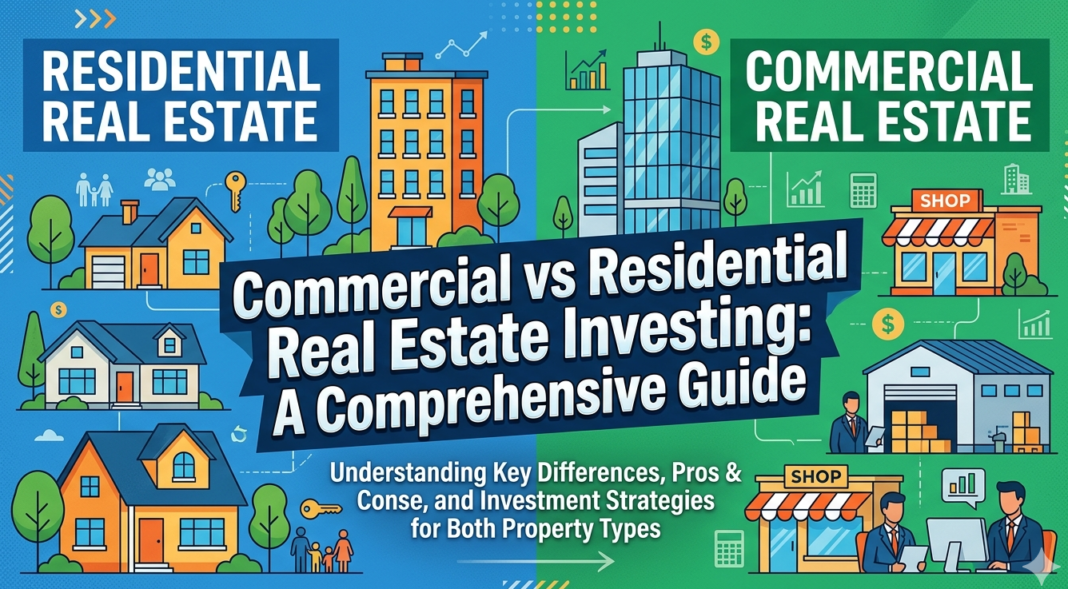
Real estate investing represents a powerful avenue for wealth-building and strategic financial planning. This practice involves purchasing, owning, managing, renting, or selling real estate properties for profit. The real estate market is broadly categorized into two main segments: residential and commercial. Understanding the differences and nuances of these sectors is crucial for potential investors.
Residential real estate typically refers to properties designed for individuals or families, including single-family homes, multifamily units, and condominiums. Investors in this sector often focus on rental income, property appreciation, and long-term capital gains, which are integral to their financial strategies. Conversely, commercial real estate encompasses properties used for business purposes, such as office buildings, retail spaces, warehouses, and industrial properties. This type of investment can yield significant returns through leasing agreements and can be less affected by fluctuations in consumer behavior as businesses rely on space for operations.
Key terms related to real estate investing include cash flow, which is the net income generated from property operations after expenses; capitalization rate (or cap rate), a metric used to evaluate the potential return on an investment; and leverage, which describes the use of borrowed funds to amplify investment outcomes. Familiarity with these concepts is essential for navigating the complexities of the real estate market.
In analyzing real estate investments, one must also consider factors such as location, market trends, and property management practices. The significance of real estate in financial planning cannot be overstated, as it often serves as a hedge against inflation and a way to diversify investment portfolios. By understanding these foundational elements, investors can make informed decisions in both commercial and residential real estate sectors, setting the stage for successful investing experiences.
Defining Commercial Real Estate
Commercial real estate (CRE) can be broadly defined as properties that are utilized for business purposes. This encompasses a variety of asset types, each serving distinct functions within the commercial sector. The main categories within commercial real estate include office buildings, retail spaces, industrial properties, and multi-family residential units, with each category possessing unique characteristics that set them apart from residential properties.
Office buildings constitute one of the primary segments of commercial real estate. These properties can range from single-tenant buildings to large multi-tenant structures accommodating numerous businesses. The demand for office space typically correlates directly with economic conditions, driven by hiring rates and the growth of various industries.
Retail spaces comprise another significant portion of the commercial real estate market. These properties can include standalone stores, shopping malls, and larger retail centers. Retail real estate is primarily influenced by consumer behavior and trends, making location and accessibility critical factors in the success of retail investments.
Industrial properties are tailored for manufacturing, storage, and distribution activities. These include warehouses, logistics centers, and manufacturing facilities. The industrial real estate market has shown resilience due to the rise of e-commerce and the growing demand for logistics-related properties, making it an attractive investment option.
Multi-family units, while featuring residential characteristics, are classified as commercial properties due to their scale and income-generating potential. This category includes apartment complexes and condominiums, which are often seen as stable investments that provide consistent rental income.
The key characteristics differentiating commercial properties from residential ones include their intended use, zoning regulations, and income potential. While residential properties primarily cater to individuals and families seeking living accommodations, commercial properties are built to generate income through business activities, making them a fundamental aspect of the investment landscape.
Defining Residential Real Estate
Residential real estate refers to properties that are designed primarily for human habitation. This sector is an essential component of the overall real estate market and encompasses a variety of property types that cater to different segments of the population. The most common categories of residential real estate include single-family homes, condominiums (condos), townhouses, and multi-family homes.
Single-family homes are standalone structures that accommodate a single family. These properties offer privacy and independence, alongside outdoor space, making them a popular choice among families and individuals alike. The real estate market for single-family homes can be affected by various factors, including location, size, and local amenities.
Condos are another form of residential property, characterized by units that are individually owned while sharing common areas with other residents. Often found in urban settings, condos appeal to a wide range of buyers, particularly young professionals and retirees, due to their low maintenance requirements and proximity to city amenities.
Townhouses combine the features of single-family homes and condos. These properties share walls with adjacent units and often come with a small yard or patio, providing a balance between privacy and community living. Townhomes typically appeal to buyers looking for affordable housing options with communal aspects.
Multi-family homes are designed to house multiple families within one building. They can include duplexes, triplexes, and larger apartment buildings. Investors often purchase these properties to generate rental income, making them a popular investment choice in the residential real estate sector.
Each category of residential real estate comes with its own unique characteristics and requirements. Understanding these differences is crucial for investors looking to navigate the market effectively. By familiarizing themselves with the diverse aspects of residential investments, investors can make informed decisions that align with their investment goals.
Advantages of Commercial Real Estate Investing
Investing in commercial real estate offers a multitude of advantages that often set it apart from residential property investment. One of the main benefits is the potential for higher returns on investment. Historically, commercial properties tend to yield higher rental income compared to residential properties. According to the National Association of Realtors, average annual returns for commercial real estate can often exceed 6% to 12%, making it an appealing choice for investors seeking lucrative opportunities.
Another significant advantage is the longer lease terms usually associated with commercial properties. While residential leases typically span one year, commercial leases often range from three to ten years or more. This stability provides landlords with a consistent cash flow, minimizing the frequency of tenant turnover and the associated costs for repairs and marketing efforts. Moreover, long-term leases often include provisions for rent increases, which can further enhance profitability over time.
Investors in commercial real estate can also benefit from various tax advantages. For instance, depreciation allows property owners to offset taxable income, resulting in cash savings. Certain expenses associated with property maintenance and management can often be deducted as business expenses, further aiding in tax efficiency. Additionally, the 1031 exchange provides investors a way to defer capital gains tax when swapping one investment property for another, effectively enabling them to grow their portfolio without immediate tax consequences.
Real-world examples illustrate these advantages effectively. For instance, office buildings in prime urban locations can face demand spikes, resulting in rapidly increasing rental prices. Likewise, retail properties that attract popular brands can command premium rates. Overall, the combination of higher returns, extended lease agreements, and substantial tax benefits makes commercial real estate an essential consideration for serious investors looking to diversify their portfolios.
Advantages of Residential Real Estate Investing
Residential real estate investing offers numerous advantages, making it a preferred choice for many investors, particularly those new to the industry. One of the most compelling benefits is the potential for stable cash flow. Properties designed for residential purposes typically have consistent demand, as individuals and families always seek housing. A well-located rental property can provide steady monthly income, which is a significant incentive for investors.
In addition to a reliable income stream, residential real estate investing affords various tax advantages. Investors may benefit from tax deductions on mortgage interest, property taxes, and certain expenses related to property management. Furthermore, depreciation on residential properties can often be claimed, offsetting taxable income and enhancing the overall return on investment. This tax efficiency is particularly appealing for those looking to maximize their earnings while minimizing outlays.
Accessibility is another noteworthy advantage associated with residential real estate. Unlike commercial real estate, which often requires substantial capital and expertise, residential properties can be accessible to new investors with limited experience and lower financial barriers. With various investment options available, including single-family homes, multifamily units, and vacation rentals, the entry into residential investing can be tailored to the financial capacity and investment goals of the individual.
Moreover, the residential rental market has demonstrated considerable growth potential, partly driven by urbanization trends and population growth in various regions. As cities expand and more individuals seek affordable housing, investors in residential properties may find opportunities to capitalize on favorable market dynamics. This upward trend indicates that investing in residential real estate remains a viable and lucrative enterprise for those looking to diversify their portfolio and achieve long-term financial success.
Risks Associated with Commercial Real Estate Investing
Investing in commercial real estate can provide substantial returns, yet it also carries various inherent risks that investors must consider. Understanding these risks is crucial for making informed investment decisions and for devising effective risk mitigation strategies.
One of the primary risks in commercial real estate investing is market volatility. The commercial property market can fluctuate significantly due to economic changes, shifts in demand, and local market dynamics. Economic downturns can lead to decreased demand for commercial space, resulting in falling property values and potential financial losses for investors. It is essential for investors to stay updated on market trends and economic indicators to anticipate fluctuations and make informed choices.
Additionally, the high entry costs associated with commercial real estate can pose a substantial risk. Unlike residential properties, which often have lower price points, commercial properties typically require a larger initial investment. This financial burden can be amplified by the costs related to property maintenance, management, and unforeseen repairs. Investors should conduct thorough due diligence and consider the financial viability of their investment before committing significant capital.
Another important risk to be aware of is the potential for longer vacancy periods in commercial properties compared to residential ones. While a residential building may experience quicker tenant turnover, commercial properties often require longer lease terms, and vacancies can last for extended periods. This can result in lost income and increased holding costs. To mitigate these risks, investors may focus on diversifying their portfolios or employing effective marketing strategies to attract tenants.
In summary, while commercial real estate investing can be lucrative, it is essential to be aware of the associated risks including market volatility, high entry costs, and longer vacancy periods. By employing strategic risk management practices, investors can better navigate the complexities of commercial real estate and pave the way for successful investment outcomes.
Risks Associated with Residential Real Estate Investing
Investing in residential real estate carries a unique set of risks that can significantly impact an investor’s financial outcome. One of the primary concerns is property management issues. For those who are not well-versed in tenant management, maintaining a property can become challenging. Issues such as tenant disputes, late rent payments, and property maintenance can arise, potentially leading to financial losses. Effective property management is essential to mitigate these risks. Engaging a qualified property management firm can provide professional oversight, ensuring timely rent collection and maintenance of the property.
Another risk factor is market fluctuations. The real estate market is often influenced by economic conditions, interest rates, and local demand and supply dynamics. Changes in the job market or economic downturns can lead to decreased demand for rental properties, potentially resulting in longer vacancy periods. Investors need to be prepared for these fluctuations and should conduct thorough market research to identify trends and anticipate changes that may affect the investment.
Regulatory challenges also present a risk in residential real estate investing. Local laws regarding property rentals can evolve, with new regulations concerning tenant rights, eviction processes, and zoning laws. Failing to comply with these regulations can result in fines or lawsuits, further complicating property management. Keeping up with local legislation and engaging with legal experts when necessary can help mitigate this risk.
To manage these risks effectively, investors can adopt several strategies. Diversifying the investment portfolio, maintaining an emergency fund, and staying informed about market trends and regulations are key steps. These strategies can aid in minimizing potential financial losses, ultimately enhancing the sustainability and success of investment in residential real estate.
Comparing Returns: Commercial vs Residential
When evaluating investment opportunities in real estate, understanding the potential returns from both commercial and residential properties is crucial. The profitability of each sector is influenced by a variety of factors including location, property type, market dynamics, and economic conditions.
Residential real estate typically offers steady, more predictable returns, often relying on rental income from individual tenants. However, its return potential can be limited due to factors such as local rental rates and vacancy levels. According to the Federal Housing Finance Agency, over the past decade, residential property values have increased by approximately 60%, indicating a robust appreciation trend. Case studies show that well-located multi-family units can produce investor returns of around 8-12% annually, providing a consistent cash flow.
In contrast, commercial real estate can yield higher returns, but often involves greater risk. Properties such as office buildings, retail spaces, and industrial facilities typically have longer lease durations, which can lead to more substantial, but less frequent, cash flows. The National Council of Real Estate Investment Fiduciaries (NCREIF) reports that the average annual return for commercial property investments ranges between 9-12%. The profitability in this sector largely depends on economic factors like employment rates, consumer spending, and overall economic growth.
Furthermore, location plays a vital role in both sectors. For residential properties, proximity to schools, parks, and amenities often drives demand, influencing rental prices and appreciation rates. Conversely, commercial properties benefit from high foot traffic and accessibility to customers and businesses. Economic conditions must also be taken into account as fluctuations in the market can drastically affect vacancy rates and rental income.
In summation, while both commercial and residential real estate investments have their advantages and challenges, the decision ultimately hinges on an investor’s risk tolerance, investment strategy, and market understanding. By carefully analyzing these factors, investors can make informed choices that align with their financial goals.
Conclusion: Choosing the Right Investment Path
In the realm of real estate investing, the decision between commercial and residential properties is pivotal and requires careful consideration. Both asset classes present unique opportunities and challenges that can significantly impact your investment success.
Commercial real estate investing typically involves properties like office buildings, warehouses, and retail spaces. These investments often yield higher returns and longer lease terms, appealing to investors seeking stability and cash flow. However, they can also carry increased risks, including economic downturns and vacancy rates that can affect profitability.
On the other hand, residential real estate encompasses single-family homes, condominiums, and multi-family apartments. This sector often boasts a more accessible entry point for new investors and a larger pool of potential tenants. Yet, residential investments may not generate the same level of income as their commercial counterparts, and fluctuations in the housing market can quickly affect property values.
Ultimately, the choice between commercial and residential real estate investing should align with your personal financial goals, risk tolerance, and investment strategy. If you prioritize cash flow and are willing to engage in asset management, commercial properties may be suitable for you. However, if you prefer a more hands-off approach with a focus on long-term appreciation, you might lean towards residential investments.
Assessing your circumstances and conducting thorough research is essential in this decision-making process. Each investment path has its advantages and downsides, making it crucial to weigh these factors before embarking on your real estate journey. By aligning your investment choices with your objectives, you can enhance your potential for success in the real estate market.

