Introduction to Solana
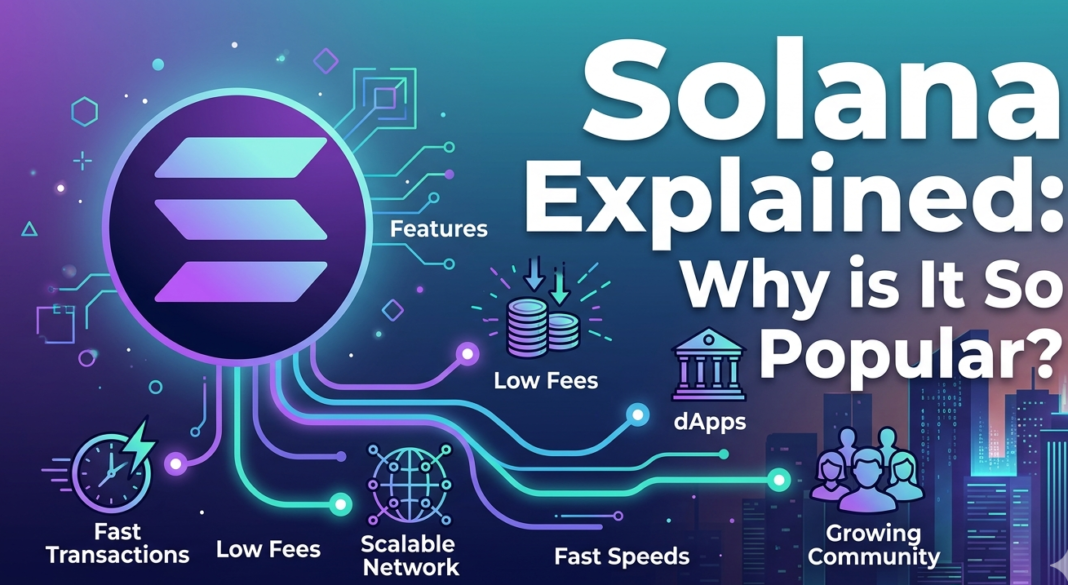
Solana is a high-performance blockchain platform designed to facilitate decentralized applications and crypto projects. Since its inception in 2020, it has garnered significant attention due to its promise of scalability, fast transaction speeds, and low fees. The primary objective of Solana is to provide a blockchain ecosystem where developers can build and deploy dApps (decentralized applications) with the assurance of minimal latency and maximum efficiency.
One of the key features that set Solana apart from its competitors is its innovative consensus mechanism known as Proof of History (PoH). This mechanism allows the blockchain to process thousands of transactions per second, effectively making it capable of handling massive throughput. In comparison to more established platforms, Solana’s architecture can execute around 65,000 transactions every second without compromising security, making it a scalable option for developers and users alike.
Additionally, Solana’s transaction costs are remarkably low, averaging a fraction of a cent. This minimal fee structure encourages developers and users to engage with the platform, fostering a vibrant and diverse ecosystem of applications ranging from finance (DeFi) to non-fungible tokens (NFTs). The low barriers to entry make it an attractive option for startups and entrepreneurs looking to innovate within the blockchain space.
Furthermore, Solana aims to address some of the prevalent challenges faced by earlier blockchain networks such as Ethereum, particularly in terms of speed and cost. By providing a solution that combines both high throughput and low fees, Solana is positioning itself as a formidable player in the ever-evolving blockchain landscape. Its vision is to support a wide array of decentralized applications, thus contributing to the growth of a more accessible and efficient digital economy.
Key Features of Solana
Solana is rapidly gaining recognition in the blockchain ecosystem, largely due to its unique architecture and features that set it apart from other platforms. One of the standout innovations of Solana is the Proof of History (PoH)
Another pivotal feature of Solana is its ability to facilitate parallel transaction processing. The architecture of Solana allows multiple transactions to be processed simultaneously rather than sequentially. This capability significantly increases throughput, with the network boasting impressive speeds that can handle thousands of transactions per second. This efficiency is crucial for decentralized applications that require rapid response times, making Solana an attractive option for developers and users alike.
Furthermore, Solana’s scalability is enhanced by its unique design choices. The network utilizes a highly optimized data structure that minimizes the latency typically associated with blockchain transactions. This structure not only speeds up transaction times but also lowers the operational costs for users. Developers are also encouraged to create applications on Solana due to its low transaction fees, which are a fraction of the costs on older blockchain networks.
In addition to these aspects, Solana has built a supportive ecosystem that includes a variety of tools and resources for developers, fostering innovation within the platform. Combining these features creates an environment that not only prioritizes speed and efficiency but also promotes user engagement and development, solidifying Solana’s appeal in the competitive landscape of blockchain technology.
The Rise of Decentralized Applications (dApps) on Solana
The surge of decentralized applications, commonly referred to as dApps, on the Solana blockchain signifies a transformative shift in the landscape of decentralized technologies. A multitude of factors has contributed to the rapid growth and adoption of dApps on this platform, enhancing its appeal among developers and users alike.
Solana’s robust infrastructure is designed to support a diverse range of applications, which include decentralized finance (DeFi) platforms, non-fungible tokens (NFTs), and gaming applications. In the DeFi sector, projects such as Serum and Raydium have gained considerable traction, enabling users to engage in trading, lending, and yield farming with impressive efficiency. The speed and scalability provided by Solana’s unique consensus mechanism allow these financial transactions to occur at remarkable speeds, facilitating a smooth user experience.
Moreover, the NFT marketplace has witnessed explosive growth on the Solana network. Artists and creators are increasingly attracted to Solana due to low transactional fees and high throughput, allowing them to mint and trade digital assets seamlessly. This environment has fostered the emergence of various NFT platforms and marketplaces, which cater to a diverse community of digital creators and collectors.
Gaming applications on Solana also contribute significantly to its ecosystem, with an array of games leveraging blockchain technology to provide play-to-earn models that engage users in unique ways. The combination of fun gameplay and the potential for real economic value has led to a surge in user participation, further solidifying Solana’s position as a thriving environment for dApps.
Overall, the rise of decentralized applications on Solana is indicative of the platform’s ability to foster innovation across multiple domains. The continuous growth of dApps, particularly in DeFi, NFTs, and gaming sectors, reflects Solana’s commitment to enhancing user experience and scalability, solidifying its status in the blockchain community.
Comparison with Other Blockchains
In the rapidly evolving landscape of blockchain technology, Solana has emerged as a formidable competitor to established networks such as Ethereum and Binance Smart Chain. One of the primary distinctions between Solana and these blockchains lies in transaction speed. Solana boasts a throughput capacity of up to 65,000 transactions per second (TPS), significantly surpassing Ethereum’s current maximum of around 30 TPS. This advantage in speed makes Solana particularly attractive for developers seeking to build applications that require high-frequency transactions, such as decentralized finance (DeFi) applications and scalable trading platforms.
Another notable difference is related to transaction costs. Solana transactions incur significantly lower fees compared to Ethereum, where high gas prices can discourage users from executing smaller transactions. On Solana, transaction fees typically remain below $0.01, enabling microtransactions and greater user participation. This cost-effectiveness has catalyzed the growth of projects on the Solana network, as developers can allocate resources elsewhere instead of wrestling with the costs associated with on-chain transactions.
When it comes to user experience, Solana provides a seamless environment characterized by fast confirmations and a straightforward interface. The network’s design allows for parallel processing of transactions, which enhances its responsiveness. In contrast, Ethereum has faced challenges concerning network congestion and scalability, often resulting in slower transaction confirmations during peak usage times. Consequently, users may find Solana a more favorable option for engaging in real-time applications.
While each blockchain has its strengths and weaknesses, Solana’s speed, cost-effectiveness, and user-centric experience have positioned it as a compelling option for developers and users alike. As the blockchain landscape continues to evolve, Solana’s unique features can potentially reshape how decentralized applications are built and utilized.
Community and Ecosystem Growth
Solana has witnessed remarkable growth, not only in its technological framework but also in the vibrant community that surrounds it. The foundation of this growth lies in the active participation of developers and enthusiasts who support the network. The Solana community consists of a diverse group of individuals, ranging from blockchain developers and tech enthusiasts to investors and casual users, all coming together to cultivate a thriving ecosystem. This unification fosters innovation and collaborative projects, making Solana an attractive platform for various applications.
Moreover, the supportive developer community plays a pivotal role in contributing to Solana’s ecosystem. With its unique architecture that allows for high throughput and low transaction costs, developers are incentivized to build decentralized applications (dApps) and projects on the Solana blockchain. This has led to the emergence of several decentralized finance (DeFi) platforms, non-fungible token (NFT) marketplaces, and gaming projects that leverage Solana’s capabilities. The ease of development on Solana, backed by extensive documentation and community forums, has enabled developers to quickly prototype and deploy their projects, further solidifying Solana’s position in the blockchain landscape.
Additionally, partnerships with key industry players bolster Solana’s ecosystem. Collaborations with established companies and organizations drive adoption, while also providing liquidity and additional resources for developers. These partnerships often result in cross-chain integrations that enhance the functionality of Solana’s network. Furthermore, by participating in educational initiatives and hackathons, Solana has expanded its outreach, fostering new talent in blockchain technology and promoting its platform extensively.
Through the continuous engagement of its community, strong developer support, and strategic partnerships, Solana has positioned itself as a leader in the rapidly evolving blockchain space. The combination of these factors has undoubtedly contributed to its growing popularity and ongoing success.
Investment and Market Position
Solana, a high-performance blockchain platform, has gained significant traction in the cryptocurrency landscape due to its unique characteristics. Its capacity to process transactions quickly and efficiently has stood out among other blockchain networks. The recent trends in Solana’s market performance indicate a sustained upward trajectory, attracting considerable attention from investors. As of late 2023, Solana’s market capitalization places it among the top-tier cryptocurrencies, reflecting a growing confidence in its technology and use cases.
Major investors and venture capital firms have increasingly recognized the potential of Solana, resulting in substantial funding rounds over the past year. Notable companies, such as Andreessen Horowitz and Polychain Capital, have invested heavily in Solana, propelling its ecosystem forward and validating its potential as a worthy investment. These endorsements have not only infused capital but also contributed to broader awareness and adoption of Solana among retail and institutional investors.
Price analytics of Solana reveal a pattern of volatility characteristic of the cryptocurrency market, yet it has demonstrated resilience and strong recovery following downturns. The price history shows several peaks, correlating with major developments within the Solana network, such as upgrades to its protocol and the launch of decentralized applications. Such developments often lead to spikes in user engagement and transaction volume, factors that underpin Solana’s value proposition.
In light of its performance, investors are now focusing on the sustainable growth prospects of Solana. The increasing number of projects built on its network and the strategic partnerships being formed further solidify its position in the market. As Solana continues to carve out its niche, it presents an intriguing opportunity for those looking to invest in innovative blockchain technology with the potential for substantial returns.
Challenges and Criticisms of Solana
Despite its rapid rise to prominence in the blockchain ecosystem, Solana has encountered several challenges and criticisms that merit examination. One of the primary concerns revolves around centralization. While Solana touts its high throughput and low transaction costs, critics argue that its reliance on a limited number of validators raises issues about decentralization. This concentration can create vulnerabilities and pose risks to the network’s integrity, potentially leading to situations where a small group has outsized control.
Another significant challenge faced by Solana is the issue of system outages. The platform has experienced multiple instances of downtime, which has raised alarm among users and investors alike. Outages disrupt the transaction process, halting operations when users need them most. Such events raise questions regarding the platform’s reliability, especially when it competes against other blockchains that have established more consistent uptime and reliability records.
Furthermore, Solana faces fierce competition within the blockchain landscape. Other platforms, such as Ethereum and newer entrants, are continuously improving their scalability, ease of use, and developer ecosystems. As competition heats up, Solana must not only maintain its current advantages but also respond to the innovations offered by its peers. The dynamic nature of the blockchain space means that technologies can quickly become obsolete if not continuously enhanced.
In conclusion, while Solana has captivated attention for its technological capabilities, it is essential to acknowledge the challenges it faces. Centralization concerns, system outages, and robust competition present significant hurdles that may affect its long-term viability and acceptance within the broader blockchain community.
Future Prospects of Solana
The future of Solana appears promising, with an increasing focus on its scalability and performance enhancements. The project has outlined a comprehensive roadmap that includes significant upgrades to its infrastructure. These upgrades aim to bolster transaction speed and network security, aspects that are essential for sustaining its growing user base. One of the noteworthy upcoming upgrades is the introduction of the “Solana Wormhole,” an interoperability protocol designed to facilitate seamless communication between different blockchains. Such innovations are expected to enhance the overall efficiency of decentralized applications (dApps) operating on the Solana network.
Moreover, the Solana community is actively engaging in continuous development initiatives, which showcase the commitment to expanding its ecosystem. With an increasing number of developers building on Solana, a surge in unique dApps is anticipated. This influx not only diversifies the functionalities available but also enhances user experiences across the platform. The rise of decentralized finance (DeFi) and non-fungible tokens (NFTs) provides further momentum for Solana, as these sectors look for platforms that offer lower transaction fees alongside rapid processing capabilities.
In addition to technical improvements, Solana’s strategic partnerships with various enterprises and organizations are expected to foster broader adoption. Collaborations with major players in technology and finance can lead to innovative use cases and increased visibility within the blockchain space. This collective effort to enhance Solana’s market presence positions it well for future growth.
Ultimately, as Solana continues to evolve, its potential to carve out a more significant role within the blockchain ecosystem remains strong. With robust advancements and strategic developments underway, the project is well-equipped to address the challenges facing scalability and user demands in the future.
Conclusion
In summary, Solana has emerged as a significant player in the blockchain ecosystem, attracting considerable attention due to its unique architecture and robust performance capabilities. The platform stands out primarily for its high throughput, achieving thousands of transactions per second, which positions it favorably against other blockchain networks. This performance is largely attributed to its innovative consensus mechanism, known as Proof of History, which allows for greater scalability and efficiency.
Moreover, Solana’s low transaction fees have further bolstered its popularity among developers and users alike, making it an attractive option for decentralized applications (dApps) and decentralized finance (DeFi) projects. This economic viability promotes broader participation, thus accelerating the network’s growth and adoption.
Additionally, the growing ecosystem surrounding Solana, filled with various projects and a vibrant community, signifies its potential for further innovation in the blockchain space. Developers are increasingly leveraging Solana’s infrastructure to create new solutions that require fast, secure, and scalable technologies.
As the blockchain landscape continues to evolve, Solana’s proactive approach to addressing scalability and transaction speed challenges could pave the way for greater mainstream acceptance and utility. With its commitment to enhancing user experience and technical advancements, Solana is poised to play a crucial role in shaping the future of blockchain technology and applications.

