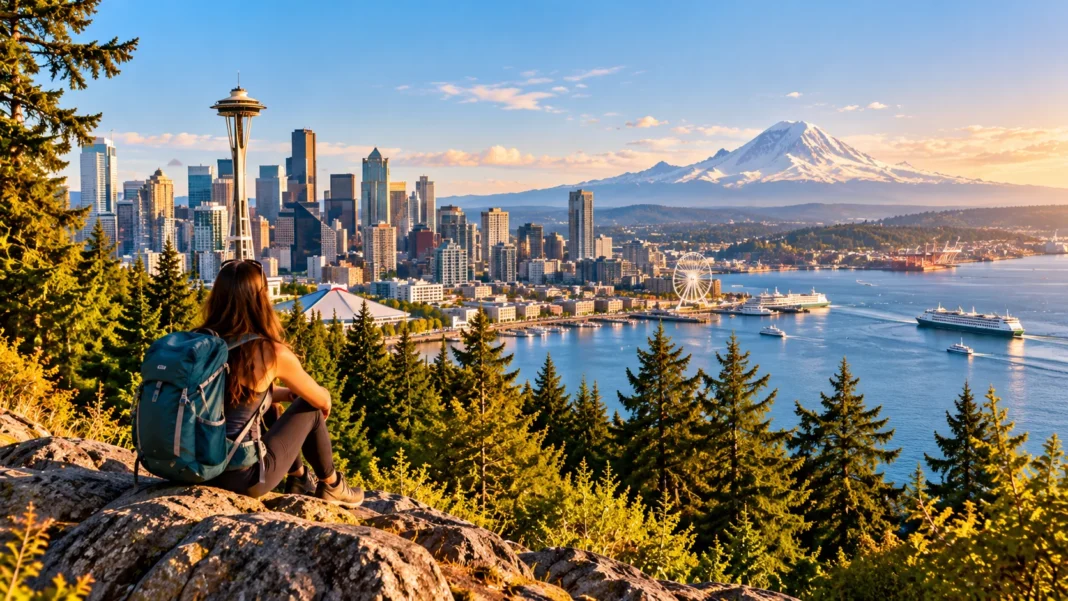
Washington State is one of the most beautiful travel destinations in the Pacific Northwest, offering breathtaking mountains, lush forests, scenic coastlines, and vibrant cities. From the impressive peaks of Mount Rainier National Park to the charming streets of Seattle and the peaceful San Juan Islands, Washington has something for every traveler. However, choosing the right time to visit can make a significant difference in your overall experience.
Understanding the best time to visit Washington State helps travelers plan around seasonal weather, outdoor activities, popular attractions, and travel expenses. While summer brings warm temperatures and generally drier conditions, spring offers blooming landscapes, autumn features colorful scenery, and winter transforms mountain destinations into snowy retreats. This comprehensive guide explores Washington’s weather, seasons, regional differences, and practical travel tips to help you plan a memorable vacation.
When Is the Best Time to Visit Washington State?
The best time to visit Washington State is generally between June and September, when many destinations experience warmer temperatures and longer daylight hours. Summer is particularly appealing for sightseeing, scenic drives, island visits, and exploring national parks. However, the ideal travel period depends on your destination and preferred activities. Mountain conditions can remain snowy even when cities enjoy pleasant weather.
July and August are especially popular because Western Washington typically experiences relatively dry conditions during these months. Visitors can explore Seattle, enjoy coastal scenery, and discover numerous outdoor attractions. However, popular destinations may become crowded, and accommodation prices can increase. Booking early helps travelers secure convenient options during the busiest travel season.
For visitors seeking fewer crowds, late spring and early autumn can provide attractive alternatives. May offers colorful gardens and refreshing landscapes, while September often combines pleasant weather with a calmer atmosphere. Some high-elevation areas may still have seasonal limitations. Choosing travel dates according to regional conditions creates a more enjoyable and realistic itinerary.
Understanding Washington State Weather and Climate
Washington State has a remarkably diverse climate influenced by the Pacific Ocean, the Cascade Mountains, and regional geography. Western Washington generally experiences mild, wet winters and relatively dry summers. Eastern Washington has a more continental climate, with hotter summers and colder winters. These differences mean travelers may encounter dramatically different weather while exploring the same state.
Cities such as Seattle, Tacoma, and Olympia typically receive much of their rainfall between autumn and spring. Coastal areas and temperate rainforests can experience particularly heavy precipitation. Meanwhile, locations east of the Cascades often have sunnier and drier conditions. Understanding these regional differences helps travelers select destinations that match their preferred climate.
Mountain weather introduces additional complexity because temperatures decrease with elevation and conditions can change rapidly. Snow may remain on higher trails well into summer, while lower valleys are already warm. Visitors should check local forecasts rather than relying on statewide weather averages. Packing appropriate layers makes traveling between Washington’s different environments considerably more comfortable.
Visiting Washington State in Spring: March to May
Spring is a beautiful season in Washington State as flowers begin blooming, landscapes turn greener, and temperatures gradually become milder. March can still feel cool and rainy in Western Washington, but April and May often provide more opportunities for outdoor sightseeing. Visitors can enjoy colorful gardens, waterfront attractions, and scenic drives through lower-elevation areas.
One of spring’s most recognizable attractions is the Skagit Valley Tulip Festival, which generally takes place during April. The region’s colorful flower fields attract photographers and nature enthusiasts from different locations. Seattle’s gardens and parks also become particularly attractive. However, flowering periods depend on seasonal temperatures, and rainy conditions remain possible throughout spring.
Spring is an excellent time for travelers interested in avoiding peak summer crowds while enjoying Washington’s natural beauty. However, mountain roads and high-elevation hiking trails may remain snow-covered or inaccessible. Lower-elevation forests, city attractions, and selected coastal destinations are often more practical. Flexible plans help accommodate changing weather and seasonal accessibility.
Visiting Washington State in Summer: June to August
Summer is the most popular season for visiting Washington State because of its pleasant weather and extensive sightseeing opportunities. Western destinations often experience sunny days, comfortable temperatures, and relatively low rainfall. These conditions are particularly attractive for exploring Seattle, the San Juan Islands, and Olympic National Park. Longer daylight hours also provide additional flexibility for sightseeing.
July and August are especially favorable for many outdoor activities, including scenic driving, lakeside relaxation, and visits to established mountain viewpoints. Wildflowers may appear in alpine meadows as seasonal snow recedes. However, Eastern Washington can experience extremely hot temperatures during summer. Travelers should consider regional heat conditions when organizing their daily activities.
The main disadvantage of summer travel is increased demand for accommodation, transportation, and popular attractions. National parks and island destinations can become busy during weekends and holidays. Wildfire smoke may also affect air quality and visibility in some years. Checking current conditions and arranging important reservations in advance can improve the overall experience.
Visiting Washington State in Fall: September to November
Autumn offers a wonderful combination of seasonal color, changing landscapes, and a more relaxed travel atmosphere. September frequently provides comfortable weather in many parts of the state, making it an appealing alternative to peak summer. As temperatures gradually decrease, forests begin displaying shades of yellow, orange, and red. These changes create beautiful scenery across parks and mountain valleys.
October is particularly attractive for travelers interested in fall foliage and seasonal photography. Scenic drives through the Cascade foothills and other forested regions can reveal colorful trees and mountain views. However, rainfall becomes more frequent in Western Washington as autumn progresses. Higher elevations may also experience early snowfall and seasonal road closures.
By November, cooler temperatures and wetter conditions become increasingly common across many regions. Travelers interested in museums, cafés, and cultural attractions may still enjoy city visits during this period. Outdoor plans require greater flexibility because daylight hours are shorter. Autumn is best suited to visitors who appreciate quieter destinations and changing seasonal scenery.
Visiting Washington State in Winter: December to February
Winter transforms Washington’s mountain regions into snowy landscapes, creating a completely different travel experience. The Cascade Mountains receive substantial snowfall, while lower coastal cities often experience cool and rainy weather. Visitors interested in winter scenery can discover mountain resorts and picturesque forest environments. However, accessibility varies considerably depending on elevation and weather.
Popular winter destinations include areas around Mount Baker, Stevens Pass, Snoqualmie Pass, and Crystal Mountain. These locations are known for seasonal snow activities and mountain views. Conditions can change quickly, and mountain roads may require special vehicle equipment or experience. Travelers should follow official weather advisories and local safety guidance.
Seattle and other lower-elevation cities remain accessible during much of winter, although occasional snow and ice can disrupt transportation. Indoor attractions, restaurants, and museums provide enjoyable alternatives during rainy days. Accommodation demand may be lower outside holiday periods and mountain resort areas. Winter travel is rewarding when visitors prepare for shorter daylight hours and unpredictable conditions.
Best Time to Visit Seattle and Nearby Cities
Seattle is one of Washington State’s most popular destinations, offering waterfront attractions, cultural landmarks, museums, and beautiful urban parks. The best time to visit Seattle is generally between June and September, when rainfall tends to be lower. Pleasant summer conditions make walking through neighborhoods and exploring outdoor attractions more comfortable.
Visitors can enjoy destinations such as Pike Place Market, the Space Needle, Seattle Center, and the city’s waterfront throughout the year. However, warm summer weather makes outdoor sightseeing particularly appealing. Spring and autumn also offer enjoyable experiences, although rain becomes more likely. Each season creates a slightly different atmosphere across Seattle’s distinctive neighborhoods.
Travelers seeking lower accommodation costs may find more options outside major events and peak summer weekends. Winter provides opportunities to explore museums, coffee shops, and indoor cultural attractions. However, shorter daylight hours can affect sightseeing schedules. Planning activities according to seasonal weather helps visitors enjoy Seattle regardless of their chosen travel period.
Best Time to Visit Mount Rainier National Park
Mount Rainier National Park is one of Washington’s most spectacular natural attractions, known for its towering volcanic peak, alpine meadows, waterfalls, and forest landscapes. July through September generally provides some of the best opportunities to explore accessible summer areas. However, snow conditions vary by elevation and year. Certain roads and visitor facilities operate seasonally.
Summer is particularly beautiful when alpine wildflowers bloom around popular areas such as Paradise and Sunrise. Clear days can provide remarkable views of Mount Rainier and surrounding valleys. Visitors should remember that blooming periods depend on snowmelt and local weather. Popular viewpoints can become crowded during peak weekends, making advance planning especially useful.
Winter brings heavy snowfall to the park, while spring and autumn conditions can limit access to higher elevations. Some areas remain accessible throughout much of the year, but others close seasonally. Road restrictions and facility schedules can change unexpectedly. Checking current park conditions before visiting is essential for a safe and enjoyable experience.
Best Time to Explore Olympic National Park
Olympic National Park offers remarkable environmental diversity, including temperate rainforests, rugged Pacific beaches, alpine landscapes, and beautiful lakes. Summer, particularly July through September, is generally the most convenient season for exploring several regions during one trip. Rainfall is often lower, and many visitor areas become more accessible. However, weather can differ greatly between locations.
The Hoh Rain Forest is famous for its lush vegetation, moss-covered trees, and extraordinary natural atmosphere. Coastal destinations such as Rialto Beach and Ruby Beach offer dramatic ocean scenery. Hurricane Ridge provides impressive mountain views when accessible. Visitors should check current road and facility conditions because some areas experience seasonal or weather-related restrictions.
Autumn and winter bring increased rainfall to many parts of the Olympic Peninsula, especially along the western coast. These wetter conditions contribute to the region’s distinctive rainforest ecosystems. Travelers who enjoy misty forests may still appreciate visiting during cooler months. However, storm conditions, flooding, and shorter daylight hours can complicate outdoor plans.
Best Time to Visit the San Juan Islands
The San Juan Islands are among Washington’s most charming coastal destinations, known for peaceful villages, scenic shorelines, and beautiful marine landscapes. Late spring through early autumn is generally an attractive period for island visits. June through September often provides relatively pleasant conditions for sightseeing. Summer also brings increased visitor activity and demand for accommodation.
San Juan Island and Orcas Island offer opportunities to explore local communities, waterfront viewpoints, and beautiful natural surroundings. Visitors can enjoy scenic ferry journeys and experience the relaxed atmosphere of island life. Wildlife observation is another popular attraction, although sightings vary naturally. Responsible viewing practices help protect marine animals and coastal environments.
Transportation planning is especially important because island ferries operate according to published schedules and availability. Vehicle reservations may be necessary or strongly recommended on selected routes. Summer weekends can be particularly busy, while seasonal weather can affect travel arrangements. Allowing extra time for connections helps make island excursions less stressful and more enjoyable.
Best Time to Visit Eastern Washington
Eastern Washington offers a different travel experience from the state’s coastal and mountain destinations. The region features expansive valleys, agricultural landscapes, distinctive geological formations, and cities such as Spokane and Walla Walla. Spring and autumn are particularly appealing because temperatures are often more comfortable. Visitors can enjoy sightseeing without the intense heat sometimes experienced during summer.
Summer brings long sunny days, making lakeside activities and scenic exploration attractive. However, temperatures in some areas can become very high, especially during July and August. Outdoor activities are generally more comfortable during cooler parts of the day. Travelers should also monitor wildfire conditions and air quality during periods of elevated fire activity.
Autumn creates beautiful scenery as agricultural regions and tree-lined streets display seasonal colors. Spokane’s parks and the landscapes around Walla Walla are interesting destinations for relaxed sightseeing. Winter can bring freezing temperatures and snowfall to parts of Eastern Washington. Selecting appropriate travel dates depends on whether visitors prefer mild conditions or winter scenery.
Best Time to Visit North Cascades National Park
North Cascades National Park is known for dramatic mountain peaks, glacial lakes, dense forests, and spectacular wilderness landscapes. The most convenient visiting period for many accessible areas is generally from July through September. During these months, seasonal snow has often receded from some popular locations. However, higher trails may remain difficult or inaccessible.
The North Cascades Highway provides access to impressive viewpoints and scenic locations when open. Diablo Lake is one of the region’s best-known attractions, celebrated for its striking turquoise water. Clear summer days can provide beautiful mountain panoramas. Visitors should verify road conditions because snow, maintenance, or other hazards may affect access.
Autumn offers colorful landscapes, but changing weather can bring freezing temperatures and early mountain snow. Winter closures commonly affect sections of the North Cascades Highway. As a result, visitors cannot assume year-round access to all destinations. Planning around seasonal limitations helps travelers enjoy the region’s remarkable scenery without unexpected transportation difficulties.
Travel Tips for Choosing the Right Season
Planning a Washington State vacation begins with identifying the destinations and activities that interest you most. Visitors focused on national parks may prefer summer, while those exploring museums and city attractions have greater seasonal flexibility. Coastal areas, mountains, and inland communities experience different conditions. Creating an itinerary around regional weather can improve comfort and convenience.
Packing is another important consideration because Washington weather can change between locations and throughout the day. Waterproof outerwear, comfortable shoes, and layered clothing are useful during many seasons. Summer visitors should also consider sun protection and changing mountain temperatures. Checking destination-specific forecasts helps prevent unexpected problems while exploring the state’s varied landscapes.
Finally, travelers should account for accommodation availability, transportation schedules, and seasonal closures. Popular parks and island destinations may require reservations during peak periods. Road conditions, wildfire smoke, and severe weather can occasionally disrupt plans. Maintaining a flexible itinerary provides opportunities to adjust activities while still enjoying Washington’s natural beauty and cultural attractions.
Conclusion
The best time to visit Washington State depends on your preferred weather, destinations, and travel experiences. Summer, particularly July through September, generally provides favorable conditions for sightseeing, national parks, and island exploration. Spring offers blooming landscapes, autumn brings colorful scenery, and winter creates beautiful mountain environments. Each season reveals a different side of this diverse Pacific Northwest destination.
Travelers should also consider the important climate differences between Western and Eastern Washington. Coastal cities generally experience wetter winters and milder summers, while inland destinations can have hotter summers and colder winters. Mountain areas introduce additional weather and accessibility challenges. Understanding these variations helps visitors create realistic itineraries and prepare for changing conditions.
Whether you are planning a Seattle city break, a scenic national park adventure, or a peaceful coastal getaway, Washington offers memorable experiences throughout the year. Choose travel dates that match your interests and allow enough time to explore. With thoughtful preparation, flexible scheduling, and attention to local conditions, your Washington State vacation can become an unforgettable journey filled with remarkable scenery and cultural discoveries.
Frequently Asked Questions
What is the best month to visit Washington State?
July and August generally offer warm temperatures, long daylight hours, and relatively dry weather in Western Washington. September is another excellent option for visitors seeking pleasant conditions and potentially fewer crowds.
What is the rainy season in Washington State?
Western Washington typically experiences its wettest period between October and April. However, rainfall varies significantly across the state, with Eastern Washington generally receiving much less precipitation than coastal and rainforest regions.
Is Washington State worth visiting in winter?
Yes. Winter offers snowy mountain landscapes, seasonal recreation, and enjoyable indoor attractions in cities such as Seattle. However, travelers should prepare for rain, cold temperatures, and possible mountain road closures.
When is the best time to visit Mount Rainier National Park?
July through September is generally the most convenient period for exploring many summer-accessible areas of Mount Rainier National Park. Road access and wildflower conditions depend on snowmelt and seasonal weather.
What is the cheapest time to visit Washington State?
Late autumn, winter, and parts of early spring may offer lower accommodation prices in some destinations. However, costs vary with holidays, major events, mountain resort demand, and local travel conditions.

