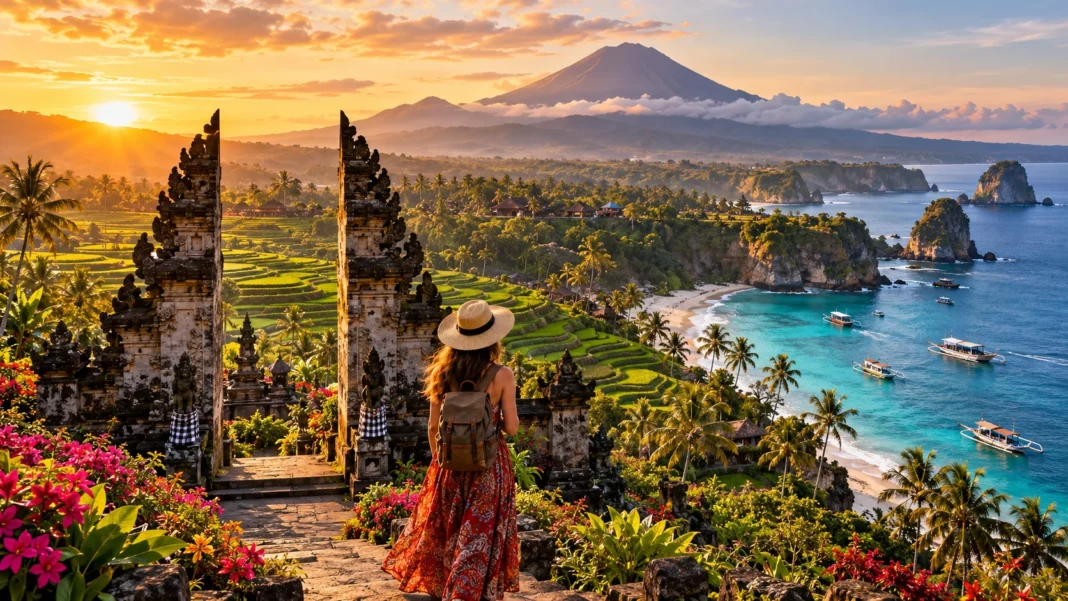
Indonesia is one of Southeast Asia’s most fascinating travel destinations, offering a spectacular combination of tropical islands, ancient temples, lush rainforests, volcanic mountains, and beautiful beaches. From the famous rice terraces of Bali to the remarkable temples of Java, the country provides unforgettable experiences for travelers with different interests. Exploring the best things to do in Indonesia reveals extraordinary natural beauty, cultural diversity, and centuries of fascinating history.
As one of the world’s largest archipelagic countries, Indonesia offers destinations ranging from lively modern cities to peaceful coastal villages. Visitors can discover traditional markets, experience local festivals, admire breathtaking landscapes, and enjoy authentic Indonesian cuisine. Whether you prefer relaxing beach holidays, historical sightseeing, or nature-focused experiences, there are countless memorable places to explore.
This comprehensive Indonesia travel guide covers the best places to visit, famous tourist attractions, cultural experiences, and essential travel tips for planning your vacation. You will discover beautiful islands, historic landmarks, wildlife destinations, transportation advice, and seasonal recommendations. With thoughtful preparation, your Indonesian adventure can become an unforgettable journey through one of Asia’s most diverse countries.
1. Explore Bali and Its Beautiful Tropical Attractions
Bali is one of Indonesia’s most recognizable destinations, famous for its beautiful beaches, traditional temples, tropical landscapes, and distinctive cultural traditions. The island attracts travelers interested in relaxation, photography, wellness experiences, and exploring local communities. Its combination of natural beauty and established tourism facilities makes it particularly appealing to first-time visitors planning an Indonesian vacation.
Popular areas include Ubud, Seminyak, Sanur, and Uluwatu, each offering a different atmosphere. Ubud is known for its arts, green landscapes, and traditional culture, while Sanur provides a relatively relaxed seaside setting. Uluwatu attracts visitors with dramatic coastal cliffs and beautiful viewpoints, while Seminyak features shopping streets, restaurants, and resort accommodations.
Bali also offers opportunities to discover traditional markets, Balinese dance performances, and distinctive architectural landmarks. Visitors can explore temples and surrounding villages while learning about the island’s cultural heritage. Respecting religious customs, dressing appropriately at sacred sites, and choosing responsible tourism experiences can make your visit more enjoyable and meaningful.
2. Visit Ubud and the Famous Tegalalang Rice Terraces
Ubud is one of Bali’s most charming cultural destinations, surrounded by green valleys, traditional villages, and picturesque rice fields. Located in the island’s central region, it offers a peaceful contrast to busier coastal areas. Visitors can explore art galleries, traditional markets, cultural attractions, and beautiful landscapes that reflect Bali’s agricultural traditions.
The Tegalalang Rice Terraces are among the area’s most famous attractions, featuring carefully shaped fields arranged along green hillsides. These terraces demonstrate traditional agricultural practices and provide memorable scenery for photography. Visitors can appreciate the surrounding landscape from designated viewpoints while learning about the importance of rice cultivation to local communities.
Ubud also offers attractions such as the Sacred Monkey Forest Sanctuary and traditional Balinese cultural performances. Travelers can enjoy local restaurants, discover handmade crafts, and explore nearby villages. Visiting popular locations earlier in the day may provide a quieter atmosphere, while respecting wildlife and local customs helps support responsible tourism.
3. Discover Borobudur Temple in Central Java
Borobudur is one of Indonesia’s most impressive historical landmarks and an important destination for travelers interested in ancient architecture. Located in Central Java near Magelang, this magnificent Buddhist monument is recognized as a UNESCO World Heritage Site. Its elaborate stone carvings and distinctive terraced structure represent an extraordinary achievement of early Indonesian civilization.
The temple features multiple levels decorated with detailed relief panels, Buddhist imagery, and stone stupas. Visitors can admire the monument’s architectural design while learning about its religious and historical significance. The surrounding green countryside and distant hills create beautiful scenery, making the location particularly appealing for cultural exploration and photography.
Borobudur is commonly visited from Yogyakarta, making it a convenient addition to a Central Java itinerary. Access to certain temple levels may require specific tickets or guided arrangements, so checking current visitor regulations is important. Respectful clothing, comfortable footwear, and sufficient sightseeing time can make exploring this remarkable monument more rewarding.
4. Explore Yogyakarta and the Magnificent Prambanan Temple
Yogyakarta is one of Indonesia’s most important cultural cities, known for its traditional arts, historic landmarks, royal heritage, and welcoming atmosphere. Located on the island of Java, the city offers an engaging combination of cultural attractions and everyday local experiences. Its central location makes it a popular base for exploring nearby archaeological sites.
Prambanan Temple is among the region’s most famous landmarks, celebrated for its impressive Hindu architecture and towering stone structures. This UNESCO World Heritage Site features temples associated with important Hindu deities and intricate decorative carvings. Visitors can explore the complex while appreciating its historical importance and the artistic achievements of ancient Javanese civilization.
Within Yogyakarta, travelers can discover the Sultan’s Palace, traditional batik workshops, and lively shopping areas such as Malioboro Street. Local restaurants offer opportunities to sample regional specialties, including gudeg, a traditional dish made with young jackfruit. Combining temple visits with cultural experiences provides a memorable introduction to Central Java’s rich traditions.
5. Experience the Spectacular Landscapes of Mount Bromo
Mount Bromo is one of Indonesia’s most recognizable volcanic landmarks, located within Bromo Tengger Semeru National Park in East Java. Its dramatic volcanic scenery includes sweeping sand plains, rugged mountain slopes, and impressive crater landscapes. The surrounding environment creates memorable views that attract photographers and nature enthusiasts from around the world.
One of the region’s most celebrated experiences is observing the landscape from designated panoramic viewpoints. During favorable weather, early morning light reveals the volcanic formations and surrounding mountains. The changing colors of the sky and clouds create striking scenery, making the area particularly appealing for travelers interested in landscape photography.
Mount Bromo is an active volcano, so access restrictions and safety conditions can change with volcanic activity. Visitors should follow official park instructions, remain within authorized areas, and avoid restricted crater zones. Arranging suitable transportation and checking weather conditions beforehand can help make sightseeing more comfortable and responsible.
6. Discover Komodo National Park and Its Unique Wildlife
Komodo National Park is one of Indonesia’s most remarkable natural attractions, located in East Nusa Tenggara. The protected area includes beautiful islands, dramatic hills, and important marine ecosystems. It is particularly famous as the natural habitat of the Komodo dragon, an extraordinary reptile found in this part of Indonesia.
Visitors can discover scenic island landscapes, beautiful coastal viewpoints, and wildlife conservation programs through authorized experiences. The park’s distinctive terrain and surrounding turquoise waters create unforgettable photographic opportunities. Guided observation also provides educational information about Komodo dragons, their ecological importance, and the efforts needed to protect these remarkable animals.
Because Komodo dragons are powerful wild animals, visitors must follow park regulations and remain with authorized guides in designated viewing areas. Respecting wildlife boundaries is essential for personal safety and conservation. Travelers should also verify current park access arrangements and environmental restrictions before booking transportation from the nearby gateway town of Labuan Bajo.
7. Relax on the Beautiful Gili Islands
The Gili Islands are a group of three small tropical islands located near the northwestern coast of Lombok. Gili Trawangan, Gili Air, and Gili Meno are known for their attractive beaches, clear water, and relaxed coastal atmosphere. Each island offers a different experience, making them appealing to travelers seeking a peaceful seaside vacation.
Gili Trawangan is the largest of the three and features a lively tourism environment with restaurants, accommodation, and coastal activities. Gili Air combines visitor facilities with a more relaxed atmosphere, while Gili Meno is particularly associated with quiet surroundings. Beautiful beaches and scenic waterfront views make the islands memorable destinations for photography and relaxation.
Travelers can reach the Gili Islands through available boat services from Lombok or Bali, depending on weather and operating schedules. Marine conditions can change, so selecting authorized transportation is important. Visitors should respect coral reefs, avoid disturbing marine wildlife, and follow local beach safety guidance while enjoying the island environment.
8. Discover Raja Ampat and Its Incredible Marine Scenery
Raja Ampat is one of Indonesia’s most extraordinary natural destinations, located in Southwest Papua. This remarkable archipelago features forest-covered islands, limestone formations, turquoise lagoons, and rich marine ecosystems. Its remote location and spectacular scenery make it especially appealing to travelers interested in nature, conservation, and memorable island landscapes.
The region is internationally recognized for its exceptional marine biodiversity, including colorful coral reefs and numerous fish species. Visitors can appreciate the surroundings through authorized boat excursions and carefully managed marine experiences. Scenic viewpoints reveal clusters of small islands surrounded by clear water, creating some of Indonesia’s most distinctive tropical landscapes.
Traveling to Raja Ampat requires additional preparation because transportation connections and visitor facilities are more limited than in major tourism destinations. Conservation fees, accommodation arrangements, and local access requirements should be confirmed before departure. Responsible tourism practices are essential for protecting the delicate ecosystems and supporting communities throughout the archipelago.
9. Explore Lake Toba and the Beautiful Island of Sumatra
Lake Toba is one of Indonesia’s most impressive natural attractions, located in the mountainous region of North Sumatra. This enormous volcanic lake is famous for its beautiful scenery, surrounding hills, and distinctive cultural heritage. Its peaceful waters and picturesque villages provide an appealing destination for travelers seeking relaxation and cultural experiences.
Samosir Island, located within Lake Toba, is particularly known for its connection to Batak culture and traditional architecture. Visitors can explore local communities, admire distinctive houses, and learn about regional artistic traditions. The surrounding landscape also provides beautiful opportunities for photography, relaxed sightseeing, and enjoying the calm atmosphere.
Lake Toba can be reached through travel connections from Medan and other parts of North Sumatra. Because the surrounding roads include mountainous sections, journey times may vary. Spending several days in the area allows visitors to explore the cultural attractions and appreciate the scenery without an unnecessarily rushed schedule.
10. Discover Jakarta and Indonesia’s Modern City Life
Jakarta is Indonesia’s largest metropolitan city and a major center of business, culture, entertainment, and transportation. Located on the island of Java, the city offers a fascinating contrast to the country’s tropical islands and rural landscapes. Visitors can explore historic neighborhoods, modern shopping districts, museums, and diverse culinary destinations.
Kota Tua, Jakarta’s historic Old Town, is one of the city’s most recognizable cultural areas. Visitors can admire colonial-era architecture, discover museums, and explore attractive public spaces. Other landmarks include the National Monument, known as Monas, and cultural institutions that highlight Indonesia’s history and diverse traditions.
Jakarta’s busy traffic makes transportation planning important, particularly when visiting attractions across different districts. The city offers rail-based services, public buses, and other transport options that can simplify sightseeing. Exploring local restaurants and established cultural attractions provides an engaging introduction to Indonesia’s contemporary urban life.
11. Enjoy Traditional Indonesian Food and Cultural Experiences
Indonesian cuisine is one of the country’s most enjoyable attractions, reflecting a remarkable variety of regional traditions, ingredients, and cooking methods. Different islands have developed distinctive dishes influenced by local agriculture, historical trade, and cultural exchange. Exploring traditional food provides travelers with an enjoyable way to understand Indonesia’s diverse communities.
Popular dishes include nasi goreng, a flavorful fried rice dish, and satay, which consists of seasoned grilled skewers commonly served with sauces. Visitors can also discover rendang, gado-gado, and regional noodle specialties. Traditional markets, casual eateries, and family-operated restaurants provide opportunities to experience the country’s rich culinary heritage.
Beyond food, Indonesia offers cultural experiences involving traditional dance, music, textiles, and craftsmanship. Batik production, gamelan music, and regional festivals reflect the country’s artistic traditions. Travelers should respect local customs, ask permission before photographing people, and choose cultural experiences that support local communities and preserve traditional knowledge.
12. Best Time to Visit Indonesia for Different Activities
The best time to visit Indonesia depends on your destination because the country’s tropical climate varies between islands and regions. Many popular destinations, including Bali and parts of Java, experience relatively drier conditions from approximately May through September. These months are often appealing for sightseeing, coastal relaxation, and exploring outdoor attractions.
The wetter season in many western and central areas generally occurs from around November through March, although rainfall patterns differ significantly across the archipelago. Tropical showers can affect transportation and sightseeing, particularly in remote destinations. However, rainy periods may also bring beautiful green landscapes and a quieter atmosphere in some tourist areas.
Eastern destinations such as Raja Ampat can experience different seasonal weather patterns, so travelers should research conditions for each specific location. School holidays and major festivals can also influence accommodation prices and visitor numbers. Selecting dates based on regional weather, transportation availability, and preferred experiences helps create a more comfortable travel itinerary.
13. Essential Indonesia Travel Tips for First-Time Visitors
Planning an Indonesian vacation begins with understanding the country’s enormous geographical scale. Traveling between Bali, Java, Sumatra, and eastern islands may require flights or lengthy sea journeys. Instead of attempting to visit too many distant destinations, focus on a manageable itinerary that allows meaningful exploration and comfortable transportation connections.
Domestic flights, trains on selected islands, ferries, buses, and private transfers provide different ways to travel around Indonesia. Conditions and service reliability vary, particularly in remote regions. Before departure, check entry and visa requirements, passport validity, and applicable tourist fees, including Bali’s foreign tourist levy where required.
Pack lightweight clothing suitable for tropical weather, comfortable walking shoes, and appropriate protection from rain and strong sunlight. Respect cultural customs when visiting religious sites and follow official safety guidance around beaches, volcanoes, and protected wildlife areas. A flexible itinerary and responsible travel choices can make your Indonesian adventure more enjoyable.
Conclusion
Indonesia is a remarkable travel destination offering extraordinary natural landscapes, historic temples, tropical beaches, and fascinating cultural traditions. From exploring Bali’s scenic rice terraces and Java’s ancient monuments to discovering Lake Toba and Komodo National Park, the country provides an impressive variety of attractions. Every region offers distinctive experiences that reveal another side of Indonesia’s rich heritage.
Planning the best things to do in Indonesia becomes easier when you choose destinations that match your interests and available travel time. Cultural enthusiasts can explore temples and historic cities, while nature lovers can admire volcanic landscapes and beautiful islands. Careful transportation planning and awareness of seasonal weather conditions help make the journey more comfortable.
Whether you are visiting Indonesia for the first time or returning to explore new destinations, thoughtful preparation can create unforgettable memories. Enjoy traditional cuisine, discover local communities, and appreciate the country’s remarkable scenery. With its diverse landscapes, welcoming cultures, and extraordinary attractions, Indonesia remains one of Southeast Asia’s most rewarding destinations.
Frequently Asked Questions (FAQs)
What are the best places to visit in Indonesia?
Popular destinations include Bali, Yogyakarta, Borobudur Temple, Mount Bromo, Komodo National Park, the Gili Islands, Raja Ampat, and Lake Toba. Each offers unique cultural attractions or natural scenery.
How many days are enough to explore Indonesia?
Ten to fourteen days can provide enough time to explore two or three nearby regions comfortably. Longer vacations allow travelers to discover additional islands without spending excessive time on transportation.
What is the best time of year to visit Indonesia?
May through September is often an excellent period for visiting Bali and Java because conditions are generally drier. However, seasonal weather patterns vary across Indonesia’s many islands.
Is Indonesia expensive for tourists?
Indonesia offers accommodation, food, and transportation options for different budgets. Bali and remote island destinations can be more expensive, while local restaurants and public transportation may help reduce costs.
Do tourists need a visa to visit Indonesia?
Visa requirements depend on nationality and travel circumstances. Some visitors qualify for visa-on-arrival arrangements, while others need advance approval. Always verify current immigration requirements before departure.

