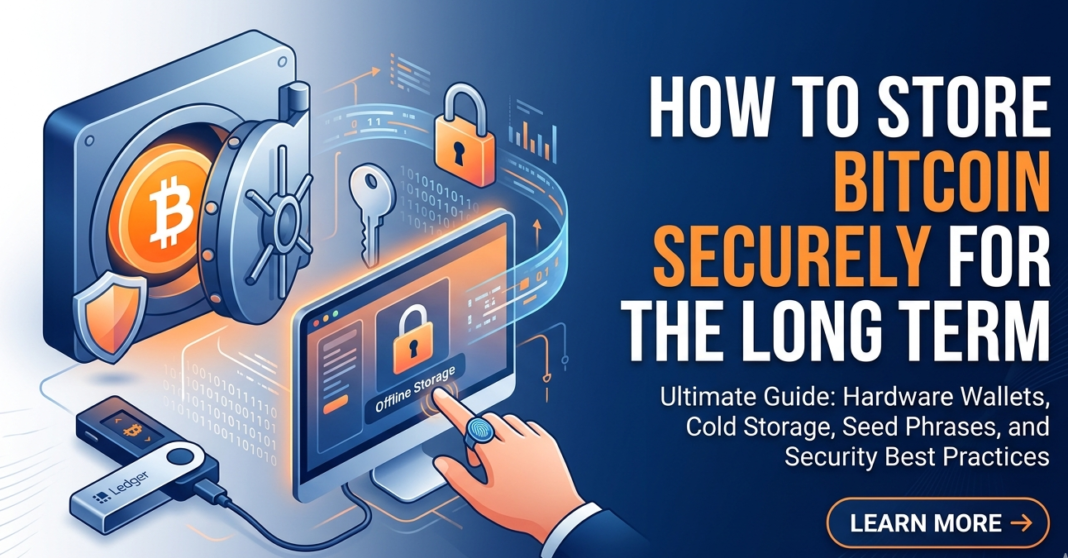
Understanding the Basics of Bitcoin Storage
Bitcoin is a decentralized digital currency that operates on blockchain technology, allowing for peer-to-peer transactions without the need for a central authority. As a digital asset, Bitcoin’s value is derived from its scarcity, security, and the trust of its users. It is essential for holders, particularly long-term investors, to understand how to store Bitcoin securely to prevent theft and loss.
The concept of Bitcoin storage revolves around the use of digital wallets, which are software programs or hardware devices that enable users to send, receive, and manage their Bitcoin holdings. There are several types of wallets available, each with distinct features and levels of security. Hot wallets, for instance, are connected to the internet, making them convenient for daily transactions but potentially vulnerable to hacking. While they provide ease of access, their reliance on online connectivity increases the risks associated with cybersecurity threats.
On the other hand, cold wallets, or offline wallets, are not connected to the internet, which significantly enhances their security. These can include paper wallets and hardware wallets. Hardware wallets, in particular, are physical devices specifically designed for securely storing Bitcoin and other cryptocurrencies. They store the user’s private keys offline, making it nearly impossible for hackers to access them remotely. This makes hardware wallets a preferred choice for individuals looking to hold Bitcoin long-term without exposing their assets to potential online breaches.
In summary, understanding the different types of Bitcoin wallets is crucial for anyone interested in storing Bitcoin securely. This understanding not only helps investors safeguard their assets but also allows them to make informed decisions based on their personal security needs and usage preferences. By optimizing storage methods, holders can protect their investments and participate confidently in the cryptocurrency market.
Types of Wallets for Bitcoin Storage
When it comes to storing Bitcoin securely for the long term, understanding the various types of wallets available is essential. Each wallet type offers distinct advantages and disadvantages regarding security and accessibility. The primary categories of Bitcoin wallets include hot wallets, cold wallets, hardware wallets, and paper wallets.
Hot wallets, often referred to as software wallets, are connected to the internet and allow for quick access to your Bitcoin. They are ideal for frequent transactions, making them user-friendly and convenient. However, since they are online, they are more susceptible to hacking and malware attacks. Examples of hot wallets include mobile apps and online services where users manage their Bitcoin through vanity-friendly platforms.
In contrast, cold wallets operate offline, providing a significant security advantage. Cold wallets include hardware wallets, which are physical devices that store your Bitcoin securely and are not connected to the internet. These devices can protect against online threats; however, they are less convenient for regular transactions. Users must connect the hardware wallet to a computer or mobile device when they need to access their funds, which adds a layer of complexity.
Another form of cold storage is the paper wallet, which is a printed QR code containing the Bitcoin address and its associated private key. While paper wallets are inherently safe from online attack vectors, they carry risks such as physical damage, loss, or theft. Users must ensure proper storage of this paper wallet to prevent any potential loss.
Ultimately, the choice of wallet depends on individual preferences, transaction frequency, and the level of security desired. Each type of wallet plays a pivotal role in managing your Bitcoin in a secure manner while balancing accessibility.
Importance of Private Keys and Seed Phrases
In the realm of Bitcoin, the significance of private keys and seed phrases cannot be overstated. These components serve as the bedrock of security for your digital assets. A private key is a cryptographic code that allows you to access and manage your Bitcoin, while a seed phrase—often a sequence of 12 to 24 words—is used to regenerate your private key in case of loss or damage.
Private keys operate like the password to a bank account, granting the holder control over their Bitcoin. Without this key, accessing your Bitcoin becomes impossible, underscoring the necessity of safeguarding it. If someone gains access to your private key, they can manipulate your Bitcoin holdings without your consent. Therefore, it is pivotal to retrieve and store this information in a secure environment.
On the other hand, seed phrases not only facilitate the recovery of lost private keys but also streamline the process of managing multiple cryptocurrencies. Given their sensitive nature, it is paramount to write down your seed phrases on a physical medium, such as paper, and store them in a safe location. Digital storage options can expose you to phishing attacks and cybersecurity threats.
The role of private keys and seed phrases is integral to ensuring that your Bitcoin remains within your control. By implementing robust security measures, such as hardware wallets and secure backups, you can significantly mitigate the risks associated with loss or theft. Understanding how these critical elements function is essential for anyone looking to safeguard their Bitcoin investment effectively.
Choosing the Right Wallet for Long-Term Storage
When considering how to store Bitcoin securely for the long term, selecting the right wallet is a crucial step. The primary types of wallets available include hardware wallets, software wallets, and paper wallets, each with distinct features and security levels. A hardware wallet, often regarded as one of the safest options, stores your private keys offline, safeguarding them from online threats. Popular examples include Trezor and Ledger, which are designed specifically for long-term storage, providing users with peace of mind.
In contrast, software wallets are more convenient for frequent transactions but pose a higher risk if connected to the internet. These wallets can be desktop or mobile-based, offering usability advantages, which may not be ideal for those interested in holding Bitcoin over an extended period. Moreover, online wallets, or web wallets, provide ease of access but are susceptible to hacking attempts, making them less suitable for long-term holders.
Paper wallets, while a more unorthodox method, involve printing out your Bitcoin keys and securely storing them in a safe place. This method eliminates the risk of cyber attacks, yet it comes with its own set of challenges, such as the risk of physical damage or loss. For larger holdings, combining multiple wallet types can enhance security; this may involve keeping a small quantity in a software wallet for transactions while securing the bulk in a hardware wallet.
Ultimately, the wallet choice depends on individual needs, including how much Bitcoin one intends to store, desired ease of access, and personal risk tolerance. As Bitcoin continues to grow in popularity, making a calculated investment in security is vital for long-term holders. Prioritizing safety and accessibility will ensure that Bitcoin remains securely stored and easily retrievable as needed.
Best Practices for Securing Bitcoin Wallets
Securing your Bitcoin wallet is paramount in ensuring the safety of your digital assets against theft and unauthorized access. The first significant measure to enhance your wallet’s security is to enable two-factor authentication (2FA). With 2FA, even if someone attempts to access your wallet, they would need a second form of verification, such as a code sent to your mobile device or an authentication app. This added layer of security significantly reduces the risk of unauthorized access.
Another critical aspect of wallet security is the selection of strong, unique passwords. Your password should be a complex combination of letters, numbers, and special characters, making it difficult for potential hackers to decipher. It is advisable to avoid using easily guessable information, such as birthdays or names, and to consider using a password manager to help manage and generate secure passwords.
In addition to enabling strong passwords and 2FA, users should remain vigilant against phishing scams. Phishing typically involves tricking individuals into providing sensitive information by masquerading as legitimate entities. Common phishing tactics include deceptive emails or fraudulent websites that appear genuine. Always verify the legitimacy of any communication or website before entering your personal details. Bookmarking the website’s URL can ensure that you directly access your wallet without falling prey to phishing attacks.
Finally, consider regularly updating your wallet software and ensuring that your device’s operating system is secure and up-to-date. Software updates frequently contain critical security patches that help protect against new vulnerabilities. By implementing these best practices, individuals can significantly enhance the security of their Bitcoin wallets, providing them with peace of mind in safeguarding their digital investments.
Setting Up Multi-Signature Wallets for Enhanced Security
Multi-signature wallets represent a groundbreaking approach to cryptocurrency security, particularly for Bitcoin storage. Unlike traditional wallets that require only a single private key for access, multi-signature wallets necessitate multiple private keys from different parties to authorize transactions. This feature greatly increases security, as it protects against theft and unauthorized access. The functionality of a multi-signature wallet operates on the basic premise of requiring a set number of signatures (private keys) from a defined group to complete a transaction. For example, a 2-of-3 multi-signature wallet allows three designated users to hold their private keys, yet requires only two of them to sign off on a transaction. This flexibility enhances security while also allowing for collaborative decision-making in the management and usage of the Bitcoin assets.
Using multi-signature wallets is particularly advantageous in certain scenarios. They are ideal for businesses or organizations that require shared control over Bitcoin funds, allowing different stakeholders to participate in the management and safeguarding of the assets. Additionally, individuals can utilize multi-signature setups for personal Bitcoin holdings, effectively distributing keys across different secure locations. This measure significantly mitigates the risk of losing all access if one key is compromised or lost. Furthermore, in the context of long-term storage, it safeguards against single points of failure by ensuring that not just one person can control or access the funds.
However, while the benefits of setting up a multi-signature wallet are substantial, it is essential to consider the implications. Users must ensure proper management of the keys and establish clear protocols regarding who holds which keys and how the transactions will be authorized. Failure to do so may lead to increased complexity or even loss of access if keys are misplaced. Therefore, carefully planning and understanding the operational dynamics of multi-signature wallets is crucial for effective long-term Bitcoin storage and enhanced security.
Cold Storage Options for Bitcoin
Storing Bitcoin securely for the long term is vital for anyone looking to protect their assets from theft and loss. Cold storage methods keep cryptocurrencies offline, ensuring they are less vulnerable to hacking attempts. Among the most popular cold storage options are hardware wallets, USB drives, and paper wallets, each offering unique advantages and ways to manage Bitcoin safely.
Hardware wallets are specifically designed to store Bitcoin and other cryptocurrencies securely. These devices are like USB drives but have enhanced security features. They generate and store your private keys offline, making them immune to malware and online attacks. To set one up, users must connect the device to their computer, install the accompanying software, and follow the instructions to create a new wallet. It is crucial to keep the hardware wallet firmware updated and store the device in a safe location to prevent physical theft.
Another effective cold storage option is using a USB drive. By downloading a wallet program that supports offline storage, users can create a wallet on the USB device. Once the wallet is set up, and the private keys are generated, the USB drive should remain disconnected from the internet. It is essential to ensure that the USB drive is password-protected and encrypted for additional security. Users should also consider keeping backup copies of the wallet and its private keys in a secure place.
Lastly, some individuals prefer paper wallets, which involve printing out the wallet’s public and private keys on a physical medium. While this method eliminates the risk of digital attacks, it introduces challenges related to physical loss or destruction. Users must ensure that the paper wallet is kept in a waterproof and fireproof safe to mitigate these risks. Different cold storage solutions provide varying levels of security, so it is imperative for Bitcoin holders to assess their personal needs when choosing a method.
Regular Maintenance and Monitoring of Bitcoin Storage
The long-term storage of Bitcoin requires diligent attention to ensure that funds remain secure. Regular maintenance and monitoring are essential components of a robust Bitcoin safety strategy. One of the primary tasks that must not be overlooked is conducting security audits of your Bitcoin storage methods. This entails reviewing everything from the security protocols applied to your wallets to the hardware and software involved in storing your Bitcoin. It is advisable to routinely evaluate these elements against the latest security practices in the cryptocurrency space to remain vigilant against potential threats.
Additionally, software updates are critical for maintaining the security of your Bitcoin storage. The cryptocurrency landscape evolves rapidly, with new vulnerabilities emerging frequently. Keeping your wallet software and related security applications up to date minimizes the risk of exploitation by hackers. Make it a habit to check for updates on a regular schedule, and enable automatic updates if possible to ensure you are always operating with the latest security features.
Another vital practice in managing Bitcoin storage involves monitoring for unusual activity. Being proactive is key in this regard; set realistic expectations for your Bitcoin transactions and wallet activity. If you notice anything that deviates from your standard usage patterns, immediate investigation is warranted. This may involve checking for unauthorized transactions or accessing your wallet from a different device. Employing alerts or notifications that signal any suspicious activity can add an extra layer of protection.
In essence, the maintenance of Bitcoin storage is an ongoing responsibility that requires a commitment to security, regular checks, and swift responses to any anomalies. Adopting these best practices provides peace of mind and enhances the overall safety of your digital assets over the long term.
Preparing for the Future: Estate Planning for Bitcoin Holders
As the popularity of Bitcoin and other cryptocurrencies continues to grow, it is essential for holders to consider how these digital assets will be managed and transferred in the event of unforeseen circumstances. Proper estate planning is crucial in ensuring that the value stored in Bitcoin is passed on securely to heirs or beneficiaries. One of the first steps in this process is to create an accurate inventory of all crypto assets, including wallet addresses and private keys. This information should be documented in a secure manner to protect against theft or loss.
Documentation is a key component of effective estate planning for Bitcoin holders. Individuals should create legal documents, such as wills or trusts, which explicitly state how their Bitcoin should be managed and distributed after their passing. It is advisable to consult with an attorney who specializes in cryptocurrency estate planning to ensure compliance with current laws and regulations. Additionally, creating a Digital Asset Trust can be beneficial, as it offers a structured way to manage and distribute digital assets while providing guidance to the trustee on handling cryptocurrency matters.
Moreover, communication with trusted individuals is vital. It is recommended that Bitcoin holders discuss their plans with family members or trusted friends who will be involved in the estate process. This conversation can help clarify the intent for asset distribution and ensure that necessary steps are understood and followed. Providing them with access to necessary information—while still maintaining ultimate security—can facilitate a smoother transition of assets.
In summary, effective estate planning is imperative for Bitcoin holders to ensure their digital assets are handled as intended in the future. By focusing on proper documentation and fostering open communication with trusted individuals, holders can secure their Bitcoin investments for the long term.

