Introduction to Portugal and Spain
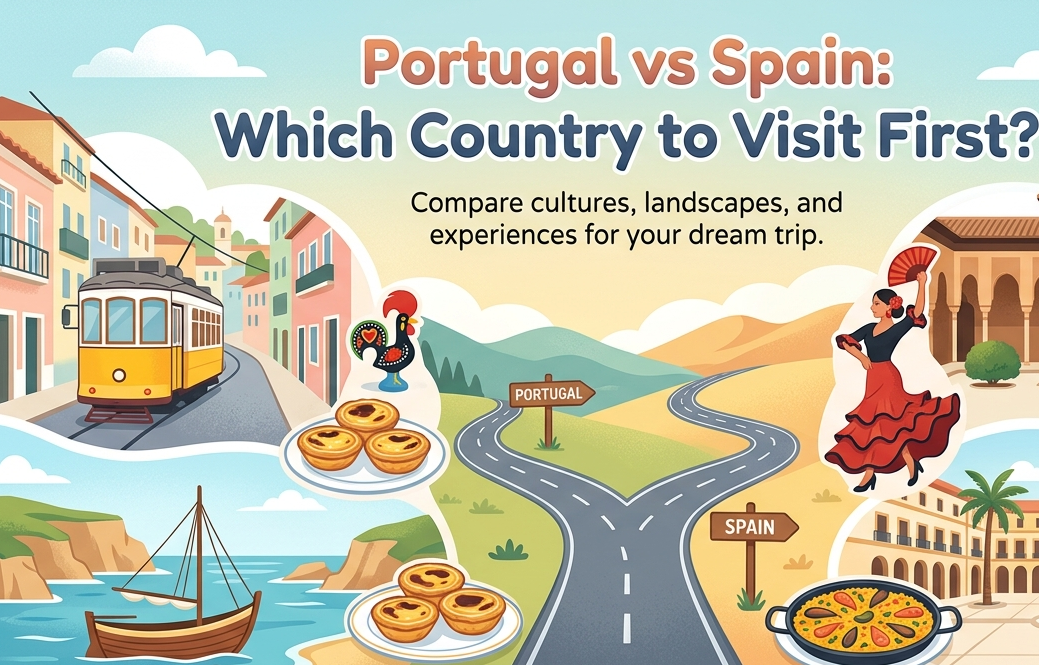
Portugal and Spain, two neighboring countries on the Iberian Peninsula, present a rich tapestry of history, culture, and natural beauty. Both nations share a border, but their distinct identities make them compelling destinations for travelers. With Portugal located to the west of Spain, and bordered by the Atlantic Ocean, it offers stunning coastlines and a temperate climate. The capital city of Lisbon showcases charming streets, colorful architecture, and a vibrant culture that includes traditional music and cuisine.
Spain, situated to the east of Portugal, is known for its diverse landscapes and regions. From the vibrant streets of Barcelona to the historic heritage of Madrid, Spain boasts a variety of attractions that cater to all types of visitors. The country is famous for its flamenco dancing, exquisite cuisine, and renowned festivals, such as La Tomatina and the Running of the Bulls. Spain’s geographical diversity includes picturesque beaches, striking mountains, and lush countryside, presenting an array of opportunities for exploration.
In terms of tourism appeal, both countries attract millions of visitors each year. Portugal is celebrated for its friendly locals, affordability, and scenic wine regions like the Douro Valley, which are complemented by lots of outdoor activities such as hiking and surfing. Meanwhile, Spain’s cultural heritage, represented by numerous UNESCO World Heritage Sites, offers travelers the chance to immerse themselves in art and history while indulging in the country’s famous gastronomy.
The juxtaposition of Portugal’s quaint charm and Spain’s vibrant energy provides a distinctive allure. Ultimately, the choice of which country to visit first comes down to the interests and preferences of the individual traveler, as both destinations promise unforgettable experiences.
Cultural Highlights of Portugal
Portugal boasts a rich cultural heritage that captivates visitors and infuses life into its cities and towns. Among its most iconic features is the traditional music known as Fado. Characterized by its melancholy melodies and lyrical themes of longing and nostalgia, Fado is performed in intimate settings, often evoking deep emotions that resonate with both locals and tourists alike. This musical genre offers an authentic glimpse into the soul of Portuguese culture, reflecting its history and maritime past.
In addition to its distinct music, Portugal is home to a plethora of famous landmarks that showcase its architectural brilliance and historical significance. The Belém Tower, a UNESCO World Heritage site, exemplifies the Manueline style that flourished in the 16th century, marking the Age of Discoveries. Likewise, the Jerónimos Monastery, also in Belém, houses stunning carvings and intricate details that illustrate the wealth and power of the era. Visitors to these sites gain insight into Portugal’s vibrant past and its role in global exploration.
Culinary delights further elevate Portugal’s cultural appeal. The country is renowned for its delectable pastries, particularly the Pastéis de Nata, a creamy custard tart that has garnered international acclaim. Each bite offers a perfect balance of crisp pastry and rich filling, making it a beloved treat among locals and tourists alike. Besides sweets, traditional dishes such as Bacalhau—salted cod fish—are often featured in festive occasions, symbolizing the nation’s deep-rooted fishing traditions and culinary creativity.
In essence, Portugal’s cultural highlights—from its soul-stirring Fado music and historic landmarks to its exquisite cuisine—offer an alluring tapestry that invites exploration and appreciation from anyone fortunate enough to visit.
Cultural Highlights of Spain
Spain is renowned for its vibrant and diverse culture, which is deeply intertwined with its historical roots and artistic expressions. One of the most iconic offerings of Spanish culture is its architecture, vividly exemplified by the works of Antoni Gaudí. His masterpiece, the Sagrada Família in Barcelona, is a testament to modernist architectural excellence, combining intricate designs and colors that reflect both religious and natural themes. Similarly, the Alhambra in Granada stands as a pinnacle of Moorish architecture, featuring breathtaking palaces and lush gardens that narrate the story of Spain’s Islamic heritage.
In addition to its architectural marvels, Spain is celebrated for its lively local festivals, which offer a unique window into its traditions and communal spirit. La Tomatina, held annually in Buñol, is a famous festival characterized by a massive tomato fight, drawing tourists and locals alike, all seeking joy and camaraderie. Another prominent event, the San Fermín festival in Pamplona, is famous for the Running of the Bulls, captivating visitors with its thrilling and controversial displays. These festivals not only showcase the joyous spirit of the Spanish populace but also serve to strengthen the community bonds.
Moreover, the culinary landscape of Spain adds to its cultural richness. Spanish cuisine is characterized by its bold flavors and variety, making it a focal point for food enthusiasts. Tapas—small dishes meant for sharing—encapsulate the essence of Spanish social dining, encouraging communal enjoyment. Another staple, paella, hails from Valencia and features a delightful blend of rice, saffron, vegetables, and varying proteins. This culinary diversity not only highlights the regional differences across Spain but also stands in satisfying contrast to the gastronomic offerings found in neighboring Portugal.
Natural Landscapes and Outdoor Activities in Portugal
Portugal is renowned for its diverse natural landscapes that attract outdoor enthusiasts and nature lovers from around the globe. One of the most iconic regions is the Algarve, celebrated for its stunning beaches characterized by golden sands and dramatic cliffs. With over 300 days of sunshine per year, the Algarve offers an array of outdoor activities, including swimming, snorkeling, and sailing, making it an ideal destination for those seeking enjoyment along the coast.
Moving inland, the Douro Valley presents a striking contrast with its terraced vineyards lining the steep slopes of the river. This UNESCO World Heritage site not only offers breathtaking views but also provides opportunities for wine tasting and leisurely river cruises, allowing visitors to immerse themselves in Portugal’s rich viticulture. Hiking along the trails of the Douro Valley also allows one to discover the region’s unique flora and fauna, making it a haven for hikers and nature photographers.
Further north, the mountains of Peneda-Gerês National Park offer a different experience altogether. The park is known for its rugged terrain, diverse wildlife, and cascading waterfalls, offering hiking trails that vary in difficulty, accommodating beginners to advanced adventurers. Activities such as mountain biking, rock climbing, and horseback riding are popular among visitors, who are eager to explore this breathtaking landscape.
The variety of natural environments throughout Portugal allows for a multitude of outdoor activities, from surfing the waves of the Atlantic coast to hiking the scenic paths of the north. Whether it’s a relaxing day on the beach or an adventurous trek in the mountains, Portugal’s natural landscapes offer something for every traveler, making it a prime destination for those seeking outdoor experiences.
Natural Landscapes and Outdoor Activities in Spain
Spain is renowned for its diverse and stunning natural landscapes, offering visitors an array of outdoor activities amidst breathtaking scenery. The beaches of Costa del Sol epitomize the country’s coastal charm, where golden sands meet the azure waters of the Mediterranean Sea. This region is a haven for sun-seekers, water sports enthusiasts, and those looking to indulge in the vibrant local culture. The beaches not only provide opportunities for relaxation but also a variety of activities such as windsurfing, paddleboarding, and scuba diving.
In contrast to the coastal allure, the Pyrenees mountains present a completely different setting, where adventurers can explore rugged terrains and breathtaking vistas. The Pyrenees are home to numerous hiking trails that cater to all levels of experience, from casual walkers to seasoned trekkers. In winter, these mountains transform into a ski paradise, attracting winter sports enthusiasts from around the globe.
Spain’s national parks, such as Picos de Europa and Sierra de Guadarrama, further contribute to the country’s reputation as an outdoor destination. These protected areas boast unique ecosystems and a wealth of biodiversity, providing ample opportunities for hiking, bird watching, and exploring the stunning natural beauty. Notably, the Sierra Nevada mountain range offers unique outdoor experiences, where visitors can hike its trails, many of which lead to picturesque lakes and hidden valleys. Additionally, the allure of swimming in the warm Mediterranean waters creates a perfect balance of hiking adventures and beach relaxation.
Contrasting with Portugal, which offers its own share of beautiful landscapes and outdoor activities, Spain stands out with its varied environments, ample adventure opportunities, and the unique blend of coastal and mountainous experiences. Each region offers distinct activities, ensuring that every traveler finds something that resonates with their adventurous spirit.
Climate and Best Time to Visit Each Country
The climate in both Portugal and Spain plays a significant role in shaping the travel experience, making it essential for visitors to consider seasonal weather patterns when planning their trips. Portugal, located along the Atlantic coast, boasts a Mediterranean climate characterized by mild winters and warm, dry summers. The coastal regions like Lisbon and Porto typically enjoy sunny weather from May to September, making this period ideal for beach activities and outdoor explorations.
Conversely, central and northern Portugal experience cooler temperatures, especially during winter, with peaks in rainfall from October to February. Therefore, spring (March to June) and autumn (September to October) are often deemed the best times for visitors seeking pleasant weather while enjoying fewer crowds. Spring is particularly appealing with blooming flowers, while autumn features the harvest season, providing a fantastic opportunity to taste local wines.
In Spain, the climate can vary extensively due to its diverse geography. The southern region, such as Andalusia, shares a hot Mediterranean climate, where summers can reach high temperatures, particularly in July and August. Cities like Seville and Cordoba are best visited in spring (April to June) or autumn (September to October) to avoid the sweltering heat while still enjoying their rich cultural offerings.
Central Spain, including Madrid, experiences a continental climate with hot summers and cold winters. For those interested in exploring Spain’s historic cities, the shoulder months of April to June and September to October provide favorable conditions. In terms of outdoor activities like hiking and sightseeing, both countries excel in spring and autumn, presenting temperature ranges suitable for exploring urban landscapes or natural parks.
Travel Costs: Portugal vs. Spain
When planning a trip to the Iberian Peninsula, one of the crucial factors to consider is travel costs. Understanding the differences in expenses between Portugal and Spain can significantly influence your travel experience. Generally, Portugal is perceived as the more budget-friendly option when compared to Spain. This perception is evident when evaluating accommodation prices, dining options, transportation costs, and potential savings.
Accommodation can vary widely, but on average, travelers will find that hotels and hostels in Portugal are typically less expensive than their Spanish counterparts. While major cities such as Lisbon and Porto have upscale accommodations, many budget-friendly options exist. In Spain, cities like Barcelona and Madrid also offer a wide range of accommodations, but prices tend to be higher, particularly in tourist hotspots.
Dining costs can also differentiate the two countries. In Portugal, a meal at a local restaurant can cost significantly less than in Spain. Traditional Portuguese dishes are often affordable, with options available for travelers seeking budget meals. In contrast, while Spain offers a rich culinary experience, dining in popular areas can lead to increased expenses. Nevertheless, both countries have tapas and street food that can serve as economical dining alternatives.
Transportation costs further impact overall travel expenses. In both countries, public transportation is generally efficient and affordable. However, Portugal’s transportation system, including its metro and bus services, often comes at a lower price point compared to corresponding services in Spanish cities. Additionally, intercity travel by train can reveal price discrepancies, with some routes in Spain being more expensive than in Portugal.
In conclusion, the travel costs associated with visiting Portugal versus Spain can significantly impact a traveler’s budget. While both countries offer unique experiences, Portugal may provide more savings opportunities, making it an attractive destination for travelers mindful of their expenses.
Transportation and Accessibility
When considering a visit to Portugal or Spain, understanding the transportation options available is crucial for planning an enjoyable trip. Both countries offer various modes of transport that facilitate travel within and between their borders, ensuring tourists can experience the diverse regions each has to offer.
For travelers moving within Portugal, the country boasts an efficient train system, known for its punctuality and comprehensive coverage. The Comboios de Portugal train service connects major cities such as Lisbon, Porto, and Faro, providing a comfortable and scenic travel option. Additionally, the trains are economically priced, making them an appealing choice for budget-conscious travelers. In Spain, Renfe operates a similarly extensive train network, featuring high-speed trains like the AVE that connect major urban centers with remarkable speed and convenience.
When it comes to air travel, both Portugal and Spain are well-served by numerous international airports. Lisbon and Porto in Portugal, as well as Madrid and Barcelona in Spain, host various direct flights from around the globe. This connectivity makes it relatively easy for international tourists to access both destinations. Furthermore, several low-cost airlines frequently operate between the two countries, offering budget-friendly flight options for travelers looking to visit both Portugal and Spain.
Car rentals are another viable option for those wishing to explore the scenic routes and hidden gems of either country. Both nations feature well-maintained road networks, with Portugal’s coastal highways presenting breathtaking views of the Atlantic Ocean. Spain’s expansive network allows travelers to traverse regions ranging from the cultural heart of Andalusia to the stunning vistas of the Basque Country.
Finally, public transportation is robust and user-friendly in both countries, featuring buses and metros that provide easy access to local attractions. Many cities, including Lisbon, Porto, Madrid, and Barcelona, have efficient public transit systems, making it easy to navigate urban environments without the need for a personal vehicle.
Conclusion: Making the Choice
When it comes to deciding between Portugal and Spain as the first country to visit, various factors may influence your choice, including personal preferences, travel interests, and overall experiences. Both nations offer rich histories, stunning landscapes, and vibrant cultures. However, they also have specific characteristics that set them apart.
Portugal is often praised for its affordability and laid-back atmosphere. Cities like Lisbon and Porto boast charming streets, remarkable architecture, and a culinary scene that invites exploration. Travelers who seek a more relaxed pace, coupled with picturesque coastal views, may find Portugal to be an ideal first destination. The welcoming nature of the Portuguese people adds to the overall experience, making it particularly appealing for those looking for a friendly environment.
On the other hand, Spain presents a dynamic energy that captivates many visitors. The country is renowned for its diverse regions, each offering a unique flavor—from the artistic vibrancy of Barcelona to the historical depth of Seville. For travelers interested in a bustling urban experience, rich traditions, and a wide array of cultural festivals, Spain is likely to deliver. However, it may come with higher costs in certain areas, particularly in major tourist spots compared to its neighbor.
Ultimately, the decision lies in what you are seeking from your travel experience. If affordability and a tranquil setting are priorities, Portugal might suit your needs. Conversely, if vibrant cities and a rich tapestry of culture resonate more with your travel wishes, Spain could be the country to visit first. Taking personal interests and travel considerations into account will help you arrive at a decision that aligns with your aspirations for your journey.

