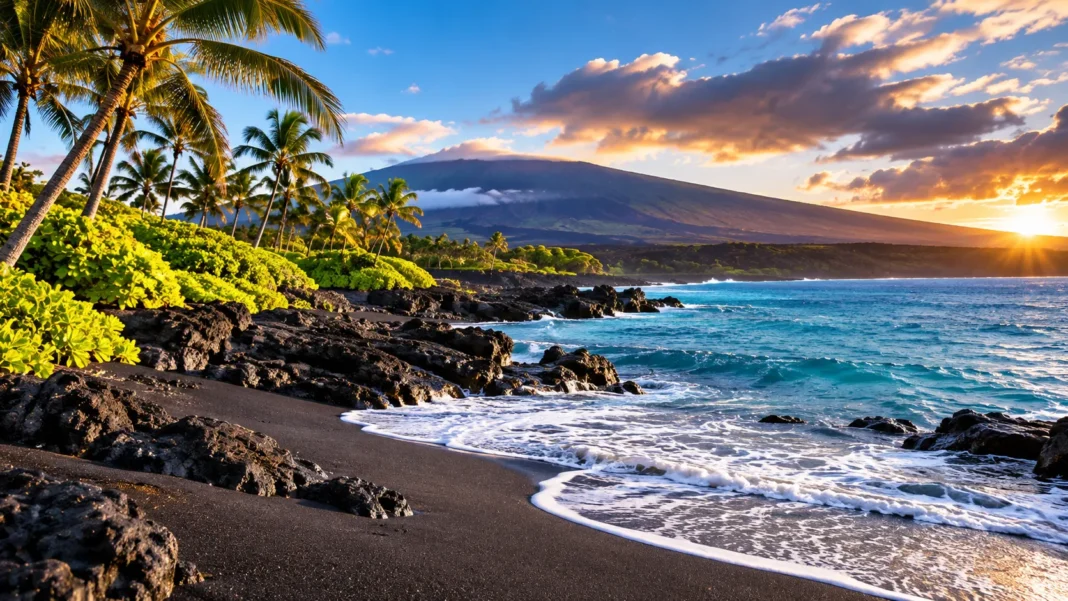
The Big Island of Hawaii is one of the most beautiful and diverse travel destinations in the Pacific Ocean. Known for its dramatic volcanoes, black sand beaches, tropical waterfalls, and scenic coastlines, the island offers unforgettable experiences for nature lovers and adventure seekers. Whether you enjoy relaxing by the ocean or exploring fascinating landscapes, there is something worth discovering.
Officially called Hawaiʻi Island, the Big Island is the largest island in the Hawaiian chain. Its landscapes range from sunny beaches and lush rainforests to volcanic craters and high mountains. Visitors can explore several distinct environments during a single vacation, making it different from many other tropical destinations.
This guide covers the most beautiful places to visit on the Big Island, along with practical travel tips and sightseeing ideas. You will learn about popular attractions, hidden natural treasures, the best times to visit, and useful ways to plan your trip.
Where Is the Big Island and What Makes It Special?
The Big Island is located in the Hawaiian archipelago in the central Pacific Ocean and is part of the United States. It is the largest of Hawaii’s main islands and is still being shaped by volcanic activity. Its size creates remarkable geographical diversity, with different climates, landscapes, and attractions spread across the island.
One of the island’s most interesting features is its collection of volcanic mountains. Mauna Loa, Maunakea, Kīlauea, Hualālai, and Kohala have all contributed to its geological history. Some areas feature ancient volcanic landscapes, while others reveal the effects of relatively recent eruptions and ongoing geological processes.
The island also has a rich Hawaiian cultural heritage that remains important today. Historic places, traditional practices, local communities, and natural landmarks reflect the relationship between the land and its people. Visitors can develop a deeper appreciation for the destination by learning about Hawaiian history and treating culturally significant locations with respect.
Explore Hawaiʻi Volcanoes National Park
Hawaiʻi Volcanoes National Park is among the most remarkable attractions on the Big Island. The park protects volcanic landscapes, native ecosystems, and important Hawaiian cultural sites. Visitors can explore views of Kīlauea, walk through sections of rainforest, and discover areas shaped by lava flows over many generations.
The park offers several memorable places to explore, including volcanic viewpoints, crater landscapes, and Nāhuku, also known as Thurston Lava Tube. Depending on conditions, visitors may travel along scenic roads and walk designated trails. Active volcanic activity is unpredictable, so visible flowing lava should never be assumed or guaranteed.
A successful visit requires checking official park alerts before departure. Volcanic gases, unstable ground, changing weather, and temporary closures can affect access to particular areas. Follow ranger instructions, remain on marked trails, and avoid closed locations to enjoy the landscape while respecting important safety restrictions.
Relax at Hāpuna Beach State Recreation Area
Hāpuna Beach is one of the Big Island’s best-known white sand beaches. Located along the sunny Kohala Coast, it features a broad stretch of sand surrounded by beautiful coastal scenery. The contrast between the blue Pacific Ocean and the pale shoreline makes it a popular destination for relaxing and photography.
Visitors enjoy spending time on the beach, taking photographs, and watching the changing colors of the ocean. Swimming may be possible when conditions are suitable, but surf and currents can become dangerous. Always follow posted warnings and lifeguard guidance, and avoid entering the water when conditions are uncertain.
Hāpuna Beach can become busy during popular travel periods, especially when the weather is pleasant. Arriving earlier may provide more flexibility for parking and choosing a comfortable place to relax. Bring drinking water, sun protection, and footwear suitable for hot sand and walking around the recreation area.
Discover Punaluʻu Black Sand Beach
Punaluʻu Black Sand Beach is one of the most distinctive coastal destinations on the Big Island. Its dark shoreline was created through volcanic processes that produced black sand from lava rock. Surrounded by palm trees and contrasting ocean colors, the beach offers a memorable landscape unlike traditional tropical beaches.
The area is also known as a place where Hawaiian green sea turtles may be seen resting along the shoreline. Watching these protected animals from a respectful distance is a special experience for many visitors. Never touch, feed, surround, or disturb wildlife, and follow all posted restrictions and guidance.
Punaluʻu is especially attractive for sightseeing and coastal photography, but ocean conditions may not be suitable for casual swimming. Strong waves, currents, and uneven underwater terrain can create hazards. Visitors should treat the beach primarily as a scenic destination unless conditions and local safety guidance clearly support water activities.
Visit ʻAkaka Falls and Rainbow Falls
The eastern side of the Big Island is famous for its lush vegetation and beautiful waterfalls. ʻAkaka Falls State Park is a particularly memorable destination, featuring a tall waterfall surrounded by tropical greenery. A designated walking route leads visitors through a rainforest environment with impressive views of the falls and surrounding vegetation.
Rainbow Falls is another popular attraction located near downtown Hilo. The waterfall flows over a rocky cliff into a pool below, creating a scenic natural setting. Under favorable sunlight and mist conditions, visitors may see a rainbow near the waterfall, although this beautiful effect does not appear during every visit.
Both waterfalls provide opportunities to appreciate Hawaii’s wetter landscapes without requiring extensive wilderness travel. However, pathways can become slippery after rainfall, and conditions may change quickly. Wear suitable shoes, stay behind safety barriers, and check accessibility and entrance information before visiting.
Explore Hilo and Its Tropical Surroundings
Hilo is the largest population center on the eastern side of the Big Island and offers a very different atmosphere from the drier western coast. The town is known for its lush surroundings, historic buildings, local shops, and relaxed waterfront setting. Frequent rainfall helps maintain the green landscapes that characterize this region.
Visitors can explore downtown Hilo, browse local markets, and enjoy views of Hilo Bay. The area also provides access to gardens, waterfalls, and nearby coastal parks. Spending time in town offers a chance to experience everyday island life beyond the major resorts and internationally recognized attractions.
Hilo is a practical base for exploring Hawaiʻi Volcanoes National Park and attractions along the eastern coastline. Accommodation options include hotels, guesthouses, and other locally available properties. Travelers should prepare for changing weather, as rainfall is common and outdoor plans may need occasional adjustments.
Discover Kailua-Kona and the Kona Coast
Kailua-Kona is a popular destination along the western coast of the Big Island. The area is known for its generally sunnier weather, oceanfront setting, historic landmarks, and convenient visitor services. Its restaurants, shops, and coastal viewpoints make it a comfortable place to begin exploring the island.
A walk through the central waterfront area provides opportunities to see Kailua Bay and visit historic locations such as Huliheʻe Palace and Mokuaikaua Church. These landmarks offer insights into different periods of Hawaiian history. Visitors can combine sightseeing with stops at local businesses and scenic spots along the coast.
The wider Kona Coast also offers opportunities to observe marine life and experience the island’s volcanic shoreline. Some guided activities focus on the area’s underwater environment, but participation should depend on suitable conditions and reputable safety practices. Always respect marine animals and avoid activities that disturb protected wildlife.
Experience Kealakekua Bay and Puʻuhonua o Hōnaunau
Kealakekua Bay is a scenic marine area south of Kailua-Kona, surrounded by striking coastal landscapes. The bay is known for its historical significance and protected marine environment. Clear conditions can reveal beautiful underwater scenery, making the area particularly interesting for visitors who appreciate marine ecosystems and Hawaiian history.
Nearby Puʻuhonua o Hōnaunau National Historical Park offers a deeper understanding of traditional Hawaiian culture. The protected site preserves important historical and cultural features, including ceremonial areas and reconstructed structures. Visitors can explore designated areas while learning about the traditions and community systems that shaped Hawaiian life.
These destinations provide an opportunity to combine coastal scenery with meaningful cultural exploration. Follow the rules established for protected places and avoid entering restricted areas. Guided interpretation, visitor information, and respectful observation can make the experience more informative while helping preserve the natural and historical environment.
Admire Waipiʻo Valley and Pololū Valley
Waipiʻo Valley is one of the Big Island’s most dramatic landscapes, featuring steep green cliffs and sweeping views toward the ocean. Located along the northeastern Hamakua Coast, it is known for its natural beauty and cultural significance. The valley is also home to local residents whose privacy and access needs deserve respect.
The Waipiʻo Valley Lookout provides a well-known opportunity to appreciate the scenery from above. Access into the valley is restricted, and visitors should not assume they can drive or walk down the steep road. Checking current county access rules is essential before planning activities beyond the designated viewing area.
Pololū Valley, located farther north, offers another impressive perspective of the island’s rugged coastline. Its lookout provides views of green cliffs, a dramatic valley, and the ocean. Conditions on trails can change, so sightseeing from the established viewpoint is a worthwhile alternative for visitors who prefer not to tackle demanding terrain.
Discover Maunakea and Its Mountain Landscapes
Maunakea is one of the Big Island’s most impressive natural landmarks and rises high above the surrounding Pacific Ocean. Its upper slopes feature an unusual alpine environment that contrasts strongly with the island’s tropical beaches. The mountain also holds deep cultural significance for Native Hawaiians and supports important scientific research.
The Maunakea Visitor Information Station area offers opportunities to learn about the mountain and observe its high-elevation environment. Visitors should remember that conditions can be considerably colder than at sea level. Rapid weather changes, reduced oxygen availability, and altitude-related illness make high-elevation travel more demanding than ordinary sightseeing.
Travel beyond the visitor station requires special planning because summit access has additional restrictions and safety considerations. Not all vehicles are suitable for the upper road, and some rental agreements prohibit summit driving. Visitors can appreciate Maunakea without reaching the summit by choosing accessible, permitted locations and respecting cultural and environmental protections.
Best Time to Visit the Big Island
The Big Island can be visited throughout the year because its climate varies considerably by location and elevation. Coastal regions generally remain warm, while mountain areas can become much cooler. The western side is often sunnier and drier, whereas eastern locations around Hilo typically receive more rainfall.
For travelers interested in beach activities and general sightseeing, April through October can provide appealing conditions in many areas. However, rainfall, ocean conditions, and crowds vary throughout the year. Winter can bring larger surf to certain coastlines, while seasonal travel demand may affect accommodation availability and prices.
The ideal travel period depends on your preferred experiences rather than one universally perfect month. Waterfall enthusiasts may enjoy lush landscapes during wetter periods, while visitors focusing on coastal relaxation may favor drier weather. Checking regional forecasts and seasonal conditions will help you choose suitable activities for your trip.
Practical Travel Tips for Exploring the Big Island
Renting a car is often the most convenient way to explore the Big Island because attractions are spread across a large area. Driving between Kailua-Kona, Hilo, Hawaiʻi Volcanoes National Park, and the Kohala Coast can take considerable time. Planning activities by region helps reduce unnecessary travel and leaves more time for sightseeing.
Packing for different environments is important because the island contains several climate zones. Lightweight clothing, comfortable walking shoes, rain protection, and warmer layers for higher elevations can all be useful. Bring drinking water and suitable sun protection, and remember that volcanic terrain and exposed coastlines may require additional care.
Respect for the environment and local communities should guide every visit. Stay on designated trails, avoid removing natural materials from protected areas, and follow wildlife viewing rules. Choose responsible tourism activities, observe cultural site restrictions, and check official updates before visiting areas affected by volcanic activity or severe weather.
Conclusion
The Big Island offers an extraordinary mixture of tropical coastlines, dramatic volcanoes, lush waterfalls, and meaningful cultural attractions. From Hawaiʻi Volcanoes National Park to Hāpuna Beach and Waipiʻo Valley, every region has something distinctive to discover. Its varied landscapes make it an appealing destination for travelers who enjoy both relaxation and exploration.
Planning your trip around different parts of the island can help you experience more without spending unnecessary time on the road. Kailua-Kona, Hilo, and the Kohala Coast provide convenient starting points for exploring nearby attractions. Weather preparation, awareness of local conditions, and respectful travel practices can make your experience more comfortable.
Whether you visit for a short getaway or a longer vacation, the Big Island provides memorable opportunities to appreciate Hawaii’s natural beauty and cultural heritage. Choose activities that match your interests, allow enough time to explore, and avoid rushing between destinations. A thoughtful itinerary will help you enjoy the island’s remarkable scenery while protecting the places that make it special.
Frequently Asked Questions
What is the Big Island of Hawaii best known for?
The Big Island is best known for its active volcanoes, diverse landscapes, black sand beaches, waterfalls, and Hawaiian cultural heritage. Hawaiʻi Volcanoes National Park is among its most recognized attractions.
How many days do you need on the Big Island?
Five to seven days is a useful starting point for visiting several regions without rushing. A longer trip allows more time for beaches, waterfalls, cultural attractions, and volcanic landscapes.
What is the prettiest part of the Big Island?
Beauty depends on personal preference. The Kohala Coast is known for beaches, the Hamakua Coast offers green valleys, and Hawaiʻi Volcanoes National Park features dramatic volcanic scenery.
Is Kona or Hilo better for tourists?
Kona is often preferred for sunnier coastal weather, resorts, and waterfront activities. Hilo appeals to visitors interested in waterfalls, rainforests, local culture, and convenient access to eastern attractions.
Do you need a rental car on the Big Island?
A rental car is highly useful because major attractions are spread across the island. Guided tours and limited public transportation provide alternatives, but driving generally offers greater flexibility for sightseeing.

