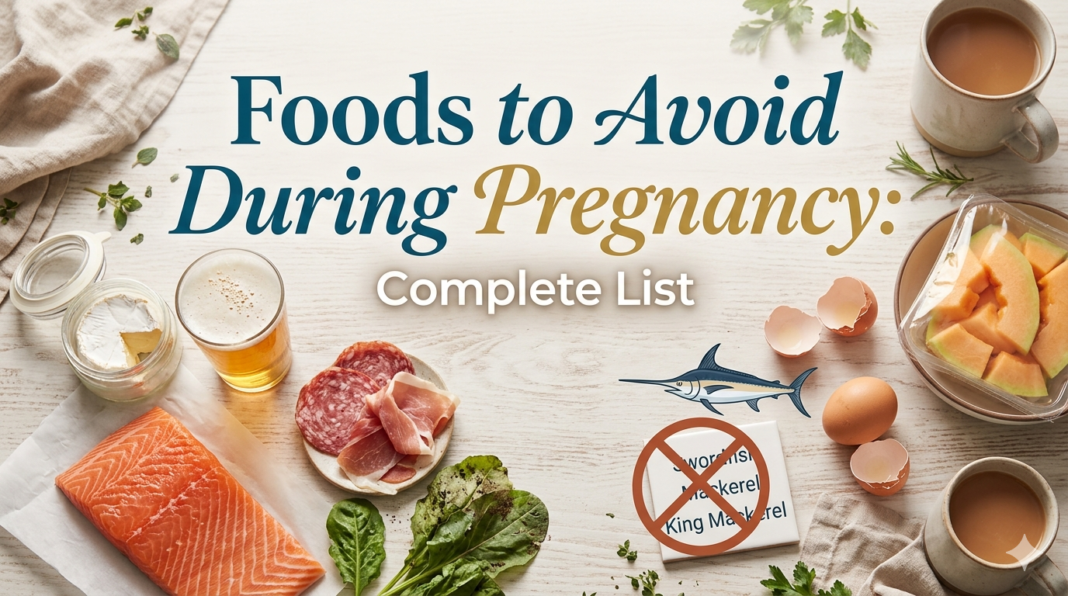
Introduction to Pregnancy Nutrition
Nutrition plays a vital role during pregnancy as it affects not only the health of the expecting mother but also the development of the fetus. A well-balanced diet rich in essential nutrients is crucial for promoting optimal growth and reducing the risk of complications. The dietary requirements of pregnant women change considerably, necessitating adjustments in food choices to ensure that vital nutrients, such as folic acid, iron, calcium, and omega-3 fatty acids, are adequately supplied.
During this critical period, a woman’s body undergoes numerous physiological changes, which increase the demand for certain nutrients. For instance, the growing fetus needs sufficient protein for tissue development, whereas the mother requires adequate iron to support increased blood volume. As a result, focusing on appropriate foods is paramount. However, it is equally important to be aware of foods that should be avoided to minimize health risks.
Certain foods can be detrimental during pregnancy, posing risks that can affect both maternal and fetal health. These may include items that carry the potential for contamination, such as raw or undercooked seafood, eggs, and meats. Additionally, some food products might harbor harmful substances like mercury or caffeine, which can have adverse consequences for fetal development. Understanding these potential hazards is crucial for expectant mothers to make informed choices about their diet.
In light of these considerations, this blog post serves as a comprehensive guide to the foods that should be avoided during pregnancy. By fostering awareness of dietary restrictions and their implications, we aim to encourage healthier choices that ensure the well-being of both mother and child throughout this significant life stage.
The Risks of Consuming Certain Foods During Pregnancy
Pregnancy is a crucial period that necessitates heightened awareness regarding dietary choices. Consuming certain foods can pose significant risks, not only to the developing fetus but also to the mother’s health. One of the primary concerns is the potential for foodborne illnesses, which can be particularly harmful during pregnancy. Pathogens such as Listeria, Salmonella, and E. coli thrive in specific food items, including unpasteurized dairy products, undercooked meats, and raw seafood. These bacteria can lead to infections, which may result in serious complications such as miscarriage, preterm labor, or severe illness in newborns.
In addition to the threat of foodborne pathogens, nutritional deficiencies can arise from consuming a limited variety of foods. For example, if pregnant women restrict their diets to certain items due to cravings or aversions, they may inadvertently deprive themselves and their fetuses of essential nutrients. Key nutrients such as folic acid, iron, and calcium are critical for fetal development, and inadequate intake can lead to adverse outcomes, including neural tube defects and low birth weight. It is vital to ensure a balanced diet rich in fruits, vegetables, whole grains, and lean proteins.
Furthermore, certain foods contain harmful substances that can affect both maternal and fetal health. For instance, high levels of mercury found in certain fish pose a risk to the developing nervous system of the fetus. Similarly, some processed foods may contain additives and preservatives that are best avoided during pregnancy. Ultimately, pregnant individuals should remain vigilant about their dietary selections, understanding that specific foods can significantly shape their own health and that of their unborn child.
Foods to Avoid: Dairy Products
During pregnancy, it is essential to be mindful of the foods consumed to ensure the health and safety of both the mother and the developing fetus. One significant group of foods to avoid is certain dairy products, particularly those that are unpasteurized. Unpasteurized milk and its derivatives can harbor harmful bacteria, including Listeria monocytogenes, which can lead to serious complications during pregnancy.
Listeriosis is the infection caused by consuming Listeria and can result in severe consequences, such as miscarriage, stillbirth, or severe illness in newborns. Therefore, pregnant women are advised to steer clear of unpasteurized milk, as well as any cheese made from unpasteurized milk. Soft cheeses, such as queso blanco, feta, brie, and camembert, are especially concerning since they are more likely to contain this harmful bacteria. If a cheese is labeled as made from pasteurized milk, it is considered safer for consumption during pregnancy.
In addition to unpasteurized products, heavily processed or packaged dairy products that are past their expiration date should also be avoided. Even some reasonably safe dairy can pose risks if not handled or stored correctly. Thus, pregnant women should prioritize dairy items that are clearly marked as pasteurized and maintain proper food safety practices when preparing and serving dairy products.
By being cautious with dairy consumption and avoiding the aforementioned items, expectant mothers can minimize the risks associated with foodborne illnesses and contribute to a healthy pregnancy. It is important to consult with healthcare professionals regarding safe dietary options during this critical time.
Fish and Seafood Safety
During pregnancy, the safety of food consumption becomes a critical consideration, and this is particularly true when it comes to fish and seafood. Certain types of fish are known to contain high levels of mercury and other harmful contaminants that pose risks to fetal development.
Mercury is a heavy metal that can adversely affect the developing nervous system of a fetus, potentially leading to cognitive and developmental issues later in life. Pregnant individuals are advised to be cautious and to limit their intake of fish known for high mercury levels. These include large predatory species such as shark, swordfish, king mackerel, and tilefish. These fish tend to accumulate higher concentrations of mercury in their bodies due to their position in the food chain.
In addition to mercury, certain seafood may pose risks due to environmental contaminants or pathogens. For instance, raw or undercooked seafood, including sushi, can expose pregnant women to harmful bacteria and parasites. This can lead to foodborne illnesses that may have serious implications for both the mother and the unborn child.
On the other hand, not all types of fish are the same. Fish such as salmon, sardines, and trout are generally considered safe and even beneficial due to their high levels of omega-3 fatty acids and lower mercury concentrations. Therefore, it is essential for pregnant individuals to choose wisely when it comes to fish consumption and to consult healthcare providers for personalized advice.
In summary, avoiding high-mercury fish and opting for safer alternatives can significantly contribute to a healthy pregnancy. Vigilance in food choices not only supports maternal health but also ensures optimal developmental outcomes for the baby.
Raw or Undercooked Meats and Eggs
During pregnancy, it is crucial for expectant mothers to be aware of the risks associated with consuming raw or undercooked meats and eggs. These foods can harbor harmful bacteria and parasites, which pose significant health risks both to the mother and the developing fetus. One of the most concerning pathogens is Salmonella, commonly found in raw or undercooked eggs and poultry. Infected individuals may experience gastrointestinal distress, which could lead to dehydration and further complications during pregnancy.
Another serious risk comes from Toxoplasmosis, a parasitic infection often obtained from undercooked meats, particularly lamb or pork, as well as contaminated food surfaces. The effects of Toxoplasmosis can be severe, potentially resulting in miscarriage or long-term developmental issues for the baby. To mitigate these risks, expecting mothers should implement safe cooking practices by ensuring that all meats are cooked to a minimum internal temperature that kills harmful pathogens.
For instance, poultry should be cooked to an internal temperature of 165°F (75°C), while ground meats should reach at least 160°F (70°C). Eggs should be cooked until the yolks and whites are firm, ensuring no raw or runny parts remain. Additionally, it is advised to avoid cross-contamination by using separate cutting boards for meats and vegetables, alongside proper hygiene practices such as handwashing after handling raw proteins. By adhering to these safe cooking guidelines, expectant mothers can significantly reduce the potential risks associated with raw or undercooked foods during pregnancy, fostering better health for both themselves and their unborn child.
Certain Fruits and Vegetables to Watch Out For
During pregnancy, maintaining a healthy diet is paramount. However, certain fruits and vegetables may pose risks, requiring attention and caution. One critical point is the consumption of unwashed produce; fruits and vegetables that have not been thoroughly cleaned can carry harmful bacteria and parasites. Pregnant women are particularly vulnerable to foodborne illnesses, which can endanger both maternal and fetal health.
It is recommended that all fruits and vegetables be washed under running water before consumption. Leafy greens, such as spinach and lettuce, should be particularly scrutinized, as they can harbor pathogens if not properly cleaned. Beyond unwashed produce, specific types of fruits and vegetables warrant additional caution. For instance, sprouts, including alfalfa and bean sprouts, may carry harmful bacteria even when grown in sanitized conditions.
Moreover, certain fruits, such as papaya and pineapple, are known to have properties that can potentially induce contractions, especially in unripe forms. Pregnant individuals should opt for fully ripe versions of these fruits while consulting with healthcare providers for personalized advice. With regards to vegetables, root vegetables such as raw potatoes can contain solanine, a natural toxin, which can be harmful if consumed in large quantities.
When preparing fruits and vegetables, it is advisable to peel or cook them whenever possible. Cooking can kill harmful pathogens and reduce the risks associated with certain produce. Additionally, consider buying organic when feasible, as organic berries and other fruits typically have fewer pesticide residues. In summary, it is essential to practice safe consumption methods for fruits and vegetables, ensuring proper washing and cooking to minimize risks during pregnancy. Staying informed about which produce requires extra care is crucial for a healthy pregnancy.
Caffeine and Alcohol: Myths and Facts
Caffeine and alcohol consumption during pregnancy has been a topic of considerable debate, leading to varying myths and facts. Caffeine is commonly found in coffee, tea, chocolate, and certain soft drinks. Research indicates that excessive caffeine intake may increase the risk of miscarriage, preterm labor, and low birth weight. Health organizations, such as the American College of Obstetricians and Gynecologists (ACOG), suggest that pregnant individuals should limit caffeine intake to less than 200 milligrams per day, which is roughly equivalent to one 12-ounce cup of coffee. Lower levels are encouraged to mitigate potential risks, as individual tolerance can vary significantly.
On the other hand, the consumption of alcohol during pregnancy poses undeniable risks to fetal development. No amount of alcohol is considered safe, as it can lead to fetal alcohol spectrum disorders (FASDs), which can have lifelong impacts on the child’s physical, behavioral, and cognitive functioning. Consequently, health organizations, including the Centers for Disease Control and Prevention (CDC), advise complete abstinence from alcohol throughout the entire pregnancy. This guidance aims to protect both the mother and the developing fetus from adverse effects and ensure the best possible outcomes.
While some myths suggest that moderate drinking or consuming caffeine in small amounts may not harm the fetus, it is critical to adhere to the recommendations provided by healthcare experts. Pregnant individuals should consult their healthcare providers about their dietary choices to assess personal risks and receive tailored advice. Overall, staying informed and cautious about the consumption of caffeine and alcohol is essential for the health and safety of both the mother and child.
Processed Foods and Additives
During pregnancy, the nutritional choices a woman makes can significantly impact both her health and the development of the fetus. One area of concern is the consumption of processed foods, which often contain a range of preservatives, artificial flavors, and trans fats. These components can pose potential risks that expectant mothers should carefully consider.
Processed foods typically have a longer shelf life due to the added preservatives designed to prevent spoilage. However, many of these preservatives are artificial and can lead to adverse health effects. For instance, some studies suggest that certain food additives have been linked to behavioral issues in children and other developmental problems. Therefore, minimizing exposure to these substances during pregnancy is advisable.
Another significant concern is the presence of trans fats in many processed snacks and baked goods. Trans fats are known to raise bad cholesterol levels while lowering good cholesterol levels, increasing the risk of heart disease. For pregnant women, this can lead to complications such as gestational diabetes and other cardiovascular issues. Furthermore, a diet high in trans fats has been associated with poorer outcomes for both mother and baby.
On the contrary, a diet rich in whole foods can provide essential nutrients that toxins found in processed foods lack. Whole foods, such as fruits, vegetables, whole grains, and lean proteins, are rich in vitamins and minerals necessary for fetal growth and development. These foods are less likely to contain harmful additives and contribute to a healthier pregnancy.
In conclusion, pregnant women are encouraged to limit their consumption of processed foods and additives. Focusing on whole foods not only minimizes exposure to harmful chemicals but also enhances the overall nutritional quality of their diet, promoting better health outcomes for the mother and the baby.
Conclusion and Resources for Healthy Eating During Pregnancy
Throughout this discussion, we have highlighted the importance of avoiding certain foods during pregnancy to ensure the well-being of both the mother and the developing fetus. High-risk foods that can harbor harmful bacteria, parasites, or toxins—such as raw or undercooked meats, unpasteurized dairy products, and certain seafood—pose significant health risks. It is crucial for expectant mothers to be well-informed about these risks to make the best dietary choices.
In addition to avoiding specific foods, maintaining a balanced and nutrient-rich diet is essential. Expectant mothers should focus on consuming plenty of fruits, vegetables, whole grains, and lean protein while ensuring adequate hydration and mindful eating. These practices can help support maternal health and fetal development.
For those seeking guidance on healthy eating during pregnancy, various resources are available. The U.S. Department of Agriculture offers online tools and dietary guidelines that can be tailored to meet individual needs. Additionally, the American College of Obstetricians and Gynecologists (ACOG) provides valuable information regarding nutrition and prenatal care.Professional dietary advice may also be beneficial; consulting with a registered dietitian who specializes in prenatal nutrition can equip expectant mothers with personalized recommendations suited to their unique circumstances.
Books such as “What to Expect When You’re Expecting” and “The Mayo Clinic Guide to a Healthy Pregnancy” serve as informative references that cover dietary considerations comprehensively. Online platforms, like nutrition-focused forums and parenting websites, can connect pregnant individuals with communities for support and shared experiences.
By being proactive and well-informed about dietary choices, pregnant women can promote a healthy environment for their growing babies, ultimately contributing to better maternal and fetal health outcomes.

