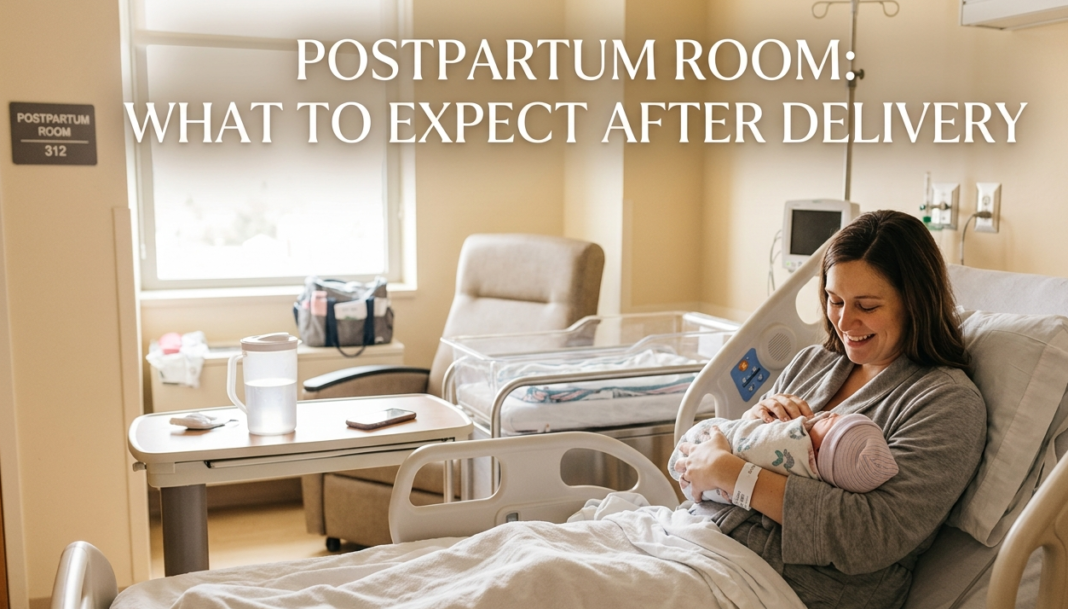
Introduction to the Postpartum Room
The postpartum room serves as a crucial space for new mothers following the delivery of their infants. This area is specifically designed to support the needs of mothers as they transition from the labor and delivery phase into recovery and initial postpartum care. Understanding the significance of the postpartum room is essential for new mothers as it not only aids in physical recovery but also fosters emotional bonding with the newborn.
Upon entering a postpartum room, new mothers can generally expect a nurturing environment equipped with the necessary medical facilities that ensure both mother and baby are monitored for their well-being. The room is typically private, allowing mothers the much-needed peace and tranquility to begin their breastfeeding journey, learn baby care skills, and recover from childbirth. Care teams, including nurses and lactation consultants, are readily available to provide guidance and support during this critical time.
The atmosphere of the postpartum room is intentionally designed to promote relaxation and bonding. New mothers may find additional amenities such as comfortable beds, suitable lighting, and access to educational resources about childbirth, breastfeeding, and infant care. Family involvement is often encouraged, as the postpartum period is essential for building a solid family unit around the newborn.
The postpartum room not only plays a role in medical recovery but also addresses the psychological aspects of motherhood. Support systems, such as mental health checks and counseling, may be available to help mothers navigate the emotional challenges that can occur after delivery. This holistic approach ensures that mothers are not just medically attended to but are also emotionally supported during their transition into motherhood.
Facilities Available in the Postpartum Room
The postpartum room is designed to provide a supportive and comfortable environment for new mothers during their recovery after delivery. One of the primary features of these rooms is the bed, which is typically adjustable to accommodate various positions for both comfort and convenience during recovery. The bed often includes features such as side rails, ensuring safety as the mother transitions from labor to postpartum care.
Most postpartum rooms are equipped with private bathrooms that enhance the mother’s sense of privacy and comfort. These bathrooms usually include modern amenities, such as a shower, sink, and sometimes a bathtub, allowing for personal hygiene and relaxation. The accessibility of these facilities is vital for new mothers, as they often need to manage post-delivery care routines and attend to their hygiene needs without additional strain.
In addition to the bed and bathroom, many postpartum rooms offer extra amenities like comfortable seating for visitors and a small area for infant care. This design promotes bonding time between the mother and her newborn while enabling family members to visit comfortably. Beyond physical amenities, attention to noise levels in postpartum rooms is crucial. Most hospitals strive to create a peaceful atmosphere to facilitate rest, understanding that sleep is essential for recovery.
Privacy considerations are equally important in postpartum rooms. These spaces are typically designed to allow mothers to feel safe and secure, minimizing disturbances from both other patients and hospital staff. Overall, the facilities available in postpartum rooms are essential in creating a healing environment that supports the needs of new mothers and their families, enabling them to recover and adjust to their new roles with greater ease.
Support Staff in the Postpartum Unit
After delivery, new mothers enter the postpartum unit, where they encounter a range of healthcare professionals dedicated to supporting their recovery and adjustment. This support staff plays a crucial role in addressing the physical and emotional needs of mothers while facilitating the care of their newborns.
One of the primary figures in the postpartum unit is the nurse. These healthcare professionals are responsible for monitoring the mother’s vital signs, assisting with pain management, and providing education on postpartum care. Nurses are also pivotal in helping mothers establish a healthy and comfortable routine, ensuring they have the necessary information to care for their newborns effectively. They offer guidance on breastfeeding techniques, infant care, and signs of potential complications that new mothers should be aware of.
In addition to nursing staff, lactation consultants are essential resources for mothers who choose to breastfeed. They offer specialized support in establishing lactation, addressing concerns such as latching difficulties or low milk supply. Their expertise not only helps mothers with breastfeeding but also provides education about the benefits of breastfeeding for both the mother and the baby, thus promoting a positive feeding experience.
Pediatricians also play a vital role during the postpartum stay, ensuring the health of the newborn. They conduct routine examinations, monitor the baby’s growth, and initiate any required vaccinations. This team approach ensures that both the mother and infant receive comprehensive care tailored to their unique needs during this critical time.
Overall, the collaboration between nurses, lactation consultants, and pediatricians establishes a supportive environment, allowing mothers to recover physically and emotionally while fostering the essential bond with their newborns.
Care and Monitoring After Delivery
Following the delivery of the baby, the postpartum room becomes the focal point for essential medical care and monitoring of the mother. Several critical processes are undertaken to ensure the mother’s well-being, beginning with the regular assessment of vital signs. Health care providers typically monitor parameters such as heart rate, blood pressure, and temperature. These assessments are crucial as they help identify any potential complications, such as hemorrhage or infection, promptly. The frequency of these checks may vary depending on the mother’s condition and the nature of the delivery.
In addition to vital sign checks, uterine assessment plays a significant role in postpartum care. Healthcare professionals evaluate the firmness and position of the uterus to ensure it is contracting appropriately and returning to its pre-pregnancy size. A well-contracted uterus indicates a lower risk of excessive bleeding, which is a common concern in the immediate postpartum period. The mother may also be asked about her pain level, as effective pain management is a vital aspect of care during this phase.
Post-delivery procedures can differ from one mother to another, often influenced by the birth experience and any complications encountered. If any stitches were required (for instance, after a vaginal delivery), the health care team will provide specific instructions on how to care for the area, thus promoting proper healing and minimizing discomfort. Additionally, initial breastfeeding support and education may be offered, guiding mothers through this new experience while ensuring both their and the baby’s needs are met.
Through consistent care and monitoring in the postpartum room, the healthcare team plays an essential role in facilitating a smooth recovery for mothers after delivery. This focus on medical oversight not only reinforces the mother’s physical health but also contributes positively to her emotional well-being as she transitions into motherhood.
Emotional and Psychological Support
The period following childbirth is a time of significant emotional and psychological adjustment for new mothers. Many women experience a range of emotions, from joy and excitement to anxiety and sadness. It is important to understand that these feelings are normal responses to the immense physical and emotional changes occurring after delivery. Emotional support during this time can be critical for recovery and well-being.
One of the most common emotional challenges faced by new mothers is postpartum depression (PPD). According to various studies, approximately 10-15% of women experience PPD, though rates can be higher among those with a history of mental health issues or lack of support. Symptoms may include persistent sadness, anxiety, fatigue, and feelings of inadequacy. The postpartum room often provides resources for identifying and managing these emotional challenges, including educational materials and mental health screenings. This proactive approach is essential, as early identification and intervention can significantly improve outcomes.
Moreover, psychological support can also come in the form of family involvement and community resources. Family members play a crucial role in providing emotional support, while peer support groups create a sense of belonging and understanding. Many hospitals offer connections to local support groups specifically designed for postpartum women. These groups often share experiences and coping strategies, fostering a community that encourages communication and connection.
Emphasizing mental health during the postpartum period is vital. New mothers are encouraged to seek help and utilize available resources within the postpartum room for emotional wellness. Whether through professional counseling, support groups, or engaging in self-care practices, fostering emotional and psychological well-being can significantly impact maternal recovery and family dynamics in the months following childbirth.
Managing Pain and Discomfort
After delivery, many women experience a range of discomforts and pain that can be attributed to various factors, including perineal tearing, uterine contractions as the uterus shrinks back to its normal size, and the physical stress of labor and delivery. It is common for new mothers to seek effective pain management strategies to enhance their recovery experience.
In a postpartum room, healthcare providers will typically offer a variety of medication options designed to alleviate pain. Nonsteroidal anti-inflammatory drugs (NSAIDs) such as ibuprofen and acetaminophen are frequently prescribed to manage mild to moderate pain. In cases where pain levels are more severe, stronger medications, such as opioids, may be available. It is crucial for patients to have open discussions with their medical team regarding the best pain management options suitable for their individual situations.
Aside from medication, there are several non-medical pain relief techniques that can be beneficial in a postpartum setting. Heat therapy, such as heating pads or warm baths, can provide comfort and relaxation to sore muscles. Gentle massage from a partner or a healthcare provider can also help alleviate tension and promote relaxation. Practices such as deep breathing exercises or mindfulness techniques may contribute to a sense of calm, which can reduce the perception of pain.
Effective communication with the nursing staff regarding pain levels and discomfort is essential. Patients should feel empowered to articulate their needs and experiences, enabling the healthcare team to tailor pain management approaches. Open dialogue can significantly improve recovery and overall satisfaction during the postpartum period. By taking an active role in pain management, new mothers can navigate this recovery time more comfortably and with greater confidence.
Initiating Breastfeeding and Infant Care
After delivery, one of the key activities that takes place in the postpartum room is the initiation of breastfeeding and infant care. This critical period allows mothers to start bonding with their newborns while establishing a routine for feeding that is essential for both their health and wellbeing. Breastfeeding is encouraged as soon as possible after birth, which helps stimulate milk production and supports the infant’s immune system.
During the initial breastfeeding sessions, it is important for mothers to remain comfortable and relaxed. Finding a suitable position that facilitates easy access can further enhance the breastfeeding experience. Many healthcare providers recommend utilizing resources like pillows for support, which can alleviate discomfort during feeding. The baby should be positioned properly to achieve a good latch, which not only promotes effective feeding but also minimizes nipple soreness.
Lactation consultants play a significant role in this process. They are trained to assist new mothers with practical tips on positioning, latch techniques, and signs that indicate the baby is feeding effectively. It is advisable to reach out to these professionals in the postpartum room for personalized guidance. They can help address any concerns about supply issues or difficulties in breastfeeding that may arise during the early days.
In addition to breastfeeding, infant care encompasses establishing a routine for diaper changes, bathing, and soothing the baby. Parents should also be educated on recognizing the signs of hunger and development cues of their newborn. Taking a gentle approach to these practices fosters a nurturing environment, encouraging both feeding success and parent-infant bonding. Staying informed and supported during this crucial time is key to ensuring a positive experience for both mothers and their newborns.
Visitor Policies and Support System
Postpartum care is a crucial phase for new mothers as they transition into motherhood, and the surrounding environment plays a significant role in their recovery. Visitor policies in postpartum rooms vary among hospitals and birthing centers; however, the focus is consistently on creating a supportive, nurturing atmosphere that respects the needs of the new mother and her family. Typically, hospitals allow designated visitors, including partners, family members, or close friends, but there may be restrictions on the number of visitors or specific visiting hours to maintain a sense of calm and order.
These policies are designed to ensure that new mothers can recuperate and bond with their infants without being overwhelmed. It is essential for visitors to be mindful of the mother’s need for rest, as well as the challenges she may be facing during this period. The first few days following delivery can be physically and emotionally taxing, which makes the right kind of support imperative.
Family and friends can provide invaluable assistance by respecting the mother’s boundaries while also offering practical help. This might include preparing meals, caring for older siblings, or simply providing emotional support. Encouragement and understanding during early motherhood can significantly enhance a mother’s experience. Emotional and logistical support establishes a solid foundation for the mother to ease into her new role.
Moreover, hospitals often provide guidelines on who can visit and when. It is advisable for visitors to communicate with the new mother beforehand and coordinate their visits to ensure that they contribute positively to her postpartum experience. In summary, the visitor policies in postpartum rooms aim to foster an environment of care and recuperation, highlighting the importance of support systems while allowing mothers to recover effectively.
Preparing for Discharge and Aftercare
As you near the end of your stay in the postpartum room, it is essential to understand the process of discharge and the subsequent aftercare required after giving birth. The healthcare team will provide you with detailed discharge instructions tailored to your specific circumstances, which typically include guidance on how to care for yourself and your newborn.
While preparing for discharge, expect to receive information regarding normal postpartum recovery signs and potential complications. It is crucial to recognize symptoms that necessitate a follow-up visit, such as heavy bleeding, severe pain, or any unexpected issues. As part of the discharge process, healthcare providers will usually schedule a follow-up appointment, commonly within six weeks after delivery, for you to further discuss your recovery progress and any concerns that may arise.
In addition to medical care, mental health support is equally important in the postpartum period. You may be given resources for counseling services or support groups to help manage the emotional aspects of new motherhood. Adjusting to life with a newborn can be challenging, and these support systems are vital for your wellbeing.
Furthermore, familiarize yourself with community resources available for mothers and families. Many local organizations provide additional assistance, such as lactation consultants, parenting classes, and family support services. These resources can prove invaluable as you navigate the early stages of parenthood.
Ultimately, being well-informed and prepared for your discharge from the postpartum room can significantly enhance your recovery experience. Remember, it is normal to seek help, whether from healthcare professionals or community resources, as you embark on this new chapter in your life.

