Introduction to Kitchen Safety
Kitchen safety is a fundamental aspect of culinary practice that often does not receive the attention it deserves. The kitchen, while a hub of creativity and nourishment, can also be a site for accidents and injuries if proper safety measures are not adhered to. The importance of kitchen safety is paramount, as it plays a critical role in preventing incidents that could lead to serious harm or even fatalities.
The main objective of kitchen safety is to create an environment where cooking can be enjoyed without the looming threat of hazards. This encompasses a variety of protocols including the correct use of knives, the management of heat sources, and the safe storage of ingredients. By implementing stringent safety practices, individuals can significantly reduce the risk of burns, cuts, and other common kitchen injuries.
Moreover, kitchen safety extends beyond just the physical actions taken while cooking; it also involves understanding the importance of cleanliness, food storage, and hygiene. Ensuring that surfaces are sanitized and that food is stored properly can prevent foodborne illnesses, which can have severe health ramifications. Adopting these safety measures not only protects the individual cooking but also ensures the well-being of all who consume the meals prepared.
As we navigate through this blog post, we will explore essential kitchen safety tips designed to enhance awareness and promote a safer cooking experience. These tips will serve as valuable guidelines, enabling anyone, from novice cooks to seasoned chefs, to cultivate a safer kitchen atmosphere.
Understanding Common Kitchen Hazards
In any kitchen environment, safety should be a paramount concern. Numerous common hazards lurk in kitchens, posing potential risks to both novice and experienced cooks. The awareness of these dangers can significantly reduce the likelihood of accidents.
One of the most prevalent hazards includes sharp tools. Knives, graters, and mandolins, while essential for food preparation, can cause serious injuries if not handled correctly. Ensuring that tools are properly maintained and stored out of reach of children is critical. Moreover, employing proper cutting techniques can further minimize the risk of cuts and lacerations.
Another area of concern involves hot surfaces. Stovetops, ovens, and even countertops can reach extreme temperatures, creating a danger for burns. Always using protective gear, such as oven mitts, is advisable when handling hot items. It is equally important to establish clear paths to prevent accidental contact with these surfaces, particularly when in a rush.
Additionally, slippery floors pose a significant risk in the kitchen. Spills from food, oil, or even water can create hazardous walking conditions. Implementing rigorous cleaning protocols to address spills immediately and using non-slip mats can help alleviate this risk. Ensuring that kitchen footwear is non-slip is also a simple yet effective safety measure.
A final hazard to consider is the presence of overloaded electrical outlets and cords. Using multiple appliances at once can lead to overheating and pose fire hazards. It is essential to follow appliance instructions and avoid using cords that are frayed or damaged.
Essential Safety Gear for Cooking
In any kitchen, safety should always be a priority, and the use of appropriate safety gear can significantly mitigate the risk of accidents. One critical component of kitchen safety is the incorporation of proper safety gear which can protect against burns, slips, and other potential hazards. Among the most essential items is the oven mitt. Oven mitts are designed to shield hands from hot surfaces and cookware. It is vital to choose mitts that are made from heat-resistant materials to ensure maximum protection.
Additionally, wearing non-slip shoes while cooking can further enhance safety in the kitchen. Kitchens can be prone to spills, which create slippery surfaces, and non-slip footwear helps maintain stability and balance while maneuvering around the kitchen area. A solid grip on the floor is essential not only for personal safety but also for preventing falls that could lead to severe injuries.
Moreover, the use of dental gloves serves a dual purpose in kitchen safety. These gloves not only protect hands from cross-contamination while handling food but also safeguard against exposure to harmful substances during food preparation. It is recommended to wear gloves when working with raw ingredients like meat or when cleaning up after handling food products.
Incorporating these items into your kitchen routine is a simple yet effective way to enhance safety for everyone involved in the cooking process. By ensuring the right safety gear is present and used consistently, the likelihood of kitchen-related accidents can be markedly decreased, fostering a more secure cooking environment. Thus, investing in quality cooking safety gear is essential for anyone who frequently engages in culinary activities.
Knife Safety: Handling and Storage
Understanding the proper handling and storage techniques for kitchen knives is crucial for maintaining safety while cooking. Knives are essential tools in the kitchen, but improper use can lead to serious accidents. Therefore, it is imperative to adopt safe practices when working with them.
First and foremost, using a sharp knife is vital. A well-maintained, sharp blade cuts through ingredients more easily and with less force, significantly reducing the risk of slipping and causing injuries. Dull knives require more effort to use, increasing the chance of accidents. Regularly honing and sharpening your knives will not only make cutting tasks easier but will also promote safer handling.
When it comes to cutting techniques, always ensure to cut on a stable surface. A cutting board provides a secure place to work, preventing the knife from slipping. Additionally, it is essential to keep your fingers away from the blade while cutting. Position your non-dominant hand in a claw grip, curling your fingers inward to shield them from the knife. This technique allows for greater control and minimizes the risk of accidental cuts.
Storage is another critical aspect of knife safety. Knives should always be stored properly to prevent accidents when accessing them. Utilizing a knife block, magnetic strip, or dedicated drawer with dividers can help keep knives organized and secure. Avoid placing knives in a drawer without protection, as this can lead to accidental cuts when reaching for them. Lastly, always ensure that knives are kept out of reach of children to prevent any unintended injuries.
Cooking Safety: Heat and Flames
Ensuring safety while cooking involves taking essential precautions when using various heat sources such as stoves, ovens, and microwaves. These appliances, while integral to meal preparation, can pose significant hazards if not used correctly. One of the foremost safety practices includes maintaining a clean cooking environment, free from clutter that could catch fire or be accidentally ignited. Ensuring that all flammable materials, such as paper towels or cooking oils, are stored away from heat sources is vital for preventing unintended fires.
When using the stove or oven, it is crucial to remain attentive to the cooking process. Never leave cooking food unattended, as this can lead to overheating or flames. It is advisable to use oven mitts and potholders that are safely insulated and free from moisture to avoid burns while handling hot cookware. If you are frying food, use a splatter screen to minimize the risk of grease igniting. Remember to always keep a lid near the frying pan to smother any flames quickly.
Microwave safety also deserves attention; ensure that microwave-safe containers are used to avoid toxic reactions or fires caused by improper materials. Regularly check your microwave for any signs of malfunction, such as arcing or strange sounds, and avoid overloading it with food, which could lead to overheating.
In the unfortunate event of a fire, having proper knowledge of how to react is crucial. Keep a fire extinguisher conveniently located within the kitchen and ensure it is suitable for grease fires (Class K). If a fire occurs, remember to turn off the heat source, cover the flames with a baking sheet or pan, and call emergency services if necessary. Relying on water to extinguish grease fires can exacerbate the situation, leading to more severe hazards. By adhering to these cooking safety practices, individuals can effectively minimize the risks associated with heat and flames in the kitchen.
Preventing Food Contamination
Food safety is a critical aspect of cooking and food preparation. It involves practices designed to prevent foodborne illnesses, which can be caused by improper handling, cooking, or storage of food. With numerous pathogens potentially present in the food we consume, understanding how to manage these risks becomes paramount in ensuring both personal health and the health of those we cook for.
One of the foremost strategies for preventing food contamination is proper food handling. This includes washing hands thoroughly before and after food preparation, especially after handling raw meat, vegetables, or eggs. It is equally important to use separate cutting boards for raw meats and ready-to-eat foods to avoid cross-contamination. The implementation of color-coded cutting boards can be particularly useful in distinguishing between different food types.
Another essential factor is adherence to safe cooking temperatures. Undercooked meat, poultry, and eggs can harbor harmful bacteria such as Salmonella and E. coli, which are known to cause severe food-related illnesses. Utilizing a food thermometer is an effective method to ensure that these foods are cooked to a safe internal temperature. The USDA recommends specific temperatures: 165°F for poultry, 160°F for ground meats, and 145°F for whole cuts of meat.
Moreover, proper storage practices play a crucial role in food safety. Perishable items should be refrigerated promptly and stored at temperatures below 40°F. Awareness of the expiration dates and proper disposal of outdated food cannot be overstated. Additionally, employing airtight containers helps to prolong the shelf life of leftovers and minimizes the risk of contamination.
In conclusion, maintaining food safety through mindful handling, cooking, and storage practices is essential in preventing foodborne illnesses. By prioritizing these practices, individuals can significantly reduce the risk of food contamination and promote a safer cooking environment.
Cleaning and Maintenance for Safety
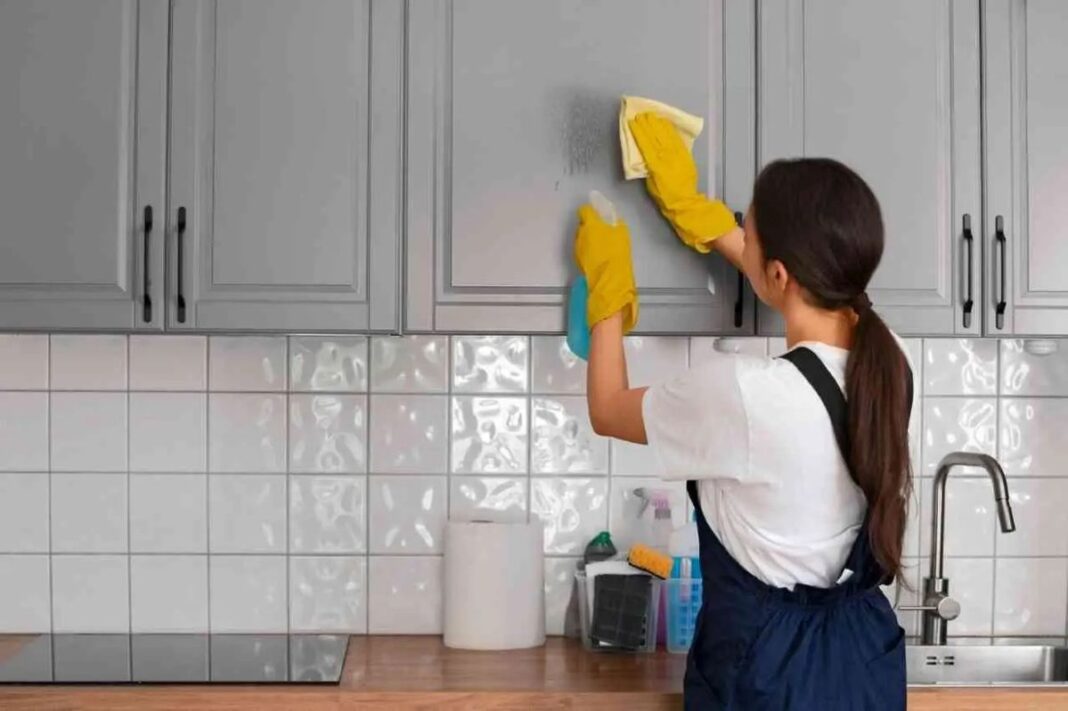
A clean and organized kitchen is fundamental for ensuring a safe cooking environment. Regular cleaning and diligent maintenance not only enhance the functionality of kitchen appliances and tools but also greatly reduce the risk of accidents and health hazards. One of the simplest yet most effective practices is to establish a daily cleaning routine. This routine should include wiping down countertops, cleaning up spills promptly, and ensuring that all cooking utensils and equipment are washed thoroughly after use. Moreover, it is essential to regularly sanitize surfaces that come into direct contact with food to prevent the spread of germs and foodborne illnesses.
In addition to daily cleaning, weekly maintenance tasks should be incorporated into the kitchen regimen. These may involve checking the refrigerator for expired or spoiled food, as well as emptying the trash to prevent pest infestations. Furthermore, inspecting appliances such as ovens, microwaves, and dishwashers for any signs of wear or malfunction is crucial. This proactive approach not only promotes safety but also extends the lifespan of kitchen equipment.
Beyond routine upkeep, utilizing appropriate cleaning products tailored for specific surfaces is paramount. For instance, using non-abrasive cleaners on stainless steel surfaces is essential to avoid scratches that could harbor bacteria. Likewise, ensuring that all cleaning agents are stored correctly and away from food items can significantly minimize safety risks.
In summary, a commitment to cleanliness and regular maintenance is integral to maintaining a safe and efficient kitchen. By implementing consistent cleaning practices and adhering to maintenance schedules, individuals can cultivate a safe cooking space that minimizes operational hazards and promotes overall well-being in the kitchen.
Emergency Preparedness in the Kitchen
Emergency preparedness in the kitchen is crucial for maintaining safety while cooking and minimizing potential hazards. Having a systematic approach can reduce panic and increase the effectiveness of your response during emergencies. One of the foundational steps is to equip your kitchen with a well-stocked first-aid kit. This kit should include essential items such as bandages, antiseptic wipes, adhesive tape, and scissors. It is advisable to check the contents regularly to ensure that all items are in good condition and within their expiration dates.
Additionally, knowing the emergency numbers for local fire and medical services is vital. This knowledge ensures that in case of an incident such as a fire or a severe injury, help can be summoned quickly. Place these important numbers near your kitchen phone or posted on the fridge, so they are easily accessible. Familiarize yourself with the quickest route to the nearest hospital as well, which can be invaluable in a time of crisis.
A fire extinguisher is another essential item every kitchen should have. It is important to choose one that is rated for grease fires, as cooking-related fires often arise from oil or fats. The location of the extinguisher should be easily reachable but not directly above the stove. Regularly check the pressure gauge to ensure it is fully charged and inspect it annually for compliance with safety standards. Knowing how to operate a fire extinguisher accurately is equally important; take the time to read the instructions and practice the PASS method: Pull, Aim, Squeeze, Sweep.
In the event that an incident occurs, having practiced and memorized these procedures can be the difference between a minor inconvenience and a major emergency. Thus, being well-prepared can greatly enhance the safety of your cooking environment.
Conclusion and Recap of Kitchen Safety Practices
Maintaining a safe kitchen environment is crucial for everyone, regardless of their cooking experience. Throughout this discussion, we have highlighted several essential kitchen safety tips that are designed to reduce the risk of accidents and injuries. First and foremost, proper handling and storage of knives can prevent cuts and other injuries. Always ensure that knives are sharp, as dull blades require more force to cut and can slip easily.
We also addressed the importance of food safety, emphasizing the need to wash hands thoroughly and keep work surfaces clean to avoid contamination. Adopting safe cooking practices, such as cooking food to the correct temperatures and avoiding cross-contamination, is vital in preventing foodborne illnesses.
Moreover, kitchen safety extends to being cautious with appliances. Ensuring that cords are kept out of the way and that appliances are properly maintained can help avoid electrical hazards. When it comes to using the stove or oven, remaining attentive and avoiding distractions while cooking significantly enhances safety.
Furthermore, we discussed the necessity of having a well-stocked first aid kit and knowing how to respond in an emergency. It is wise to familiarize oneself with the location of fire extinguishers in the kitchen and how to use them effectively. Regularly checking smoke alarms and ensuring they are functioning adds an extra precautionary layer.
Ultimately, by implementing these kitchen safety practices, individuals can significantly reduce the likelihood of accidents and injuries. Creating a safer kitchen is not just beneficial for one’s wellbeing, but it also fosters a cooking environment where families can enjoy preparing meals together. Adopting these habits is an investment in health and safety that should not be overlooked.

