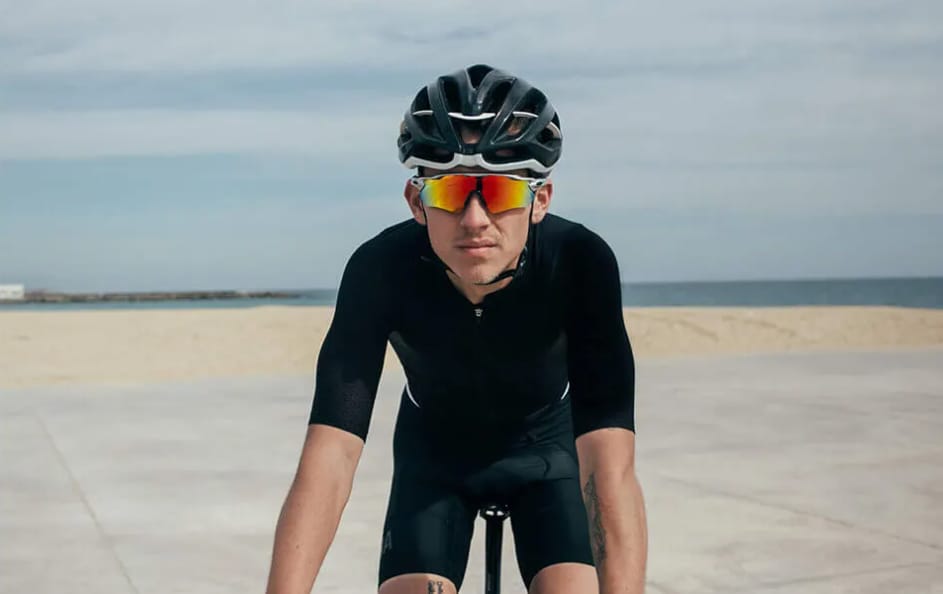
Lighting conditions rarely stay consistent during outdoor sports or active work environments. A bright field can shift into deep shade within seconds, and moving between indoor and outdoor areas can happen repeatedly throughout the day. In these situations, eyewear that adapts to changing light becomes extremely useful. This is where Transition Safety Glasses offer a practical advantage.
These lenses automatically darken in bright sunlight and return to a clearer state when the lighting becomes dimmer. Instead of switching between multiple pairs of glasses, athletes and professionals can rely on one pair of protective eyewear that adapts throughout the day. For sports, field work, and other high-movement environments, this technology helps maintain both safety and consistent visual clarity.
Understanding how adaptive lenses work and where they perform best can help professionals choose protective eyewear that supports both vision and performance.
Why Changing Light Conditions Affect Visual Performance
Vision accuracy plays a central role in both athletic performance and workplace safety. Sudden shifts in brightness force the eyes to constantly adjust, which can briefly affect visual clarity.
Moving from bright sunlight into shade, entering a building, or working under changing cloud cover requires the pupils to rapidly adapt. During this adjustment period, depth perception and contrast sensitivity may temporarily decline.
In sports or technical work, even short moments of reduced clarity can cause problems such as:
- Difficulty tracking fast-moving objects
- Reduced ability to judge distance or speed
- Glare that interferes with focus
- Increased eye fatigue over time
Protective eyewear that adjusts to light helps reduce these visual disruptions. By maintaining balanced light transmission, adaptive lenses allow the eyes to remain focused without constant brightness adjustments.
How Transition Safety Glasses Adapt to Light
Transition Safety Glasses use photochromic lens technology. These lenses contain molecules that react to ultraviolet light.
When UV exposure increases outdoors, the molecules activate and darken the lens. When the wearer moves indoors or into shaded environments, the reaction reverses, and the lens gradually becomes clear again.
This process occurs automatically and continuously. No manual adjustment is required.
Reliable transition lenses are designed with several key performance characteristics.
- Fast activation in sunlight: The lenses respond quickly to UV exposure, reducing glare in bright outdoor environments.
- Smooth transition indoors: As lighting conditions decrease, the lenses return to a clearer state that allows comfortable indoor vision.
- Stable optical clarity: High-quality lenses maintain consistent visual accuracy during both light and dark phases.
For athletes and workers who move between environments, this automatic adaptation eliminates the need to carry multiple pairs of eyewear.
Why Athletes and Outdoor Workers Prefer Adaptive Lenses
Sports environments rarely offer stable lighting conditions. Athletes often move between sunlit areas, shaded sections, and reflective surfaces within the same activity.
Adaptive lenses offer several practical benefits.
Reduced glare
Bright sunlight can create harsh glare, especially on water, pavement, or metal equipment. Transition lenses darken automatically to improve visual comfort.
Better contrast recognition
Balanced brightness helps athletes identify subtle details such as surface texture, ball movement, or terrain changes.
Continuous eye protection
Because eyewear does not need to be removed or replaced, protective coverage remains consistent.
Lower visual fatigue
Stable brightness reduces the strain caused by repeated light adjustments during long training sessions.
These benefits make adaptive protective eyewear particularly useful for sports and active outdoor work.
When Transition Prescription Safety Glasses Are Most Useful
For people who require vision correction, transition prescription safety glasses combine three essential features in one pair of eyewear.
They provide prescription vision correction, impact protection, and automatic light adjustment.
This combination is especially useful in activities where both visual precision and durability are important.
Common examples include:
- Cycling and endurance sports: Athletes move between open sunlight, shaded trails, and varying weather conditions.
- Construction and field work: Workers frequently transition between outdoor job sites and indoor work areas.
- Ball sports: Players must track fast-moving objects across both bright and shaded environments.
Because the lenses adjust automatically, athletes and professionals do not need to pause activity to change eyewear.
Lens Tint, Polarisation, and Visual Detail
Lens tint and polarization can significantly influence how visual details appear during sports.
While polarization reduces glare, excessive filtering can sometimes affect color contrast. This is particularly important in sports where terrain detail matters.
For example, golfers rely on subtle color variations in grass to read the surface of the green. Over-filtering certain wavelengths may reduce those details. This concept is explained further in this article discussing why overpolarization can reduce green detail in golf, which highlights how lens treatments influence terrain visibility.
Transition lenses are designed to maintain natural color balance while adjusting brightness, helping athletes preserve visual accuracy across changing conditions.
Durability Requirements for Safety Sports Glasses
Adaptive lenses must still meet the durability requirements expected from protective eyewear.
Safety sports glasses are typically made with impact-resistant materials such as polycarbonate. This material offers strong protection against sudden impacts while remaining lightweight.
Frame design also contributes to performance and safety.
Key features often include:
- Wraparound frames for better side protection
- Stable nose bridges for secure fit
- Lightweight construction for extended wear
In sports involving high-speed objects or physical movement, protective eyewear must remain structurally reliable. Strong frames combined with adaptive lenses provide both durability and visual flexibility.
Choosing Reliable Transition Safety Glasses
Not all adaptive lenses perform equally. The best designs balance responsiveness, optical clarity, and structural durability.
Important features to consider include:
- Consistent transition speed: Lenses should darken quickly outdoors and return smoothly to a clear state indoors.
- Clear indoor visibility: After outdoor exposure, lenses should return to comfortable indoor brightness.
- Impact-resistant materials: Protective eyewear must withstand workplace or sports hazards without adding unnecessary weight.
- Secure frame fit: Sports frames should remain stable during movement and physical activity.
Professionals researching protective eyewear often begin by comparing certified options for Transition Safety Glasses that combine adaptive lens technology with durable safety frame construction.
Evaluating both lens performance and frame durability ensures the eyewear will perform reliably in real-world conditions.
A Practical Solution for Variable Lighting
Athletes and outdoor professionals rarely operate under constant lighting conditions. Sunlight, shade, reflective surfaces, and indoor environments may all appear within the same activity.
Adaptive lens technology helps stabilize brightness as these conditions change. Instead of forcing the eyes to constantly adjust, the lenses regulate light exposure automatically while maintaining clear vision.
When designed with strong materials and reliable optics, Transition Safety Glasses provide a balanced combination of protection, visual stability, and convenience.
For sports and demanding outdoor environments, adaptive protective eyewear offers a dependable solution for maintaining clear vision throughout the day.

