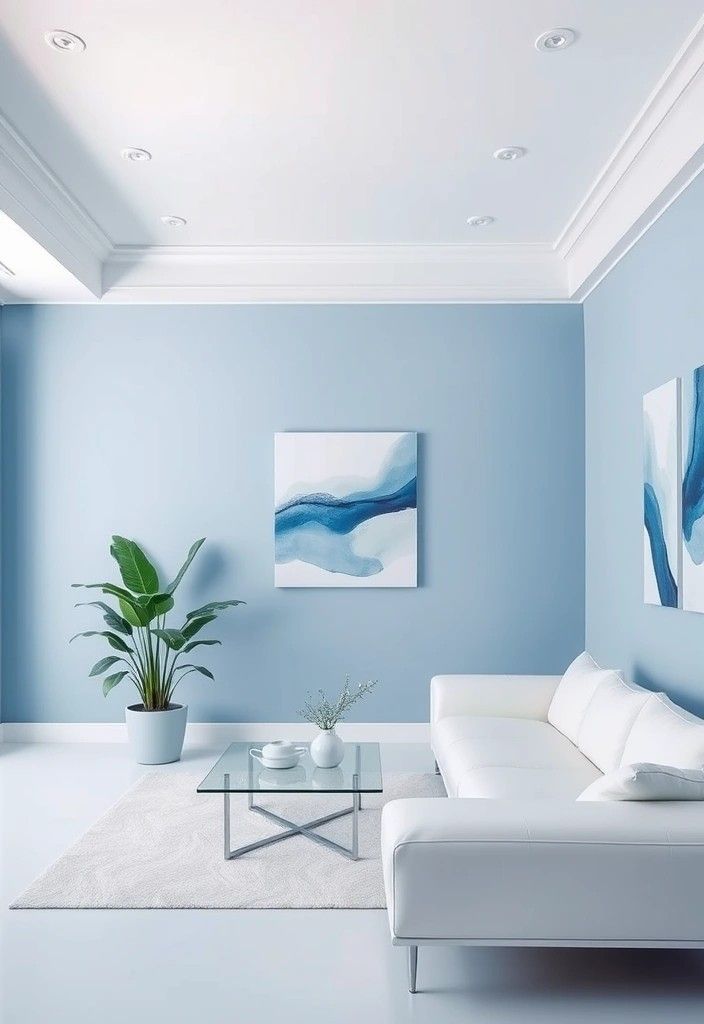
Introduction to Wall Color Combinations
The choice of wall color in interior design plays a pivotal role in shaping the overall atmosphere and functionality of a room. Color is not merely an aesthetic element; it has profound psychological effects that can influence our emotions and behavior. For instance, warm colors like reds and yellows can evoke feelings of warmth and energy, making them suitable for social spaces, while cool colors such as blues and greens promote calmness and relaxation, ideal for bedrooms or study areas.
When it comes to creating an ambiance that reflects personal style while also serving the purpose of each room, understanding the nuances of color combinations becomes essential. Different colors can complement each other, creating an inviting environment or can clash, which may lead to discomfort. For example, pairing a soft beige with deeper tones such as navy blue can provide a sophisticated and elegant look, while contrasting bright colors can inject playful energy into a space.
Moreover, the selection of wall colors can impact the perception of space. Lighter hues tend to make a room feel larger and more open, while darker tones can create a cozy and intimate atmosphere. This understanding is crucial when considering the size and layout of a room. As we delve into the various wall color combinations, it is important to bear in mind how they can enhance not only the visual appeal but also the functionality and mood of each space in a home. By carefully choosing wall colors, homeowners can transform their living spaces into reflections of their tastes and lifestyles.
Understanding Color Psychology
Color psychology is an intriguing subject that explores how different hues can evoke specific emotions and influence human behavior. Colors are not just aesthetic choices in interior design; they have the power to affect our mood, energy levels, and overall well-being. Understanding color psychology can help in selecting the right wall color combinations for every room in your home.
Warm colors, including reds, oranges, and yellows, are often associated with warmth and comfort. These colors tend to energize a space, making them ideal for areas where social interaction occurs, such as living rooms and dining rooms. Warm colors can stimulate conversation and create a lively atmosphere, encouraging family and friends to gather and enjoy their time together.
On the other hand, cool colors like blues, greens, and purples are generally linked to tranquility and relaxation. These shades can create serene environments that promote calmness and concentration, making them perfect for bedrooms, bathrooms, or home offices. Utilizing cool colors in these spaces can aid in reducing stress and enhance focus, thus contributing to a more productive and restful atmosphere.
When selecting wall colors for various rooms, it is essential to consider how these colors will interact with the room’s function. For instance, the use of a deep blue in a bedroom may foster relaxation, while a soft green can invigorate a study area. Moreover, combining cool and warm colors can yield a balanced environment that retains visual interest while catering to emotional needs.
Ultimately, understanding the psychological implications of color can aid homeowners in curating spaces that truly reflect their desired atmospheres. By thoughtfully combining colors, one can achieve a harmonious blend of energy and relaxation throughout their life space.
Living Room Color Combinations
The living room serves as the heart of the home, where comfort meets style. Choosing the right color combinations is pivotal in creating an inviting atmosphere that reflects personal taste while promoting relaxation. A popular choice is to pair neutral tones with vibrant accents. This approach allows for flexibility in decor, where shades like soft beige or light gray serve as the base, while bold colors like deep navy or emerald green dramatically enhance the space.
Additionally, a timeless palette can be achieved through the use of earth tones such as terracotta, olive green, and warm browns. These colors can evoke a sense of warmth and homeliness, making your living room a perfect retreat from the hustle and bustle of daily life. To achieve balance, consider adding complementary accessories in metallics or pastels. This not only uplifts the earthy tones but also provides a modern twist.
For those who favor a more monochromatic approach, a range of similar shades can create a serene environment. For instance, combining various shades of gray—from light silver to slate—can provide sophistication while retaining a soft visual appeal. To break the monotony, include textures through textiles or artwork in contrasting colors such as mustard yellow or soft pink.
Ultimately, the best living room color combinations should accentuate the room’s architecture while allowing for individual expression. Whether opting for classic, neutral palettes or bold, modern hues, the right combination enhances both aesthetics and comfort, leading to a space that truly feels like home.
Bedroom Wall Color Ideas
The bedroom is a sanctuary, a space meant for rest and rejuvenation. Therefore, choosing the right wall colors is crucial in creating an ambiance that promotes relaxation. Soothing color schemes play a significant role in enhancing the overall comfort of this personal space. Soft, muted tones often evoke feelings of tranquility, while more vibrant colors can add dynamism and energy, depending on the desired mood.
For a classic and serene atmosphere, consider opting for a palette of soft blues and grays. Shades like sky blue or light gray can create an expansive feeling, making the room not only calming but also spacious. Pairing these colors with white accents, such as trim or furniture, can enhance brightness, contributing to a fresh and airy feel.
Alternatively, warm colors like soft peach or light lavender foster coziness. These hues can create an inviting warmth, promoting relaxation and comfort, especially during cooler months. Combining soft peach walls with deep, rich wooden furniture can create a striking contrast that adds depth without overwhelming the senses.
For those who prefer a bolder approach, consider a feature wall painted in a deep navy or forest green. These colors can impart sophistication while maintaining a sense of calm, especially when combined with lighter complementary shades. Such a combination allows for a grounding effect, particularly in larger bedrooms. Adding soft textiles in lighter hues will balance the boldness of a dark wall.
In summary, selecting the right wall colors for a bedroom is pivotal in establishing a restful environment. From soothing blues to rich accent colors, the combinations available allow for personal expression while promoting relaxation and comfort. Ultimately, it is about finding the palette that speaks to your individual style and enhances your sanctuary.
Kitchen Color Pairings
The kitchen is a unique space in any home where both functionality and aesthetics play crucial roles in its design. Choosing the right wall color combinations can significantly influence the overall atmosphere, making it feel inviting, spacious, or even cozy. When selecting colors for the kitchen, it is essential to consider the effect of each hue and how they work together to create the desired impact.
Light colors, such as soft whites or pale yellows, can make a kitchen feel more expansive, promoting a sense of openness and airiness. These shades reflect light, which can create a bright and cheerful environment ideal for cooking and socializing. Pairing these light shades with darker accents, such as navy blue cabinets or charcoal gray trim, can add depth and contrast, creating a more dynamic look while maintaining a balanced feel.
Another popular trend involves warmer tones, such as terracotta or muted oranges, which evoke a sense of warmth and comfort in the kitchen. When paired with natural wood elements or creamy whites, these colors can create a rustic and inviting atmosphere, perfect for family gatherings or casual dining. Additionally, incorporating green accents, reminiscent of herbs and fresh produce, can seamlessly bring the outdoors inside, adding a touch of freshness to the kitchen space.
For those looking to make a bold statement, darker colors like deep greens or rich blues can create a dramatic effect when used thoughtfully. These shades can provoke feelings of richness and sophistication, especially when contrasted with lighter components like white cabinets or metallic fixtures. Ultimately, the best wall color combinations for the kitchen depend not only on aesthetics but also on personal preference and the desired ambiance. Experimenting with various shades and pairings can lead to finding the perfect balance that reflects individual style while ensuring the space is functional and welcoming.
Bathroom Wall Colors
The selection of wall colors for a bathroom is crucial, as it significantly impacts the overall ambiance of the space. A well-chosen color can evoke a sense of tranquility and sophistication, creating a spa-like atmosphere. Particularly in smaller bathrooms, the right hues can enhance the perception of space, making them feel larger and more inviting.
For those aiming to achieve a bright and airy feel, soft pastel colors, such as pale blues and airy greens, are excellent choices. These cool tones can impart a refreshing quality that simulates water’s natural essence, thus elevating the relaxing qualities of a bathroom. Additionally, creamy whites and light grays can also create an illusion of space while maintaining a crisp and clean aesthetic. These lighter shades reflect natural light effectively, brightening the room and making it feel more open.
On the other hand, if one prefers a more muted and serene environment, consider soft taupes, gentle beiges, and muted greens. These earthy tones contribute to a cozy atmosphere while ensuring that the space remains calming and inviting. Such colors work harmoniously with natural materials—like wooden accents and plant life—creating a spa-like retreat ideal for relaxation.
Finally, incorporating darker shades, such as navy blue or charcoal gray, can offer an elegant contrast when balanced with brighter elements, like white fixtures or vibrant decorative items. This monochromatic approach can add depth and sophistication while still conveying a sense of comfort.
Ultimately, the best wall color for a bathroom depends on personal preferences, the overall design theme, and the desired atmosphere. By carefully selecting the appropriate hues, homeowners can transform their bathrooms into serene and stylish sanctuaries.
Home Office Color Schemes
Creating an optimal work environment within a home office involves thoughtful consideration of wall color. The selection of colors can significantly influence productivity, focus, and overall comfort. When considering color schemes, it is essential to choose hues that evoke the desired mood and enhance concentration.
Neutral colors, such as soft whites, grays, and beiges, create a clean and uncluttered workspace. These shades serve as an excellent backdrop, allowing decorations and furniture to stand out without overwhelming the senses. For those who seek a touch of vibrancy, incorporating accents of navy blue or forest green can invigorate the environment without becoming distracting. These colors are known to promote focus and calmness, creating a balanced workspace ideal for productivity.
Additionally, warm colors like soft yellows or muted oranges can stimulate creativity and energy, making them suitable for more creative professions. However, excessive use of intense shades may lead to feelings of agitation. Therefore, it’s advisable to pair these warm tones with cooler neutrals to maintain balance in the room.
Bright whites can enhance natural light, making the space feel more open and airy, which is especially beneficial in smaller home office spaces. When accessorizing, consider utilizing artwork or decor in complementary colors, which can add character without overwhelming the primary palette.
Ultimately, the best wall color combinations for a home office should reflect personal taste while promoting a conducive work atmosphere. Experimenting with different combinations can reveal what resonates best with your workflow, leading to a more productive and enjoyable working experience.
Children’s Room Color Combinations
When it comes to decorating a child’s room, vibrant and playful color schemes can greatly influence their creativity and emotions. The right wall color combinations not only reflect a child’s personality but also create an environment that stimulates growth and learning. A well-thought-out color palette can transform a simple room into a vibrant sanctuary where imagination soars.
One popular combination is a soft pastel palette featuring mint green, lavender, and peach. This blend provides a calming yet cheerful atmosphere, ideal for a room dedicated to rest and play. Pastels work well on the walls, while brighter accents can be added through furniture or décor items, such as rugs or cushions. Such a scheme fosters a welcoming space, inviting children to explore and engage with their surroundings.
For a bolder approach, consider pairing bright yellow with deep navy blue and crisp white. This striking combination not only brings energy into the room but also offers a modern touch. Yellow can be used on the main walls, while navy blue gives an excellent contrast for an accent wall or decorative elements. Incorporating white can balance the vividness, ensuring the space does not feel overwhelming. This mix encourages a spirited atmosphere, perfect for active play or creative activities.
Alternatively, combining soft blues with cheerful coral and accents of sandy beige creates a serene beach-inspired environment. This palette promotes relaxation while still allowing room for imagination. The use of coral adds warmth and vibrancy, making it inviting without being too stimulating. Beige accents can ground the color scheme, making it practical for changing tastes as children grow older.
Children’s preferences can change quickly, thus opting for removable stickers or decals allows flexibility in design. Ultimately, the key is to ensure that the colors chosen not only reflect the child’s personality but also foster a nurturing environment conducive to their development and interests.
Choosing the Right Finishing Touches
Finalizing the wall color selections for your space is just the first step in creating a cohesive and inviting atmosphere. To achieve a polished interior design, the finishing touches such as trim, accent walls, and decor play a crucial role. These elements are instrumental in enhancing the overall look while ensuring harmony with the primary wall colors.
When it comes to trim, selecting the right finish can either complement or contrast with your chosen wall color. For example, a crisp white trim can brighten and outline any color scheme, providing a clean and sophisticated look. Conversely, painting the trim a darker hue can create a striking frame around lighter walls, emphasizing architectural details and depth. The key lies in achieving balance; hence, it is advisable to choose a trim color that harmonizes with the entire palette of the room.
Accent walls present another opportunity to elevate the design aesthetic. They can serve as a focal point that draws the eye and adds character to the space. When choosing an accent wall, consider hues that coordinate with the main wall colors yet stand out enough to create visual interest. Utilizing textures such as wallpaper or wood paneling can add dimension and complement the overall design.
Finally, decorative elements, such as artwork, furniture, and textiles should echo the chosen wall colors. Select decor items that incorporate one or more of your wall colors to establish a cohesive theme, while varying tones and textures to maintain an engaging visual dynamic. It is essential to keep the design balanced; therefore, moderation is key—too many contrasting colors can create chaos rather than harmony. Achieving a well-rounded space involves carefully selecting each element to ensure they collectively enhance your chosen wall color palette.

