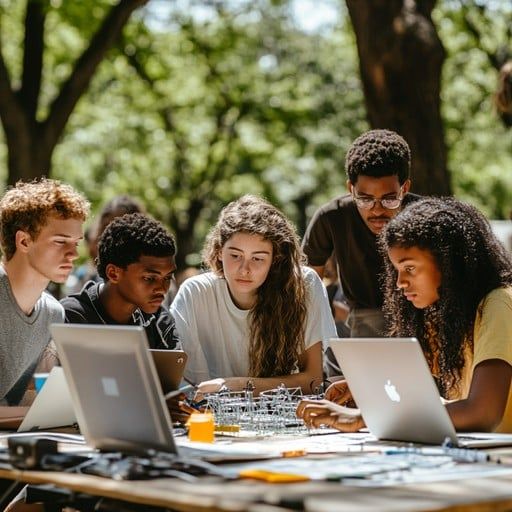
Introduction to Quality Education
Quality education is often defined as an educational experience that not only imparts knowledge but also fosters critical thinking, creativity, and the ability to apply skills in real-world scenarios. It encompasses a framework that ensures equal access, inclusivity, and the promotion of lifelong learning opportunities for all individuals, irrespective of their backgrounds or circumstances. In contemporary society, where rapid changes in technology and global interactions are commonplace, the significance of quality education cannot be overstated.
At its core, quality education aims to equip learners with the necessary tools to navigate the complexities of modern life. This includes developing a well-rounded skill set that prepares individuals for the workforce, encourages civic engagement, and nurtures social cohesion within communities. Moreover, quality education plays a crucial role in reducing inequality by providing vulnerable populations with the chance to improve their socioeconomic status. By addressing barriers to education such as poverty, discrimination, and lack of resources, societies can unlock the potential of every citizen.
Furthermore, the benefits of quality education extend beyond the individual level, impacting society as a whole. Educated individuals tend to exhibit higher levels of civic participation, better health outcomes, and reduced crime rates. Additionally, well-educated populations foster innovation and economic growth, essential for the development and sustainability of any nation. In an increasingly interconnected world, the importance of sharing knowledge and cultivating a culture of educational excellence is paramount.
As we delve deeper into the transformative power of quality education, it becomes evident that its impact is profound and far-reaching. It serves as the foundation for an informed society, capable of overcoming challenges and creating opportunities for future generations. Understanding quality education and its implications is essential in recognizing its vital role in shaping prosperous and equitable communities.
Quality education serves as a catalyst for personal growth and development, unlocking the innate potential of individuals. It is not merely about the acquisition of knowledge; rather, it encompasses the enhancement of critical thinking skills, fostering creativity, and nurturing self-esteem. These components are essential in allowing individuals to realize their aspirations and contribute meaningfully to society.
Critical thinking, a cornerstone of quality education, enables learners to analyze information effectively and make informed decisions. Through engaging with diverse perspectives, students cultivate the ability to question assumptions and develop their arguments. This skill is vital, as it empowers individuals to tackle challenges with a well-rounded approach, equipping them with the necessary tools to navigate an increasingly complex world.
Moreover, quality education fosters creativity by encouraging innovative thinking and problem-solving capabilities. When students are exposed to varied learning environments, they are more likely to explore their interests and imagine new possibilities. This creative experimentation can lead to breakthroughs in personal and professional domains, reinforcing the idea that education should stimulate imagination alongside intellect.
Furthermore, quality education plays a significant role in enhancing self-esteem. As individuals acquire new skills and knowledge, they often experience a sense of accomplishment. This boost in confidence reflects positively on their personal and professional lives, motivating them to pursue their goals with tenacity. It sets a positive feedback loop into motion, where educated individuals are more likely to engage with their communities and invest in their further development.
In essence, the transformative power of quality education extends beyond the fundamental acquisition of facts. It delves deeper into enhancing individual potential, equipping people with essential skills that benefit not only themselves but society as a whole.
Economic Growth and Opportunity
Access to quality education serves as a fundamental driver of economic growth and opportunity within societies. The relationship between education levels and economic development is well-documented, with numerous studies indicating that higher education correlates strongly with enhanced workforce skills and increased productivity. Individuals who have received quality education are more likely to acquire critical thinking skills, adaptability, and specialized knowledge, which are essential traits in today’s rapidly evolving job market.
In addition to personal skill enhancement, quality education plays a pivotal role in shaping the overall labor market. An educated workforce tends to experience lower unemployment rates, as individuals with advanced skills are more competitive when seeking employment. Employers are increasingly looking for qualified candidates who can contribute to innovation and efficiency, making education a key factor in employability. Furthermore, as the workforce becomes more skilled, businesses can increase their productivity, leading to enhanced performance across various sectors.
The impact of education on economic growth is not limited to individual benefits; it also promotes broader societal advancements. Increased educational attainment leads to higher levels of income, which contributes to greater consumer spending and investment in local economies. This cycle of growth creates a positive feedback loop, where improved education fosters economic expansion, which in turn generates more resources for educational institutions.
Moreover, the access to quality education helps to mitigate economic disparities. By ensuring that individuals from all backgrounds have the opportunity to attain educational success, societies can harness a wider range of talents and perspectives, further driving innovation. Ultimately, the investment in quality education emerges as a crucial strategy for promoting sustainable economic growth, creating opportunities, and reducing inequality.
Social Benefits of Education
Quality education serves as a cornerstone for fostering positive social outcomes within communities. One of the most notable benefits is the correlation between education and reduced crime rates. Educated individuals are more likely to engage in lawful behavior and less likely to enter into criminal activities. A well-educated populace contributes to lower levels of poverty and unemployment, factors which are often linked to crime. Studies have consistently shown that when educational opportunities are accessible and equitable, communities experience a notable decline in crime and an increase in public safety.
In addition to enhancing safety, quality education bolsters civic engagement. Individuals who have received a solid education tend to be more involved in democratic processes, such as voting and community service. They possess the necessary skills to understand complex social issues, which empowers them to participate actively in discussions and decisions that affect their lives and communities. An educated citizenry is essential for a functioning democracy, where informed opinions contribute to governance and policy-making.
Moreover, the social benefits of education extend into health outcomes as well. Research indicates that higher levels of education are linked to healthier lifestyles, including lower rates of smoking, obesity, and chronic illnesses. Education often equips individuals with the knowledge needed to make informed health choices and access healthcare services effectively. Consequently, this leads to improved longevity and quality of life, as health literacy emerges as an integral aspect of a well-rounded education.
Overall, the interconnected nature of reduced crime rates, heightened civic engagement, and enhanced health outcomes illustrates how deeply embedded quality education is within the social fabric of communities. By prioritizing education, societies not only uplift individuals but also foster a stronger, more cohesive community that benefits all its members.
Closing the Equity Gap
Quality education serves as a fundamental pillar in the quest to close the equity gap that exists among various social and economic groups. The disparities in access to educational resources significantly impact the opportunities and outcomes for marginalized populations. Initiatives aimed at providing quality education to these groups have demonstrated the potential to foster long-term societal change by addressing systemic inequalities.
Several programs have emerged to tackle these disparities by targeting underprivileged communities. These initiatives often involve collaboration between governmental and non-governmental organizations to create more inclusive educational environments. For example, scholarship programs and mentorship schemes can directly address financial barriers that hinder access to quality education. Such efforts not only increase enrollment rates in schools across these communities but also improve overall academic performance by providing necessary support and resources.
Moreover, innovative educational frameworks play a critical role in bridging the gap. For instance, community-based learning centers and online education platforms grant access to high-quality resources that may not have been previously available to marginalized groups. By utilizing technology and local resources, these programs create learning environments where every individual has the opportunity to thrive, regardless of their background.
Furthermore, raising awareness about the importance of equitable educational practices is essential for sustainable change. Stakeholders must recognize the value of providing support systems that accommodate diverse learning needs. This includes training qualified educators who understand the unique challenges faced by socio-economically disadvantaged students and implementing curricula that reflect their experiences. By empowering educators and fostering inclusive pedagogy, quality education can effectively dismantle the barriers that perpetuate the equity gap.
Global Impact of Quality Education
The influence of quality education transcends national boundaries, playing a pivotal role in the advancement of several international goals, particularly the United Nations Sustainable Development Goals (SDGs). Quality education is recognized as a fundamental right and a powerful catalyst for personal and societal transformation. It is essential for fostering sustainable economic growth, reducing inequalities, and creating informed and engaged citizens.
Among the SDGs, Goal 4 specifically aims to “ensure inclusive and equitable quality education and promote lifelong learning opportunities for all.” This goal underscores the importance of providing access to quality education regardless of geographical or socio-economic barriers. Numerous global initiatives and programs demonstrate the positive outcomes of investing in education. For instance, countries such as Finland have implemented comprehensive educational reform that emphasizes equity and student-centered learning, significantly improving educational outcomes and social cohesion.
Another remarkable example can be found in the Global Partnership for Education, which has mobilized resources and expertise to bolster education in low-income countries. Their initiatives have led to increased enrollment rates, improved teacher training, and the development of relevant curricula that cater to local contexts. Such programs illustrate how strategic investments in quality education can generate broad-based benefits, fostering healthier communities and more stable economies.
Furthermore, quality education contributes to the realization of several interconnected goals, including the promotion of gender equality and the empowerment of women, as well as the encouragement of lifelong learning. By ensuring that all individuals have access to quality educational opportunities, nations can make significant progress toward achieving a more equitable and sustainable future.
Challenges to Quality Education
Despite the recognized importance of quality education for societal advancement and individual empowerment, several challenges hinder its delivery on a global scale. One of the most pressing issues is funding shortages. Many educational institutions, particularly in developing regions, lack the financial resources necessary to provide adequate learning materials, hire qualified teachers, and maintain infrastructure. Inadequate funding results in overcrowded classrooms, outdated textbooks, and insufficient technology, all of which detract from the quality of education delivered to students.
Infrastructure issues also pose significant barriers to quality education. In many areas, especially rural regions, school facilities are lacking or in disrepair. This can affect not only the learning environment but also student attendance and retention rates. For instance, lack of access to clean water and sanitation facilities can lead to health issues among students, disrupting their education. Additionally, inadequate transportation options can make it difficult for students to reach schools, further exacerbating educational inequities.
Socio-political barriers represent another challenge in the pursuit of quality education. In certain regions, political instability, conflict, or discrimination can impede access to education for various demographic groups, including girls and marginalized communities. These challenges not only diminish opportunities for quality learning but also perpetuate cycles of poverty and inequality. When educational systems fail to promote inclusivity and equity, they deny individuals the chance to improve their circumstances through learning and personal growth.
Addressing these challenges is critical to unlocking the transformative potential of quality education. By increasing funding, improving infrastructure, and fostering inclusive policies, societies can create an educational environment where all individuals have the opportunity to thrive. Quality education should not be a privilege for the few but a fundamental right available to everyone, laying the foundation for a more equitable and prosperous future.
Importance of Lifelong Learning
In today’s fast-paced and continuously evolving world, the concept of lifelong learning has gained paramount importance. As technological advancements accelerate and industries transform, relying solely on formal education received during one’s youth is insufficient. Lifelong learning encompasses the ongoing, voluntary, and self-motivated pursuit of knowledge for personal or professional development, making it essential for adapting to new challenges and opportunities.
Individuals are often faced with rapidly changing job requirements, with skills required today potentially becoming obsolete tomorrow. Therefore, a commitment to continuous education allows individuals to stay relevant in their fields and enhances their professional prospects. Engaging in lifelong learning can take many forms, such as online courses, workshops, seminars, and self-directed reading, enabling learners to acquire new skills and deepen their knowledge base irrespective of their age or career stage.
The significance of lifelong learning extends beyond career advancement. It fosters personal growth and satisfaction, contributing to overall well-being. As people explore varied subjects, they may develop new interests and passions, leading to enriched lives. Furthermore, the process of learning encourages critical thinking, creativity, and adaptability—traits that are increasingly crucial in today’s multifaceted world.
Furthermore, technology has made lifelong learning more accessible than ever. Online platforms provide a plethora of resources that cater to diverse learning styles and schedules. With a wide array of options available, individuals can pursue learning at their own pace, making it easier to blend education with existing personal and professional commitments.
In conclusion, the importance of lifelong learning cannot be overstated. While formal education establishes the foundation, continuous learning is essential for academic, professional, and personal growth in an ever-changing landscape. Embracing lifelong learning not only enhances employability but also enriches the individual’s experience of life itself.
Conclusion: A Call to Action
Throughout this discussion, we have examined the profound impact that quality education has on individuals and society as a whole. Education serves as the cornerstone for personal development, economic advancement, and societal progress. It fosters critical thinking, cultivates skills, and promotes understanding among diverse populations. Moreover, by equipping individuals with the knowledge necessary to navigate an increasingly complex world, quality education can significantly reduce inequality and empower communities.
The evidence is unequivocal: accessible and quality education is not merely a privilege but a fundamental human right. It is essential that we recognize the role of education in breaking the cycles of poverty and fostering sustainable growth. Therefore, it is imperative that we advocate for and support initiatives aimed at improving educational systems and providing resources to those who are underserved. This includes supporting local schools, engaging in policy discussions, and contributing to organizations dedicated to educational reform.
As we reflect on the transformative power of quality education, let us be reminded of our shared responsibility in ensuring that every individual has the opportunity to learn and thrive. Your involvement can make a difference, whether it is through volunteering, making donations, or raising awareness about the importance of education. Together, we can create a future where education is accessible to all, paving the way for innovation, equity, and advancement. Join the movement to promote quality education for everyone; it is an investment in a brighter tomorrow.

