Introduction to Wearable Technology
Wearable technology refers to electronic devices that are designed to be worn on the body, often in the form of clothing or accessories. These devices typically incorporate advanced functionalities that allow users to monitor various aspects of their health, fitness, and overall well-being. Prominent examples of wearable technology include smartwatches, fitness trackers, and smart clothing, each serving a unique purpose in enhancing health tracking capabilities.
Smartwatches, such as the Apple Watch or Samsung Galaxy Watch, are versatile devices that blend traditional timekeeping with advanced health monitoring features. They can track heart rate, measure physical activity, monitor sleep patterns, and even facilitate communication. By providing users with real-time data, smartwatches enable individuals to make informed decisions about their health and fitness routines.
Fitness trackers, including popular brands like Fitbit and Garmin, are specifically designed to encourage physical activity and healthy habits. These devices typically focus on monitoring steps taken, calories burned, active minutes, and sleep quality. The purpose of fitness trackers is to help users set personal goals and achieve them through tracking progress over time.
Advancements in wearable technology have also led to the emergence of smart clothing. These garments integrate sensors that provide insights into physiological metrics, such as muscle activity or heart rate, while the individual goes about their daily activities or exercises. This kind of technology not only aids in health tracking but also plays a vital role in sports performance optimization.
In essence, wearable technology serves to bridge the gap between health monitoring and user engagement. With their integration of sensors and real-time data analysis, these devices empower individuals to take charge of their health and fitness journeys, ultimately leading to improved outcomes in various aspects of life.
The Evolution of Health Tracking
Health tracking has a rich history that reflects the changing landscapes of medicine and technology. Initially, health monitoring was largely manual and entirely reliant on patient self-reporting and physicians’ observations. Traditional methods included keeping diaries, relying on periodic check-ups, and utilizing basic tools like thermometers or blood pressure cuffs. This rudimentary approach provided limited data and required significant personal effort.
As medical science advanced, so did the techniques for tracking health metrics. In the late 20th century, the introduction of electronic health records began to streamline how patient information was documented and shared. This shift marked a transition from paper-based systems to digital solutions, allowing for better data management and analysis. Health professionals gained the ability to access patient histories quickly, leading to improved diagnostics and treatment plans.
The last two decades have seen a significant transformation in health tracking with the emergence of wearable technology. Devices such as fitness trackers, smartwatches, and health monitoring devices have revolutionized how individuals engage with their health. These wearables continually collect real-time data on various health metrics, including heart rate, sleep patterns, physical activity, and more. The accuracy and convenience afforded by these devices empower users to take a proactive role in monitoring their health.
By incorporating advanced sensors and connectivity features, wearable health technology has enabled a shift towards personalized medicine. Users can now easily analyze their health data, identify potential issues, and make informed lifestyle choices. Moreover, these devices often connect with mobile applications, providing users with insights and trends that can motivate them to reach their health goals.
Key Features of Wearable Health Devices
Wearable health devices have revolutionized health tracking, integrating advanced technology into everyday life to monitor various health metrics with ease. A fundamental feature of these devices is heart rate monitoring, which allows users to track their heart rate continuously or during specific activities. This feature is crucial for understanding cardiovascular health and can alert users to potential health issues by detecting abnormal heart rhythms.
Another prominent feature is step counting. Most wearable technology includes accelerometers that track physical activity by counting steps taken throughout the day. This data can be invaluable for users aiming to increase their physical activity levels for weight management or overall health enhancement. The importance of consistent movement cannot be understated, and step counting makes it easier to set and achieve fitness goals.
Sleep tracking is yet another essential function of wearable health devices. By monitoring the quality and duration of sleep, users can gain insights into their rest patterns, which directly impact overall health. Advanced models analyze various sleep stages, allowing individuals to understand if they are getting restorative sleep. This is particularly beneficial for those struggling with sleep disorders or aiming to improve their sleep quality.
In terms of navigation and outdoor activities, GPS tracking has become increasingly common in wearable technology. This feature allows users to track their location during outdoor exercises such as running or cycling. Not only does it provide users with the ability to map their routes, but it also aids in safety by allowing individuals to share their location with trusted contacts.
In addition to these features, many devices also provide capabilities such as calorie counting, hydration reminders, and stress tracking, which contribute to a comprehensive assessment of one’s health. By integrating these features, wearable health devices present a holistic approach to health tracking, making them indispensable tools for individuals committed to improving their health and well-being.
Benefits of Using Wearable Technology for Health Tracking
Wearable technology has significantly transformed the landscape of personal health monitoring, offering a multitude of benefits that enhance individual health awareness. One primary advantage of utilizing these devices is the increased personal health insights they provide. Wearables, such as fitness trackers and smartwatches, continually collect health data, allowing users to monitor vital metrics such as heart rate, sleep patterns, and physical activity levels. Such constant feedback not only empowers individuals to understand their health status better but also encourages them to adopt healthier lifestyles.
Another notable benefit of wearable technology is the motivational aspect it instills in users. Many wearable devices include gamification features, such as step challenges and achievement badges, which inspire individuals to reach their fitness goals. This integration of competition and rewards motivates users to stay active and make conscious decisions regarding their physical activity. By establishing a clear set of objectives and providing real-time feedback on progress, wearables effectively promote consistent engagement in health-enhancing behaviors.
Furthermore, personalized health insights derived from wearable technology are instrumental in tailoring fitness and wellness regimens to suit individual needs. Through the analysis of collected data, users can receive customized recommendations based on their health metrics, preferences, and goals. This level of personalization not only boosts effectiveness but also fosters adherence to the prescribed health improvements.
Finally, wearable technology holds significant potential for preventative health care. By continuously monitoring key health indicators, such devices can alert users to potential health issues before they escalate. This proactive approach aids in early detection and timely intervention, which is essential for managing chronic conditions and promoting long-term well-being. Thus, the advantages of embracing wearable technology for health tracking are vast and impactful, transforming the way individuals engage with their health.
Limitations of Wearable Technology
While wearable technology has significantly improved health tracking, it is not without its limitations. One primary concern is the accuracy of the data collected. Many devices rely on sensors and algorithms that may not provide precise readings for all users or in all circumstances. Factors such as skin tone, movement, and environmental conditions can impact the performance of these devices, leading to potential discrepancies in the data reported.
Moreover, an over-dependence on wearable technology can create a reliance that may not be beneficial. Users may become fixated on their devices, potentially neglecting other important aspects of health management such as diet, sleep quality, and mental well-being. This dependency can result in anxiety, especially among individuals who are overly concerned about metrics like step counts or heart rates.
Privacy concerns also pose significant limitations for users of wearable technology. As these devices collect vast amounts of personal health data, there is an increasing risk of breaches and unauthorized access to sensitive information. Many users may not fully understand how their data is utilized, stored, or shared, which can lead to distrust in the technology itself.
Furthermore, the potential for over-reliance on technology may encourage users to substitute software solutions for professional medical advice. Relying exclusively on wearable technology can result in misinterpretations of data or missed symptoms that warrant a healthcare professional’s attention. It is critical to find a balance in utilizing these devices while still recognizing the need for comprehensive healthcare guidance.
Wearable Technology and the Future of Health Care
As advancements in technology continue to reshape various industries, healthcare is undergoing a significant transformation fueled by wearable technology. Innovative devices such as smartwatches, fitness trackers, and biosensors play a crucial role in enhancing health tracking and monitoring. These wearables not only provide real-time data but also empower individuals to take control of their health through continuous monitoring of vital signs and physical activity.
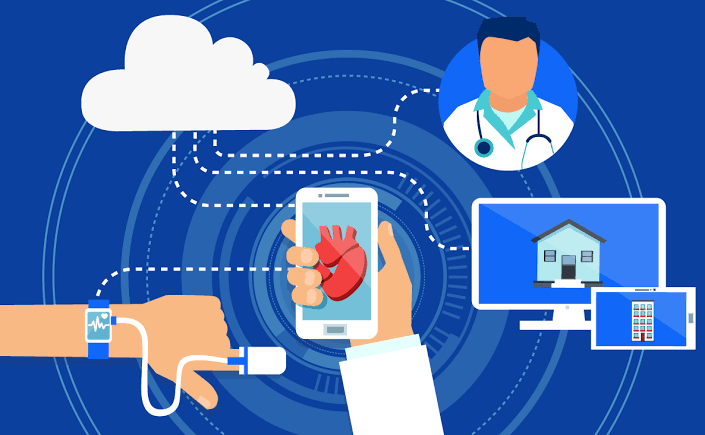
The implications of wearable devices extend far beyond personal health management to reinforce the future landscape of healthcare delivery. One prominent trend is the rise of telemedicine, which has gained momentum due to the increased reliance on remote consultations triggered by global events like the COVID-19 pandemic. Wearable technology seamlessly integrates with telehealth services, allowing healthcare providers to gather comprehensive patient data before, during, and after virtual appointments, thus facilitating much more tailored treatment plans.
Moreover, data analytics in health is evolving rapidly, aided by the vast amounts of information generated from wearable devices. Health practitioners can analyze patterns that emerge from wearable data, enabling them to identify trends, predict patient outcomes, and intervene proactively. This data-driven approach not only improves individual patient care but also enhances public health by assisting in disease monitoring and management.
Furthermore, wearables play a vital role in remote patient monitoring, which is becoming increasingly important, particularly for chronic disease management. Through continuous data collection and monitoring, healthcare providers can track the health status of patients who might be unable to visit healthcare facilities regularly. This capability supports early intervention, reduces hospital readmissions, and promotes a more proactive approach to health.
Case Studies of Successful Wearable Technology Implementations
Wearable technology has gained significant traction in health tracking, with numerous implementations demonstrating its potential to enhance health outcomes. One notable example is the partnership between Fitbit and the American Heart Association (AHA), which focused on increasing physical activity levels among participants. This program utilized Fitbit devices to track steps and heart rates, encouraging users to meet specific fitness goals. The results highlighted a marked improvement in individual physical activity, with many participants reporting better cardiovascular health metrics over the course of the study.
Another compelling case is the integration of wearable devices in chronic disease management. A project conducted by researchers at Stanford University aimed at leveraging smartwatches and fitness trackers for diabetes monitoring. By using a combination of glucose monitors and wearables, patients were able to receive real-time data about their blood sugar levels, allowing for better decision-making regarding food and activity choices. This program resulted in a noticeable improvement in patients’ HbA1c levels, showcasing how wearable technology can empower individuals to take charge of their health.
Furthermore, Omron, a pioneer in health technology, introduced its HeartGuide smartwatch, designed to monitor blood pressure accurately. This device integrates advanced sensors that provide users with comprehensive insights into their cardiovascular health. A study involving several participants using the HeartGuide indicated a significant adherence to hypertension management due to the immediate feedback provided by the wearable. With these real-time insights, patients felt more in control of their health, leading to improved treatment compliance and overall health outcomes.
These case studies illustrate the positive impact that wearable technology can have on health tracking. By offering actionable data and encouraging proactive participation in health management, these devices are proving to be instrumental in enhancing both individual health and the effectiveness of various health and wellness programs.
User Testimonials and Experiences
Wearable technology has made significant strides in health tracking, providing users with the means to monitor their well-being seamlessly. Many users have shared their stories, highlighting the transformative impact these devices have had on their lives. For instance, Sarah, a 34-year-old marketing professional, credited her fitness tracker with helping her lose over 20 pounds. By tracking her daily activity level and sleep patterns, she became aware of her sedentary lifestyle. “I never realized how little I was moving throughout the day until I saw the actual numbers on my wrist. It motivated me to take control of my health and make necessary changes,” she remarked.
Another user, Mark, a 45-year-old father, discussed how wearable technology has positively influenced his cardio health. Mark started using a smartwatch to monitor his heart rate during workouts. He explained, “The continuous heart rate monitoring feature has allowed me to ensure that I am exercising within safe limits. It also alerts me if my heart rate reaches an abnormal level, which helps me stay attentive to potential health issues.” His proactive approach, facilitated by wearable technology, has led to regular check-ups and a significant improvement in his overall cardiac health.
Moreover, many users have expressed how these devices assist in managing chronic conditions. For example, Angela, a type 2 diabetes patient, has used a continuous glucose monitor integrated with her fitness tracker. “It sends real-time data to my smartphone, allowing me to make immediate dietary decisions based on my glucose levels. This integration has been crucial in maintaining my blood sugar levels and enhancing my confidence in managing my condition,” she shared.
Overall, these personal experiences illustrate the profound influence of wearable technology in health tracking, enabling users to better manage their health and foster healthier habits.
The Future of Health Tracking with Wearable Technology
In recent years, wearable technology has significantly altered the landscape of health tracking, transforming how individuals monitor their vital signs and daily activities. Devices such as smartwatches and fitness trackers are now commonplace, providing users with real-time feedback on their health metrics, including heart rate, sleep quality, and physical activity levels. This shift towards personal health devices not only offers convenience but also enhances individuals’ ability to take proactive steps towards better health management.
The potential for wearable technology in health tracking is still burgeoning, with numerous advancements on the horizon. Future wearables are expected to incorporate more sophisticated sensors capable of providing deeper insights into an individual’s health status. For instance, the integration of artificial intelligence in health tracking could lead to predictive analytics, enabling users to receive alerts about potential health issues before they escalate. Furthermore, healthcare providers could utilize data collected from wearables to tailor treatment plans based on real-time insights.
Moreover, the rise of telemedicine and remote patient monitoring, facilitated by wearable devices, is set to revolutionize patient care. By enabling continuous health tracking, wearables facilitate a more patient-centric approach, allowing clinicians to make informed decisions based on comprehensive data. This evolution could foster a stronger partnership between patients and healthcare providers, ultimately leading to improved health outcomes.
Despite these promising advancements, challenges such as data security and user privacy will need to be addressed as the reliance on wearable technology grows. Manufacturers must prioritize safeguarding sensitive health information to maintain user trust. As individual engagement with health monitoring increases, the future landscape of health tracking will likely continue to evolve, emphasizing the importance of both innovation and ethical responsibilities in wearable technology.

