Introduction to Smartphones
Smartphones are advanced mobile devices that integrate the functionalities of a mobile phone and a computer. They are equipped with a range of features that allow users not only to make voice calls but also to send texts, browse the internet, access social media, capture photos, and run various applications. Since their inception, smartphones have gradually transformed the landscape of communication and personal interaction with technology.
A smartphone is typically characterized by a touchscreen interface, high-resolution cameras, and an array of sensors, including GPS, accelerometers, and gyroscopes. These attributes contribute to the multifunctionality of smartphones, making them essential tools for both personal and professional use. This evolution has been facilitated by rapid advancements in technology, leading to devices that are not only smarter but also faster and more user-friendly.
The significance of smartphones in the modern world cannot be overstated. They have redefined how individuals interact with one another and access information. For instance, instant messaging and video calling have made it possible for people to communicate across vast distances in real-time, fostering connections that were once limited by geographical barriers. Furthermore, the accessibility of information through smartphones has empowered users to stay informed and engaged with global events, enhancing their understanding of the world.
In essence, smartphones have become integral to daily life, influencing various sectors, including education, business, healthcare, and entertainment. By seamlessly integrating communication, productivity, and entertainment features, smartphones have altered both social dynamics and economic practices, highlighting their crucial role in the digital age.
The Origins of Mobile Phones
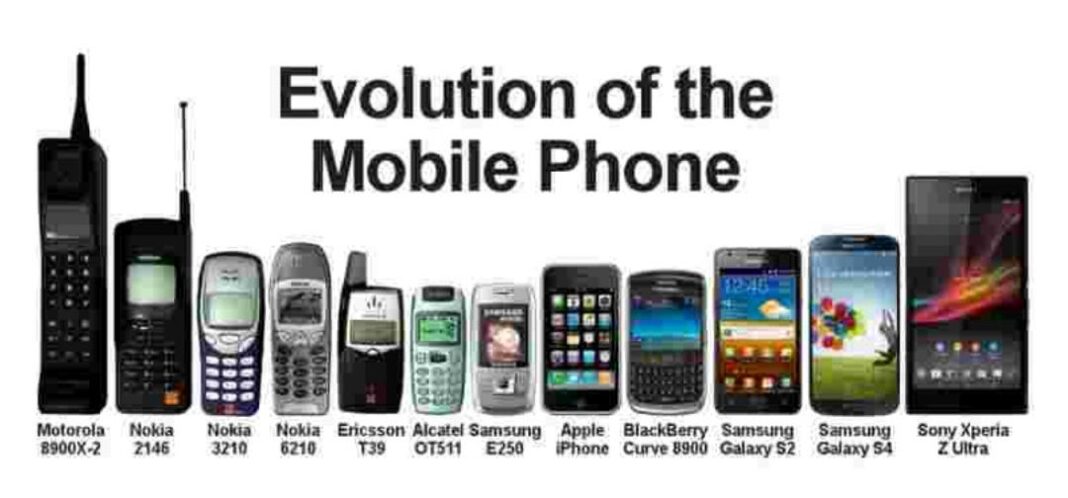
The history of mobile phones dates back to the early 20th century, when the concept of a portable communication device was first envisioned. The breakthrough came with the development of motor vehicle radios before World War II, which allowed communication on the go, albeit with significant limitations. The true advent of mobile telephony was marked by the introduction of the first commercially available mobile phone, the Motorola DynaTAC 8000X, in 1983. This revolutionary device, often dubbed the “brick phone” due to its size, operated on analog technology and offered about 30 minutes of talk time after a 10-hour charge.
Prior to the emergence of cellular technology, mobile telephone services were primarily based on single-channel radio frequency systems. These allowed limited capacity, meaning that only a few users could communicate at the same time within a specific area. The mobile phone landscape transformed dramatically with the introduction of the first-generation (1G) networks, which utilized analog voice technology, significantly enhancing mobility and convenience.
The 1990s ushered in the era of second-generation (2G) mobile networks, which marked a significant technological advancement with the introduction of digital communication. These networks facilitated not only voice calls but also the ability to send text messages, revolutionizing personal communication. This period also saw the birth of iconic devices like the Nokia 1011, which became synonymous with mobile telephony and showcased the potential for more compact and user-friendly designs.
The progression from basic mobile phones to smartphones is rooted in these earlier developments, with each technological leap setting the foundation for more advanced mobile features. As the world transitioned to the internet age, the capabilities of mobile devices would continually evolve, leading to the sophisticated smartphones we rely on today.
The Birth of Smartphones
The evolution of communication devices has dramatically shifted from basic mobile phones to advanced smartphones, a transition that has transformed how people interact with technology. The term “smartphone” was coined in the early 1990s, marking the beginning of a new era in mobile technology. One of the first devices to embody the characteristics of a smartphone was the IBM Simon Personal Communicator, released in 1994. This pioneering device combined the functionalities of a mobile phone with those of a PDA (Personal Digital Assistant), offering features such as a touchscreen interface, email capability, and a selection of applications.
The introduction of the first true touchscreen smartphone, the Apple iPhone, in 2007 is often highlighted as a pivotal moment in this evolution. The iPhone’s revolutionary design featured a multi-touch display, allowing users to interact with their devices intuitively. It set a standard for smartphone design and functionality, emphasizing simplicity and usability.
Following the iPhone, the development of smartphone ecosystems became invaluable. Platforms such as Android and iOS facilitated the proliferation of third-party apps, allowing users to tailor their devices according to personal needs and preferences. This marked the transition from mere communication tools to versatile devices capable of supporting a multitude of tasks, including productivity, entertainment, and social networking.
As smartphones gained traction, manufacturers began to innovate rapidly, incorporating advanced features such as high-resolution cameras, GPS navigation, and biometric security. The focus on user experience and app functionality has consistently driven the development and refinement of smartphones, making them integral to contemporary life.
The Rise of the Operating Systems
The evolution of smartphones is intricately linked to the development of their operating systems (OS). Two of the dominant players in this arena are Apple’s iOS and Google’s Android, both having significantly influenced user experience, market dynamics, and innovation in mobile technology.
iOS, introduced in 2007, set a high standard in terms of user interface and design. Its deployment has remained exclusive to Apple’s ecosystem, which has allowed the company to maintain a high degree of control over the hardware and software integration. This seamless integration contributes to a smooth user experience, one of the primary selling points of iOS devices. Regular updates enhance security and functionality, driving Apple’s loyal customer base. However, its closed system limits customization and flexibility for users, which some find restrictive.
On the other hand, Android, debuting just a year later, embraced an open-source model. This approach invites a multitude of manufacturers to produce devices featuring the Android OS, leading to a diversified hardware ecosystem. Over the years, Android has evolved in capabilities and refinements, enabling significant feature advancements. Its customization options appeal to tech-savvy users, allowing them to tailor their devices to their preferences. As of 2023, Android dominates the global smartphone market, claiming over 70% of the OS market share, compared to iOS’s approximately 27%.
Both operating systems have their unique strengths, no matter their deployment strategies or feature differences. The competition between iOS and Android fosters continuous innovation, emphasizing the importance of evolving user needs and preferences. As we progress further into the era of smartphones, these operating systems will undoubtedly refine and redefine how users experience mobile technology.
Technological Advancements
The rapid evolution of smartphones over the years can be attributed to significant technological advancements in various domains. Initially characterized by simple designs and limited functionalities, smartphones have transformed into multifunctional devices that play crucial roles in daily life. One of the most notable hardware upgrades has been the advancement of processors. Modern smartphones now boast multi-core processors that enhance performance and enable seamless multitasking. This leap in processing power allows for more demanding applications and games, reflecting the smartphone’s diversification from communication devices to powerful computing tools.
Another hardware innovation that has significantly influenced smartphone evolution is the development of camera technology. With the advent of higher megapixel sensors, optical image stabilization, and advanced low-light performance, smartphones have largely replaced traditional cameras for everyday photography. Moreover, the integration of sophisticated image processing algorithms enhances photo quality, enabling users to capture stunning images with ease. These advancements have not only improved personal photography but also contributed to the rise of social media, where photo sharing is paramount.
Additionally, the evolution of battery technology cannot be overlooked. As smartphones become more powerful, the demand for efficient energy consumption has led to the development of high-capacity batteries and advanced charging solutions, including fast charging and wireless charging technologies. This innovation ensures that users are not frequently hindered by low battery levels, thus enhancing user experience.
Connectivity options have also evolved, transitioning from 3G to 4G, and now nearing widespread adoption of 5G technology. This development offers faster download and upload speeds, reduced latency, and the ability to connect more devices seamlessly, making for an enriched mobile experience. On the software side, the integration of artificial intelligence enhances various functionalities, from voice assistants like Siri and Google Assistant to personalized user experiences. Furthermore, advancements in security features, such as biometric authentication and end-to-end encryption, have become essential in safeguarding user data in an era where privacy is increasingly prioritized.
Design Evolution of Smartphones
The design of smartphones has undergone significant transformation since their inception in the late 1990s. Early mobile devices were predominantly bulky and practical, focusing on functionality rather than aesthetics. These models, often characterized by physical keypads and limited display sizes, provided users with essential communication capabilities but lacked the sleek design elements that dominate modern smartphones.
As technology advanced, manufacturers began to prioritize form factor and user experience, leading to the introduction of more ergonomic shapes and larger screens. The shift towards touchscreen technology marked a pivotal moment in smartphone design, allowing for a more seamless, intuitive user interface. Devices became thinner and more streamlined, giving rise to the modern, minimalist aesthetic that many consumers prefer today.
Materials have also played a crucial role in the evolution of smartphone design. Early models utilized plastic and rubber, which were durable but often resulted in a less premium feel. With the advent of new technologies, manufacturers started incorporating materials such as glass, aluminum, and ceramic. These materials not only enhanced the look and feel of smartphones but also contributed to improved durability and functionality, such as water resistance.
Aesthetically, the trend has shifted towards a more unified design language among brands, often leading to devices that prioritize a sleek silhouette and vibrant displays. Features such as edge-to-edge screens and the elimination of physical buttons have become increasingly common, reflecting consumer demand for modern, visually appealing devices. The evolution of smartphones in terms of design is a testament to the harmony of technology and artistry, as manufacturers seek to create devices that are not only functional but also visually striking.
Impact on Society and Communication
Smartphones have fundamentally transformed societal communication and behaviors, reshaping how individuals interact on both personal and professional levels. With the advent of mobile technology, social media usage has surged, allowing users to connect across geographic boundaries instantaneously. Platforms such as Facebook, Twitter, and Instagram have integrated seamlessly into daily life, providing spaces for individuals to share thoughts, experiences, and news, thereby facilitating a new form of social engagement.
The rise of mobile applications has further diversified the functions of smartphones, enhancing communication methods. Messaging apps like WhatsApp and Snapchat have supplanted traditional SMS messaging, enabling users to send text, images, and videos without incurring additional costs. This shift not only affects how people communicate but also influences business interactions. Companies leverage these platforms for customer engagement, marketing, and brand awareness, demonstrating how smartphones bridge the gap between consumers and businesses.
Smartphones have also reshaped behavior in public and private spaces. The expectation for constant connectivity has led to a phenomenon often termed ‘phubbing,’ where individuals prioritize their devices over face-to-face interactions. This behavior has implications for personal relationships, as many experience challenges in maintaining meaningful connections amidst distractions from mobile devices. The ubiquitous nature of smartphones means that significant moments are often recorded and shared online, altering the ways in which people experience events.
In the business sphere, smartphones have streamlined operations and fostered new forms of collaboration. Tools such as cloud-based applications and video conferencing software facilitate remote work, providing flexibility and accessibility that were previously unattainable. As smartphones continue to evolve, their impact on societal communication and behavior is likely to grow, shaping new norms and dictating future interactions.
Current Trends and Future Predictions
The smartphone industry is continually evolving, with recent trends showcasing a significant shift towards innovative technologies and consumer preferences that prioritize functionality and sustainability. One of the most noteworthy trends is the emergence of foldable phones. These innovative devices combine the convenience of portability with the benefits of larger screen sizes, allowing for enhanced user experiences. Companies like Samsung and Huawei are leading the charge, introducing models that not only fold but also feature flexible displays, which could redefine how we interact with mobile technology.
Another prominent trend in the smartphone market is the increase in screen sizes. Consumers are gravitating towards devices that offer more expansive displays, which enhance media consumption and gaming experiences. As a result, manufacturers are continually pushing the boundaries of screen technology, incorporating edge-to-edge displays and higher resolutions to meet user demands.
Sustainability has also become a significant focus within the smartphone sector. As awareness of environmental issues grows, manufacturers are making more concerted efforts to design devices that minimize ecological impact. This includes utilizing recycled materials, improving energy efficiency, and promoting longer device lifespans. The shift towards sustainability not only reflects consumer values but also encourages companies to innovate in ways that align with eco-friendly practices.
Looking towards the future, we can anticipate further advancements in smartphone technology. Predictions indicate that artificial intelligence (AI) will play an increasingly integral role in enhancing user experiences, particularly in areas such as photography and personal assistant functionalities. Additionally, the integration of 5G networks and improvements in battery technology are expected to revolutionize mobile connectivity, providing faster speeds and more reliable connections.
Overall, the smartphone industry is on the brink of transformative changes, driven by both consumer preferences and technological advancements. Keeping an eye on current trends will provide valuable insights into the future directions of this dynamic market.
Conclusion and Reflection
The evolution of smartphones has been a remarkable journey that has dramatically shaped the way we communicate, create, and interact. From the initial bulky devices with rudimentary features to today’s sleek smartphones equipped with advanced technology, this evolution has marked significant milestones in mobile innovation. Each advancement brought forth new capabilities, transforming the smartphone into an indispensable tool in our daily lives. Today, smartphones serve not only as communication devices but also as multi-functional platforms capable of health monitoring, navigation, and financial transactions, to name a few.
Moreover, smartphones have facilitated a change in societal norms and behaviors. They have enabled instant communication and access to information, contributing to the globalization of ideas and cultures. The mobile revolution has also fostered a burgeoning app economy, creating new business opportunities and altering traditional sectors, including retail and education. As technology continues to advance, smartphones are increasingly becoming integrated with artificial intelligence, augmented reality, and the Internet of Things, pointing towards a future where these devices will be even more powerful and interconnected.
Looking ahead, the potential developments in smartphone technology are bound to shape our future experiences. Trends such as foldable screens, 5G connectivity, and enhanced privacy features illustrate how the smartphone is evolving to meet the needs of modern users. Additionally, sustainability is gradually becoming a focal point, prompting manufacturers to consider eco-friendly materials and longer product life cycles. As we reflect on the profound impact smartphones have had on our lives, it becomes clear that they will continue to play a pivotal role in our society. The journey of smartphones is ongoing, and their future, rich with possibilities, is yet to unfold.

