Introduction to Smart Cities
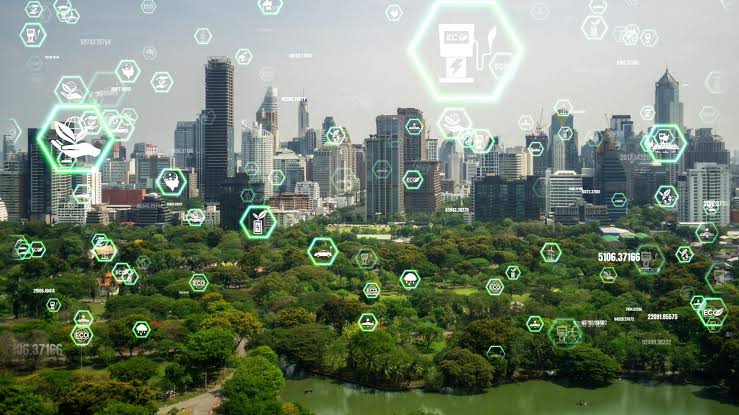
Smart cities represent a progressive urban development model that integrates various technological advancements to enhance the quality of urban life. At their core, smart cities utilize interconnected systems, often referred to as the Internet of Things (IoT), to facilitate efficient management of resources and services. This integration allows for the real-time collection and analysis of data, leading to informed decision-making by city officials and stakeholders.
The key characteristics of smart cities include efficient energy management, sustainable transportation systems, and enhanced public services. These cities leverage technology to create infrastructure that is responsive to the needs of residents. For instance, smart waste management systems utilize sensors to optimize collection routes, thereby reducing costs and minimizing environmental impact. Moreover, smart transportation networks improve city mobility, offering real-time updates on traffic conditions and public transport availability.
In addition to these characteristics, smart cities focus on sustainability. By utilizing renewable energy sources and implementing eco-friendly practices, they strive to reduce their carbon footprint. Technology plays a critical role in this endeavor; for example, smart grids allow for better energy distribution and consumption patterns, contributing to a greener urban environment.
The significance of smart cities in contemporary urban planning cannot be understated. With rapid population growth and increasing urbanization, traditional city infrastructures are often unable to cope with the demands of modern living. Smart cities provide a scalable solution, enabling urban environments to be more resilient, efficient, and livable. As cities around the world face various challenges, the adoption of smart city technologies is becoming increasingly essential to ensure a sustainable future for urban populations.
The Role of IoT in Smart Cities
The Internet of Things (IoT) plays a pivotal role in the development and operation of smart cities. By facilitating seamless communication between various devices and systems, IoT technologies enhance urban living through improved efficiency, real-time data exchange, and informed decision-making. The integration of IoT into urban infrastructures transforms how cities operate, leading to significant advancements in various sectors, including transportation, waste management, and energy usage.
One prominent example of IoT implementation is the smart traffic light system. These systems utilize sensors and data analytics to monitor traffic flow, adjusting signals to optimize traffic movement and reduce congestion. By responding in real-time to changing traffic conditions, smart traffic lights improve road safety and decrease travel times, contributing to a more efficient urban environment.
Additionally, IoT applications extend to waste management. Smart bins equipped with sensors track waste levels and communicate with waste collection services to optimize pickup schedules. This not only reduces operational costs but also minimizes the environmental impact by ensuring that waste is collected more efficiently, thereby contributing to cleaner urban spaces. The data generated from these systems allow city officials to analyze waste management patterns, leading to better resource allocation and planning.
Moreover, IoT technologies enable more sustainable energy consumption within smart cities. Connected devices can monitor energy usage and adjust consumption in real-time, allowing residents and businesses to reduce waste and enhance energy efficiency. Such systems also promote the use of renewable energy sources, aligning with sustainability goals and reducing the carbon footprint of urban areas.
In essence, the IoT forms the backbone of smart cities by connecting devices and optimizing various urban functions. As technology continues to evolve, the potential for IoT applications will expand, further enhancing the quality of life in urban environments and contributing to smarter, more efficient cities.
Data Management and Analytics
In the evolving landscape of smart cities, data management and analytics play a pivotal role in enhancing the efficiency and effectiveness of urban environments. With an increasing number of connected devices, vast quantities of data are generated, which can be harnessed to inform decision-making processes. This data-driven approach is essential for improving urban planning, optimizing public services, and ensuring a high quality of life for residents.
The utilization of data analytics enables city officials and planners to make informed decisions based on real-time information and trends. For instance, traffic management systems leverage data collected from various sensors and devices to analyze traffic flow, identify congestion points, and adjust signal timings accordingly. This approach not only improves mobility but also reduces emissions, contributing to a more sustainable urban environment.
Moreover, data analytics enhances public safety initiatives by enabling predictive policing and emergency response strategies. By analyzing historical crime data and identifying patterns, law enforcement agencies can deploy resources more effectively in high-risk areas, thereby preventing crime and improving community safety. Similarly, health services can benefit from data analytics through monitoring public health trends, enabling timely interventions during outbreaks and improving overall community health outcomes.
Furthermore, integrating data from various city departments, such as transportation, public safety, and health services, allows for a holistic view of urban operations. This interconnected data ecosystem fosters collaboration among city agencies, leading to more cohesive and efficient service delivery. As smart cities continue to develop, the focus on data management and analytics will be paramount in driving innovation and addressing urban challenges.
Sustainable Energy Solutions
As urban populations continue to grow, the challenge of providing sustainable energy solutions becomes increasingly paramount. Smart cities are leveraging advanced technology to enhance energy efficiency and promote environmental sustainability. At the core of this initiative is the adoption of smart grids, which are modernized electricity delivery systems that utilize digital technology to improve communication between utility providers and consumers. These grids facilitate real-time data exchange, allowing for better management of electricity distribution. By integrating renewable energy sources such as solar and wind, smart grids also enable a more resilient energy infrastructure.
Renewable energy sources play a critical role in the transition towards sustainable urban living. Smart cities are increasingly focusing on integrating these sources into their energy mix. Solar panels on rooftops and wind turbines installed in strategic locations allow urban environments to harness clean energy. This not only reduces reliance on fossil fuels but also contributes to lowering greenhouse gas emissions, aligning with global sustainability goals. Moreover, advancements in energy storage technologies, such as battery systems, amplify the effectiveness of these renewable sources by providing energy during peak demand times, thus enhancing reliability.
Energy management systems are vital components in optimizing resource use within smart cities. These systems employ algorithms to analyze energy consumption patterns and offer insights for improvement. They can automate energy-saving measures, such as adjusting heating and cooling in buildings based on occupancy, or incentivizing users to consume energy during off-peak hours. By utilizing data analytics, these systems facilitate a significant reduction in energy waste, contributing to overall sustainability. In this way, smart cities are not just innovating technologically but are also setting a precedent for enhanced environmental responsibility.
In recent years, smart cities have emerged as a transformative solution to urban challenges, particularly in the transportation sector. The integration of innovative technologies has revolutionized how people navigate urban environments. One key development is the rise of electric vehicles (EVs), which play a crucial role in reducing greenhouse gas emissions and promoting sustainability. With governments incentivizing the use of EVs through tax breaks and infrastructure investments, many cities are witnessing a shift toward cleaner transportation options.
Furthermore, the advent of ride-sharing applications has significantly altered commuting patterns. Platforms such as Uber and Lyft have made it easier for citizens to access transportation on-demand, reducing the number of personal vehicles on the road. This shift not only alleviates traffic congestion but also enhances overall urban mobility. Cities are now able to optimize public transport systems by integrating these ride-sharing services, ensuring that citizens have multiple options to travel efficiently.
In addition to these innovations, public transportation systems are also experiencing enhancements driven by technology. Many smart cities are implementing real-time tracking systems for buses and trains, allowing commuters to plan their journeys more effectively. Mobile applications provide real-time updates, leading to improved user experience and increased ridership. The incorporation of smart ticketing systems further streamlines the process of accessing public transport, making it more user-friendly.
As smart cities continue to evolve, the emphasis on sustainable transport solutions remains paramount. By leveraging technology for traffic management and optimizing vehicle share systems, urban areas are making strides toward a far more efficient transportation network. The cooperation between various sectors, including government and technology providers, is essential in realizing the vision of smarter, more connected cities.
Smart Infrastructure and Buildings
As urban areas continue to expand, the development of smart infrastructure and buildings has become increasingly essential for sustainable growth. Integrating smart technology into the design and management of facilities allows for improved building performance, energy efficiency, and occupant comfort. One of the key components of this shift is the incorporation of automated systems for heating, ventilation, and air conditioning (HVAC), which not only adapt to environmental changes but also optimize energy consumption.
Advanced HVAC systems utilize sensors and IoT (Internet of Things) devices to monitor indoor conditions such as temperature, humidity, and occupancy levels. By analyzing this data, these systems can automatically adjust heating and cooling settings, leading to significant energy savings and enhanced comfort. Furthermore, smart building management systems can centralize the control of various services, enabling facility managers to oversee everything from lighting to security through a single platform.
Another notable innovation is the use of predictive maintenance analytics within smart infrastructure. By employing real-time data and machine learning algorithms, buildings can predict when a system component is likely to fail and address issues proactively, thus minimizing downtime and reducing repair costs. This predictive approach not only boosts operational efficiency but also extends the lifespan of building systems.
Moreover, the integration of smart technology fosters occupant engagement and satisfaction. For instance, users can personalize their environment through mobile applications, adjusting lighting and climate settings to suit their preferences. This level of customization not only increases comfort but also encourages occupants to take an active role in energy conservation efforts.
As cities progress towards becoming more smart, the influence of technology in infrastructure and building design will be critical. By harnessing these technological advancements, urban areas can create efficient spaces that not only meet the needs of their residents but also contribute to long-term sustainability goals.
Community Engagement and Smart Solutions
In the realm of smart cities, effective community engagement is paramount for nurturing a thriving urban environment. As technology advances, municipalities are increasingly leveraging digital platforms to foster interactive and inclusive communication channels between city officials and residents. These technologies not only facilitate feedback but also encourage active participation in the governance of urban space.
Mobile applications are one of the foremost tools enabling residents to engage with their local governments. Through dedicated apps, citizens can report problems such as potholes, streetlight outages, or waste management issues. This instant communication streamlines the process of addressing community concerns and enhances responsiveness. Furthermore, such applications often provide updates on city events, making residents feel more connected to their community.
Community portals also play a critical role in encouraging citizen participation. These web-based platforms serve as repositories of information where residents can access documents, proposal details, and schedules of public meetings. Additionally, they often include forums or discussion boards that empower users to voice their opinions and suggestions on urban projects, fostering a sense of collaboration among community members.
Social media presence has become an integral strategy for smart cities to engage their populations effectively. Municipalities utilize platforms like Twitter, Facebook, and Instagram to disseminate information swiftly, gather public opinions through polls, and encourage community dialogue. This two-way communication not only enhances transparency but also builds trust between residents and their local government.
Overall, the integration of digital platforms in community engagement shapes a more participatory urban governance model. Through these smart solutions, city dwellers can connect, contribute, and collaborate, making their voices heard in the evolution of their living spaces.
Challenges in Implementing Smart Technologies
The integration of smart technologies in urban environments presents a myriad of challenges that cities must navigate to achieve successful implementations. One of the foremost issues is data privacy. As cities adopt smart solutions that collect and analyze vast amounts of data—from traffic patterns to energy usage—concerns arise about how this data is stored, who has access to it, and how it is utilized. The potential for misuse of personal information can lead to public mistrust, inhibiting the adoption of these technologies.
Cybersecurity risks further complicate the landscape of smart city initiatives. As cities become increasingly interconnected through Internet of Things (IoT) devices and cloud services, they also become more vulnerable to cyberattacks. Malicious actors may exploit weaknesses in the infrastructure, compromising sensitive data and disrupting essential services. Therefore, ensuring robust cybersecurity measures that protect against these vulnerabilities is imperative for cities to confidently embrace smart technologies.
Another significant challenge is the digital divide that exists within urban populations. Access to technology and the internet is not uniformly distributed, leading to disparities in participation in smart initiatives. Low-income neighborhoods may lack access to the necessary tools and resources, thereby excluding a portion of the population from the benefits of smart city advancements. Addressing this gap is critical for creating equitable solutions that serve all community members and foster inclusivity in smart city applications.
In summary, while the potential for smart technologies to enhance urban living is substantial, cities face considerable challenges. Ensuring data privacy, addressing cybersecurity threats, and bridging the digital divide are essential steps in the successful implementation of smart solutions that can transform cities into more efficient and sustainable environments.
Future Trends and Innovations
As we look ahead, the evolution of smart cities is heavily influenced by rapid advancements in technology. Among the most significant trends shaping their future are artificial intelligence (AI), machine learning, and 5G connectivity. These technologies hold the promise to transform urban living and enhance the efficiency of city management systems.
Artificial intelligence is set to play a crucial role in optimizing urban services. From managing traffic flow to predicting maintenance needs for infrastructure, AI can help cities become more responsive to the needs of their residents. Machine learning, a subset of AI, enables systems to analyze vast amounts of data and identify patterns that can inform decision-making. This capability is particularly relevant for resource allocation in areas such as energy consumption, waste management, and public transport services.
Moreover, the implementation of 5G technology will provide the high-speed connectivity necessary for these innovations to thrive. With increased data transfer speeds and lower latency, smart devices and sensors in urban areas can communicate in real-time, leading to significant improvements in urban applications. For instance, smart streetlights can adapt their brightness based on real-time traffic data, enhancing energy efficiency while improving safety for pedestrians and vehicles.
However, these advancements also pose challenges. As cities embrace these innovative technologies, adaptive policies will be essential to manage the complexities of urban living. Policymakers must address issues such as data privacy, cybersecurity, and the digital divide to ensure that the benefits of smart technologies are equitably distributed. In essence, the future of smart cities is not merely about technological innovation but also about creating inclusive frameworks that support sustainable and resilient urban ecosystems.

