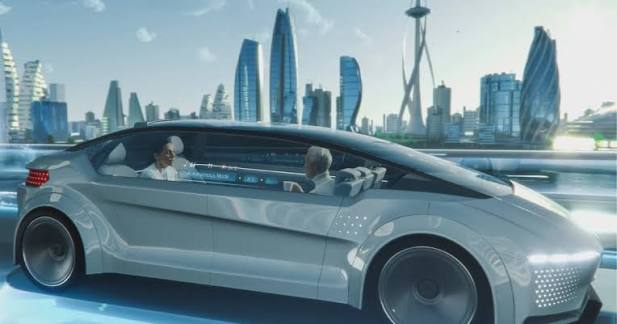
Introduction to Self-Driving Cars
Self-driving cars, also known as autonomous vehicles, represent a revolutionary advancement in the automotive industry, incorporating a range of technologies to enable vehicles to operate without human intervention. These vehicles utilize a combination of sensors, cameras, Lidar, and artificial intelligence (AI) algorithms to navigate, interpret their surroundings, and make critical driving decisions.
The operation of self-driving cars is underpinned by various levels of automation, categorized by the Society of Automotive Engineers (SAE). These levels range from Level 0, where the driver has full control, to Level 5, where the vehicle completely manages all driving tasks in any environment. Most current models on the market are equipped with Level 2 automation, which offers driver assistance features such as adaptive cruise control and lane-keeping assistance. However, full autonomy is the ultimate goal, leading to discussions about the implications of widespread adoption of these vehicles.
Furthermore, the significance of self-driving cars extends beyond mere convenience; they have the potential to enhance road safety, reduce traffic congestion, and promote more efficient transportation systems. For instance, autonomous vehicles can communicate with each other to optimize traffic flow, decreasing travel times and minimizing the likelihood of potential accidents. The technology behind these vehicles also includes machine learning capabilities, allowing them to learn from vast datasets collected from numerous driving scenarios to improve their performance over time.
Overall, self-driving cars represent a critical intersection of automotive engineering and digital technology, pointing towards a future where autonomous driving could become commonplace, reshaping our understanding of transportation and mobility.
Current State of Autonomous Vehicle Technology
The landscape of autonomous vehicle technology has seen significant advancements in recent years, driven by various key players within the automotive and technology sectors. Companies such as Waymo, Tesla, and Ford are at the forefront of this innovation, each contributing unique approaches and technologies designed to advance the development of self-driving cars. Waymo, a subsidiary of Alphabet Inc., has been recognized for achieving notable milestones, including the successful deployment of autonomous ridesharing services in select areas.
In parallel, Tesla’s Autopilot feature has garnered attention for its semi-autonomous capabilities, allowing vehicles to navigate and make driving adjustments in real-time. These developments are complemented by research efforts from manufacturers like General Motors, which aims to enhance their Cruise Automation division, focusing on fully autonomous vehicles. The ongoing commitment to innovation in this space is evident, as automotive giants invest significantly in research and development to refine their technologies.
Despite these advancements, several limitations and challenges continue to impede the widespread adoption of self-driving cars. One of the foremost issues is the technology’s reliance on high-definition maps and reliable sensor systems, which can be affected by environmental variations. Additionally, regulatory hurdles and public perception pose challenges, as potential passengers express concerns about safety and the reliability of autonomous systems. Furthermore, ethical dilemmas, particularly regarding decision-making in emergency situations, necessitate comprehensive frameworks to address them effectively.
Research and development remain vital in overcoming these obstacles, with universities and institutions collaborating with tech companies to explore artificial intelligence algorithms and machine learning techniques that could enhance the decision-making capabilities of self-driving cars. As the market evolves, the pursuit of overcoming these challenges continues to drive innovation in autonomous vehicle technology.
Regulatory and Legal Framework
The regulatory and legal framework surrounding self-driving cars is a crucial aspect of their development and deployment. As autonomous vehicles (AVs) become more prevalent, various countries are taking distinct approaches to establish guidelines that address safety, liability, and operational standards. The complexity of these vehicles necessitates a thorough examination of existing laws and the introduction of new regulations to accommodate rapid technological advancements.
In the United States, regulatory bodies such as the National Highway Traffic Safety Administration (NHTSA) play a significant role in developing policies for self-driving cars. The federal government has provided a framework to encourage innovation while ensuring public safety, issuing guidelines that recommend a voluntary approach to testing and deployment. Similarly, certain states have introduced specific laws governing the testing and use of AVs, which further contributes to a fragmented legal landscape. In contrast, countries like Germany have passed legislation that explicitly allows for the use of autonomous vehicles on public roads under particular conditions, establishing a more uniform regulatory environment.
Liability issues in accidents involving self-driving cars add another layer of complexity. Questions arise regarding who should be held responsible in the event of an accident—manufacturers, software companies, or operators. Establishing liability frameworks is essential for consumer protection and will significantly influence public trust in these technologies. For instance, the European Union is working toward establishing a legal framework that addresses these liability concerns, aiming to foster innovation while safeguarding users.
Ultimately, the role of government in this space must balance the need for innovation with the imperative of ensuring safety. Continuous dialogue among stakeholders—including regulators, manufacturers, and the public—is necessary to create a cohesive regulatory environment that not only encourages the advancement of self-driving technology but also upholds the highest safety standards.
Impact on Traffic and Urban Planning
The advent of self-driving cars is expected to significantly transform urban environments, leading to profound changes in traffic management and city infrastructure. One of the most notable benefits of autonomous vehicles is the potential for reduced congestion. Self-driving technology is designed to optimize driving patterns, which can enhance traffic flow and alleviate bottlenecks that commonly plague busy urban centers. With vehicles communicating with each other and city traffic systems, the likelihood of human error, a leading cause of accidents and congestion, can be significantly diminished.
Moreover, the proliferation of autonomous vehicles could significantly reshape parking requirements within cities. Traditional parking lots and garages may become obsolete as self-driving cars could drop off passengers at their destinations and park themselves in less congested areas. This shift could free up valuable urban land currently occupied by parking facilities, allowing for repurposing into green spaces, residential buildings, or commercial developments. Urban planners will face the challenge of adapting current zoning laws and city layouts to accommodate these new needs and possibilities.
Furthermore, the rise of self-driving cars may introduce innovative public transportation models. As autonomous vehicles become integral to the public transit landscape, cities could implement on-demand transport services capable of dynamically routing vehicles based on real-time demand. This can enhance accessibility to transportation options and reduce the reliance on private car ownership, potentially leading to lower traffic volumes and improved air quality.
However, this transition is not without challenges. Policymakers must address regulatory and safety concerns associated with the deployment of self-driving technology, as well as consider the socioeconomic implications that may arise from reduced need for traditional driving jobs. As urban areas continue to evolve, a collaborative approach between technology developers, urban planners, and community stakeholders will be essential to maximizing the benefits while mitigating potential drawbacks of self-driving cars.
Ethical Considerations of Self-Driving Technology
The advent of self-driving cars prompts a thorough exploration of the ethical dilemmas they present. One of the most pressing challenges involves decision-making during emergencies. Traditional vehicles rely on human instinct, but autonomous cars employ algorithms for such critical decisions. For instance, how should a self-driving vehicle respond when faced with an unavoidable accident scenario? Manufacturers must grapple with the moral responsibilities of programming these algorithms, as they will essentially dictate the value of human lives in dire situations.
Another significant concern pertains to privacy. Self-driving technology gathers vast amounts of data to function effectively, raising questions about how this data is collected, stored, and used. The potential for misuse of personal information becomes increasingly relevant, as manufacturers and technology firms may prioritize profit over privacy. Consequently, discussions surrounding regulatory frameworks and robust data protection measures are essential to uphold individual rights and maintain public trust.
The impact of self-driving cars on employment is another ethical consideration. The transition to autonomous vehicles could lead to substantial job displacement within the driving profession. Truck drivers, taxi operators, and delivery personnel may find their roles diminished or entirely obsolete. It is vital for society to evaluate how we can manage this transition ethically, ensuring protections and support systems for those displaced by advancing technology. Strategies may include retraining programs and establishing new job opportunities within the growing tech sectors associated with self-driving vehicles.
As society contemplates the integration of self-driving technology, it must address these ethical dilemmas thoughtfully. Careful consideration of the implications on emergency decision-making, privacy concerns, and employment impacts is crucial in shaping a future that is not only technologically advanced but also socially responsible.
Public Perception and Acceptance
The public perception of self-driving cars plays a pivotal role in their widespread acceptance and eventual integration into society. A significant factor contributing to skepticism about autonomous vehicles is rooted in safety concerns. Many individuals express apprehension regarding the reliability of advanced technologies, highlighting fears of potential malfunctions and accidents. Such concerns are amplified by media portrayals of self-driving car mishaps, which can overshadow the technology’s potential benefits. Therefore, enhancing consumer education is vital in reshaping these perceptions and mitigating fears.
Ongoing initiatives aimed at educating the public about self-driving technology are critical to fostering acceptance. Manufacturers and technology developers should prioritize transparent communication regarding the capabilities and limitations of self-driving cars. Public seminars, informational campaigns, and interactive demonstrations can effectively engage communities, allowing individuals to experience the technology firsthand. This direct interaction can help dismantle misconceptions and build trust in autonomous systems.
Furthermore, the collaboration between automotive companies and regulatory authorities can also play a substantial role in enhancing public trust. By establishing clear and comprehensive guidelines for testing and deployment, consumers may feel assured that these vehicles are being subjected to rigorous safety standards. Initiative-driven projects that involve autonomous vehicles in everyday settings, such as ride-sharing services and public transportation, can also contribute positively to public acceptance. As individuals become more familiar with autonomous technology through practical experiences, the stigma surrounding self-driving cars is likely to diminish.
Ultimately, addressing public concerns through education, transparency, and real-world applications is essential in promoting broader acceptance of self-driving cars. Shaping a favorable public opinion will significantly influence the pace and success of adopting autonomous vehicles on a larger scale.
Future Innovations in Self-Driving Technology
The future of self-driving cars hinges on meaningful advancements in various technologies, especially those related to artificial intelligence (AI) and machine learning. These innovations are expected to significantly enhance the capabilities of autonomous vehicles, making them safer and more efficient on the roads. With rapid improvements in machine learning algorithms, self-driving cars will likely achieve greater situational awareness and decision-making abilities.
One of the key areas of innovation is the integration of more sophisticated neural networks, enabling self-driving vehicles to process vast amounts of data from their surroundings in real time. This includes everything from identifying objects and understanding pedestrian behaviors to interpreting complex traffic signals. As these vehicles learn from a multitude of driving scenarios, they will become increasingly adept at navigating live traffic conditions, thereby improving both functionality and safety.
Another crucial aspect lies in connectivity. The development of vehicle-to-everything (V2X) communication technologies will allow self-driving cars to interact not only with one another but also with infrastructure, such as traffic signals and road signs. This increased connectivity can lead to a more coordinated traffic flow, significantly reducing the likelihood of accidents. Moreover, enhanced data sharing among vehicles can improve predictive analytics, allowing cars to anticipate potential hazards and adjust their actions accordingly.
Furthermore, advancements in sensor technology, including LiDAR and radar systems, will continue to evolve, enabling self-driving cars to perceive their environment with unparalleled accuracy. Coupled with improved computational power, these sensors will grant vehicles the ability to make rapid and accurate decisions, enhancing overall road safety. As researchers and engineers continue to push the boundaries of what is possible, the future of self-driving technology promises a transformation not just in how we travel, but in the overall transportation paradigm.
Environmental Implications and Sustainability
The emergence of self-driving cars heralds a significant shift in the transportation landscape, particularly concerning environmental sustainability. One of the most profound advantages of autonomous vehicles is their potential to reduce greenhouse gas emissions. By employing advanced algorithms, these vehicles can optimize driving patterns, thereby minimizing fuel consumption and enhancing energy efficiency. For instance, autonomous cars can maintain consistent speeds, reduce unnecessary acceleration or braking, and facilitate more efficient traffic flow, which collectively contribute to lower emissions.
Additionally, self-driving technologies can support the integration of electric vehicles into the broader transportation system. Electric self-driving cars eliminate the direct emissions associated with traditional fuel combustion, making them a crucial component in the fight against climate change. Their ability to connect to smart grids can enable them to charge during off-peak hours, further enhancing energy utilization and contributing to sustainable energy practices.
However, alongside these benefits, there are challenges to consider. The increased convenience and accessibility of self-driving cars may lead to a rise in vehicle miles traveled, potentially counteracting the gains made in emissions reduction. Moreover, the production and disposal of autonomous vehicles, especially those powered by batteries, raise questions regarding resource extraction and environmental impact. Lithium-ion batteries, for example, require significant natural resources, and their lifecycle management becomes increasingly critical as the adoption of electric vehicles escalates.
Furthermore, the design and implementation of autonomous vehicle infrastructure must prioritize sustainability. Investments in charging stations powered by renewable energy sources, and the development of smart transportation systems that promote shared mobility, are imperative to maximize the environmental benefits of self-driving cars. Ultimately, while self-driving technology presents promising opportunities for reducing environmental footprints, a balanced approach that considers both advantages and challenges is essential for realizing a sustainable future in transportation.
Conclusion: The Road Ahead for Autonomous Vehicles
The trajectory towards fully autonomous vehicles continues to evolve at an unprecedented pace, promising transformative effects on both society and the economy. As discussed throughout the blog post, self-driving cars hold great potential for enhancing road safety, reducing traffic congestion, and improving transportation efficiency. The advancements in artificial intelligence, machine learning, and sensor technologies play a significant role in shaping the future of these vehicles, offering innovative solutions to various challenges faced by traditional transportation systems.
Moreover, the economic implications of adopting self-driving cars are substantial. The potential for lower transportation costs and increased accessibility to mobility services can drastically alter the dynamics of commuting and logistics. Industries such as insurance, automotive manufacturing, and urban planning will need to adapt to this changing landscape, paving the way for new business models and opportunities. However, this transformative journey is not without its hurdles. Regulatory frameworks, ethical considerations, and public acceptance play vital roles that will influence the successful implementation of autonomous vehicles.
As we look to the future, it is imperative to recognize that the journey toward achieving fully operational self-driving cars is complex and fraught with obstacles. Continuous dialogue among policymakers, technologists, and the public will be essential in navigating these challenges. The successful integration of autonomous vehicles into everyday life will hinge on a collaborative approach, fostering innovation while addressing safety and ethical concerns.
In conclusion, the road ahead for autonomous vehicles appears promising, driven by technological advancements and societal demands. Embracing this change requires a comprehensive understanding of its potential impacts, along with a commitment to ensuring that the benefits truly serve the public good. The evolution of self-driving cars is not just about technological achievement; it is about reshaping the very fabric of transportation and connectivity in our lives.

