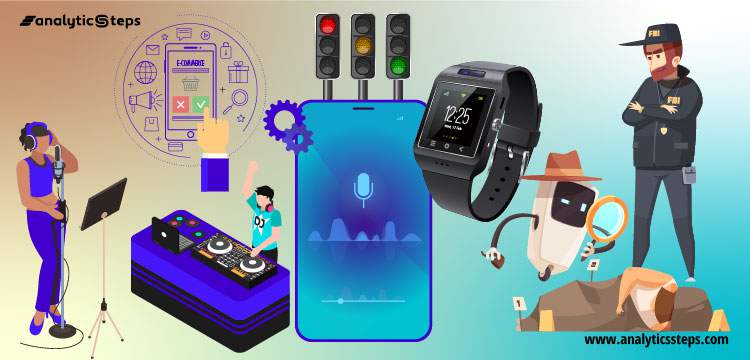
Introduction to Artificial Intelligence
Artificial Intelligence (AI) refers to the simulation of human intelligence processes by machines, particularly computer systems. These processes include learning, reasoning, problem-solving, perception, language understanding, and social intelligence. The term encompasses a wide range of technologies that enable machines to perform tasks traditionally requiring human intelligence.
The journey of AI began in the mid-20th century, with pioneering work by figures such as Alan Turing, who proposed the concept of a ‘universal machine’ and laid foundational ideas for computing. The term ‘artificial intelligence’ was coined in 1956 during a conference at Dartmouth College, where researchers aimed to explore the possibility of machines exhibiting intelligent behavior. Early advancements focused on problem-solving and symbolic methods, though they faced limitations due to restricted computational power.
As technology progressed through the late 20th century, so did AI. The development of more sophisticated algorithms, coupled with significant increases in computational capabilities, propelled areas like machine learning and neural networks. In the 1980s, the introduction of backpropagation algorithms enabled more complex models and was a pivotal moment for the advancement of AI. The turn of the 21st century saw a resurgence in AI research thanks to the advent of big data and enhanced processing power, which allowed for significant strides in deep learning techniques.
Today, AI technologies encompass a variety of applications, from virtual assistants and chatbots to autonomous vehicles and advanced analytics. AI has become an integral part of daily life, influencing sectors such as healthcare, finance, education, and entertainment. As we continue to innovate and develop AI, it is crucial to understand not just its mechanisms but also its societal implications and potential future trajectory.
AI in Everyday Activities
The integration of artificial intelligence into daily activities has revolutionized how individuals manage their routines. From the moment they wake up to when they go to sleep, AI-powered technologies play crucial roles in enhancing efficiency and convenience. Virtual assistants such as Siri and Alexa exemplify this transformation. They utilize natural language processing to understand and respond to user inquiries, enabling tasks like setting reminders, providing weather updates, and even controlling home devices with just a voice command.
Furthermore, AI contributes significantly to personalized experiences through recommendation systems found on various streaming services and e-commerce platforms. For instance, when users log onto platforms like Netflix or Amazon, they are greeted with content curated to their preferences, thanks to complex algorithms. These AI-driven systems analyze user behavior and feedback to suggest items, making it easier for consumers to discover new movies, TV shows, or products without extensive searching.
Additionally, the emergence of smart home devices highlights another significant application of AI in daily life. Devices such as smart thermostats, lights, and security systems can learn users’ habits and adjust settings accordingly. For example, a smart thermostat can lower the heating when it detects that no one is home, thus saving energy and reducing utility bills. These innovations not only simplify routine tasks but also promote sustainable practices.
Overall, the incorporation of artificial intelligence into everyday activities contributes to a more seamless lifestyle. By minimizing the effort required to perform common tasks, AI systems enhance productivity and free up time for individuals to focus on more meaningful activities. As technology continues to evolve, the role of AI in our daily lives is expected to expand further, making it an indispensable aspect of modern living.
Enhancing Communication with AI
Artificial Intelligence (AI) is remarkably transforming the landscape of communication, facilitating interactions in ways that were previously unimaginable. Central to this transformation are advancements in natural language processing (NLP), which enable machines to understand, interpret, and respond to human language in a more natural and contextual manner. These developments have led to the creation of sophisticated chatbots that can engage users in meaningful conversations, often resolving queries without human intervention. This not only streamlines customer support but also enhances user experiences across various digital platforms.
Furthermore, AI-powered translation services are breaking down language barriers globally. Through algorithms that analyze and provide translations with impressive accuracy, individuals and businesses can communicate seamlessly, regardless of their linguistic backgrounds. Such technology ensures that important information is conveyed accurately, fostering better understanding and collaboration between people of different cultures.
Additionally, AI’s influence on social media interactions cannot be overlooked. Platforms are increasingly employing AI tools to filter content, manage user engagement, and enhance communication strategies. By analyzing user behavior, AI can determine optimal times for posts or suggest relevant content for specific audiences, thus improving interaction rates. This strategic use of AI allows for more personalized experiences on social media, making it easier for users to connect with others who share similar interests.
Moreover, as AI continues to evolve, its role in clarifying communication across diverse cultures and languages will only become more critical. The ability to facilitate clear dialogues fosters enhanced relationships and understanding, reinforcing AI’s position as a pivotal player in modern communication strategies. Ultimately, the integration of AI technologies redefines the way we engage and connect with one another, paving the way for more effective communication in our daily lives.
AI in Workplaces and Productivity
Artificial Intelligence (AI) is significantly reshaping workplaces across various sectors, primarily by automating repetitive tasks and enhancing productivity. In many organizations, AI-driven tools assist in streamlining workflows, allowing employees to focus on more strategic and creative responsibilities. For example, AI algorithms can handle basic data entry and scheduling, thereby freeing up human resources for more complex problem-solving tasks that require nuanced judgment.
One prominent application of AI in project management is the use of predictive analytics tools. These tools analyze past project data to forecast future project outcomes, helping project managers make informed decisions regarding resource allocation and timelines. By offering insights based on historical data, AI aids in optimizing project workflows and identifying potential obstacles early in the process.
Additionally, AI has revolutionized customer service by powering chatbots and virtual assistants that can seamlessly handle a range of customer inquiries. These automated systems not only improve response time but also ensure that customers receive consistent information. By integrating AI into customer service operations, companies can increase customer satisfaction while reducing operational costs, showcasing a significant benefit of AI technology.
Data analysis has experienced a transformation with the emergence of AI tools that can process vast datasets at unprecedented speeds. AI-driven analytics platforms facilitate the identification of trends and patterns that human analysts might overlook, enabling organizations to pivot strategies more swiftly and effectively. However, while the advantages of AI in enhancing workplace productivity are evident, challenges such as data security concerns and the need for continual employee training must also be acknowledged. As AI technologies continue to evolve, navigating these challenges will be essential to maximize their effectiveness in the workplace.
The Role of AI in Healthcare
Artificial Intelligence (AI) is transforming the healthcare sector by providing innovative solutions that enhance patient care and operational efficacy. One of the primary applications of AI in this field is in diagnostic tools. AI-driven algorithms analyze medical images such as X-rays, MRIs, and CT scans, enabling quicker and more accurate diagnoses. Through machine learning techniques, these systems learn from vast datasets to identify patterns and anomalies that may be overlooked by human eyes, thereby reducing error rates in diagnoses.
AI also plays a crucial role in treatment personalization. By harnessing patient data, including genetics, lifestyle, and health history, AI systems can assist healthcare providers in developing tailored treatment plans. This move towards precision medicine adapts therapies to suit individual patients, potentially leading to more effective interventions and better health outcomes. With continuous monitoring supported by AI, adjustments can be made in real-time to optimize treatment efficacy.
Moreover, robotic surgeries are becoming increasingly prevalent as AI technologies advance. These systems enhance surgical precision and control, making procedures less invasive and significantly reducing recovery time. The integration of AI into surgical environments enables surgeons to perform complex operations with enhanced accuracy, which minimizes potential complications and increases patient safety.
Overall, the incorporation of AI in healthcare not only improves the quality of patient care but also enhances the efficiency of hospital operations. Automated administrative tasks, such as scheduling and billing, free up healthcare professionals to focus more on patient interactions. Therefore, AI is not merely an auxiliary tool; it represents a fundamental shift in how healthcare services are delivered and experienced.
AI in Transportation and Travel
Artificial Intelligence (AI) is rapidly transforming the fields of transportation and travel, revolutionizing how individuals navigate their environments. One of the most significant innovations in this regard is the development of self-driving cars. These autonomous vehicles utilize AI algorithms to interpret data from a variety of sensors, allowing them to analyze surroundings and make real-time decisions. This technology not only promises to enhance road safety by reducing human error—one of the leading causes of accidents—but also aims to optimize traffic flow, resulting in decreased congestion and shortened travel times.
Additionally, AI is playing a pivotal role in traffic management systems. Advanced AI models can predict peak traffic periods and identify patterns, which enables urban planners to implement data-driven strategies that alleviate roadway bottlenecks. Moreover, smart traffic signals equipped with AI can adapt to real-time traffic conditions, effectively improving the efficiency of urban transportation networks.
AI-powered travel assistants are another noteworthy application of artificial intelligence in the travel industry. These digital helpers, often found in mobile applications, utilize natural language processing and machine learning to provide personalized recommendations. This could include suggesting optimal travel routes, evaluating flight options, or locating nearby accommodations based on user preferences. By streamlining the planning process, these AI tools enhance the overall travel experience, making it more efficient and enjoyable for travelers.
The integration of AI technologies in transportation not only focuses on safety and efficiency but also significantly elevates the travel experience. As AI continues to evolve, its impacts on transportation and travel will likely expand, promising an increasingly interconnected and convenient future for mobility.
Impacts on Education
Artificial Intelligence (AI) is significantly transforming the educational landscape by offering personalized learning experiences that cater to individual student needs. One of the primary advantages of incorporating AI in education is the ability to tailor educational content based on the unique learning pace and style of each learner. This personalized approach not only enhances student engagement but also improves learning outcomes, as students can focus on areas where they require more attention without facing the competitive pressures of a traditional classroom setting.
Another noteworthy impact of AI in education is the introduction of virtual tutors. These intelligent systems are capable of providing immediate assistance and feedback to learners, allowing them to overcome challenges in real time. Virtual tutors can offer explanations in various formats, whether through text, video, or interactive simulations, ensuring that diverse learner preferences are met. This flexibility can motivate students to explore subjects more deeply and independently, fostering a commitment to lifelong learning.
Additionally, AI-assisted grading systems have streamlined assessment processes significantly. Traditional grading can be a time-consuming task for educators; however, AI algorithms can analyze student responses and provide evaluations quickly and fairly, allowing teachers to allocate more time to direct instruction and personal interactions. These systems can also identify trends in student performance, highlighting areas that may require curriculum adjustments or targeted teaching strategies.
However, while the advantages of AI integration in education are clear, there are also potential drawbacks to consider. Concerns about data privacy and security arise, especially when handling sensitive student information. Furthermore, the reliance on technology could lead to a de-emphasis on critical thinking and interpersonal skills if not balanced with traditional methods of instruction. In summary, while AI is revolutionizing the educational landscape with its innovative applications, it is essential to approach its implementation thoughtfully and address potential challenges proactively.
Ethics and Challenges of AI Integration
The integration of artificial intelligence (AI) into daily life brings about significant ethical considerations that must be addressed comprehensively. As AI systems become more prevalent in various sectors, privacy concerns arise as data collection methods used by these systems often involve sensitive personal information. Users may not fully understand how their data is used or shared, resulting in a critical need for transparency in AI operations. Ensuring privacy and user consent is paramount to building trust between consumers and AI technologies.
Moreover, the potential for job displacement due to automation continues to be a pressing issue. As AI systems take over routine and repetitive tasks, many workers risk being replaced, leading to economic challenges and social unrest. While technology historically creates new job categories, the transition may be uneven, necessitating workforce retraining programs and educational resources to prepare individuals for evolving roles in an AI-driven economy.
The accountability of AI decisions presents another ethical dilemma. When machines make decisions that impact human lives, determining responsibility can be complex. For example, in the event of an autonomous vehicle accident, it is crucial to ascertain whether the fault lies with the manufacturer, the software developers, or the vehicle itself. This ambiguity underscores the necessity for clear guidelines and regulatory frameworks to govern the development and deployment of AI systems.
Finally, there is a growing call for regulatory measures to ensure the responsible use of artificial intelligence. Policymakers must collaborate with technologists and ethicists to establish standards and principles that prioritize safety and fairness in AI applications. A proactive approach will help society harness the benefits of AI while mitigating risks, ensuring that such technologies enhance everyday life without compromising ethical boundaries.
The Future of AI in Daily Life
The future of artificial intelligence (AI) holds significant promise for transforming daily life experiences across various domains. As technological innovations continue to emerge, AI is expected to play an increasingly pervasive role in everyday tasks, improving efficiency and enhancing the quality of life. One of the most notable advancements anticipated is the integration of AI into smart home systems. With enhanced capabilities, AI will manage household functions such as energy usage, security, and even grocery shopping, tailoring these services to individual preferences seamlessly.
Moreover, AI’s impact on transportation cannot be overstated. The development of autonomous vehicles is gaining momentum, suggesting that everyday travel will become safer and more efficient. With AI-driven cars, commuters could expect reduced congestion, optimized routes, and increased accessibility for individuals unable to drive. This evolution in transportation can significantly alter how people plan their daily activities, making transportation not just a necessity but a more integrated part of life.
In the realm of healthcare, AI technologies promise to streamline patient care and diagnostics. Future advancements may include AI algorithms capable of predicting health issues before they become critical, based on patient data and lifestyle patterns. Such predictive analytics could lead to proactive healthcare, allowing for personalized treatment plans that cater to individual needs, thereby enhancing overall well-being.
Finally, the societal implications of widespread AI adoption may catalyze shifts in workforce dynamics. As AI continues to automate routine tasks, a gradual movement toward a skills-based economy may emerge, urging a reevaluation of workforce skill sets. This transition could foster new industries and job opportunities while necessitating reskilling and adaptation among workers.
As these developments unfold, the integration of AI into daily life will likely continue to reshape how individuals interact with technology and each other, resulting in a future that is more interconnected and responsive to personal and societal needs.

 across various sectors, including healthcare, education, and transportation. This blog post explores how AI enhances everyday life through advanced technologies like virtual assistants, self-driving cars, and personalized learning experiences. Learn about the historical development of AI, its role in modern workplaces, and the challenges it faces, such as ethical considerations and data privacy issues. As AI continues to evolve, it promises to reshape our routines and interactions, making life more efficient and connected. Join us as we delve into the future of AI and its potential to enhance our daily experiences.)