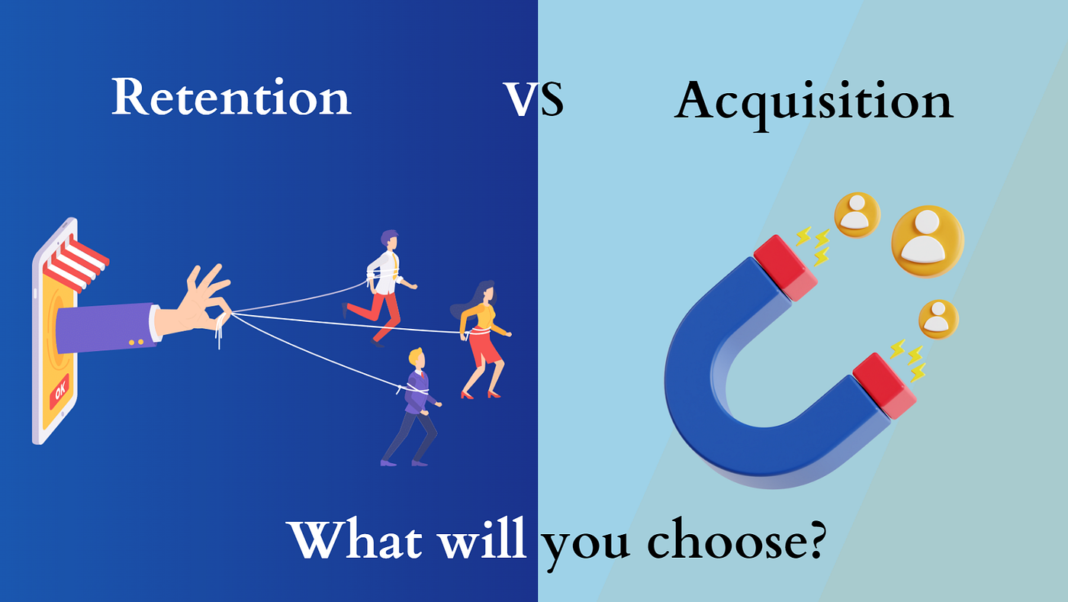
Understanding Customer Retention and Acquisition
Customer retention and acquisition are two pivotal components of a business’s growth strategy, each playing distinct but complementary roles. Customer acquisition refers to the process of attracting and converting new customers to your products or services. Traditionally, many businesses have prioritized acquisition, operating under the belief that bringing in new customers is essential for expanding market share and driving revenue growth.
However, the importance of customer retention cannot be overstated. Customer retention focuses on maintaining and nurturing existing relationships with customers, ensuring they continue to choose your brand over competitors. Retaining customers is often more cost-effective than acquiring new ones due to the reduced marketing expenses involved. In fact, studies indicate that it can be five times more costly to attract a new customer than to retain an existing one.
While acquiring new customers is vital, businesses frequently overlook the value of loyal customers. Retained customers tend to spend more over time, fostering a stable revenue base. Moreover, satisfied customers often become brand advocates, promoting the brand within their networks, thus serving as a cost-effective form of marketing. This form of organic promotion can significantly enhance a company’s reputation and expand its reach without substantial investment. Therefore, understanding the dynamics of customer retention reveals that sustaining existing relationships may hold greater long-term value than the short-term gains of acquisition.
As businesses navigate their growth strategies, it becomes increasingly important to strike a balance between acquisition efforts and retention strategies. Recognizing that a loyal customer base can contribute to sustainable growth sets the foundation for effective marketing and operational strategies tailored to both attracting new customers and retaining those already engaged with the brand.
The Cost of Customer Acquisition
The process of acquiring new customers can be a significant financial burden for businesses, often requiring substantial investments in marketing, advertising, and promotional efforts. According to various studies, the cost of acquiring a new customer can be five to seven times more than the cost of retaining an existing one. This disparity highlights the financial implications tied to customer acquisition, underscoring why businesses must approach their strategies with careful consideration.
Marketing efforts aimed at attracting new customers typically encompass a wide array of activities, including online advertising, content marketing, social media campaigns, and search engine optimization. Each of these channels entails direct costs—such as ad spend and content creation—as well as indirect costs, including staff resources and time allocation devoted to strategizing and executing these initiatives. Furthermore, companies often need to provide incentives or discounts to entice prospective customers, adding to the overall investment required for successful customer acquisition.
In contrast, the cost of retaining existing customers is generally far lower. With established relationships and familiarity with the brand, companies can employ loyalty programs, personalized communications, and customer service improvements to foster ongoing engagement at minimal expense. This makes customer retention not only a cost-effective strategy but also a wise investment, as happy and loyal customers tend to generate more value over time. Existing customers are often responsible for repeat purchases and can be instrumental in driving referrals and new business opportunities through word-of-mouth.
Consequently, while customer acquisition is essential for growth, the associated costs cannot be overlooked. The financial implications of acquiring new customers versus retaining existing ones should drive businesses to reevaluate their marketing priorities. Developing a balanced approach that considers the long-term value of customer retention could lead to improved financial performance and sustainable growth.
The Value of Loyal Customers
Loyal customers serve as the backbone of any successful business. Their significance transcends mere transactions; they provide a multitude of benefits that can fundamentally enhance a company’s long-term profitability. One of the most notable advantages of retaining loyal customers is the potential for repeat business. When customers develop a sense of loyalty towards a brand or service, they are more likely to return for future purchases. This continuity not only stabilizes revenue but also cultivates a consistent cash flow, which is essential for business sustainability.
Furthermore, loyal customers often engage in word-of-mouth promotion, acting as brand ambassadors. They recommend products or services to their friends and family, thereby driving organic growth through referrals. This is particularly powerful, as recommendations from trusted sources are likely to convert potential customers into actual buyers. A strong referral base is a cost-effective way to acquire new customers, significantly reducing the marketing efforts associated with attracting fresh clientele.
In addition, loyal customers generally exhibit higher lifetime value compared to new customers. Over time, they tend to spend more on a brand they trust, often opting for premium options or additional services. This increased expenditure can result in a markedly higher return on investment, underscoring the financial allure of customer retention strategies. By focusing on building relationships with existing customers, businesses can harness the full potential of customer lifetime value (CLV), optimizing revenues while minimizing the costs associated with acquiring new clients.
Overall, the significance of loyal customers cannot be overstated. Their ability to provide stable revenue through repeat business, referrals, and increased spending is essential for any enterprise aiming for long-term success. Prioritizing customer retention over acquisition is not only a sound strategy but also a crucial element in fostering business growth and resilience.
Building Strong Relationships with Customers
In today’s competitive marketplace, the significance of building and maintaining strong relationships with customers cannot be overstated. Effective customer retention strategies hinge on the development of trust and loyalty, which are achieved through meaningful engagement and communication. Establishing a connection with customers is essential for fostering a sense of belonging and ensuring that they view a brand as more than just a transactional entity.
One effective strategy for enhancing customer relationships is through personalized communication. Tailoring messages and interactions based on individual preferences and behaviors allows businesses to address customers directly and meet their specific needs. This not only makes customers feel valued but also enhances their overall experience with the brand. Utilizing customer data analytics can help identify trends and preferences, enabling organizations to craft relevant content and offers.
Moreover, regular engagement through various channels fosters an ongoing dialogue. Whether through social media, email newsletters, or customer feedback surveys, consistent communication helps to keep customers informed and involved. It is crucial for businesses to listen actively to customer feedback, acknowledge their concerns, and make adjustments accordingly. This responsiveness not only demonstrates an organization’s commitment to improvement but also strengthens the relationship by reinforcing trust.
Another key aspect of relationship building is providing exceptional customer service. A company that prioritizes customer support fosters loyalty, as satisfied customers are more likely to return and refer others. Training teams to be responsive, knowledgeable, and empathetic can significantly enhance how customers perceive their interactions with the brand.
Ultimately, creating and nurturing strong customer relationships requires a combination of personalized engagement, proactive communication, and outstanding service. By investing in these areas, businesses can cultivate loyalty and ensure long-term retention.
The Impact of Retention on Customer Experience
Focusing on customer retention plays a significant role in enhancing the overall customer experience. When businesses prioritize retaining existing clients, they not only foster loyalty but also create a more engaged customer base. Satisfied customers are more likely to share their positive experiences, acting as advocates for the brand. This advocacy can lead to organic word-of-mouth marketing, which is often more effective than paid advertising opportunities.
Moreover, retained customers tend to provide insightful feedback that can help businesses refine their products and services. Their familiarity with the brand allows them to give well-informed suggestions, making their opinions incredibly valuable for continuous improvement. Engaging with these customers through surveys, feedback forms, or direct conversations can unearth useful insights that may not be available through new customer channels.
Another advantage of focusing on customer retention is the emotional connection that is developed over time. A loyal customer feels a sense of belonging, which enhances their overall experience and satisfaction. This connection can lead to increased customer lifetime value, as they are inclined to purchase more frequently and try additional offerings of the product or service.
Ultimately, retained customers contribute to a more stable revenue model, as they are less price-sensitive compared to first-time buyers. Their established trust in the brand often allows companies to maintain pricing strategies that can improve profitability. Therefore, investing in customer retention not only improves the customer experience but also enhances the brand’s reputation, ultimately leading to a stronger market position.
Customer Retention Strategies
In today’s competitive market, implementing robust customer retention strategies is critical for businesses aiming to sustain their clientele. One effective approach is the establishment of loyalty programs. Such programs incentivize repeat purchases by offering rewards, discounts, or exclusive access to products and services. For example, businesses can create tiered loyalty systems where customers earn points for every purchase, motivating them to return and thus enhancing their overall shopping experience.
Moreover, improving customer service is paramount in fostering long-term relationships with patrons. Training staff to be empathetic, timely, and courteous can significantly influence a customer’s perception of the brand. Implementing channels for customer feedback can also yield valuable insights, allowing businesses to adjust their services in accordance with customer needs and preferences.
Regular communication with customers is another key strategy. Maintaining consistent contact through newsletters, updates about new products, or special promotions not only keeps a business at the forefront of a customer’s mind but also provides an opportunity for businesses to showcase their commitment to customer satisfaction. Additionally, businesses can utilize digital platforms to send personalized messages, ensuring customers feel valued. This type of direct communication enhances engagement and fosters a sense of community, which is crucial for customer retention.
Personalized marketing efforts are also vital for retaining customers. By utilizing data analytics, businesses can tailor their marketing strategies to meet the unique preferences of each customer. Such personalized approaches can include customized recommendations based on past purchase behavior or targeted promotions that resonate with individual interests, thereby reinforcing loyalty and enhancing the overall customer experience.
Metrics to Measure Retention Success
Measuring the success of customer retention strategies is crucial for any business aiming to cultivate long-term relationships with its customers. One of the primary metrics used to gauge retention effectiveness is the customer retention rate (CRR). This is calculated by taking the number of customers at the end of a specific period, subtracting the number of new customers acquired during that period, and then dividing this figure by the total number of customers at the start of the period. A higher CRR indicates that a business is effective in maintaining its existing customer base.
Another critical metric is the churn rate, which directly complements the customer retention rate. Churn rate measures the percentage of customers who stop using a company’s products or services during a specified time frame. This metric provides insight into potential issues that might be causing customer dissatisfaction or disengagement. By closely monitoring churn rates, businesses can identify and address weaknesses in their customer service, product offerings, or engagement strategies.
The Net Promoter Score (NPS) is another valuable tool that businesses can leverage to assess customer loyalty and satisfaction. NPS is determined by asking customers how likely they are to recommend a business to others on a scale from 0 to 10. Scores are then categorized into promoters, passives, and detractors. Businesses can use this score to gain insights into customer sentiment and loyalty, informing strategies for improving customer retention further.
By employing these metrics—customer retention rate, churn rate, and net promoter score—organizations can effectively analyze their retention strategies and make informed decisions to enhance customer loyalty and satisfaction.
Case Studies: Successful Customer Retention Examples
Numerous businesses across various sectors have recognized the significance of prioritizing customer retention over acquisition, leading to remarkable success stories. A notable example is Starbucks, which has effectively used its loyalty program to cultivate a strong relationship with customers. By offering rewards for purchases, personalized offers, and exclusive deals, Starbucks has been able to enhance customer engagement. As a result, their loyalty program contributes to a significant portion of their sales, demonstrating that investing in customer retention strategies can yield substantial returns.
Another compelling case is that of Amazon. The company has established a reputation for exceptional customer service, which plays a critical role in its customer retention efforts. With features such as easy returns, fast shipping, and personalized recommendations, Amazon has created a seamless shopping experience that encourages repeat purchases. The emphasis on customer satisfaction has led to high levels of customer loyalty, which is essential for their long-term growth and profitability.
In the software industry, Adobe stands out for its successful transition from perpetual software licenses to a subscription-based model. By prioritizing customer retention, Adobe focuses on maintaining subscriber engagement through regular updates and new features. This approach not only improves user experience but also fosters loyalty among its customer base, resulting in stable recurring revenue. Adobe’s strategy illustrates how prioritizing customer retention can lead to sustainable business growth.
Overall, these examples illustrate that businesses that prioritize retaining existing customers often see substantial benefits. By implementing strategies that enhance customer satisfaction and loyalty, companies can improve their overall performance and establish a competitive advantage in the market.
Conclusion: Shifting Focus from Acquisition to Retention
In recent years, businesses have often prioritized customer acquisition, driven by the desire to expand their market presence rapidly. However, it has become increasingly evident that focusing on customer retention is vital for sustainable growth. Evidence supports that acquiring new customers can be significantly more expensive than retaining existing ones, establishing a clear financial incentive for businesses to shift their strategies.
Throughout this discussion, we have highlighted the various benefits of customer retention, including improved profitability, increased customer loyalty, and enhanced brand reputation. Loyal customers are more likely to engage with a brand and make repeat purchases, contributing to a steady revenue stream. Additionally, satisfied customers often become brand advocates, leading to organic referrals that further support sustainable business growth.
To effectively transition from an acquisition-centric approach to one that values retention, businesses should invest in understanding their customers’ needs and expectations. Providing exceptional customer service, personalized experiences, and consistent communication are foundational elements that foster loyalty. Furthermore, leveraging data analytics to assess customer behavior can help identify opportunities for enhancing engagement and retention.
As organizations reassess their strategies, they should consider implementing loyalty programs and gathering feedback to refine their offerings. By actively engaging with customers, businesses can adjust their services and products to retain a competitive edge in the marketplace.
Ultimately, prioritizing customer retention is not merely a strategic shift but a necessary evolution in how businesses operate. By focusing on retaining clients, organizations can build a robust customer base that ensures long-term success and stability in a highly competitive environment.

