Introduction to Active and Passive Investing
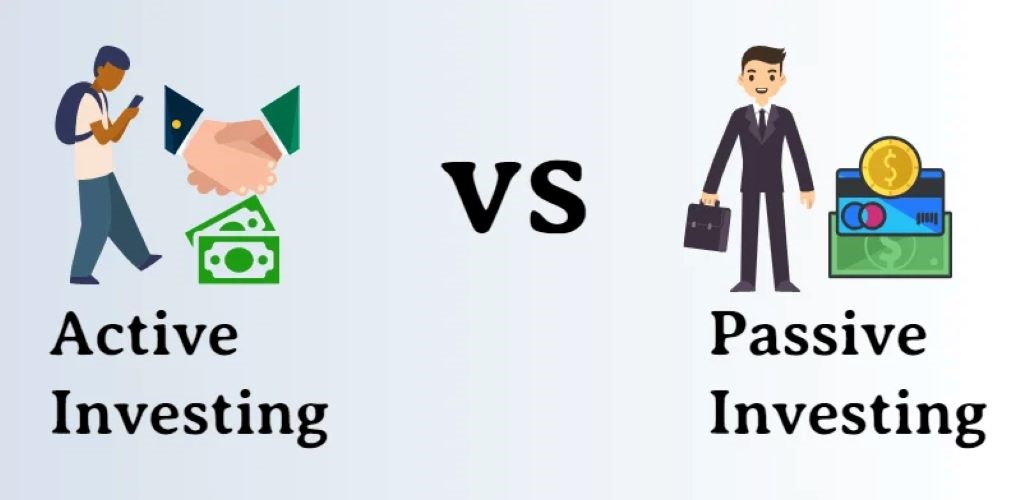
Investing can broadly be classified into two main approaches: active investing and passive investing. Each method represents a distinct philosophy and strategy guiding how individuals and institutions manage their investment portfolios.
Active investing involves the frequent buying and selling of assets in an effort to outperform the market or a relevant benchmark index. Active investors, typically guided by financial analysts or portfolio managers, rely on various research techniques, including fundamental analysis, market trends, and economic indicators, to make informed decisions. This approach requires a significant amount of time and resources, as active investors constantly seek opportunities to capitalize on price fluctuations in the market, aiming to achieve higher returns than what passive strategies typically provide.
In contrast, passive investing is characterized by a more hands-off strategy, where investors aim to mirror the performance of a market index or a specific sector. This approach is often facilitated through index funds or exchange-traded funds (ETFs), which are designed to replicate the composition of a specific index, such as the S&P 500. By investing in a broad basket of securities within an index, passive investors limit their exposure to individual stock volatility and reduce their overall risk profile. Furthermore, passive investing typically involves lower fees and less trading activity, making it an appealing option for many investors.
Understanding the differences between active and passive investing enables investors to align their strategies with their financial goals. While both approaches have their merits, it is essential to consider factors such as your risk tolerance, investment horizon, and financial objectives when deciding which strategy is most suitable for you.
Key Characteristics of Active Investing
Active investing is characterized by the proactive management of a portfolio, where investors take significant measures aimed at outperforming the market. Unlike passive investing, which seeks to replicate market indices, active investors engage in extensive research, analysis, and strategic decision-making to select stocks they believe will yield superior returns. This approach often involves the employment of various investment strategies, including but not limited to fundamental analysis, technical analysis, and macroeconomic forecasting.
One of the defining features of active investing is the emphasis on market timing. Active investors frequently buy and sell stocks based on their forecasts about future price movements. This timing can be crucial, as a well-timed purchase or sale can significantly enhance returns. With this strategy, the investor aims to capitalize on short-term price fluctuations, which can present both opportunities and challenges.
To be successful in active investing, a set of skills and qualities are necessary. Investors must possess a deep understanding of market dynamics, strong analytical skills, and the ability to make quick decisions in a fast-paced environment. Moreover, they need to stay informed about economic trends and corporate performance to inform their investment choices. This level of commitment not only requires time but also a considerable investment of intellectual resources.
However, while the potential rewards of active investing can be high, it comes with its own set of risks. The active management of a portfolio incurs higher transaction costs and fees, which can erode gains. Additionally, the reliance on personal judgement and market unpredictability means that the chances of underperformance can arise. Thus, active investing demands not just skill and expertise but also a tolerance for volatility and risk.
Key Characteristics of Passive Investing
Passive investing is a strategy that aims to replicate market returns rather than outperform them. This approach primarily focuses on tracking specific market indices, such as the S&P 500 or the Dow Jones Industrial Average. By doing so, passive investors buy into a diverse portfolio that encompasses a wide array of securities, mirroring the composition of these indices. This diversification helps to mitigate risks and ensures that any gains or losses in the market are reflected proportionately in the investment’s performance.
One of the fundamental characteristics of passive investing is its long-term orientation. Unlike active investing, where investors frequently buy and sell securities with the intention of capitalizing on short-term market fluctuations, passive investors maintain their holdings for extended periods. This long-term strategy is underpinned by the belief that markets tend to appreciate over time, thus yielding satisfactory returns, if given enough duration to recover from potential downturns.
Cost-effectiveness is another significant aspect of passive investing. The management fees associated with passive investment funds, such as index funds or exchange-traded funds (ETFs), are generally lower than those incurred with active funds. This reduction in costs arises from the limited amount of trading and research required to manage a passive portfolio. Consequently, investors can retain a more substantial portion of their returns, making this approach particularly attractive to those who prioritize value over performance. In summary, passive investing is characterized by its aim to replicate market returns through index tracking, long-term holding strategies, and a focus on minimizing management costs, all while fostering a well-diversified investment portfolio.
Cost Structure: Active vs. Passive
When evaluating investment strategies, one of the most crucial aspects to consider is the cost structure associated with active and passive investing. These two approaches to investment management differ significantly in terms of fees and expenses, which can ultimately affect overall returns.
Active investing typically involves higher management fees. Fund managers in active strategies seek to outperform the market through various research methods and trade execution tactics. This often results in higher costs. According to multiple studies, actively managed funds can have expense ratios that are significantly above their passive counterparts. This means investors may pay higher fees for the expertise of a fund manager, even if the performance does not justify the increased expense.
On the other hand, passive investing, which aims to replicate the performance of a market index, generally features lower management fees. Because passive funds trade less frequently and do not require extensive research or resources, the associated costs are reduced. Exchange-traded funds (ETFs) and index funds are popular examples of passive investing, often maintaining low expense ratios, which can appeal to cost-conscious investors.
In addition to management fees, trading costs should also be accounted for in the overall cost structure. Active investors may incur higher trading costs due to frequent buying and selling, while passive investors face fewer transactions. This can lead to a more efficient cost structure for passive strategies, making them potentially more lucrative over time.
Overall, understanding the differences in cost structures between active and passive investing is essential for making informed investment decisions. Investors should carefully assess these factors, including management fees, trading costs, and other expenses, to evaluate how they may influence long-term investment returns.
Performance Metrics: Which is More Effective?
Performance metrics play a pivotal role in evaluating the effectiveness of investing strategies, particularly when comparing active and passive investing. Active investing involves frequent trading and attempts to outperform a market index through various strategies, while passive investing typically aims to replicate the performance of a benchmark index. Historical performance data provides the groundwork for assessing these strategies’ effectiveness.
Numerous studies have highlighted the challenges in consistently measuring the success of either investment approach. For instance, research has shown that over a prolonged period, passive investment strategies often outperform their active counterparts, primarily due to lower management fees and trading costs. According to a study conducted by the SPIVA (S&P Indices Versus Active) report, a significant percentage of active managers fail to beat their respective benchmarks over a decade, indicating that the odds may be against those pursuing active investing strategies.
However, performance can fluctuate based on market conditions. For example, during bull markets, actively managed funds may capitalize on specific stock selections and market timing to achieve superior returns. Conversely, in bear markets or periods of volatility, passive investments, which are not actively repositioned, can demonstrate resilience, providing a steady return relative to the market performance.
Moreover, traditional performance metrics, such as alpha and beta, play critical roles in measuring success. Alpha measures a fund’s excess return relative to a benchmark, while beta indicates its volatility compared to the market. Active investors aspire for a positive alpha, while passive investors expect a beta close to 1, mirroring market movements. Ultimately, while the effectiveness of either investing style hinges on numerous factors, including market cycles and fees, understanding these metrics is essential for any investor looking to navigate the complex investment landscape.
Risk Considerations in Active vs. Passive Investing
When examining the landscape of investment strategies, it is essential to understand the varying risk profiles associated with both active and passive investing. Active investing, characterized by the frequent buying and selling of securities, typically exposes investors to a higher degree of risk. This risk stems primarily from the reliance on market timing and security selection. Investors who engage in active strategies seek to outperform the market by capitalizing on short-term price movements, which entails making educated guesses about future market trends. Unfortunately, this approach can lead to significant losses if predictions are incorrect, resulting in increased volatility within an investment portfolio.
In contrast, passive investing, which usually involves investing in index funds or exchange-traded funds (ETFs) that track market benchmarks, presents its set of risks. While passive investors do not inherently face the same level of volatility as their active counterparts, they are still susceptible to broad market risks. This exposure derives from movements in the overall market rather than individual securities. As passive strategies typically aim to replicate market performance, a downturn in the market will invariably affect the results of passive investments.
Furthermore, the risk tolerance of individual investors plays a crucial role in determining the suitability of either strategy. Investors with a higher risk tolerance may gravitate towards active investing, hoping to achieve higher returns despite the potential for significant losses. Conversely, individuals with a lower risk tolerance might prefer passive investing, prioritizing stability and long-term growth over attempted short-term gains. Ultimately, evaluating these risks enables investors to make informed decisions that align with their financial objectives and risk appetite.
Time Commitment and Investor Involvement
The distinction between active and passive investing fundamentally influences the time commitment and involvement required from investors. Active investing necessitates a proactive approach, demanding continuous research, analysis, and management of investment portfolios. Investors who adopt this strategy are often required to stay abreast of market trends, economic indicators, and individual security performances. This ongoing engagement can translate into hours spent each week examining financial reports, evaluating stock performance, and making buy or sell decisions based on detailed analyses. Consequently, individuals engaged in active investing typically need to cultivate a deep understanding of the financial landscape, as well as maintain a vigilant stance regarding market fluctuations.
In contrast, passive investing presents a more hands-off methodology that appeals to individuals with less time or interest in day-to-day market activities. This strategy generally involves the purchase of index funds or exchange-traded funds (ETFs) that aim to replicate the performance of a specific market index. By adopting a long-term perspective, passive investors often engage in minimal trading, which limits their time commitment significantly. Rather than focusing on immediate market conditions, passive investors usually concentrate on an overall investment strategy designed to achieve gradual capital appreciation over time.
The implications of these differing commitments extend beyond mere financial strategy. Active investors may find that their lifestyle revolves around their investment decisions, impacting leisure time and personal priorities. Meanwhile, passive investors can allocate more time to other pursuits, knowing that their investment approach requires less day-to-day management. Ultimately, understanding these differences is vital for investors to make informed choices that align with their financial goals and personal lifestyles. As such, both strategies reflect distinct levels of involvement and commitment tailored to the individual investor’s circumstances.
Investor Suitability: Which Strategy is Right for You?
Determining the appropriate investment strategy hinges on a variety of personal factors, making it imperative for investors to carefully assess their unique financial circumstances. In general, two main investment approaches dominate the market: active and passive investing. Each of these strategies possesses distinct characteristics that appeal to different investor profiles.
Firstly, an investor’s financial goals play a critical role in selecting a strategy. Active investing tends to suit individuals seeking potentially higher returns, as it involves constant monitoring and buying or selling based on market opportunities. Conversely, passive investing is commonly aligned with long-term goals, such as retirement savings, where consistent, steady growth—often through index funds—matches the investment horizon.
Risk tolerance is another vital consideration. Active investors generally must be comfortable with significant fluctuations in the market, as this approach can lead to more volatile outcomes. Those with higher risk tolerance may revel in the thrill of navigating the market’s ups and downs. In stark contrast, passive investors often prefer a more conservative stance. By investing in diversified portfolios designed to reflect market indices, they mitigate risks and promote stability in their returns over time.
The investment horizon also significantly impacts the strategy choice. If an investor is planning for a short-term goal, active investing may allow for quicker maneuvers to seek short-term gains. However, for long-term investors, passive strategies minimize transaction costs and taxes, aligning perfectly with their longer time frames.
In essence, understanding your financial objectives, risk appetite, and investment timeline is crucial for determining whether an active or passive investing strategy aligns with your overall investment plan.
Conclusion: Making the Choice Between Active and Passive Investing
In evaluating the distinctions between active and passive investing, it is essential to recognize that both strategies possess unique merits and limitations tailored to different investor profiles. Active investing involves a hands-on approach, where portfolio managers attempt to outperform the market through extensive research, market timing, and the selection of individual stocks and securities. This strategy appeals to those who are knowledgeable and willing to engage with the market continuously, potentially offering higher returns but also carrying an increased risk and often higher fees.
On the other hand, passive investing adopts a more laid-back approach, focusing on long-term asset accumulation by tracking a market index. This method typically incurs lower fees and minimizes the emotional stress associated with market fluctuations, appealing to those who prefer a ‘buy and hold’ philosophy over frequent trading. Passive investors benefit from diversification and more stable returns over time, as they capitalize on the overall growth of the economy rather than attempting to time market movements.
Ultimately, the decision between active and passive investing should be informed by an investor’s individual goals, risk tolerance, and investment time horizon. It is crucial for investors to reflect on their financial objectives and understand the implications of each strategy. By weighing the advantages and disadvantages of both active and passive investing, one can develop a more effective investment plan tailored to their specific needs and preferences. Making an informed choice may lead to a more fulfilling investment experience, aligning with personal financial aspirations while navigating the complexities of the investment landscape effectively.

