Introduction to Smart Technology in Home Security
Smart technology in home security has evolved significantly over the years, fundamentally transforming how homeowners approach safety measures. Initially, security systems were predominantly reliant on traditional mechanisms such as deadbolts and basic alarm systems. However, with the advent of digital technology, these systems have incorporated advanced features that enhance both safety and convenience.
The integration of smart devices into home security systems allows homeowners to monitor their properties remotely. This capability has become increasingly vital in today’s fast-paced world, where individuals often travel or work long hours away from home. By utilizing smartphones, tablets, and personal computers, homeowners can receive real-time updates on their security status, enabling them to respond promptly to potential threats.
Key advancements in smart home security include the development of internet-connected cameras, which offer live streaming and motion detection alerts. These devices not only provide visual monitoring but also allow for two-way communication, giving homeowners the ability to speak to visitors at their door or deter intruders. In addition, smart locks offer unparalleled convenience by allowing residents to manage access digitally, controlling who can enter their homes without the need for physical keys.
Furthermore, the incorporation of artificial intelligence enhances the functionality of smart security systems, where algorithms can analyze patterns and behaviors to distinguish between routine activities and potential security breaches. This evolution reflects a considerable shift towards a proactive approach in home safety.
As more households recognize the advantages of integrating smart technology into their security practices, it becomes evident that these tools not only improve safety but also empower homeowners with greater control over their living environments.
Key Components of Smart Home Security Systems
Smart home security systems integrate various components designed to enhance the safety of residential properties. These systems not only provide real-time surveillance but also allow homeowners to control their security measures remotely. One of the primary elements is smart locks, which enable keyless entry through mobile applications or biometric authentication, thereby reducing the risk of unauthorized access. Homeowners can monitor who enters and exits their premises, effectively managing access.
Another vital component is security cameras, which can be strategically placed both indoors and outdoors. Modern security cameras come equipped with features such as high-definition video, night vision, and motion detection. Many models offer cloud storage solutions, allowing users to review footage anytime. With the integration of artificial intelligence, some cameras can distinguish between people and pets, minimizing unnecessary alerts.
In addition to locks and cameras, alarm systems play a crucial role in deterring potential intruders. These systems often include door and window sensors that trigger alerts when unauthorized access is detected. Many smart alarm systems can send notifications directly to the homeowner’s smartphone, ensuring prompt action can be taken if needed.
Moreover, smart motion sensors provide another layer of security, detecting movement in designated areas and sending alerts to the homeowners. These sensors can be linked to lighting systems, automatically illuminating paths when movement is detected, thereby enhancing visibility and safety.
Collectively, these components create a comprehensive smart home security system designed to protect against various threats. By leveraging the capabilities of each element, homeowners can achieve a higher level of confidence in their residence’s security.
Benefits of Smart Technology for Home Security
Implementing smart technology in home security systems considerably enhances the overall safety and convenience of households. One of the most significant advantages of smart home security devices is the capability for remote monitoring. Homeowners can access real-time video feeds and check the status of their property through their smartphones, tablets, or computers, providing peace of mind while they are away. This level of accessibility empowers homeowners to keep vigilant, deterring potential intrusions when they are not physically present.
Another notable benefit of smart home security is the real-time alerts feature. Smart security systems can notify homeowners of suspicious activities, such as motion detection or unauthorized entry, through instant notifications. This feature ensures that critical information reaches the homeowner promptly, enabling swift responses to any potential threats. In addition, these alerts can also be configured to notify emergency services automatically, improving response times in urgent situations.
Automation features found in smart security systems further improve home protection. Homeowners can schedule lights, locks, and sensors to activate at certain times, creating the illusion that someone is home, even when they are not. This can be particularly effective in deterring criminals, as homes appear occupied. Moreover, smart technology allows for integration with other devices in the home, such as smoke detectors and smart locks, enhancing comprehensive safety.
Furthermore, smart technology offers increased control over home environments. Homeowners have the flexibility to adjust settings according to their preferences and needs, contributing to both safety and comfort. The capacity to monitor and manage security systems seamlessly from anywhere empowers residents to take charge of their security, resulting in a smarter, more secure home.
Comparing Traditional vs. Smart Home Security Solutions
Home security is a paramount concern for homeowners, and both traditional and smart security solutions have their advantages and disadvantages. Traditional home security typically includes physical barriers such as deadbolts, window locks, and discreet alarm systems installed by professional security companies. These measures are generally reliable and straightforward, providing a sense of safety through their physical presence.
However, traditional security systems lack the advanced features that modern technology offers. For instance, these systems may rely solely on audible alarms or sirens to alert homeowners to potential intrusions, which could be ineffective in deterring a determined burglar. Moreover, any emergency response from local authorities depend on a monitored system, which may incur additional costs and may not always provide timely interventions.
On the other hand, smart home security solutions capitalize on technological advancements, integrating devices such as smart cameras, motion sensors, and home automation systems. These solutions enable homeowners to monitor their properties remotely via smartphones or computers. For instance, smart cameras can provide real-time notifications and video streaming, allowing users to assess situations from anywhere in the world. Furthermore, many smart systems include features such as geofencing and integration with other smart home devices, enhancing user control and customization of security measures.
Nevertheless, smart technology is not without limitations. Concerns regarding cybersecurity and system reliability may arise, as smart devices can be vulnerable to hacking or technical malfunctions. Furthermore, the initial setup costs for smart solutions can be higher than traditional systems. Homeowners need to weigh these factors when considering which type of security system best meets their needs, taking into account their budget, lifestyle, and specific security requirements.
How Smart Technology Deters Intruders
In the realm of home security, the application of smart technology plays a pivotal role in deterring potential intruders. By leveraging innovative features, homeowners can create an environment that significantly reduces the likelihood of break-ins. The psychology behind this deterrence is founded on the visibility and accessibility of smart security measures.
One of the key aspects of smart technology is the use of surveillance cameras that offer real-time monitoring both inside and outside the home. The mere presence of these cameras serves as a psychological barrier for intruders, who are often aware of the heightened risk of capture on camera. This heightened surveillance can make a property less appealing to those considering unlawful entry. With advancements in cloud storage and remote access, homeowners can easily monitor their premises, further enhancing their sense of security.
In addition to surveillance, smart lighting systems contribute to deterring intruders. These systems can be programmed to simulate occupancy through automatic activation in a randomized fashion, creating the illusion that someone is home. This unpredictability can discourage intruders from attempting to breach a property, as the chances of being caught increase significantly.
Furthermore, intelligent security alerts not only respond to suspicious activities but also serve as proactive deterrence. Devices equipped with motion sensors can send notifications to homeowners, allowing them to take immediate action. Alarm systems can be integrated with smart home networks, enabling alerts to be sent directly to law enforcement if a breach is detected. This level of response reinforces the perception that homes protected by smart technology are under constant surveillance, making them less attractive targets for criminals.
Overall, the integration of smart technology into home security systems not only enhances the safety of a residence but also plays a crucial role in deterring potential intruders through psychological means, effective monitoring, and prompt alerts.
Cost Considerations for Implementing Smart Home Security
When evaluating the investment in smart home security systems, potential buyers should consider various financial aspects, beginning with initial costs. Smart home security systems can range significantly in price, depending on the components included, such as cameras, alarms, motion sensors, and home automation devices. The upfront cost can be higher than that of traditional security systems, which typically consist of basic alarms and monitoring services. However, consumers should weigh these initial expenses against the breadth of features and functionalities that smart technology delivers, which may ultimately lead to long-term savings.
One of the financial benefits of implementing smart home security is the potential reduction in home insurance premiums. Many insurance providers offer discounts for homeowners who utilize advanced security systems, including those with smart technology features. This reduction in premiums can offset the initial investment and contribute to overall savings, making smart home solutions more appealing from a financial standpoint.
In addition to insurance savings, smart home security systems can lead to decreased costs associated with theft, property damage, and personal safety. In the unfortunate event of a break-in, the integration of smart technology often provides a faster response from authorities, thereby reducing the impact of lost valuables or emotional distress. Furthermore, the remote monitoring capabilities inherent within these systems allow homeowners to keep an eye on their property, reducing worries that could arise from being away from home.
Moreover, when considering the affordability of smart home security, individuals should take into account the varying subscription and maintenance fees associated with different systems. Some smart security solutions may require monthly monitoring fees, while others may offer self-monitoring options that incur no additional costs. Ultimately, consumers should assess their budget and specific needs when deciding on a smart home security system, ensuring chosen devices provide the best value for their financial investment.
Future Trends in Smart Home Security Technology
As we look toward the future, smart home security technology is poised for significant advancements, driven by the integration of artificial intelligence (AI), machine learning, and the Internet of Things (IoT). These technologies are enabling a new generation of security solutions that offer enhanced functionality, adaptability, and user-friendliness.
One of the notable trends is the increasing use of AI in monitoring and security systems. AI-enabled cameras and sensors are becoming more sophisticated, capable of distinguishing between different types of activity, thus reducing false alarms. By analyzing real-time data, these systems can recognize familiar faces or unusual movements, providing homeowners with tailored alerts and peace of mind.
Moreover, machine learning algorithms are being incorporated into smart security systems to continuously improve their efficiency. This technology allows security systems to learn from past incidents and adapt to new threats, making them more proactive. For instance, a smart home security system could track the patterns of movement within a home and notify homeowners of any deviations from established routines, thereby flagging potential security threats.
Integration with IoT devices is another critical trend shaping the future of smart home security. Homes equipped with interconnected devices, such as smart locks, doorbells, and smoke detectors, can communicate with one another, creating a comprehensive security network. This interconnectedness allows for centralized control and monitoring, as users can manage all their security devices through a single application.
Furthermore, advancements in blockchain technology are anticipated to bolster security protocols in these systems. By providing an immutable ledger for transactions, blockchain can enhance data security and prevent unauthorized access to personal information stored within smart security devices.
Considering all these emerging trends, the future of smart home security appears promising, offering better protection and convenience for homeowners. With the rapid evolution of technology, one can expect the enhancement of home security systems to become increasingly intelligent, adaptive, and reliable in safeguarding homes against various threats.
Real-Life Success Stories: Smart Security in Action
In recent years, numerous homeowners have embraced smart technology to bolster their home security systems, yielding impressive results that underscore the effectiveness of these innovations. One notable example is the Johnson family, who installed a comprehensive smart security solution for their suburban home. This system included smart cameras, motion detectors, and an integrated alarm that could be monitored remotely. After a break-in attempt in their neighborhood, the Johnsons decided to enhance their security. The immediate access to live footage via their mobile devices provided them with peace of mind and allowed them to alert local authorities quickly. As a result, the family not only felt safer but also noticed a significant reduction in nearby crime rates, as potential offenders were deterred by visible surveillance.
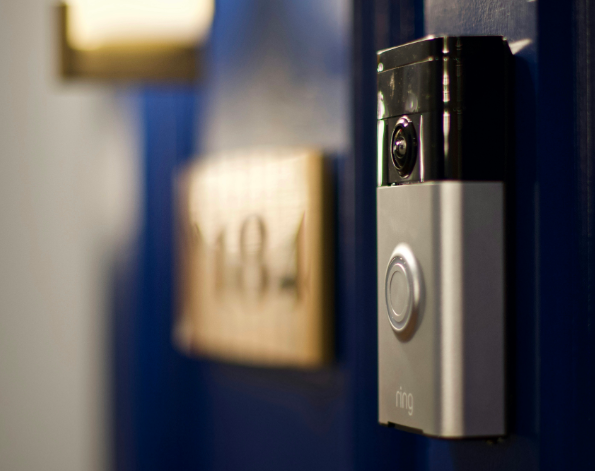
Another compelling case is that of Sarah and Mark, who opted for a smart doorbell camera after moving into a new urban apartment. They wanted to monitor foot traffic near their entrance and enhance their security without compromising on convenience. This technology enabled them to receive real-time alerts whenever someone approached their door, allowing them to interact with visitors remotely even when they were not home. This simple yet effective measure greatly increased their sense of security, particularly when they traveled. Their experience underscores how even basic smart security devices can provide homeowners with vital information and increased monitoring capabilities.
Lastly, the Ramirez family from a bustling metropolitan area illustrates the transformative impact of smart home security systems. After experiencing a theft, they invested in a full suite of smart locks, indoor cameras, and an environmental monitoring system. These devices not only offered protection against intruders but also provided alerts for potential hazards like smoke or carbon monoxide. With the ability to control these features from a smartphone, the family reported a newfound sense of safety and well-being in their home. Through these real-life examples, it is evident that smart security technology significantly enhances home safety and provides significant peace of mind to homeowners.
Conclusion: The Future of Home Security with Smart Technology
The advancements in smart technology are transforming home security into a more efficient and accessible system for homeowners. This blog post has explored various aspects of smart security systems, such as the integration of surveillance cameras, smart locks, and alarm systems, which are designed to provide enhanced safety. With features like remote monitoring and real-time alerts, homeowners can remain aware of their property’s status, regardless of their location.
Implementing smart technology not only increases the protection of residential spaces but also allows for a customized experience tailored to the unique needs of each household. A notable advantage is the ability to control and monitor security measures through mobile devices, which adds a layer of convenience that traditional methods lack. Furthermore, the automation capabilities provided by smart home ecosystems can ensure that security practices are consistently maintained, even when occupants are away.
As we look toward the future, it is clear that smart technology is more than just a fleeting trend; it is a pivotal evolution in home security. The ongoing developments in artificial intelligence and machine learning are likely to further enhance these systems, making them even more effective at deterring potential threats. Consequently, it is prudent for homeowners to consider adopting smart security technologies. This shift not only aids in protecting physical assets but also fosters peace of mind, knowing that their home is fortified by state-of-the-art tools.
In conclusion, the integration of smart technology into home security is a substantial leap forward, promising higher levels of safety and increased convenience for residents. Households that embrace these advancements will not only benefit from immediate protection but also contribute to the growing trend of smart living, paving the way for future innovations in the field.

