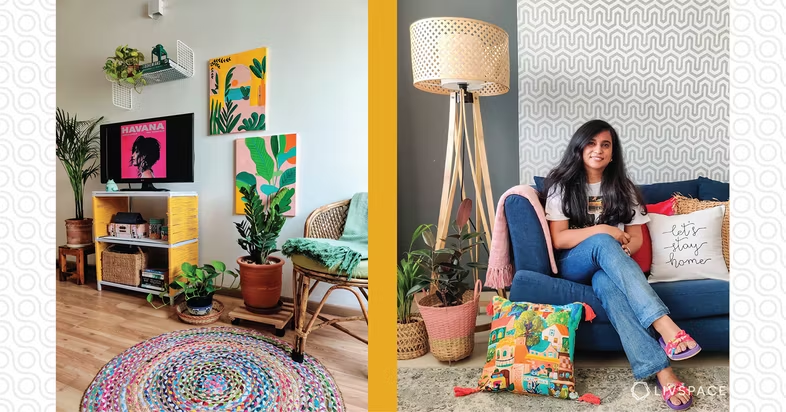
Introduction to DIY Decor
In recent years, the concept of DIY (Do It Yourself) decor has surged in popularity, as individuals increasingly seek to personalize their living spaces while also adhering to budget constraints. DIY decor projects offer a unique opportunity to express creativity and individuality, allowing homeowners to craft distinct and meaningful pieces that reflect their personal style.
The benefits of engaging in DIY decor are manifold. Primarily, one can achieve significant cost savings compared to purchasing ready-made items. Retail decor can often be expensive, and many individuals may not find exactly what they want in stores. By taking on simple decor projects, one can not only save money but also create customized pieces that perfectly fit their needs and aesthetics.
The appeal of weekend DIY decor lies in the sense of accomplishment it affords. Completing a decor project, whether it be a handcrafted wall art piece or a repurposed item, can provide a rewarding feeling of ownership over one’s living environment. Furthermore, these projects can serve as a relaxing, fulfilling pastime, diverting attention from the stresses of everyday life and fostering a meditative focus on creativity.
From painting an old bookshelf to turning vintage jars into stylish vases, endless possibilities exist for those willing to embrace their creative side. Not only do these projects enhance the appearance of one’s space, but they also open up avenues for experimentation and innovation in home decor. By engaging in such activities, one can discover skills they may never have considered, enriching their experience in a meaningful way.
As individuals embark on this journey of DIY decor, they will not only beautify their homes but also cultivate a deeper connection with their surroundings. This blog post will explore various simple DIY decor projects that can be undertaken over the weekend, encouraging readers to embrace their creativity and transform their living spaces.
Choosing the Right Project
Selecting the appropriate DIY decor project is crucial to ensuring a successful and enjoyable crafting experience. Begin by assessing your current skill level, as this plays a significant role in determining what types of projects are feasible. If you are new to DIY decor, consider starting with simpler projects that require basic skills and tools. For instance, projects like upcycling furniture or creating wall art can typically be accomplished with limited experience.
Next, evaluate the materials you have available. Understanding what supplies you can readily access will help narrow down your project options. Common materials for DIY decor include reclaimed wood, fabric scraps, paint, and decorative items that can be repurposed. If you are eager to minimize expenses, look for projects that utilize items you already own, transforming them into beautiful decorative pieces.
Time is another critical factor to keep in mind. Identify how much time you have to dedicate to your DIY decor project. Some projects may require a significant time commitment, such as building custom shelves, while others might be completed in just a few hours. A good rule of thumb is to select a project that can be comfortably finished within your available timeframe to prevent frustration.
Finally, take a careful look at your living space. Identify areas that may benefit from a decorative enhancement. Walk through your home and make a list of spaces that feel bare or uninspired. Think about how your proposed project could improve these areas, whether it’s through color, texture, or style. By considering your skill level, available materials, time constraints, and space requirements, you will be well-equipped to choose the right DIY decor project that is both satisfying and stylish.
Essential Tools and Materials
Engaging in DIY decor projects can be both rewarding and economical, but having the right tools and materials is crucial to ensure successful results. To get started, there are a few essential items that every DIY enthusiast should consider having on hand.
First and foremost, a basic toolkit that includes a tape measure, scissors, utility knife, and a hammer is essential. These tools will help you measure and cut materials accurately, making your projects more efficient. Additionally, a set of screwdrivers (both flathead and Phillips) can be invaluable for assembling or disassembling different decor items.
When it comes to materials, paints and brushes are key components for personalizing your creations. Acrylic paints are popular for their versatility and quick drying times. Make sure to have a selection of brushes in various sizes for fine details and broader strokes.
Fabric can also be an important element in DIY projects, particularly for creating cushions, curtains, or wall hangings. Look for affordable fabric options at local craft stores or online retailers, where discounts are often available. Glue guns are another crucial tool, as they offer a quick and effective way to adhere various materials like fabric, wood, or plastic.
In addition, other supplies such as washi tape, craft paper, and decorative embellishments like beads or sequins can add unique character to your projects. To minimize costs, consider sourcing materials from second-hand shops, local garage sales, or even repurposing items that are no longer in use.
By equipping yourself with these basic tools and materials, you will be well-prepared to tackle a variety of DIY decor projects. Taking the time to find affordable options will not only save money but can also inspire creativity and innovation in your designs.
Reimagining Old Furniture
Upcycling is an excellent way to breathe new life into old furniture, transforming it into a functional piece that complements your home decor. The following step-by-step guide will help you successfully reimagine a tired chair or any other piece of furniture, making it truly unique.
Step 1: Preparation
Begin by selecting the furniture item you wish to upcycle. Look for sturdy pieces that require only minor repairs for a successful transformation. Clean the furniture thoroughly to remove dirt and grease. If necessary, sand down the surfaces to ensure better adhesion of paint or fabric. Ensure that you work in a well-ventilated area, and protect your work surface with a drop cloth.
Step 2: Repurposing the Finish
Choose a paint or stain color that matches your vision. For a modern look, opt for bold hues or trendy pastels. If you prefer a more vintage style, consider chalk paint or a distressed finish. Apply the chosen product using a high-quality brush or roller, ensuring even coverage. Allow adequate drying time between coats, typically two to four hours, depending on the product used. A second coat may be necessary for a flawless appearance.
Step 3: Adding New Fabric
For upholstered items, changing the fabric can dramatically transform their appearance. Select a fabric that suits your style and complements the rest of your decor. Carefully remove the old fabric, taking note of how it was attached. Cut the new fabric to size, allowing extra for stapling. Secure the fabric by stretching it taut over the cushioned areas and stapling it in place, ensuring a smooth finish.
Step 4: Finishing Touches
After your furniture is painted and upholstered, consider adding embellishments like new hardware or decorative stencils. These details can personalize your project and enhance its charm. Finally, allow your newly reimagined furniture to cure completely, which may take a few days, thus ensuring durability and a polished appearance.
Project 2: Creating Wall Art
Creating personalized wall art is an excellent DIY project that allows for individual expression and creativity. The beauty of this endeavor lies in the ability to use various materials such as canvas, wood, or even repurposed items to craft a unique piece that enhances the decor of any space. This project can be tailored to suit any skill level, making it an ideal choice for weekend activities.
To begin, gather materials such as blank canvases, wooden boards, or old pieces of furniture that can be transformed. If you are using canvas, acrylic paints are a wonderful choice due to their versatility and vibrant colors. For those opting for wood, ensure it is prepped properly by sanding down rough edges. This ensures a smooth surface for painting or stenciling.
When it comes to techniques, painting is perhaps the most straightforward method. Consider using stencils to create precise designs or abstract patterns that speak to your aesthetic. Alternatively, dabbling in collaging can yield impressive results—collect images from magazines, newspapers, or even fabric scraps to add texture and depth to your piece.
Additionally, incorporating mixed media can elevate your wall art significantly. This may include layering with different materials, such as twine or lace, or even adding three-dimensional objects like buttons or small trinkets. By doing so, the artwork becomes a captivating focal point within the room.
Encourage imaginative designs, as the goal is to reflect personal style. Whether aiming for minimalist sophistication or eclectic charm, this project not only beautifies your home but also serves as a fulfilling creative outlet. Embrace the possibilities of wall art and turn your ideas into stunning visual statements that can be enjoyed for years to come.
DIY Decor Accessories for Your Home
Creating your own decor accessories is a rewarding way to infuse personal style into your living space. Projects such as throw pillows, candles, and decorative vases can easily transform the ambiance of any room while reflecting your unique taste.
When making throw pillows, start by choosing the right fabric that harmonizes with your existing home decor. Consider materials such as cotton or linen for comfort and durability. Select colors or patterns that either complement or contrast beautifully with your sofa or bed linens, ensuring the pillows serve as cohesive accents. You might experiment with different sewing techniques, such as envelope closures or zippers, to enhance functionality.
Another delightful project is crafting your own candles. This not only adds a personal touch but also allows you to customize scents that resonate with you. Craft stores often offer candle-making kits that provide easy access to essential tools and materials. Choose a wax type, wick, and fragrance that fits the desired mood of your space. For a modern approach, consider using colored wax to create layered designs in clear glass containers that can act as stunning centerpieces.
Lastly, creating decorative vases can be a fascinating project that utilizes various materials. Consider repurposing glass jars, ceramic pots, or even wooden containers. Paint them in shades that blend with your interior palette, or utilize decoupage techniques to add patterns and textures. This allows you to achieve a cohesive look throughout your home while enjoying the process of crafting.
Engaging in these DIY decor accessory projects is not only enjoyable, but they can also significantly enrich your living space with style. Tailoring elements to fit your preferences contributes to a more inviting atmosphere that truly feels like home.
DIY Decor for Seasonal Celebrations
Seasonal celebrations provide the perfect opportunity to enhance the ambiance of your home with tailored DIY decor. Engaging in these creative projects not only adds a festive touch but also fosters a sense of community and personal expression. From wreaths to table settings, there are many achievable ideas you can embark on over a weekend.
One of the most recognized elements of seasonal decor is the wreath. For instance, a fall wreath can be made using materials such as dried leaves, pinecones, and small pumpkins. This natural arrangement can be easily constructed around a basic wire frame. Similarly, for winter, using evergreen branches, ornaments, and ribbons can create a welcoming display. Appropriately tailored wreaths serve as focal points for your home’s entryway, signaling the warmth of each season.
Table settings also play a crucial role in seasonal decor, especially during family gatherings and holiday celebrations. A simple yet elegant idea is to use seasonal fruits and flowers as centerpieces. For spring gatherings, consider using tulips and fresh lemons for a vibrant contrast. Likewise, during Thanksgiving, create a rustic look with mini pumpkins and autumnal foliage. Incorporating personalized place cards adds a unique touch, showing guests that you’ve put thought into their experience.
In addition to wreaths and table settings, you can also craft themed garlands or banners to hang in your living space. If you are celebrating Easter, a garland made of colorful paper eggs will brighten up the room, while a Fourth of July banner featuring red, white, and blue motifs can invigorate your gathering. These simple additions can transform your home and make any occasion more festive, all while being a fun weekend project.
Tips for Personalization and Creativity
Personalizing your DIY decor projects can infuse them with your unique style and creativity, transforming simple items into meaningful pieces. One of the primary ways to achieve this is by experimenting with colors. Consider the existing palette of your space and select shades that harmonize with your environment. Alternatively, opt for bold hues that stand out and become focal points. You can use color theory to guide your choices, ensuring that the colors evoke the desired emotions, whether it’s calmness or vibrancy.
Patterns also play a significant role in personalization. Incorporating different patterns can add depth and visual interest to your projects. You might choose geometric designs for a modern aesthetic or floral prints for a more traditional feel. Don’t hesitate to combine patterns; just ensure they complement rather than clash with each other. Mixing and matching fabrics or wallpapers can lead to stunning results that reflect your personality.
When choosing materials, think beyond the conventional. Upcycling can provide unique textures and functionalities to your decor items. For instance, using reclaimed wood for shelving or glass jars for lighting creates distinctive pieces that also support sustainability. Additionally, exploring different techniques such as painting, stenciling, or decoupage can offer new dimensions to your projects. These methods allow you to imprint your creativity onto the material, resulting in a one-of-a-kind item.
Another vital aspect of personalization is storytelling. Consider what memories or themes you want your decor to represent. Perhaps a collection of travel souvenirs can be turned into a beautiful wall display, acting as a conversation starter while also reminding you of cherished experiences. By imbuing your DIY projects with elements that hold personal significance, you will not only enhance your living space but also create items that reflect your individuality.
Conclusion and Encouragement to Start DIYing
As we conclude our exploration of simple DIY decor projects, it becomes evident that the potential for personal expression and creativity within the realm of home decoration is vast. Each project, no matter how straightforward, serves as an opportunity to infuse your space with a unique touch that reflects your personality and style. Whether it’s crafting a handmade centerpiece or repurposing old items into new treasures, these actions can lead to a rewarding experience that enhances your living environment.
Engaging in DIY projects not only allows individuals to create something special for their home, but it can also serve as a therapeutic outlet and a source of joy. The process of envisioning a project and bringing it to life fosters a sense of accomplishment that can be immensely satisfying. Furthermore, the skills developed through these efforts can inspire confidence in tackling more complex projects in the future.
Encouragement comes from the understanding that one does not need to be particularly skilled or have extensive resources to begin. The beauty of DIY decor projects lies in their accessibility; often, they require minimal materials and can be completed within a weekend. The simplicity involved in these endeavors does not diminish their impact; rather, it emphasizes the idea that small changes can lead to significant transformations in one’s living space.
So, gather your materials, set aside a little time, and allow your creativity to flourish. Take the plunge into the world of DIY decor, and relish in the joy that comes from crafting something unique. The potential outcomes may surprise you, and each completed project will add character to your home, making it feel truly yours.

