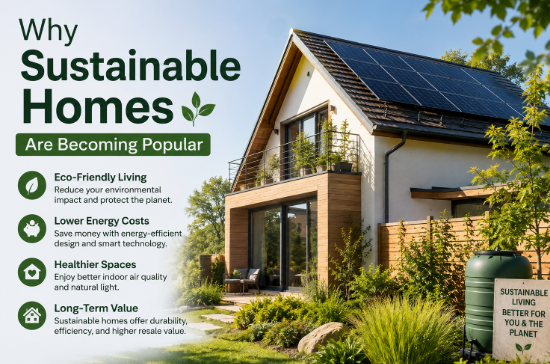
Introduction to Sustainable Living
Sustainable living refers to a lifestyle that aims to reduce an individual’s or society’s use of the Earth’s natural resources and personal resources. It emphasizes the importance of balancing human needs with environmental preservation. Unlike traditional living, which often emphasizes convenience and consumerism, sustainable living prioritizes eco-friendly practices and choices that contribute to long-term ecological health and social equity.
At its core, sustainable living encompasses three primary pillars: environmental, economic, and social sustainability. The environmental aspect centers on reducing waste, conserving energy, and maintaining biodiversity. This often manifests in practices such as recycling, using renewable energy sources, and minimizing carbon footprints. For instance, sustainable homes are designed to optimize energy efficiency and promote the use of sustainable materials, which directly contribute to lowering environmental impacts.
Economic sustainability, on the other hand, focuses on responsible consumption and production practices that ensure resources can be maintained for future generations. This could involve supporting local economies, employing fair trade products, and investing in sustainable technologies. Sustainable living encourages individuals to make purchasing decisions that align with these economic principles, which in turn can enhance local communities.
Finally, the social aspect emphasizes community engagement, equity, and positive social interactions. Sustainable living promotes the idea of community involvement, social responsibility, and inclusiveness. By fostering a sense of community, individuals contribute to a greater purpose, creating a holistic approach to living that transcends mere individual benefit.
In summary, sustainable living is a comprehensive lifestyle that not only addresses environmental concerns but also encompasses economic and social dimensions. This multifaceted approach lays the groundwork for understanding why sustainable homes are gaining popularity as modern solutions to the challenges of traditional living.
Environmental Benefits of Sustainable Homes
Sustainable homes are increasingly recognized for their potential to significantly reduce environmental impact, addressing pressing issues such as climate change, resource depletion, and loss of biodiversity. One of the primary advantages of these homes is their ability to lower carbon footprints. By incorporating renewable energy sources like solar panels and wind turbines, sustainable homes generate clean energy, thus minimizing reliance on fossil fuels and reducing greenhouse gas emissions. This shift not only supports global efforts to combat climate change but also promotes a shift towards a more sustainable energy future.
Energy efficiency is another pivotal characteristic of sustainable homes. Through advanced design techniques, these residences optimize energy use. From better insulation and energy-efficient appliances to strategically placed windows that maximize natural light, sustainable homes often consume significantly less energy than traditional structures. This efficiency not only translates into cost savings for homeowners but also contributes to the overall reduction of energy demand, subsequently decreasing the environmental burden associated with energy production.
Water conservation is another crucial aspect of sustainable homes, which often implement systems such as rainwater harvesting, low-flow fixtures, and drought-resistant landscaping. These measures help to minimize the consumption of this precious resource, protecting local water supplies and ensuring a stable water ecosystem. Furthermore, many sustainable homes aim to preserve natural resources through the use of sustainable materials, such as reclaimed wood and recycled products, which not only reduce waste but also lower the environmental costs associated with production.
Ultimately, the environmental benefits of sustainable homes extend far beyond individual properties. By fostering energy efficiency, reducing carbon footprints, and conserving water and natural resources, they play an integral role in combating climate change and preserving ecosystems, aligning with global sustainability goals.
Economic Advantages for Homeowners
The growing interest in sustainable homes can be largely attributed to their numerous economic advantages, which offer homeowners both immediate and long-term financial benefits. One of the most significant advantages is the reduction in utility bills. Sustainable homes are typically designed with energy-efficient technologies, such as solar panels, high-efficiency heating and cooling systems, and energy-efficient appliances. These innovations significantly reduce energy consumption, leading to lower monthly utility expenses. Homeowners are able to save money consistently over the years, thereby offsetting initial investments in sustainable technology.
Another financial benefit of sustainable homes lies in their lower maintenance costs. Sustainable materials, which are often utilized in the construction of these homes, tend to be more durable and require less frequent replacement. This means that homeowners can save on repair and replacement costs associated with traditional building materials. Additionally, many sustainable homes are equipped with features designed to withstand various environmental factors, further decreasing the likelihood of costly repairs due to weather-related damages.
Moreover, homeowners investing in sustainable properties may also benefit from tax incentives. Various local and federal governments offer tax credits, rebates, and incentives for those who choose energy-efficient upgrades or build sustainable homes. These financial benefits can significantly enhance the economic appeal of investing in sustainable living. Beyond immediate savings, sustainable homes have also been shown to increase property values, making them attractive to future buyers, especially those who value environmental stewardship. Consequently, investing in a sustainable home not only presents financial advantages but also positions homeowners favorably within a market increasingly driven by eco-consciousness.
Health and Wellbeing in Sustainable Homes
Sustainable homes, incorporating environmentally friendly practices, play a pivotal role in enhancing the health and wellbeing of their residents. One of the primary benefits is improved indoor air quality. Unlike traditional homes, which often use materials that emit harmful volatile organic compounds (VOCs), sustainable homes favor non-toxic materials and finishes that ensure cleaner air circulation. This reduction in pollutants can significantly lower the risk of respiratory problems, allergies, and other health issues associated with poor air quality.
Additionally, sustainable homes prioritize access to natural light, which has been shown to positively impact both physical and mental health. Natural light not only reduces energy consumption by minimizing the need for artificial lighting but also boosts mood and enhances productivity. Exposure to daylight can regulate circadian rhythms, leading to better sleep patterns and increased energy levels during the day. As such, the design of sustainable homes often includes large windows, skylights, and open spaces that invite an abundance of sunlight.
Moreover, the incorporation of green spaces within sustainable living environments can lead to further enhancements in wellbeing. Gardens, balconies, and communal green areas provide residents with opportunities to engage in outdoor activities, fostering a connection with nature. Research suggests that spending time in nature can reduce stress levels, improve mental health, and increase overall satisfaction with life. The integration of plants, both indoor and outdoor, contributes to a calming atmosphere while also improving air quality through natural filtration processes.
In sum, the focus on non-toxic materials, natural light, and green spaces in sustainable homes creates an environment conducive to both physical health and emotional wellbeing. These factors not only promote a healthier lifestyle for residents but also encourage a profound appreciation for their living environment, leading to increased contentment and quality of life.
The Role of Technology in Sustainable Housing
In recent years, the integration of modern technology into sustainable housing has transformed how we think about eco-friendly living. Innovations such as smart home systems, solar panels, and energy-efficient appliances play a crucial role in promoting sustainability. These technologies not only reduce energy consumption but also enhance the comfort and convenience of our homes.
Smart home systems, which include devices that can be controlled remotely, provide homeowners with unprecedented control over their energy use. For instance, smart thermostats can adjust heating and cooling based on occupancy patterns, leading to significant energy savings. Coupling these systems with energy-efficient appliances means that homes can operate more responsibly, utilizing less power without compromising on functionality.
Solar panels have become a hallmark of sustainable housing, converting sunlight into usable electricity. They not only reduce reliance on fossil fuels but can also result in substantial long-term savings on energy bills. The affordability of solar technology has increased, making it a viable option for many homeowners aiming to decrease their carbon footprint.
In addition to solar energy, energy-efficient appliances contribute significantly to the sustainability of homes. These devices are designed to use less water and electricity compared to standard models, thereby lowering household energy consumption and reducing environmental impact. Energy Star-rated appliances, for example, are engineered to provide superior performance while ensuring minimal energy usage.
Furthermore, advancements in building materials technology have led to the development of insulation products that enhance energy efficiency and thermal comfort. Innovations in green materials like recycled composites and sustainable timber are paving the way for homes that are not only environmentally responsible but also resilient and durable.
Overall, the role of technology in sustainable housing cannot be understated. As technology continues to evolve, it fosters the growth of eco-friendly living environments, proving that modern conveniences and environmental responsibility can indeed coexist harmoniously.
Community and Social Aspects of Sustainable Living
Sustainable homes are increasingly recognized not only for their environmental benefits but also for their potential to foster stronger communities. This emphasis on community-oriented living works to build connections among residents, ultimately enhancing the quality of life. Central to this idea is the incorporation of shared spaces designed to serve the collective needs of neighborhood inhabitants.
For example, many sustainable housing developments incorporate communal areas such as parks, recreational spaces, and community gardens. These shared environments encourage residents to gather, collaborate, and cultivate relationships, which can significantly improve social cohesion. Access to community gardens provides not only fresh produce but also a venue for social interaction, allowing neighbors to work side by side while promoting sustainable practices. The act of gardening itself serves as a catalyst for dialogue, bonding through shared experiences and collective responsibility.
Moreover, sustainable homes often prioritize inclusivity and accessibility, making it easier for people from different backgrounds to come together. Features such as multi-purpose community rooms enable gatherings for meetings, events, or even informal social interactions. These settings are conducive to creating a sense of belonging, which plays a crucial role in building resilient communities.
The integration of sustainable practices also encourages residents to be more mindful of their environment and the impact of their choices on the community. Awareness campaigns that promote environmental stewardship can lead to collective action in addressing local issues, ranging from recycling initiatives to neighborhood clean-up days. These activities not only enhance the physical space but also strengthen social ties, as residents witness the positive results of their collaborations.
Government Initiatives and Incentives
Governments around the world are increasingly recognizing the importance of sustainable homes as part of their environmental policy agendas. Through a variety of programs and initiatives, they aim to promote eco-friendly housing, reduce carbon footprints, and address climate change. One of the central approaches has been the introduction of financial incentives that make sustainable homes more accessible to the general population. These incentives often include tax deductions, grants, and low-interest loans targeted at homeowners who invest in energy-efficient technologies or sustainable building practices.
In addition to financial support, many governments are also promoting awareness through educational campaigns about the benefits of sustainable living. They partner with environmental organizations to create informative resources that highlight how sustainable homes are not only beneficial for the environment but can lead to cost savings for homeowners. This education is crucial, as informed citizens are more likely to embrace the idea of eco-friendly living spaces.
Furthermore, some local governments have set mandates or standards that encourage or even require the construction of sustainable homes. For example, building codes may necessitate certain energy efficiency measures or the use of sustainable materials. This not only enforces compliance among builders but reinforces the notion that sustainable homes are the future of housing. Many regions also host competitions and awards to recognize exemplary projects in sustainability, thereby providing positive reinforcement for those who lead the way.
In summary, government initiatives and incentives are playing a significant role in driving the popularity of sustainable homes. By providing financial support, raising awareness, and creating regulatory frameworks that promote responsible building practices, they are fostering a more sustainable housing market that benefits both the environment and homeowners alike.
Case Studies of Successful Sustainable Projects
Several sustainable home projects from around the globe serve as exemplary models, showcasing the viability and effectiveness of eco-friendly living solutions. One notable example is the Earthships found in New Mexico, USA. These unique structures utilize natural and recycled materials, harness solar and wind energy, and incorporate water recycling systems. Earthships demonstrate that homes can be self-sufficient while significantly minimizing their environmental impact. The design allows for temperature regulation without traditional heating and cooling systems, efficiently maintaining comfort for residents.
Another exemplary project is the Bosco Verticale in Milan, Italy. This residential complex consists of two high-rise buildings adorned with thousands of trees and plants, thus providing natural insulation, improving air quality, and supporting biodiversity in an urban setting. The vertical forest concept not only enhances the aesthetic appeal of the buildings but also contributes to thermal efficiency, reducing heating and cooling demands. This project illustrates the potential of integrating nature into urban living spaces, promoting a healthier lifestyle for inhabitants.
Turning to Scandinavia, the H+ Urban Development project in Helsingborg, Sweden, offers another innovative approach to sustainable living. Here, a community was developed with a focus on energy-efficient homes powered by renewable sources like wind and solar energy. The integration of extensive green spaces, communal gardens, and bicycle pathways encourages a sustainable lifestyle among residents. This project highlights the importance of community in sustainability initiatives, demonstrating how collaborative living arrangements can enhance ecological goals.
These case studies highlight essential lessons: the successful implementation of sustainable homes relies on innovative design, community involvement, and the strategic use of local resources. New and traditional building methods are converging to create homes that accommodate modernity while respecting nature. As public awareness of sustainability grows, the lessons learned from these projects can inspire future developments in eco-living.
Conclusion: The Future of Housing
As we navigate through the complexities of modern living, the inclination towards sustainable homes becomes increasingly prominent. Throughout this blog post, we’ve examined the various aspects contributing to this trend, including environmental benefits, energy efficiency, and health advantages. The shift towards eco-conscious housing is not merely a reaction to current issues like climate change; it represents a broader movement towards a more sustainable lifestyle.
Looking ahead, the future of housing is likely to be characterized by a combination of innovative design and eco-friendly materials. Architectural advancements will increasingly incorporate renewable energy sources, such as solar panels and wind turbines, enabling homes to produce their own energy. Additionally, smart technology will play a crucial role in optimizing resource management, ensuring that energy consumption is minimized while maintaining comfort and convenience.
However, the transition toward sustainable homes may not be without challenges. Affordability remains a significant concern, as green building materials and energy-efficient technologies can initially be more expensive than traditional alternatives. Moreover, the call for regulatory frameworks that support sustainable practices is essential to ensure wider adoption. Local governments and communities will need to focus on creating incentives for homeowners and builders to embrace greener options.
Continued commitment to sustainable living goes beyond individual choices. It requires collaborative efforts among architects, developers, policymakers, and consumers alike. Education and awareness will play critical roles in shifting public perception toward sustainable housing. As more people recognize the benefits associated with sustainability—from reduced utility costs to improved health outcomes—the demand for eco-friendly homes will likely surge.
Ultimately, the integration of sustainability into housing is not just a trend; it is an essential component of future urban planning and environmental stewardship. Embracing these principles today not only benefits current and future residents but also contributes to the global effort to mitigate climate change for generations to come.

