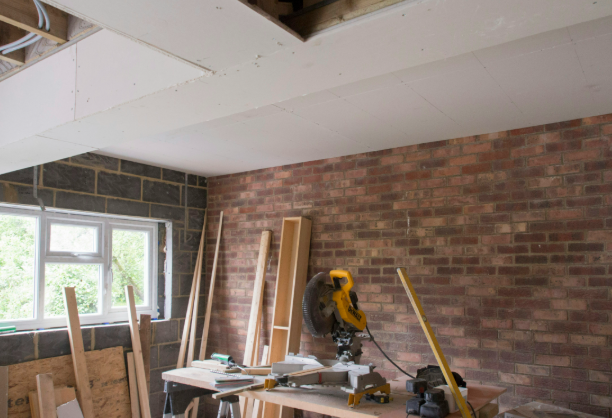
Introduction to Budget-Friendly Renovations
The trend of DIY home renovation continues to gain traction among homeowners looking to make improvements without incurring excessive costs. Renovating your home on a budget is not only feasible but can also be immensely rewarding. The shift towards budget-friendly renovations has encouraged many to embrace their creativity, turn their homes into personal sanctuaries, and enhance the functionality and aesthetic appeal of their spaces.
One of the primary benefits of undertaking DIY projects is the significant cost savings involved. Hiring professionals for every renovation task can quickly escalate expenses, whereas tackling projects oneself minimizes labor costs. Homeowners are finding that by investing their own time and effort, they can drastically reduce their renovation budgets while still achieving impressive results. For instance, simple updates such as painting cabinets, creating accent walls, or even landscaping can dramatically transform a living space. These activities can be completed with minimal financial outlay and can often be done in phases, allowing for a manageable financial commitment.
In addition to keeping expenses in check, engaging in DIY renovations provides a sense of personal satisfaction and accomplishment. Many homeowners report greater enjoyment in living spaces that they have nurtured and tailored to their tastes. The process of renovating a home can foster a deep connection to it, as each completed project symbolizes a personal achievement and a step toward realizing one’s vision. This emotional investment in home improvement can also enhance the overall quality of life, as individuals create environments that reflect their personal style and cater to their needs.
Assessing Your Home and Setting a Budget
The first step in any DIY home renovation project is to assess your home thoroughly. Begin by walking through each room and noting areas that require improvement or upgrading. Look for signs of damage, such as peeling paint, outdated fixtures, or structural issues that need immediate attention. It is crucial to differentiate between cosmetic updates and essential repairs, as addressing urgent problems should take precedence to ensure the safety and functionality of your home.
Once you have identified the areas that need attention, prioritize your renovations based on both urgency and potential impact. For instance, a leaky roof or plumbing issue should be addressed before considering aesthetic changes like new flooring or paint. Creating a priority list not only helps you organize the tasks but also allows you to focus your budget effectively on essential repairs before moving on to more aesthetic considerations.
Next, setting a realistic budget is vital for a successful renovation. Begin by researching the average costs of the types of materials and labor needed for your projects. Ensure that you include all associated expenses such as permits or unexpected costs in your budget. This comprehensive approach helps to prevent overspending and ensures that your DIY renovations remain financially viable.
Consider allocating funds for contingency, typically around 10-20% of your total budget, to account for unforeseen expenses that may arise during the renovation process. This practice provides a financial cushion, allowing you to proceed with your projects confidently. Establishing clear budgetary limits encourages smarter spending decisions and keeps your home renovation efforts aligned with your financial capabilities.
Planning Your DIY Renovation Projects
Planning is a critical phase in any DIY home renovation project, as it lays the groundwork for the journey ahead. Rushing into renovations without a clear plan can lead to unnecessary expenses and setbacks. Therefore, it is essential to take the time to carefully evaluate your goals, resources, and timeline before proceeding with your projects.
Start by identifying specific areas of your home that require improvement. This could range from upgrading your kitchen, refreshing your bathroom, or enhancing your outdoor space. Each project should align with your overall vision for your home. Consider creating a prioritized list of these renovations, focusing on those that will have the most significant impact or are essential for maintenance.
Once you have your list, assess your own skill levels and resources available for each project. For instance, while some tasks might require professional assistance, many can be tackled with basic handyman skills. Be honest about your capabilities; selecting projects that stretch your skills can be both rewarding and challenging, but ensure they are not overwhelming. Resources, including budget, tools, and time, should also be factored into your planning process.
Creating a realistic timeline is vital to keep your renovations on track. Break down each project into smaller, manageable tasks and establish deadlines for each one. This approach not only helps in managing your expectations but also allows for adjustments along the way. For example, if you find that a particular renovation is more complex than anticipated, having a flexible timeline will help accommodate this.
In summary, taking the time to plan your DIY renovation projects effectively will significantly enhance the likelihood of their success. By creating a prioritized list, assessing your skills and resources, and establishing a timeline, you will build a solid foundation for your home renovation journey. With careful planning, your DIY endeavors can be both fulfilling and budget-friendly.
Inexpensive Interior Renovation Ideas
Embarking on a home renovation project does not necessarily require a substantial financial investment. There are numerous inexpensive interior renovation ideas that can dramatically enhance the aesthetic appeal of your home. One of the simplest yet most effective ways to refresh your living space is through painting. A fresh coat of paint on walls, trim, or even cabinets can completely transform a room. Choosing on-trend colors or bold accents can provide a modern facelift to outdated interiors.
Another affordable option for renovation is updating hardware. Replacing cabinet knobs, drawer handles, and faucets can create a significant impact for minimal cost. These updates can add a personal touch and contribute to the overall design theme of your spaces. Furthermore, consider using peel-and-stick wallpaper as an alternative to traditional wallpaper. This product allows for easy application and removal, making it an ideal choice for renters or those who enjoy seasonal décor changes.
Additionally, integrating upcycling into your renovation efforts encourages both creativity and sustainability. For instance, repurposing old furniture can lead to unique and personalized pieces that fit perfectly within your home. A coat of paint or new upholstery can breathe new life into tired goods. Don’t overlook thrift stores and flea markets for treasures that can be customized to suit your vision.
Simple decor changes, such as swapping out light fixtures or adding mirrors, can also enhance the vibe of a room, making it feel more spacious or well-lit without significant investment. By focusing on these inexpensive renovation strategies, homeowners can effectively transform their living spaces into stylish and functional environments while working within a budget.
Cost-Effective Outdoor Renovation Projects
Revamping your outdoor space can significantly boost your home’s curb appeal while simultaneously providing an inviting environment for relaxation and entertainment. Engaging in DIY outdoor renovation projects can be both fulfilling and budget-friendly. Here are several cost-effective ideas that can transform your backyard without breaking the bank.
One popular project is landscaping, which can dramatically enhance the aesthetic of your front yard. Consider planting native shrubs and perennial flowers, which require less maintenance and irrigation compared to exotic species. Creating your own garden beds using reclaimed wood or stones can reduce costs while adding a personal touch. Incorporating paths with gravel or mulch can define spaces and guide visitors through your garden.
Building a fire pit is another excellent choice for outdoor living. This can serve as a focal point for gatherings and create a cozy ambiance. Utilizing materials like bricks, pavers, or even cinder blocks offers an appealing yet inexpensive solution. Clear a space in your yard, arrange the materials in a circular shape, and you’ll have a perfect retreat for cooler evenings.
Add more functionality to your outdoor space by creating a seating area. Using pallets or reclaimed wood, you can construct benches or simple outdoor furniture at a fraction of the cost of new items. Enhance this area with waterproof cushions, which can be sewn from outdoor fabric for durability. Additionally, consider incorporating string lights or solar-powered lanterns to create an inviting atmosphere at night.
For those with a touch of creativity, building raised garden beds can also be an effective way to optimize space and grow vegetables or herbs. This project not only allows for better drainage and soil control but also adds dimension to your landscaping. By using discarded wood, you can keep expenses minimal while developing a functional and attractive garden space.
Utilizing Reclaimed Materials
Incorporating reclaimed materials into home renovations can significantly enhance the sustainability of your project while also providing a unique aesthetic. Reclaimed materials are items that have been salvaged from old buildings, factories, or other structures, and they can be repurposed for new uses in modern homes. This approach not only helps to reduce waste but also contributes to the conservation of resources, making it an eco-friendly renovation option.
When seeking out reclaimed materials, several sources are available. Architectural salvage yards, local demolition sites, and online marketplaces are all excellent places to discover wood, bricks, doors, windows, and much more. Networking with builders and contractors who specialize in deconstruction can also lead to valuable finds. By sourcing these materials, homeowners can often save a significant amount of money, as reclaimed items are typically less expensive than new ones.
The creative possibilities with reclaimed materials are vast. For instance, old barn wood can be transformed into stunning accent walls or custom furniture, providing character and warmth to any room. Reclaimed bricks can create stylish pathways or patio spaces, while vintage windows can serve as beautiful room dividers or decorative pieces. Additionally, repurposed doors can be transformed into headboards or unique shelving units.
Not only do these materials offer aesthetic charm, but they often come with a story, adding a sense of history to your home. Embracing the use of reclaimed materials aligns with a sustainable lifestyle and demonstrates a commitment to reducing one’s carbon footprint. In conclusion, by creatively integrating reclaimed materials into your home renovation projects, you can achieve a distinctive look while being kind to the planet and your wallet.
Tools and Supplies for Budget Renovations
Undertaking a DIY home renovation can be both a fulfilling and economical endeavor. To ensure that your projects are successful, it is crucial to have the right tools and supplies at your disposal. Knowing what essential tools are needed for various tasks can help streamline the renovation process while keeping costs manageable.
Common tools such as a hammer, screwdriver set, measuring tape, level, and utility knife are just the beginning. If your projects include painting or tiling, consider adding paintbrushes, rollers, a paint tray, and tile spacers. More specialized tools, like a jigsaw or miter saw, may be required depending on the complexity of your renovations. If purchasing new tools exceeds your budget, borrowing options from friends or family can be a practical solution.
For those who prefer to invest in supplies, consider exploring thrift stores, garage sales, or online marketplaces. These venues often have quality tools at a fraction of the retail price, enabling you to stretch your renovation budget further. It’s advisable to focus on durable tools, as their longevity can ultimately save you money over time. When choosing supplies, prioritize versatile and essential items that can be utilized in multiple projects.
In addition to physical tools, remember that safety gear such as gloves, goggles, and dust masks are necessary for managing any hazards that may arise during renovation work. Prioritizing safety not only protects you but also allows for smoother project execution.
Being adequately equipped with the right tools and supplies while remaining budget-conscious can transform your DIY home renovation experience. Foster a resourceful mindset, adapt as needed, and you will find that even on a budget, remarkable improvements can be achieved in your home.
Successfully Completing Your Renovation Project
Embarking on a DIY home renovation project can be both exhilarating and challenging. Once your renovation is underway, it is crucial to remain focused and motivated. Setting small, achievable milestones at various stages of the project can create a sense of progression and encourage perseverance. Share your goals with family or friends who can offer support and encouragement. Documenting your journey through photographs or a journal can also keep you inspired and provide a visual reminder of your progress.
As with any project, obstacles may arise throughout the renovation. Common issues include unexpected structural problems, delays in material delivery, or discovering that your initial plan requires adjustments. When faced with these challenges, it is essential to remain flexible and adaptable. Assess the situation, research potential solutions, and do not hesitate to seek advice from professionals if necessary. Joining online forums or community groups can connect you with fellow DIYers who may have encountered similar issues and offer practical advice.
Safety must also be a top priority during your renovation project. Utilize protective gear whenever necessary, including goggles, gloves, and masks, to guard against potential hazards. Ensure your work area is well-lit and ventilated, particularly when dealing with paint or hazardous materials. Familiarize yourself with the tools you are using, and always follow the manufacturer’s instructions for operation. Taking these precautions not only protects you but also ensures the longevity and integrity of your renovation work.
Ultimately, the satisfaction of completing your DIY home renovation project is immensely rewarding. As you step back to admire your finished work, take a moment to appreciate the effort, creativity, and skills you have developed throughout the process. This accomplishment can serve as a powerful motivator for future projects, nurturing a deeper passion for home improvement and personal expression.
Conclusion and Inspiration for Future Projects
In embarking on a journey of DIY home renovation, you have not only improved your living space but also cultivated a valuable skill set that can serve you well in future projects. The potential of home improvement is limitless, especially when approached with creativity and resourcefulness. Budget-friendly renovations offer the opportunity to personalize and enhance your home without the burden of excessive financial investment.
As you reflect on your recent projects, consider the many other possibilities that await. Perhaps you may want to focus on enhancing outdoor spaces, such as transforming a neglected garden area into an inviting oasis. Small updates like painted planters, homemade benches, or outdoor lighting can dramatically change the ambiance while still adhering to a budget. Alternatively, you may explore interior accents, such as creating custom wall art or experimenting with new color schemes to reinvigorate tired rooms.
For those seeking additional inspiration, numerous online platforms such as Pinterest or DIY blogs offer an abundance of ideas tailored to various skill levels and budgets. Instructional videos provide step-by-step guidance, ensuring that both beginners and seasoned enthusiasts can pursue ambitious projects with confidence. Local community workshops may also present opportunities to learn new techniques and connect with others who share your passion.
Ultimately, your home should represent your unique identity and lifestyle. The pride that accompanies each successful DIY project is irreplaceable, amplifying your connection to your living space. Embrace these experiences, and let them fuel your creativity as you embark on future renovation endeavors that continue to make your home a reflection of your personality and ethos.

