Understanding the Challenge of Small Spaces
Living in a small space presents a unique array of challenges that can impact both functionality and overall well-being. One of the most prevalent issues is clutter, which can accumulate rapidly in confined areas. When there is limited room to store belongings, items often become strewn about, making it difficult to maintain an organized environment. This clutter can create a sense of chaos, which may hinder relaxation and productivity within the home.
Additionally, small spaces often suffer from limited natural light. Dark corners and lack of windows can contribute to a dim atmosphere, leading to feelings of confinement and malaise. The absence of natural light not only affects the aesthetics of a room but can also have psychological repercussions. Studies suggest that exposure to natural light plays a vital role in regulating mood and energy levels; therefore, the lack of it can lead to feelings of sadness or lethargy.
The psychological effects of confined quarters extend beyond just lighting and organization. These spaces often impose a sense of restriction, which can amplify stress and anxiety. People may feel boxed in, leading to a constant awareness of their surroundings and a diminished sense of freedom. The perception of space is crucial; when one cannot physically expand their environment, it may result in emotional discomfort and dissatisfaction.
Addressing these challenges requires creative solutions and an understanding of how to manipulate the elements of design effectively. By recognizing the impact of clutter, light, and psychological constraints, individuals can start to cultivate a sense of openness and comfort, even in the smallest of spaces. Employing thoughtful strategies can ultimately lead to an environment that feels both expansive and inviting.
Utilizing Color Effectively
Color plays a pivotal role in the perception of space, particularly in small areas where every inch counts. Lighter shades can create an illusion of openness and airiness, making a confined space feel more expansive. For instance, hues such as soft pastels, light grays, or white can reflect natural light, resulting in a brighter atmosphere. The reflection not only enhances the feeling of space but also contributes to a serene and inviting environment.
On the contrary, darker colors, while potentially making a space feel cozier and more intimate, can also compress the visual perception of an area. Rich, deep hues like navy blue, forest green, or charcoal may evoke a sense of warmth and comfort, especially if used on accent walls or in furniture. Homeowners might consider using darker shades strategically to emphasize particular features of the room, such as a statement piece of furniture or artwork, thereby drawing attention away from the overall scale.
When selecting wall colors, it is invaluable to remember that the type of finish can enhance or diminish the perceived size of a room. Matte finishes absorb light and can create an enclosed feeling, while glossy finishes reflect light and can help elevate a sense of space. Moreover, the hue of furnishings and decor should complement wall colors; for example, using monochromatic palettes can create a seamless and cohesive look that further enlarges the appearance of the room.
Another approach involves considering color as a way to delineate areas within a small space. Utilizing different but harmonious colors for zones—like a different tint for a reading nook—can differentiate functional areas without visually fragmenting the space.
Smart Furniture Choices
When working with limited square footage, the selection and arrangement of furniture play a crucial role in creating the illusion of space. One of the most effective strategies is to opt for multi-functional furniture. For example, sleeper sofas offer dual functionality as both seating and a bed, making them an ideal choice for small living areas or guest rooms. Similarly, nesting tables can provide additional surface space when needed and can be easily tucked away when not in use, thereby minimizing clutter.
In addition to choosing versatile pieces, it is essential to arrange furniture wisely to optimize the space available. For instance, maintaining clear pathways by arranging seating away from walls and towards the center of the room can create a more open feel. Avoid crowding by selecting appropriately sized furniture; oversized sofas can dominate a room, while smaller, streamlined options can enhance the overall spaciousness.
Another consideration is the use of transparent or lightweight materials. Glass tables and acrylic chairs are visually less obtrusive, allowing light to flow through the space and creating an airy atmosphere. Moreover, furniture with exposed legs can further elevate the look of a small area by visually expanding the floor space.
Incorporating storage solutions into your furniture choices can also help in minimizing visual clutter. Ottomans with hidden compartments, coffee tables with shelves, and beds with drawers can all contribute to a more organized environment without sacrificing style. By making smart furniture choices and arranging them thoughtfully, you can significantly enhance the overall perception of space in even the smallest of areas.
Incorporating Mirrors
Mirrors can be a valuable asset in enhancing the perception of space within small rooms. They create an illusion of depth and light, making an area feel more expansive and open than it actually is. By strategically placing mirrors, one can significantly alter the atmosphere of a small space, offering a sense of sophistication and elegance while simultaneously increasing its functionality.
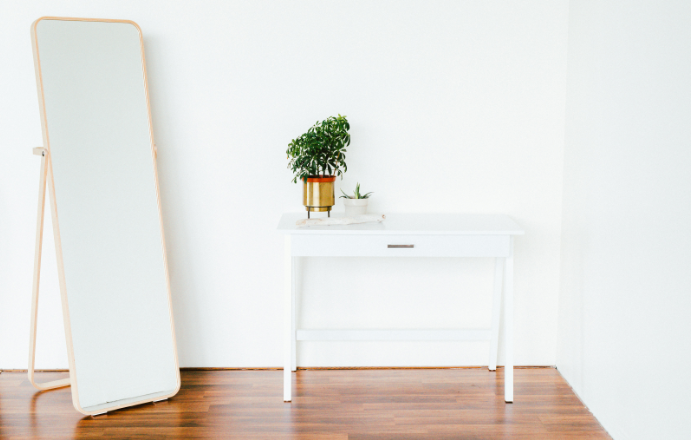
When choosing mirrors, consider their sizes and shapes. Large, wall-mounted mirrors often work best in small rooms, as they maximize reflectivity. A floor-length mirror can create height within the space, drawing the eye upward and making ceilings appear higher. Additionally, mirrors with decorative frames can contribute to the overall style of the room while providing the practical benefits of creating depth.
The placement of mirrors is crucial in achieving the desired effect. Positioning a mirror across from a window allows natural light to bounce around the room, thus brightening dark corners and enhancing the airy feel of the space. Similarly, placing a mirror in a narrow hallway can help to widen its appearance visually. Avoid placing mirrors where they reflect clutter or disarray; instead, make sure they reflect pleasant views to enhance the ambiance of the room.
Another effective approach is to utilize a series of smaller mirrors. These can be arranged in a gallery-style layout on a wall, creating interest while still reflecting light and space. Additionally, incorporating mirrors with different shapes can add a layer of dynamism to the design, breaking the monotony often found in small areas. Overall, the strategic use of mirrors can transform small spaces into visually appealing, spacious environments.
Maximizing Natural Light
Natural light plays a pivotal role in making small spaces appear more expansive. The abundance of natural light can create an open and airy atmosphere, tricking the eye into perceiving spaciousness where there might actually be constraints. Without adequate natural light, even a well-decorated small room can feel cramped and stifling.
To enhance light flow, consider the selection of window treatments carefully. Opting for sheer, lightweight curtains allows sunlight to flood in while still providing a degree of privacy. Such treatments enable a continual influx of bright, filtering light, which is essential for creating that spacious illusion. Additionally, mounting the curtains closer to the ceiling—or even extending them beyond the window frame—augments the windows’ height, giving an impression of taller ceilings and larger windows.
Moreover, strategically placing mirrors within your small space can significantly amplify the effects of natural light. Mirrors reflect light, bouncing it around the room and enhancing the overall brightness. Position a large mirror across from a window to maximize this effect, or use smaller mirrors in various areas, ensuring that they catch and reflect the incoming light.
Another effective tip includes maintaining a clutter-free environment by opting for a minimalist approach. This allows light to move freely and prevents the space from being overwhelmed by unnecessary furnishings. Choosing light-colored walls and decor can further complement this strategy, as lighter hues tend to reflect more light, thus further enhancing the sense of openness.
Lastly, consider incorporating glass elements such as coffee tables or shelving. These transparent materials enable light to flow naturally through the space, preventing any visual blockage and contributing to the overall openness.
Decluttering and Organization Tips
When navigating the challenges of small spaces, effective decluttering and organization can play a pivotal role in creating an illusion of increased size. The decision to adopt minimalism is often guided by the understanding that less is more; that is, the fewer items one has, the more spacious and serene the environment appears. Decluttering not only enhances the aesthetic appeal of a space but also contributes to a more functional living area.
One effective strategy for decluttering is the 30-day minimalism game, where participants eliminate a corresponding number of items from their space each day, gradually reducing clutter. This method can help individuals confront their possessions and make intentional decisions about what to keep and what to let go of. Regularly reassessing one’s belongings is essential, as it encourages a habit of maintaining only those items that genuinely serve a purpose or bring joy.
In addition to decluttering, thoughtful organization is crucial for optimizing small spaces. Implementing vertical storage solutions, such as wall-mounted shelves and hooks, can significantly free up floor space while showcasing decorative items. Using multifunctional furniture, like ottomans that double as storage units, can facilitate a tidy environment without sacrificing functionality.
Lastly, consider employing clear bins and labeled containers for easy access and orderly storage. This will contribute to a sense of clarity and organization, which effectively enhances the perception of space. By maintaining a tidy area, individuals can maximize the usability of their surroundings, making even the smallest of spaces feel more open and inviting. The combined efforts of decluttering and organization can fundamentally transform any compact living situation, making a remarkable difference in how space is perceived and utilized.
Vertical Space Utilization
When working with small spaces, the savvy utilization of vertical areas can dramatically enhance the perceived dimensions of a room. One efficient way to achieve this is through the implementation of shelving systems. By installing floating shelves or tall bookcases that reach toward the ceiling, one can create a visual flow that encourages the eye to move upwards, effectively drawing attention away from the room’s limited floor area.
Incorporating tall furniture pieces, such as slender armoires or vertical storage cabinets, also contributes to the impression of height. These pieces not only provide ample storage but also enhance the vertical lines within a room, supporting the goal of making the space feel larger. It is advisable to select furniture that does not take up unnecessary floor space, thus ensuring that the footprint remains as small as possible while still providing the necessary functionality.
Moreover, wall-mounted storage solutions, such as cabinetry or shelves, are excellent strategies for decluttering a small area. By elevating storage off the floor, one gains valuable space while promoting an organized environment. Consider integrating baskets or decorative boxes on shelves to maintain a visually appealing aesthetic while also enhancing storage capability. To complement these elements, painting walls in lighter colors or using vertical stripes can create a further illusion of height, harmonizing with the overall design approach.
In summary, effectively utilizing vertical space through strategic furniture arrangement and storage solutions can significantly impact the ambiance of small living areas. This approach not only maximizes the available square footage but also transforms a confined space into a more open and airy environment.
Creating Open Spaces
In the realm of interior design, the importance of open areas in small spaces cannot be overstated. These areas facilitate a sense of freedom and movement, making even the coziest of environments feel more expansive. By implementing strategic design principles, one can maximize the perception of space and create a harmonious living environment.
A key strategy in achieving open spaces is the thoughtful placement of furniture. Avoid clustering too many items in one area, as this can create a cramped atmosphere. Instead, opt for fewer, larger pieces that can serve multiple functions. For instance, a sofa bed or an ottoman with storage capabilities can keep clutter at bay while providing guests a place to sleep or sit. Arranging furniture away from walls can also create a sense of flow, inviting movement throughout the room.
In addition to furniture placement, area rugs play a critical role in defining space without creating barriers. Using large, continuous rugs can help visually unify different areas within a room, enhancing the feeling of spaciousness. Consider choosing rugs with light colors and simple patterns to draw the eye across the room rather than cutting it up into smaller segments.
Equally important is the maintenance of clear pathways. Ensure that there are unobstructed routes through the space, allowing for easy navigation and a feeling of openness. When people can move freely, the perception of size increases significantly. Keeping pathways clear of decorative items and furniture can enhance this effect.
Utilizing these design tips, such as strategic furniture placement, the careful selection of area rugs, and the maintenance of clear pathways can contribute significantly to creating an open space within a smaller environment. These elements work in tandem to promote flow and continuity, ultimately making a confined area feel more expansive and inviting.
Personal Touches Without the Clutter
In smaller living environments, it is essential to strike a balance between personal expression and maintaining a sense of open space. Introducing personal touches can enhance the aesthetics of a small area without creating a sense of overcrowding. One effective approach is to opt for multifunctional furniture that serves both a decorative and practical purpose. For example, a stylish ottoman can provide extra seating while also functioning as a storage unit, thereby eliminating the need for excess furniture.
Incorporating statement pieces can also add character without overwhelming the space. Consider selecting one or two focal art pieces, such as a painting or a uniquely designed sculpture, that reflect your personality and interests. When arranged strategically, these items can draw the eye upward or across the room, creating an illusion of greater depth and height.
Wall decor offers another opportunity to personalize without compromising space. A gallery wall, featuring a curated collection of framed photographs or artwork, can make a bold statement. When selecting frames, opt for those that complement each other or share a common aesthetic to maintain coherence while still showcasing variety. This cohesive display can charm visitors while allowing you to express yourself.
Moreover, thoughtful color choices play a significant role in enhancing small spaces. Light, neutral hues can make a room feel larger, while pops of color can be introduced through accessories like cushions, throws, or small decorative items. This way, you can convey your style without overwhelming the senses.
Ultimately, the key to enhancing a small space with personal touches lies in intentionality and moderation. By thoughtfully selecting items that serve a purpose while expressing your unique style, you can create an inviting environment that feels larger and more personalized.

