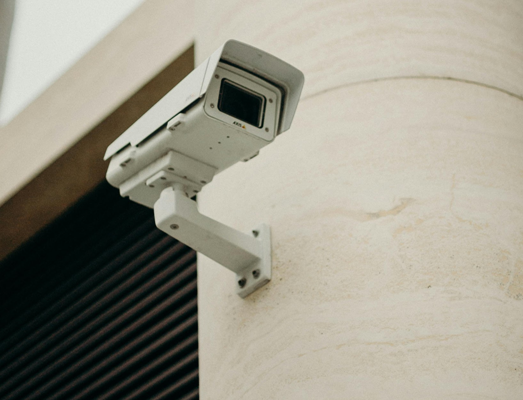
Integrated surveillance systems can support commercial properties by improving both security and operational efficiency. These systems combine cameras, access controls, alarms, and remote management platforms into a unified setup, allowing property managers to monitor diverse areas in real time and act quickly. As risks for commercial sites evolve, ranging from workplace safety incidents in loading docks to after-hours access by cleaning crews, integrated technology can help organizations detect threats and operational issues more effectively.
Commercial properties face risks that are different from those of residential sites, due to greater foot traffic, more frequent after-hours access, and the regular presence of temporary staff or contractors. For example, a multi-tenant office building may see dozens of after-hours deliveries each week, making it difficult to reliably identify who has entered or exited. Unlike homes, business properties frequently contend with multiple access points and higher turnover rates among employees and visitors. In these environments, the need for advanced monitoring goes beyond basic security.
The Complexity of Commercial Site Risk Factors
Commercial properties typically experience high volumes of pedestrian and vehicle traffic throughout the day and night. Multiple entrances, delivery bays, and shared spaces—like loading docks or lobby areas—present opportunities for unauthorized access or unnoticed incidents. For example, a shipping warehouse might miss the theft of a package from a shared loading dock if surveillance coverage is incomplete. These unpredictable conditions make property risks more complex compared with private residences.
Staff turnover and frequent contractor visits introduce further complexity. With new faces regularly on site, such as cleaning crews after hours or technicians responding to service calls, it can be difficult to monitor who is present and detect unusual behavior. Some organizations also use mobile monitoring options such as police surveillance trailers to extend coverage in temporary or high-risk areas, such as busy construction zones or large public events. Without robust oversight backed by real-time surveillance and access control integration, exceptions, such as a vendor entering a restricted area or a contractor bypassing normal sign-in procedures, may go unnoticed. Real-time integrated systems can help security teams identify these scenarios quickly and take appropriate action.
What Integrated Surveillance Means in Practice
An integrated surveillance system can connect security cameras with access control systems, alarms, lighting, and centralized monitoring platforms. This setup enables security teams to view real-time footage, track entry logs, and respond to alarms from a single interface. For instance, if an alarm is triggered at a rear service door, the team can immediately review footage and cross-reference access logs to determine if it was a legitimate entry attempt or a security issue.
Centralized visibility helps reduce blind spots and speeds up incident investigation timelines. For example, if an item goes missing from a storage room, synchronized video and access data can quickly narrow down the time and individuals involved. Video feeds, access logs, and alarm records are aligned to build precise timelines, and permission-based access policies ensure only authorized personnel can view or control sensitive zones, supporting accountability and compliance audits.
Advantages for Security and Daily Operations
Integrated surveillance can be a deterrent, as the visible presence of connected monitoring often discourages external theft or internal policy violations. In the event of an incident, especially while owners are away on business, such as unauthorized after-hours activity, security teams benefit from immediate alerts and documentation, since camera footage and access control logs are correlated. An example would be using recorded entry data and matching video to identify who accessed a server room after business hours.
Beyond traditional security, integrated systems allow managers to verify service calls, vendor compliance, and delivery schedules. For instance, a property manager can check whether a contracted maintenance crew arrived at the correct time and entered only permitted areas. These systems also support oversight in less frequented locations, such as vacant office suites or rooftop mechanical spaces, and can provide temporary monitoring in risk-prone zones using mobile solutions as part of a broader security response.
Additional operational benefits include improved documentation of workplace safety events, such as slip-and-fall incidents in shared corridors or unauthorized entries during shift changes. This documentation helps with insurance claims, regulatory requirements, and procedural reviews, such as resolving recurring traffic congestion in parking lots or monitoring the efficiency of loading dock operations.
Deployment Factors and Privacy Considerations
When implementing integrated surveillance in a commercial property, careful planning is needed for the placement of cameras in critical locations, such as main entrances, fire exits, and areas where goods are received or dispatched. For example, focusing coverage on a receiving area can verify that deliveries match invoices and reduce disputes with vendors. It is also important to establish clear retention policies for recorded footage and assign system access only to designated roles, helping support privacy standards and reduce the chance of unauthorized data use.
Reliability measures, like backup power supplies and redundant network connections, are key to maintaining monitoring during power outages or connectivity interruptions. To further ensure compliance and privacy, organizations should use signage to inform staff and visitors about surveillance, log access to system controls, and keep all camera angles focused only on areas required for legitimate business or safety reasons, in keeping with company policy and applicable regulations.

