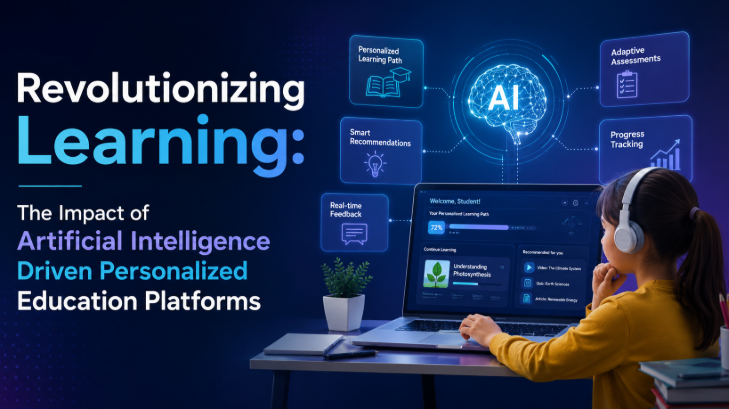
Introduction to Personalized Education
Personalized education is a transformative approach to learning that tailors educational experiences to meet the unique needs, preferences, and abilities of each student. Unlike traditional education methods, which often employ a standardized curriculum applicable to all students, personalized education emphasizes individualized learning pathways. This approach recognizes that each learner possesses distinct strengths, weaknesses, interests, and learning styles, and therefore requires different strategies to thrive academically.
At its core, personalized education is about adapting the educational environment and content to enhance students’ engagement and comprehension. Instead of following a one-size-fits-all methodology, personalized learning takes into account various factors such as a student’s pace of learning, specific interests, and preferred modes of instruction. This approach often leverages technology and artificial intelligence to create customized learning experiences that are both flexible and dynamic.
One of the key differences between personalized education and traditional education is the shift in focus from teaching to learning. In traditional classrooms, the instructor typically delivers content in a uniform manner, with little regard for individual student differences. Personalized education, in contrast, encourages a more student-centered model where learners take an active role in their educational journey. They gain the ability to set personal goals, track their progress, and adjust their learning strategies based on their specific needs.
Moreover, the importance of personalized education cannot be overstated, particularly in today’s diverse learning environments. By recognizing the varying backgrounds and experiences of students, personalized education fosters inclusion and equity, helping to eliminate barriers that some learners may face in conventional settings. Ultimately, the goal is to create a more effective and engaging learning experience that maximizes each student’s potential, paving the way for future academic and life success.
The Role of Artificial Intelligence in Education
Artificial intelligence (AI) is playing an increasingly vital role in revolutionizing education, offering tailored learning experiences that cater to individual student needs. One of the major contributions of AI in this domain is through adaptive learning algorithms. These algorithms personalize the educational process by analyzing students’ learning habits, strengths, and weaknesses. By adjusting the content and pace according to each learner’s requirements, adaptive learning systems can significantly enhance educational outcomes, ensuring that every student receives the appropriate support necessary to thrive.
Additionally, natural language processing (NLP) technologies, a subset of AI, assist students and educators in various capacities. For instance, NLP can enable conversational agents, or chatbots, that provide instant feedback on students’ questions, thereby facilitating continuous learning. Furthermore, these tools can analyze textual data, such as essays and reports, offering constructive feedback and insights on language use, structure, and coherence. This application not only helps in skill development but also fosters independence among learners, as they can access support anytime, anywhere.
Moreover, predictive analytics, another critical application of AI in education, empowers institutions to anticipate student performance and engagement levels. By processing historical data and identifying patterns, educational organizations can develop targeted interventions for at-risk students. These predictive models help in mitigating dropout rates and promote a more proactive approach to educational support, thereby fostering a more productive learning environment.
In summary, the integration of AI technologies such as adaptive learning algorithms, natural language processing, and predictive analytics into educational frameworks is revolutionizing how learning is approached and delivered. As these innovations continue to evolve, the potential for personalized education through AI appears limitless, promising a brighter future for learners everywhere.
Benefits of AI-Driven Personalized Learning Platforms
Artificial intelligence (AI) is playing a transformative role in education by fostering personalized learning experiences that cater to the unique needs of each student. One of the primary benefits of AI-driven personalized learning platforms is enhanced engagement. With tailored content and interactive activities designed to match individual preferences and learning styles, students are more likely to remain focused and motivated. This intrinsic motivation significantly improves their overall experience and enthusiasm towards learning.
Another significant advantage is the potential for improved learning outcomes. AI technology can analyze vast amounts of data to identify patterns in student performance. This analysis allows educators to gain insights into a learner’s strengths and weaknesses, enabling the development of customized instructional strategies that lead to better academic results. Personalized feedback generated by these systems can also help students understand their progress and identify areas needing improvement, thereby driving mastery of subject matter.
Individualized pacing is an essential feature of AI-driven education platforms. Unlike traditional learning environments where pacing is often determined by the curriculum or class schedule, AI can adapt to the learning speed of each student. This flexibility ensures that students can take the time necessary to grasp complex concepts thoroughly, while also allowing advanced learners to progress quicker, enriching their educational journey.
Furthermore, AI learning technologies effectively address diverse learning needs. Every learner has a distinct combination of abilities, backgrounds, and challenges. AI-driven solutions can offer differentiated resources, including visual aids, interactive simulations, and additional support for students needing extra assistance. This inclusivity ensures that every student has access to the educational tools necessary for their success, regardless of their initial skill level.
Key Features of AI-Powered Education Platforms
Artificial intelligence has drastically transformed traditional educational frameworks by integrating personalized learning experiences through advanced technology. One significant characteristic of AI-powered education platforms is their data analytics capabilities. These platforms collect and analyze vast amounts of student data to provide insights into learning patterns, strengths, and weaknesses. This analytical approach ensures that educational content can be tailored precisely to meet the unique needs of each learner, promoting more effective and engaging learning processes.
Another critical feature is the real-time feedback mechanisms, which allow students to receive immediate responses to their performance. With the help of AI, students can understand their mistakes and correct them promptly, a factor that enhances retention and understanding of the material. Additionally, educators can utilize these insights to adjust their teaching strategies, providing targeted support where necessary, ultimately maximizing student outcomes.
A user-friendly interface is also a fundamental aspect of AI-driven personalized education platforms. Such interfaces facilitate intuitive navigation and engagement, making education more accessible and less intimidating for learners of all ages and backgrounds. An effective interface ensures that users can easily access various learning materials, track their progress, and interact with peers or educators, enhancing the overall learning experience.
Finally, the integration with various educational resources ensures that learners have a holistic and comprehensive educational experience. AI-powered platforms can connect with a multitude of external resources, including e-books, videos, simulation tools, and even online tutoring services. This comprehensive integration allows students to explore subjects from multiple perspectives, enriching their understanding and fostering an environment conducive to lifelong learning.
Case Studies: Successful Implementation of AI in Education
The integration of artificial intelligence in education has shown remarkable potential in enhancing the learning experience, as evidenced by various successful implementations across different platforms. One notable example is Knewton, a personalized learning platform that uses AI algorithms to assess student performance and tailor educational content accordingly. By analyzing data from millions of learners, Knewton creates customized learning paths that adapt in real-time to each student’s needs, significantly improving their retention rates and academic performance. Schools implementing Knewton reported up to a 20% increase in student engagement and a marked improvement in exam scores.
Another prominent case is Duolingo, a popular language learning application that employs AI to enhance its instructional methods. Through adaptive learning techniques, Duolingo personalizes its curriculum based on user proficiency and learning speed. Statistical analyses reveal that users who engaged with Duolingo for 34 hours achieved scores equivalent to a semester of college-level classroom instruction. User testimonials frequently highlight the platform’s ability to keep learners motivated, demonstrating how AI not only personalizes lessons but also optimizes the overall user experience.
Furthermore, a study conducted in a pilot program at Georgia State University utilized an AI chatbot to provide students with real-time advice and support about course selections and academic issues. This initiative lowered the dropout rate by 17% among incoming freshmen, showcasing the effectiveness of AI in improving student retention through enhanced accessibility and support. Students reported feeling more connected and assisted due to the seamless nature of AI-driven interactions.
These examples illustrate the profound impact artificial intelligence has on educational platforms, yielding measurable positive outcomes for both students and institutions. The ability to tailor educational experiences not only fosters individual learner success but also strengthens the overall educational ecosystem.
Challenges and Limitations of AI in Education
While artificial intelligence (AI) holds transformative potential for personalized education, various challenges and limitations impede its full implementation. One primary concern is data privacy. With the accumulation of vast amounts of student data necessary to power AI algorithms, there exists a significant risk of unauthorized access and breaches. The safeguarding of personal information is crucial, as breaches can lead to identity theft and undermine trust in educational platforms.
In addition to data privacy, the issue of the digital divide remains a prominent challenge. Not all students have equal access to technology, which creates disparities in educational opportunities. Students from underprivileged backgrounds may lack reliable internet connections or access to devices, reducing the effectiveness of AI-driven platforms. Thus, while AI can tailor learning experiences for those with access, it may inadvertently widen the educational gap for those without.
Moreover, the reliance on AI in educational contexts raises the critical question of human oversight. AI systems are designed to analyze data and produce outcomes, but they lack the emotional intelligence and contextual understanding a human educator provides. There are fears that over-dependence on AI may lead to a diminished role for teachers, who are essential in providing mentorship and support. Furthermore, the decisions made by AI systems can sometimes reflect biases due to flawed data inputs, necessitating human intervention to ensure fairness and inclusivity in educational practices.
Tackling these challenges is vital for the successful integration of AI in education. Stakeholders must collaborate to establish clear data privacy regulations, bridge technology gaps, and ensure that human educators remain at the forefront of the learning experience. Recognizing and addressing these limitations will be crucial in harnessing the power of AI to foster an equitable and effective educational environment.
The Future of AI and Personalized Learning
The integration of Artificial Intelligence (AI) within educational systems is poised to transform the landscape of learning experiences. As technology continues to evolve, we can anticipate several emerging trends that will shape how personalized education platforms operate and interact with learners. Firstly, the customization of learning paths will become more sophisticated. Future AI-driven platforms will leverage vast amounts of data to tailor curriculum recommendations, ensuring each learner receives the content that aligns with their unique learning style and pace.
Moreover, adaptive learning technologies will become increasingly prevalent, allowing for real-time adjustments based on student feedback and performance metrics. As these systems learn from individual usage patterns, they will optimize learning materials, thereby creating a more engaging environment for students. This could result in a significant shift in student assessments, moving away from traditional examinations to more dynamic evaluation methods that reflect ongoing learning processes.
Notably, educators must prepare to adapt to these advancements in order to facilitate effective integration of AI in their teaching methods. Professional development and training focused on technology integration and data analysis are essential to equip educators. Collaboration between educators and technology developers will also be crucial in designing platforms that genuinely enhance learning outcomes.
As AI continues to evolve, the potential for improved accessibility in education is significant. Personalized platforms could break down barriers for learners with diverse needs or those requiring alternative learning methods. This ensures a more equitable educational experience, allowing all students to thrive.
In conclusion, the future of AI in personalized learning holds immense possibilities. By embracing emerging technologies and adapting current practices, educators can significantly impact student learning achievements, ultimately redefining the educational landscape for generations to come.
Best Practices for Implementing AI in Education
As educational institutions contemplate the integration of artificial intelligence (AI) into their learning environments, it is essential to adopt a structured approach to ensure effective implementation. A central aspect is the training of educators, which must be prioritized to equip them with the necessary skills to engage with AI-driven personalized learning platforms. This training should encompass not only technical know-how but also pedagogical strategies that align with the functionalities of AI tools. Effective professional development programs can empower teachers to leverage AI, thus enriching the learning experiences offered to students.
In addition to teacher training, it is crucial to involve all stakeholders, including administrators, parents, and the students themselves, in the decision-making process regarding AI initiatives. Their perspectives can promote a sense of ownership and commitment to the integration of these technologies. By hosting forums or workshops, institutions can provide a platform for dialogue, allowing concerns and expectations to be addressed collaboratively. Ensuring that stakeholders understand the benefits and limitations of AI in education facilitates a smoother transition and minimizes resistance to change.
Moreover, ongoing assessment is vital for refining AI applications within the educational framework. Institutions should establish metrics to measure the impact of AI-driven solutions on student outcomes and engagement. Regular evaluations allow for continuous feedback, enabling educators to fine-tune their approach and maximize the effectiveness of personalized learning. Leveraging analytics from AI platforms can guide adjustments, ensuring that educational strategies remain responsive to the evolving needs of students.
In essence, implementing AI in education is not merely a technical upgrade; it necessitates a comprehensive approach encompassing training, stakeholder involvement, and regular assessment. By following these best practices, educational institutions can enhance the learning environment, ultimately leading to improved educational outcomes through personalized learning.
Conclusion: The Transformative Potential of AI in Education
The integration of Artificial Intelligence (AI) into educational frameworks represents a significant shift in how learning experiences are delivered and personalized. Throughout this discussion, we have explored the myriad ways AI-driven platforms can not only enhance educational experiences but also cater to the unique needs of individual learners. With AI technologies, educational institutions have the ability to provide tailored learning paths, optimized instructional strategies, and efficient assessment methods.
One of the most profound impacts of AI in education is its capacity to create personalized learning environments. By analyzing student data, AI systems can identify specific strengths and weaknesses, thereby allowing educators to develop customized lesson plans that adapt to various learning styles. This ensures that every student engages with content that is most relevant to their academic journey, fostering higher retention and better comprehension. Furthermore, these platforms promote inclusivity, providing resources that cater to learners with disabilities and those requiring additional support.
The potential of AI-driven personalized education extends beyond individual learning. It also empowers educators by automating administrative tasks, providing data-driven insights, and facilitating collaborative learning environments. As teachers are freed from routine tasks, they can concentrate on what truly matters: inspiring and guiding their students through their educational voyage. Thus, the role of the educator evolves, shifting towards a mentorship model that emphasizes critical thinking and creativity.
In conclusion, the transformative potential of AI in education is both profound and promising. By embracing AI-driven personalized education platforms, we pave the way for a more effective, engaged, and inclusive educational landscape. The ongoing development and integration of these technologies will undoubtedly shape the future of learning, equipping students with the necessary tools to succeed in an ever-evolving world.

