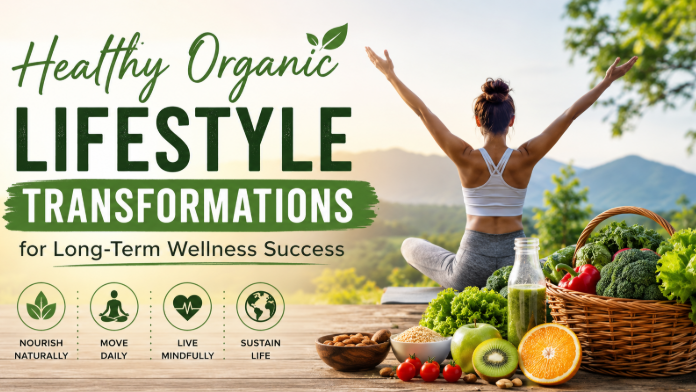
Understanding the Concept of an Organic Lifestyle
An organic lifestyle represents a holistic approach to living that prioritizes health, sustainability, and environmental consciousness. This way of life is centered around the principles of organic food consumption, the use of natural products, and the implementation of sustainable practices in daily routines. At its core, an organic lifestyle encourages individuals to choose organic options over conventional ones, fostering a deeper connection with nature and promoting overall well-being.
Organic food consumption is a fundamental aspect of this lifestyle. Foods labeled as organic are grown without the use of synthetic pesticides, fertilizers, or genetically modified organisms (GMOs). Instead, organic farming emphasizes crop rotation, natural composting, and the use of beneficial insects to manage pests. By opting for organic foods, consumers reduce their exposure to harmful chemicals and support farming practices that promote biodiversity and soil health.
In addition to dietary choices, an organic lifestyle extends to the products we use in our homes and personal care routines. Natural and sustainably sourced products, such as eco-friendly cleaning supplies and personal care items free from synthetic additives, are preferred. This emphasis on natural ingredients aligns with the goal of minimizing harm to the environment and reducing our carbon footprint. Moreover, individuals are encouraged to adopt practices such as recycling, reducing waste, and using energy-efficient appliances.
Choosing an organic lifestyle not only benefits individual health but also contributes to the welfare of the planet. By understanding and embracing the various components of organic living, individuals can initiate a transformative journey toward long-term wellness. This foundational knowledge sets the stage for more significant lifestyle transformations, enabling a more conscious and intentional way of living that harmonizes with nature.
The Health Benefits of Living Organic
Embracing an organic lifestyle offers a multitude of health benefits, primarily stemming from a commitment to consume unadulterated food, cultivated without synthetic pesticides or chemicals. One of the most compelling benefits of organic produce is its enhanced nutritional profile. Research indicates that organic fruits and vegetables often contain higher levels of antioxidants, vitamins, and minerals than their conventionally grown counterparts. For example, a study published in the British Journal of Nutrition found that organic crops had, on average, 60% higher levels of antioxidants, which are essential for combating oxidative stress and reducing the risk of chronic diseases.
In addition to improved nutrition, organic foods contribute to better digestive health. The absence of artificial additives and preservatives in organic products minimizes the risk of digestive issues such as bloating, gas, and digestive discomfort often associated with conventional food. Organic foods are typically higher in fiber content, which supports gut health and promotes regular bowel movements.
Furthermore, transitioning to an organic lifestyle significantly reduces exposure to harmful pesticides and chemicals. Numerous studies have associated high pesticide exposure with various health problems, including hormonal imbalances and an increased risk of certain cancers. By choosing organic, consumers mitigate these risks, promoting long-term health and wellness. The Environmental Working Group (EWG) emphasizes that organic farming not only benefits individual health but also supports environmental health, contributing to ecological sustainability.
Finally, an organic lifestyle can enhance mental well-being. A diet rich in nutrient-dense organic foods has been linked to improved mood and cognitive function. Consuming fresh, organic produce can lead to better energy levels and mental clarity, fostering overall emotional stability. By incorporating organic foods into daily meals, individuals can cultivate a holistic approach to health that uplifts both the body and the mind.
How to Start Your Organic Lifestyle Journey
Embarking on the journey towards an organic lifestyle necessitates careful consideration and strategic planning. Firstly, it is essential to assess your current habits regarding food and lifestyle choices. Take a moment to evaluate what you consume regularly and where your food is sourced from. This self-assessment will provide insights into the areas that require change and help identify your motivations for transitioning to organic options.
Setting realistic goals is crucial in creating a sustainable and effective plan for your organic lifestyle. Begin with small and manageable objectives, such as incorporating a few organic products into your shopping list per week. As you gain confidence, gradually expand your commitment by substituting conventionally grown produce with organic varieties. Document your process and any changes to your health or well-being, as this can serve as motivation and highlight the benefits of your new lifestyle.
Creating a plan for gradual transitions will ensure a smoother shift, enabling you to adjust without feeling overwhelmed. Consider dedicating one meal per day to organic foods, thereby simplifying the integration process. For instance, you might choose to make your breakfast entirely organic, using ingredients such as organic eggs, fruits, and whole grains. This deliberate approach allows you to enjoy the benefits of organic nutrition while still maintaining your regular eating patterns.
Incorporating organic foods into everyday meals can also be expanded through simple enhancements. Opt for organic snacks, beverages, and personal care products. Explore local farmers’ markets or organic grocery stores to discover a variety of food options. Engaging in meal planning can help you stay organized and prepare wholesome organic meals efficiently, ultimately leading to a healthier lifestyle overall. By taking these steps, you will be well on your way to embracing a fulfilling organic lifestyle that supports long-term wellness.
Choosing Organic: Food, Products, and Beyond
In a world where maintaining a healthy lifestyle is paramount, the decision to choose organic products can significantly impact long-term wellness. Organic refers not only to food but extends to personal care and household items as well, ensuring that you minimize exposure to harmful chemicals while promoting a sustainable environment. When selecting organic food, it is crucial to pay attention to certification labels such as USDA Organic, which guarantees that the products meet specific standards in organic farming practices. Other labels to look for include the Non-GMO Project Verified label, which indicates that the product is free from genetically modified organisms.
When grocery shopping, it is advisable to prioritize seasonal and locally sourced organic produce. This practice not only supports local farmers but also enhances the freshness of the food you consume. Farmers’ markets can be a great resource for finding organic fruits and vegetables, often at competitive prices compared to traditional grocery stores. Planning meals ahead of time and creating a shopping list can help maintain focus and reduce impulse buys, which isessential for your budgeting strategy in transitioning to organic. Additionally, buy in bulk where possible to save costs on staples like grains and legumes while ensuring you have a reliable supply of healthy organic options.
Personal care products deserve equal attention. Look for organic skincare and haircare items that are free from synthetic fragrances and harmful chemicals. Certifications such as COSMOS Organic or EcoCert can help identify genuine organic products, promoting healthier choices for your body. For household items, opting for environmentally friendly cleaning supplies and organic cotton textiles not only supports your health but also contributes to a reduced ecological footprint.
Overcoming Challenges in Adopting an Organic Lifestyle
Transitioning to an organic lifestyle is a commendable choice that can foster long-term wellness. However, several common obstacles may impede individuals from fully realizing this transformation. One predominant challenge includes cost concerns. Organic products often come with a higher price tag compared to conventional counterparts, which can deter individuals from making the switch. To mitigate this, it is beneficial to explore local farmer’s markets, where organic produce is frequently available at competitive prices. Additionally, purchasing in bulk or seeking out community-supported agriculture (CSA) initiatives can offer substantial savings over time.
Another significant hurdle is accessibility. In some regions, finding organic products can be challenging, especially in rural areas where markets are less diversified. To combat this, individuals can utilize online platforms that connect consumers with local organic suppliers. These platforms often include home delivery services that enhance accessibility, ensuring that organic food can reach a broader audience.
Information overload is also a frequent issue faced by those endeavoring to adopt an organic lifestyle. With a plethora of resources available online, newcomers may feel overwhelmed by the vast amount of conflicting information. Joining online support groups and forums can provide a supportive network that simplifies the transition process. These groups often share tips, resources, and personal experiences, creating a sense of community that can make the journey less daunting.
Ultimately, addressing these challenges requires a proactive approach. By leveraging local resources, engaging with community initiatives, and fostering connections with like-minded individuals, anyone can successfully navigate the complexities associated with adopting an organic lifestyle. This empowers individuals not only to improve their personal health but also to contribute to a broader movement towards sustainable living.
The Role of Mindfulness in Organic Living
Mindfulness is an essential practice that complements the principles of organic living, fostering a deeper connection between individuals and their food, environment, and lifestyle choices. By embracing mindfulness, individuals can make more informed decisions about the food they consume, ensuring it aligns with their health goals and ethical standards. Mindful eating encourages individuals to savor each bite, appreciate the flavors and textures of organic produce, and recognize the nourishment it provides to the body. This awareness not only improves the eating experience but also promotes healthier food choices, as people become more attuned to their bodies’ needs and hunger cues.
In addition to food choices, mindfulness extends to sustainable practices that are crucial for organic living. Individuals who practice mindfulness are more likely to engage in eco-friendly behaviors, such as reducing waste, conserving resources, and supporting local farmers. By being present and aware of the impact of their actions, they can cultivate habits that support both personal health and the well-being of the planet. This connection between one’s lifestyle and environmental sustainability can enhance a sense of purpose, making the adoption of organic practices more fulfilling.
To incorporate mindfulness into daily routines, individuals can start by dedicating a few moments each day to reflect on their choices. Simple actions, such as journaling about food intake or practicing gratitude for fresh, organic meals, can foster a deeper appreciation for the benefits of an organic lifestyle. Additionally, engaging in mindful activities like yoga or meditation can enhance overall well-being, aiding in stress reduction and promoting a balanced mindset. By integrating mindfulness into their day-to-day activities, individuals can experience its profound effects on health, happiness, and the embodiment of a truly organic lifestyle.
Success Stories: Transformations through Organic Living
The path to wellness is often paved with personal stories that inspire change. For many, adopting an organic lifestyle has been a transformative journey that reshaped not only their health but also their overall outlook on life. One notable story comes from Sarah, a busy professional who struggled with chronic fatigue and digestive issues. After learning about the benefits of organic foods, she decided to make a change. Transitioning to an organic diet, rich in whole foods free from pesticides and synthetic additives, led to a remarkable improvement in her energy levels and well-being. Her story highlights how organic living can serve as a catalyst for positive change.
Similarly, James, a father of two, faced concerns about his children’s health in the age of processed foods and environmental toxins. Determined to cultivate a healthier environment, he gradually incorporated organic products into their daily lives. By choosing organic fruits and vegetables, he discovered not only a reduction in allergy symptoms among his children but also an increase in their willingness to try new foods. His experience illustrates how empowering parents to opt for organic choices can lead to lifelong healthy habits for their children.
Another inspiring tale is that of Emily, who used to rely on fast food and sugary snacks to cope with a demanding college lifestyle. After noticing significant weight gain and declining mental health, she took the initiative to explore organic options. Embracing meal prepping with organic ingredients, she not only lost weight but also gained a newfound appreciation for cooking and nutrition. Emily’s journey reflects the transformative power of organic living, providing a template for others seeking balance amidst hectic schedules.
These narratives demonstrate that the journey toward an organic lifestyle can take many forms, reflecting individual challenges and motivations. Each transformation story serves as a reminder of the numerous pathways to wellness, encouraging readers to embark on their organic journey with confidence and determination.
Maintaining Long-Term Commitment to an Organic Lifestyle
Embracing an organic lifestyle is a significant commitment, one that extends beyond immediate dietary choices to encompass a broader way of living. For many, the initial enthusiasm can wane over time, making it essential to develop enduring habits that support this lifestyle. Consistent motivation is crucial, as it enables individuals to stay on course with their organic values.
Building a supportive community is one effective strategy for maintaining commitment. Engaging with like-minded individuals can foster a sense of accountability, while also providing encouragement along the journey. This community can be formed through social media groups, local meet-ups, or organic living workshops. Being surrounded by individuals who share similar goals not only uplifts spirits but also inspires ongoing learning and adaptation.
Another useful technique is the implementation of reminders. Setting up visual cues, such as notes in one’s kitchen or reminders on mobile devices, can help reinforce the lifestyle choices aligned with organic living. Whether it is shopping for organic produce or choosing eco-friendly products, these reminders serve as daily nudges to stay committed to one’s health and environmental goals.
Education plays a pivotal role in sustaining long-term commitment to an organic lifestyle. Continuously seeking knowledge about the benefits of organic living, new sustainable practices, and emerging trends within the organic community can inspire individuals to remain engaged. Reading books, following credible blogs, and attending webinars can be tremendous resources for learning.
In conclusion, by fostering a supportive community, utilizing reminders, and prioritizing education, individuals can cultivate a long-term commitment to an organic lifestyle, ultimately leading to lasting wellness success.
Future Trends in Organic Living and Wellness
The landscape of organic living is continually evolving, with new trends emerging that have the potential to significantly impact individual wellness in the coming years. As awareness of the benefits of a healthy lifestyle increases, advancements in organic farming techniques are likely to play a pivotal role. Innovative practices, such as vertical farming and aquaponics, are expected to make organic produce more accessible while minimizing environmental footprints.
In addition to enhanced farming methods, we are witnessing the rise of sustainable products that align with organic living principles. Consumer demand for eco-friendly packaging and ethically sourced ingredients is driving brands to adopt sustainable practices. This shift not only supports a healthy organic lifestyle but also encourages a circular economy, which seeks to reduce waste and promote resource conservation. As new sustainable products enter the market, consumers will have increased options to incorporate organic goods into their daily routines.
Moreover, holistic health approaches are gaining traction, with an emphasis on integrating physical, mental, and spiritual well-being. Practices such as mindfulness, yoga, and herbal therapies are becoming commonplace, complementing dietary choices that focus on organic foods. This comprehensive approach to wellness recognizes the interconnectedness of body and mind, setting a foundation for more effective health management strategies in the future.
As we look ahead, it is essential for individuals to stay informed about these emerging trends in organic living and wellness. By being proactive and adapting to new changes, one can enhance their journey towards long-term health. Engaging with community-supported agriculture (CSA) programs, participating in local organic markets, and following advancements in nutritional science will help individuals remain at the forefront of the organic living movement. Ultimately, embracing these innovations can lead to a more sustainable and health-conscious society.

