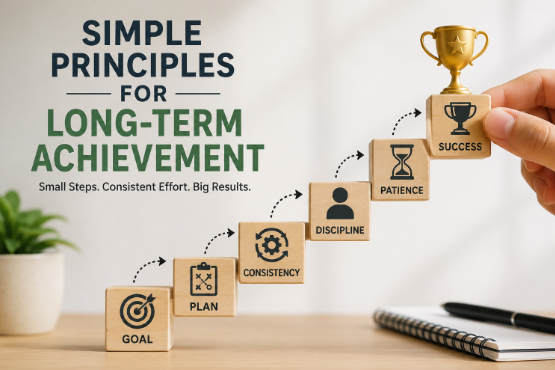
Understanding Long-Term Achievement
Long-term achievement refers to the ability to set and reach goals that extend beyond immediate or short-term results, often encompassing a timeline of several years or even decades. This concept is significant because it encourages individuals to envision their future and focus on objectives that demand dedication, planning, and perseverance. In personal and professional contexts, long-term achievement fosters resilience and a sense of purpose, enabling individuals to work systematically towards meaningful aspirations.
In contrast to short-term goals, which may yield quick wins and immediate gratification, long-term aspirations require consistent effort and a willingness to adapt to challenges. Short-term accomplishments can boost morale and create momentum, but they do not necessarily contribute to sustained success. Long-term achievement is about creating a foundation for growth and fulfillment, gradually building on the lessons learned and experiences gained along the way. Such an approach often involves extensive planning, as well as strategic thinking to identify the steps necessary to reach broader goals.
Focusing on the long-term is crucial for sustained success because it encourages individuals to cultivate habits and structures that support their journey. When people concentrate exclusively on short-term results, they may overlook the value of patience, resilience, and ongoing learning. Embracing a long-term perspective allows for a deeper understanding of one’s skills, strengths, and areas for improvement. It encourages individuals to align their daily actions with their overarching goals, paving the way for more meaningful success over time.
The Power of Goal Setting
Goal setting is a pivotal practice in the pursuit of long-term achievement, acting as a foundational framework that guides individuals toward their aspirations. The importance of establishing goals cannot be overstated, particularly when employing the SMART criteria: Specific, Measurable, Achievable, Relevant, and Time-bound. This structured approach enables individuals to clearly define their objectives, ensuring that the path to accomplishment is not only visible but also attainable.
Specificity in goal setting helps to sharpen focus; instead of vague intentions, individuals articulate precise targets that steer their efforts in a clear direction. For example, stating a desire to “improve fitness” is less effective than committing to “exercise for 30 minutes, five days a week.” This level of detail delineates the actions required and sets the stage for measurable outcomes, which are critical for tracking progress.
Measurable goals provide tangible milestones that can be monitored over time. This process allows for the evaluation of advancement and the opportunity to celebrate small victories along the way, fostering motivation and reinforcing commitment. The achievable aspect encourages individuals to set realistic goals that avoid the pitfalls of overwhelming ambition, which can lead to burnout and discouragement. Goals must be challenging yet attainable, promoting a healthy degree of stretch.
The relevance of each goal to one’s broader life objectives ensures that efforts remain aligned with personal values and long-term aspirations. Finally, establishing a time frame instills a sense of urgency and prioritizes actions. Deadlines encourage consistency and accountability, vital components of successful goal attainment.
In essence, goal setting serves as a powerful mechanism for paving the way to long-term success. By adopting the SMART framework, individuals position themselves not only to achieve their desired outcomes but to flourish personally and professionally.
Consistency Over Intensity
In the pursuit of long-term achievement, the principle of consistency is paramount. Unlike short-lived bursts of effort that may yield immediate results, a steady, persistent approach often leads to sustainable progress and greater outcomes over time. This is especially true in various fields, whether it be in sports, personal development, or professional endeavors. Rather than depleting one’s energy in sporadic spurts, cultivating a routine of incremental improvements can significantly enhance performance and lead to mastery.
Research has shown that individuals who adopt a consistent practice schedule are more likely to experience long-lasting results. For instance, athletes who train regularly, even at a lower intensity, tend to perform better than those who engage in intense, irregular training sessions. This steady commitment not only improves skills but also fosters resilience and discipline. When engaged in a consistent practice, individuals embody a mindset of ongoing growth, allowing them to tackle setbacks more effectively and maintain motivation over the long haul.
The psychological benefits of consistency should not be underestimated. Establishing a routine can foster a sense of security and purpose, which is essential for maintaining motivation. When individuals witness their ongoing efforts lead to gradual improvements, their confidence increases, reinforcing their commitment to their goals. Additionally, a consistent approach can reduce the stress associated with the pressure to perform at high levels during sporadic efforts, creating a more enjoyable and sustainable path to achievement. Over time, the compounding effects of consistency can lead to significant transformations, demonstrating that slow and steady truly does win the race.
Developing a Growth Mindset
A growth mindset is a fundamental aspect of long-term achievement and personal development. It refers to the belief that abilities and intelligence can be developed through dedication, hard work, and constructive feedback. In contrast, a fixed mindset holds that intelligence and talents are static and unchangeable, leading to a reluctance to take risks or learn from failure. Embracing a growth mindset can significantly enhance one’s capacity to adapt and thrive in various circumstances.
One crucial benefit of fostering a growth mindset is resilience. Individuals who believe they can grow and improve are more likely to persevere in the face of setbacks. Instead of viewing failures as insurmountable obstacles, they approach challenges as opportunities for learning and development. This perspective not only builds mental toughness but also encourages a proactive attitude towards overcoming difficulties. With resilience comes the ability to maintain focus on long-term goals despite short-term setbacks.
Moreover, cultivating a growth mindset fosters a continuous learning culture. This involves seeking out new knowledge, skills, and experiences, which is vital in an ever-evolving world. Individuals with this mindset actively pursue opportunities for self-improvement and are more open to constructive criticism. Such an approach lays the foundation for ongoing personal and professional development, critical to achieving long-term success.
In the context of achievement, recognizing that learning is a lifelong journey allows individuals to see value in every experience. The willingness to embrace challenges, to learn from mistakes, and to persist through difficulties creates a powerful pathway towards one’s ambitions. By adopting a growth mindset, both individuals and organizations can unlock their full potential, leading to sustained achievement over time.
Creating Supportive Habits
Developing effective habits is essential in the journey toward long-term achievement. Habits have a significant influence on daily behaviors and, consequently, on our ability to reach our desired goals. Positive habits lay the groundwork for success, while negative habits can derail progress. To establish habits that support personal and professional aspirations, one must begin by identifying specific goals and the behaviors that can help attain them.
First, it is important to define what supportive habits look like in the context of your goals. If, for instance, the aim is to maintain physical fitness, supportive habits may include regular exercise and balanced nutrition. On the other hand, if the goal is centered around career advancement, developing habits such as networking, continuous learning, or enhancing productivity can be beneficial.
Once supportive habits are established, the next step is focusing on consistency. Consistency reinforces habits, making them a natural part of daily life. To ensure adherence, one may employ techniques such as habit stacking, where a new habit is paired with an existing one, or setting up reminders that trigger the desired behavior. Tracking progress through journaling or digital applications can also cultivate accountability while motivating further development.
Conversely, breaking negative habits is just as crucial in the pursuit of long-term achievement. Recognizing triggers is the first step to dismantling these habits. By understanding the cues that lead to undesired behavior, individuals can modify their environment or responses to minimize engagement in these habits. Substituting negative habits with positive ones can help as well; for example, replacing procrastination with structured time management strategies fosters a more productive mindset.
In conclusion, creating supportive habits while breaking detrimental ones is fundamental for sustaining long-term achievement. By aligning daily actions with broader goals, individuals set themselves on a path toward enduring success.
Embracing Failure and Learning From It
In the pursuit of long-term achievement, it is crucial to acknowledge that failure is an inherent component of the journey. Rather than viewing failure as a definitive end, it should be considered a stepping stone to growth and improvement. Embracing failure allows individuals to cultivate resilience and fortitude, crucial traits for navigating life’s many challenges. When one experiences setbacks, the first step should be to analyze the circumstances that led to the failure. By conducting a thorough self-reflection, learners can pinpoint what worked, what did not, and why. Such analyses pave the way for a deeper understanding of personal strengths and weaknesses.
Moreover, it is beneficial to adopt a growth mindset, which posits that abilities and intelligence can be developed through dedication and hard work. This perspective encourages an appreciation for the learning that arises from failures, rather than a sense of discouragement. Individuals should actively seek feedback from peers or mentors, as this can provide valuable external insights into areas for improvement. Engaging in constructive conversations about failure promotes a culture of openness and learning.
Additionally, to foster a culture of learning from failure, setting achievable goals can serve as a practical strategy. By breaking larger objectives into smaller, manageable tasks, individuals can experience incremental successes that build confidence and motivation. This not only minimizes the impact of potential failures but also enhances the learning experience associated with a setback.
Ultimately, embracing failure as part of the pathway to achievement equips individuals with the resilience and insights necessary for long-term success. By reflecting on failures and integrating the resulting lessons into future endeavors, one can transform pitfalls into powerful catalysts for personal and professional growth.
The Role of Continuous Learning
Continuous learning is vital for achieving long-term success in any endeavor. In an ever-evolving world, where technologies advance and industries undergo constant transformation, remaining curious and committed to lifelong education is crucial. Seeking new knowledge not only enhances one’s skills but also fosters innovation, allowing individuals to adapt to changes and maintain relevance in their fields.
Curiosity acts as the driving force behind continuous learning. It leads individuals to explore beyond their current skill set and to seek insights from a variety of sources. This process includes reading books, attending workshops, participating in seminars, and engaging with mentors. The pursuit of knowledge enhances an individual’s ability to make informed decisions and solve problems effectively, which is essential for long-term achievement.
Moreover, seeking new knowledge encourages adaptability. In times of change, those who embrace learning are better equipped to shift their strategies, innovate, and overcome obstacles. For instance, professionals who stay updated with industry trends and emerging technologies can adjust their approaches and remain competitive. Therefore, investing time in learning is not merely an option; it is a necessity for sustained success.
Additionally, learning fosters resilience. Continuous improvement through education helps individuals develop a growth mindset, where challenges are viewed as opportunities for growth rather than as deterrents. This mindset is instrumental in navigating setbacks and maintaining motivation over the long term. Consequently, prioritizing learning not only contributes to skill enhancement but also to personal growth and determination.
In conclusion, embracing continuous learning is essential for achieving long-term goals. By cultivating curiosity, adapting to changes, and fostering resilience through education, individuals position themselves for enduring success in their personal and professional lives.
Building a Supportive Network
Surrounding oneself with a supportive network is a fundamental aspect of achieving long-term success. Individuals who aim for significant accomplishments must connect with like-minded individuals who inspire and motivate them. These connections can be found in various forms, such as friendships, professional relationships, and mentorships. Each of these relationships plays a vital role in fostering personal and professional growth.
Mentorship is particularly valuable in this context. A mentor offers guidance, support, and feedback based on their experiences, which can be invaluable for someone navigating their path toward success. Having a mentor can facilitate accelerated learning, as it allows individuals to learn from the mistakes and successes of others. This wisdom can help mentees avoid common pitfalls and identify strategies to reach their goals more effectively.
Collaboration with others can also enhance the journey to long-term achievement. Working alongside peers or colleagues allows for the exchange of ideas, skills, and resources. Collaborative projects can lead to innovative solutions that might not arise when working in isolation. Further, collaboration cultivates a sense of accountability, as individuals are often more motivated to meet their commitments when they are part of a team.
Community involvement is another essential aspect of building a supportive network. Engaging with a community of like-minded individuals can provide access to diverse perspectives, support systems, and opportunities for growth. Such environments encourage sharing, learning, and constructive feedback, helping individuals to refine their ideas and broaden their horizons.
In conclusion, nurturing a supportive network by seeking mentorship, engaging in collaboration, and participating in community activities greatly enhances the potential for long-term achievement. The collective support from these relationships can significantly influence one’s journey toward success, making it imperative to cultivate these connections actively.
Celebrating Milestones and Progress
In the pursuit of long-term achievement, it is vital to recognize and celebrate milestones along the way. These milestones, whether incremental or significant, serve as markers that provide insight into the journey taken toward achieving a larger goal. Acknowledging these achievements not only enhances morale but also reinforces motivation, making it easier to maintain focus on the end goal.
The human experience is inherently tied to the concept of progress. When individuals take the time to celebrate their accomplishments, they cultivate a sense of satisfaction and pride. This celebration of small victories can lead to increased confidence and a clearer perspective on one’s abilities and growth throughout the journey. Moreover, by appreciating the effort that goes into reaching these milestones, individuals are more likely to stay engaged and committed to their long-term aspirations.
Furthermore, celebrating milestones can also foster a sense of community and support, particularly when shared with peers or loved ones. Sharing achievements with others creates an environment where individuals are more likely to receive encouragement and recognition, further motivating them to strive for continued success. It establishes a positive feedback loop, where each celebrated milestone propels individuals toward the next stage of their journey.
In essence, the practice of recognizing milestones is crucial for sustaining motivation and optimism in the face of challenges. It offers a clearer picture of the progress made, serving as a reminder that each step taken brings one closer to realizing long-term goals. By implementing a strategy that includes celebrating milestones, individuals can transform their pursuit of achievement into a more rewarding and fulfilling experience.

