Understanding Emotional Intelligence
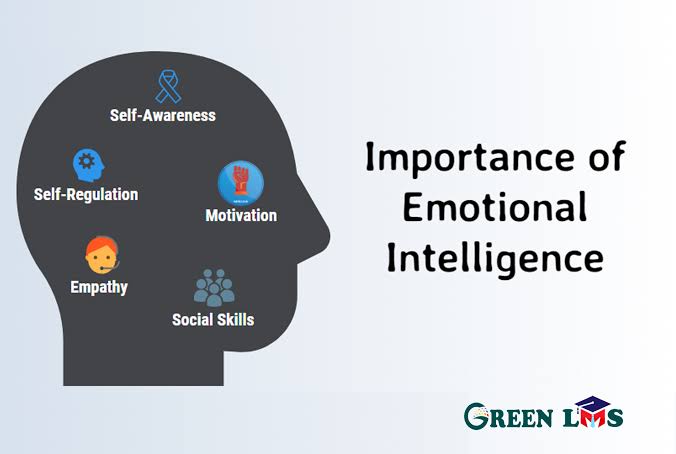
Emotional intelligence (EI), commonly referred to as EQ, is the ability to recognize, understand, and manage our own emotions while also being able to recognize, understand, and influence the emotions of others. This multifaceted construct encompasses several critical components: self-awareness, self-regulation, motivation, empathy, and social skills. Each of these elements plays a significant role in how individuals navigate interpersonal relationships and manage their emotional landscape.
Self-awareness is the foundation of emotional intelligence, encompassing the ability to introspect and understand one’s emotions, strengths, and weaknesses. This heightened awareness allows individuals to recognize how their feelings affect their thoughts and behaviors. Following self-awareness is self-regulation, which pertains to the ability to manage one’s emotions in a healthy and productive manner. Individuals with high emotional intelligence exhibit emotional control, adaptability, and resilience under stress.
Motivation, another pillar of EI, refers to the internal drive to pursue goals with energy and persistence. Emotionally intelligent individuals are often driven by a passion for their work and a strong desire to achieve. Furthermore, empathy is crucial for fostering understanding and connection between individuals. This skill allows one to not only see things from another’s perspective but also to respond to their emotional states compassionately. Lastly, social skills encapsulate the ability to build and maintain healthy relationships, effectively navigate social networks, and influence others positively.
The concept of emotional intelligence was significantly popularized by psychologist Daniel Goleman through his book “Emotional Intelligence,” published in 1995. Goleman’s work has underscored the importance of EQ in personal and professional success, suggesting that emotional intelligence often outweighs traditional intelligence in predicting success in various areas of life.
Why Emotional Intelligence Matters
Emotional intelligence (EI) is increasingly recognized as a crucial factor in both personal and professional contexts. At its core, emotional intelligence refers to the ability to understand and manage one’s own emotions while also empathizing with others. This capability significantly fosters improved relationships, effective communication, and successful conflict resolution.
In personal relationships, individuals with high emotional intelligence often navigate social interactions with greater ease. They are more adept at recognizing emotional cues, which allows them to respond appropriately and supportively. Research indicates that those who possess high EI enjoy more satisfying relationships, as they can connect deeply with others, creating strong bonds built on empathy and mutual understanding.
Professionally, the importance of emotional intelligence cannot be underestimated. EI has been linked to leadership effectiveness, with studies showing that leaders who exhibit high levels of emotional intelligence tend to inspire and motivate their teams more effectively. These leaders are skilled at managing group dynamics, addressing conflicts, and fostering an environment where open communication flourishes. For instance, a study by the Harvard Business Review found that emotionally intelligent leaders are better positioned to create organizational climates that encourage collaboration and innovation.
Furthermore, emotional intelligence plays a vital role in conflict resolution. Individuals with high EI can approach disputes with a level of understanding that enables them to see multiple perspectives. This understanding facilitates the identification of mutually beneficial solutions, ultimately preserving relationships and enhancing workplace morale.
In summary, the significance of emotional intelligence in both personal and professional domains is profound. By fostering better relationships, enhancing communication, and resolving conflicts effectively, emotional intelligence emerges as an essential component for achieving success in various aspects of life.
Emotional Intelligence in the Workplace
Emotional Intelligence (EI) plays an essential role in fostering a positive and productive work environment. It encompasses the ability to recognize, understand, and manage one’s own emotions as well as the emotions of others. In a workplace where emotional intelligence is prioritized, teamwork flourishes as individuals become more adept at navigating interpersonal dynamics. Employees with high EI can better understand their colleagues’ perspectives, leading to improved collaboration and communication.
Moreover, organizations led by emotionally intelligent leaders tend to experience higher levels of employee satisfaction. Such leaders create an inclusive atmosphere where team members feel valued and understood. When employees believe that their emotional needs are considered, they are more likely to be motivated and engaged in their work. A high EI in leadership also reflects a better understanding of team dynamics, which can resolve conflicts swiftly and maintain morale.
Studies have shown a direct correlation between emotional intelligence and productivity within organizations. Teams that effectively leverage emotionally intelligent practices tend to respond to challenges with agility and resilience. For instance, a case study conducted at a global tech company revealed that teams led by high-EI managers reported a 30% increase in overall productivity compared to teams lacking these essential skills in leadership.
The workplace benefits from cultivating emotional intelligence not only through improved leadership and teamwork but also in terms of enhanced organizational success. Companies that prioritize EI development often see significant gains in their bottom line due to increased innovation and reduced employee turnover. When employees feel emotionally supported and understood, they contribute more effectively to the organizational goals.
Developing Emotional Intelligence
Emotional intelligence (EI) is a vital skill that can be cultivated through various practical strategies. Developing this ability enhances personal and professional relationships, improves mental well-being, and fosters effective communication. One effective method to boost emotional intelligence is through mindfulness practices. Mindfulness enhances self-awareness, allowing individuals to recognize and understand their own emotions more effectively. Incorporating mindfulness meditation into daily routines can significantly aid in achieving this goal. Simple mindfulness exercises, such as focusing on breathing or engaging in body scans, can create a greater connection to one’s emotional states.
Active listening is another powerful technique for improving emotional intelligence. This practice involves fully concentrating on the speaker, understanding their message, and responding thoughtfully. To enhance active listening, individuals should eliminate distractions, maintain eye contact, and offer feedback that indicates understanding and empathy. By genuinely engaging with others, individuals are better equipped to comprehend the emotions being conveyed, leading to improved emotional connectivity.
Additionally, developing empathy plays a crucial role in fostering emotional intelligence. Empathy involves recognizing, understanding, and sharing the feelings of others. One strategy to enhance empathy is to put oneself in another person’s shoes; consider their perspectives and emotional experiences. Engaging in conversations with diverse individuals can also broaden one’s understanding of different emotional responses and cultural nuances.
Finally, emotional regulation techniques are essential for managing one’s emotions effectively. Strategies such as identifying triggers, practicing self-soothing techniques, and employing cognitive reappraisal can significantly improve emotional responses in challenging situations. By routinely utilizing these strategies, individuals can cultivate better emotional intelligence, leading to enhanced interactions both personally and professionally.
Challenges to Building Emotional Intelligence
Developing emotional intelligence (EI) can be a challenging undertaking due to various personal and societal factors. One significant barrier is rooted in cultural norms that may not prioritize emotional awareness. In some cultures, displaying emotions is perceived as a sign of weakness, leading individuals to suppress their feelings rather than understand and express them. This suppression can create a disconnect between self-awareness and interpersonal relationships, making it difficult for individuals to navigate their own emotions as well as those of others.
Personal insecurities often pose another hurdle in the journey toward cultivating emotional intelligence. Many individuals struggle with self-acceptance, which can hinder their ability to engage in self-reflection and acknowledge their emotional responses. For example, a person who fears vulnerability might refrain from expressing their feelings, thereby limiting their capacity to connect with others on an emotional level. Acknowledging these insecurities is the first step in overcoming them; practicing self-compassion and affirming one’s emotional experiences can lead to more profound self-awareness and emotional growth.
Lack of awareness is a common issue that individuals face in their quest to develop emotional intelligence. Many people may not even realize the importance of EI or how it can significantly impact their personal and professional lives. To combat this, education and training on emotional intelligence can provide valuable insights. Workshops, reading materials, or counseling can enhance understanding and provide practical tools for recognizing emotions within oneself and others.
In conclusion, while various challenges can impede the development of emotional intelligence, recognizing these barriers is a critical first step. By working to address cultural influences, personal insecurities, and a lack of awareness, individuals can foster their emotional intelligence skills, ultimately leading to better relationships and improved emotional well-being.
Emotional Intelligence and Mental Health
Emotional intelligence (EI) plays a vital role in an individual’s mental health, influencing both emotional regulation and psychological resilience. Individuals with high EI are typically adept at recognizing their own emotions and the emotions of others. This understanding fosters better communication and can significantly reduce interpersonal conflicts, thereby creating a supportive social environment with positive implications for mental health.
One of the primary benefits of elevated emotional intelligence is improved emotional regulation. Individuals who possess strong EI skills are more capable of managing their emotional responses, particularly in challenging situations. For instance, they may experience stress yet respond with effective coping strategies rather than succumbing to anxiety or frustration. This ability results in lower levels of distress and contributes to overall psychological well-being.
Additionally, high emotional intelligence enhances resilience against the various stressors encountered in daily life. Such individuals can interpret adverse events more constructively, helping them to view challenges as opportunities for personal growth rather than insurmountable obstacles. Research indicates that those with higher EI are less likely to develop mental health issues, such as depression and anxiety, due to their proactive approach to emotional challenges.
The relationship between emotional intelligence and overall well-being is reflected in various studies highlighting that individuals with developed EI exhibit higher life satisfaction. They experience greater emotional fulfillment in relationships and are often better equipped to navigate the complexities of social interactions. This nurturing of a supportive social network is essential for maintaining mental health as it creates a sense of belonging and acceptance.
Emotional Intelligence Across Cultures
Emotional intelligence (EI) transcends borders, influencing the dynamics of interpersonal interactions globally. However, its interpretation and manifestation can vary significantly between cultures. In many Western cultures, emotional expression is often viewed as a sign of authenticity and transparency. Individuals are encouraged to openly express their feelings, making emotional intelligence a tangible asset in both personal and professional settings. This open expression of emotions is frequently connected to individualism, where personal rights and emotional experiences are prioritized.
Conversely, in collectivist cultures, such as those found in many Asian and African societies, emotional intelligence is often more nuanced. Here, the ability to recognize and regulate emotions may be valued differently, with an emphasis on group harmony over individual expression. This cultural framework encourages individuals to manage emotions internally, prioritizing the emotional states of the group. Consequently, expressions of strong emotions may be viewed as disruptive rather than constructive, affecting how EI is developed and applied within these societies.
The implications of these differences in emotional intelligence across cultures are profound, particularly in global communication and collaboration. For instance, misunderstanding emotional cues due to cultural bias can lead to conflict in multinational teams, where different interpretations of EI may hamper effective collaboration. Therefore, fostering intercultural competence becomes essential for successful engagements. Enhancing one’s understanding of how emotional intelligence is perceived in different cultural contexts promotes better communication strategies, encouraging a more inclusive approach to teamwork.
In essence, acknowledging the various cultural perspectives on emotional intelligence is crucial for effective cross-cultural interactions. Recognizing and adapting to these differences not only enriches personal interactions but also enhances professional relationships in our increasingly globalized world.
Measuring Emotional Intelligence
Assessing emotional intelligence (EI) is crucial for understanding individuals’ ability to perceive, evaluate, and manage emotions in themselves and others. Several methodologies have been developed to measure EI effectively, ranging from self-reports and questionnaires to performance-based assessments.
One of the most widely used tools for measuring emotional intelligence is the Emotional Quotient Inventory (EQ-i), which evaluates an individual’s abilities across multiple dimensions, including self-awareness, empathy, and interpersonal skills. This assessment comprises various self-reported questionnaires that allow respondents to reflect on their emotional competencies and responses.
Another popular method is the Mayer-Salovey-Caruso Emotional Intelligence Test (MSCEIT), which takes a performance-based approach to evaluate an individual’s emotional skill set. Unlike self-reported measures, MSCEIT presents real-life scenarios requiring participants to demonstrate their emotional reasoning, thereby offering an objective perspective on their emotional intelligence capabilities.
Validity and reliability are critical considerations in EI assessments. Studies have shown that comprehensive EI questionnaires, such as the Emotional Intelligence Scale, maintain a strong correlation with important facets of successful personal and professional relationships, thus affirming their validity. Similarly, performance-based tests like the MSCEIT have undergone rigorous research, ensuring they accurately measure emotional intelligence by comparing results with other psychological constructs.
Self-evaluation tools also serve as a viable option for those seeking to gauge their emotional intelligence informally. These tools often encourage individuals to reflect on their experiences and emotions, enhancing their self-awareness. However, the reliability of self-reported tools may vary, as individuals can have blind spots regarding their emotional competences.
In summary, assessing emotional intelligence through various methodologies provides invaluable insights into interpersonal dynamics and individual emotional capabilities. These assessments not only support personal development but also enhance workplace productivity by fostering stronger emotional competencies among team members.
Future Trends in Emotional Intelligence
As we advance deeper into the 21st century, the significance of emotional intelligence (EI) continues to gain traction across various sectors, particularly with the advent of technology and artificial intelligence (AI). This intersection presents unique opportunities and challenges for both personal development and professional settings. With the integration of AI in workplaces, emotional intelligence might evolve in tandem, fostering a need for individuals to refine their EI skills to remain relevant.
One of the emerging trends is the application of AI in enhancing our understanding and practical application of emotional intelligence. Technologies such as natural language processing and machine learning are increasingly being utilized to analyze human emotions through social interactions. This capability enables organizations to assess employee well-being and improve workplace dynamics by addressing emotional needs through data-driven insights. As AI continues to develop, it is expected to provide support in evaluating both individual and team emotional intelligence, allowing leaders to tailor their management approaches accordingly.
Moreover, the rise of remote work has necessitated new methods for building emotional connections among teams. Tools that facilitate virtual collaboration now incorporate features designed to promote EI, such as sentiment analysis and virtual empathy training programs. These trends indicate a growing emphasis on nurturing emotional competencies in environments traditionally less conducive to interpersonal interactions. The future will likely see a shift toward integrating emotional intelligence training within organizational frameworks to both enhance team cohesion and improve overall performance.
Ultimately, the landscape of emotional intelligence is poised for transformation as technology continues to advance. This evolution highlights the importance of adapting our emotional skills, not only for professional excellence but also for personal well-being. By embracing these emerging trends, individuals and organizations can foster a more emotionally intelligent society, paving the way for effective collaboration and enriched relationships in all aspects of life.

 is the ability to recognize, understand, and manage emotions in ourselves and others. This comprehensive guide explores the significance)