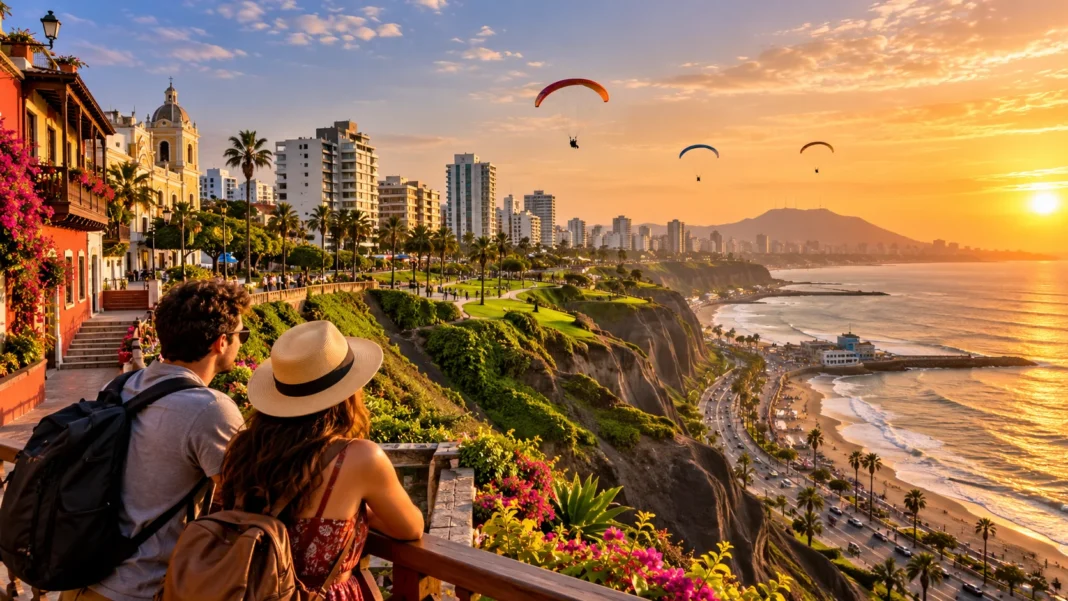
Lima, the capital of Peru, is one of South America’s most exciting travel destinations, offering a fascinating combination of history, coastal scenery, colorful neighborhoods, and world-famous cuisine. Located along the Pacific Ocean, the city features colonial architecture, ancient archaeological sites, beautiful parks, and vibrant cultural attractions. Whether you enjoy historical sightseeing, discovering local food, or exploring coastal landscapes, there are countless memorable things to do in Lima.
Exploring Lima allows travelers to experience both ancient Peruvian heritage and modern city life. Visitors can wander through the historic center, admire the ocean views of Miraflores, explore the artistic streets of Barranco, and discover fascinating museums. The city’s diverse neighborhoods offer different attractions, making Lima much more than simply a stop before visiting Machu Picchu.
Planning a trip to Lima involves choosing suitable neighborhoods, understanding seasonal weather, and organizing transportation between attractions. Some destinations are ideal for cultural sightseeing, while others offer relaxing coastal walks, shopping, and food experiences. This Lima travel guide explores the best places to visit, popular tourist attractions, unique experiences, and essential tips for planning an unforgettable Peruvian holiday.
Explore Lima’s Historic Center and Plaza Mayor
Lima’s Historic Center is one of the city’s most important attractions, featuring beautiful colonial buildings, historic churches, and impressive public squares. Recognized as a UNESCO World Heritage Site, the area preserves architectural landmarks reflecting different periods of Peruvian history. Walking through its streets offers an opportunity to discover the country’s colonial heritage and admire traditional balconies.
Plaza Mayor, also called Plaza de Armas, is the central square of historic Lima and a popular starting point for sightseeing. Important buildings surrounding the square include the Government Palace, Lima Cathedral, and Archbishop’s Palace. Their distinctive architectural features make the area especially appealing to visitors interested in history and photography.
The surrounding streets contain additional churches, museums, historic mansions, and traditional shops. Visitors can explore the area through guided walking tours that explain the significance of its landmarks. Because Lima’s Historic Center covers several busy streets, planning a daytime visit and using reliable transportation can make sightseeing more comfortable and convenient.
Discover the Coastal Beauty of Miraflores
Miraflores is one of Lima’s most popular neighborhoods, known for its beautiful Pacific Ocean views, landscaped parks, modern restaurants, and lively shopping areas. Located along dramatic coastal cliffs, the district provides an attractive combination of natural scenery and urban attractions. Its walkable streets and tourism facilities make it a convenient base for first-time visitors.
The Miraflores waterfront, commonly called the Malecón, features scenic pathways and green spaces overlooking the ocean. Visitors can enjoy relaxing walks, photograph the coastline, and admire beautiful sunsets when weather conditions permit. Parque del Amor is particularly famous for its romantic sculptures, decorative walls, and panoramic coastal views.
Miraflores also offers restaurants, cafes, shopping centers, and cultural attractions suitable for different travel preferences. Larcomar, a shopping and entertainment complex built into the coastal cliffs, provides impressive views of the Pacific Ocean. Spending time in Miraflores is one of the best ways to experience Lima’s modern coastal atmosphere.
Explore Barranco’s Art, Culture, and Colorful Streets
Barranco is Lima’s artistic and bohemian district, famous for its colorful buildings, street art, independent galleries, and relaxed atmosphere. Located south of Miraflores, the neighborhood attracts visitors interested in creative culture and traditional architecture. Its charming streets provide a contrast to the busier commercial areas of the Peruvian capital.
One of Barranco’s most recognizable landmarks is the Bridge of Sighs, a historic wooden bridge surrounded by picturesque streets. Nearby viewpoints offer attractive coastal scenery, while local art galleries showcase contemporary Peruvian creativity. Visitors can also explore traditional houses and murals that contribute to the district’s distinctive identity.
Barranco is particularly appealing for walking tours, photography, and discovering neighborhood cafes. Cultural spaces such as the Pedro de Osma Museum offer opportunities to appreciate Peruvian art and heritage. Spending an afternoon exploring Barranco allows travelers to experience a quieter, creative side of Lima beyond its major historical attractions.
Visit the Larco Museum and Discover Ancient Peru
The Larco Museum is one of Lima’s most important cultural attractions, offering a fascinating introduction to ancient Peruvian civilizations. Located in the Pueblo Libre district, the museum occupies a historic mansion surrounded by beautiful gardens. Its extensive archaeological collections provide valuable insight into societies that developed in Peru long before the Inca Empire.
Visitors can discover remarkable examples of ancient ceramics, textiles, jewelry, and ceremonial objects. The museum’s exhibitions explain different aspects of everyday life, artistic traditions, and religious practices in pre-Columbian Peru. Its carefully organized displays make complex historical subjects accessible to travelers interested in archaeology and cultural heritage.
The Larco Museum is an excellent option for visitors who want to understand Peru’s history before traveling to other archaeological destinations. Its gardens and architectural surroundings also create an enjoyable environment for sightseeing. Allowing sufficient time to explore the galleries helps visitors appreciate the extraordinary craftsmanship of ancient Peruvian communities.
Explore Huaca Pucllana’s Ancient Archaeological Site
Huaca Pucllana is one of Lima’s most fascinating archaeological attractions, located in the modern Miraflores district. The site features an impressive adobe pyramid and structures associated with the ancient Lima culture. Its location among contemporary buildings creates a striking contrast between the city’s distant past and modern development.
Guided visits provide information about the ceremonial center, construction techniques, and archaeological discoveries made at the site. Visitors can observe ancient structures built from carefully arranged adobe bricks. The surrounding excavation areas help demonstrate how people lived and organized important activities in the region centuries ago.
Huaca Pucllana is particularly convenient for travelers staying in Miraflores because it is close to hotels, restaurants, and other attractions. Tours and access arrangements may vary, so checking current visiting information is recommended. Exploring the site offers a memorable historical experience without requiring a long journey outside Lima.
Experience Lima’s Famous Peruvian Cuisine
Lima is internationally recognized for its outstanding food culture, combining traditional Peruvian ingredients with influences from different communities. The city’s restaurants, markets, and neighborhood eateries provide opportunities to discover regional flavors and cooking traditions. Food exploration is one of the most rewarding experiences for travelers interested in understanding Peruvian culture.
Ceviche is among Lima’s most recognizable dishes, traditionally prepared with fresh fish, citrus juice, onions, and other ingredients. Visitors can also enjoy lomo saltado, a popular stir-fried dish, and causa, a layered potato preparation. Different restaurants offer traditional recipes alongside creative interpretations of familiar Peruvian specialties.
Exploring local food markets can provide additional insight into the ingredients used in everyday cooking. Travelers can discover tropical fruits, traditional vegetables, and regional products. Choosing reputable restaurants and following normal food safety precautions helps ensure that culinary experiences remain enjoyable throughout a visit to Lima.
Enjoy the Magic Water Circuit at Parque de la Reserva
The Magic Water Circuit, located within Parque de la Reserva, is one of Lima’s most popular family-friendly attractions. The park features decorative fountains, illuminated water displays, and landscaped surroundings that create an entertaining atmosphere. It provides a different sightseeing experience from Lima’s historic monuments and coastal neighborhoods.
Visitors can explore different fountain installations and enjoy colorful evening displays when the attraction is operating. Some fountains feature interactive water effects, while others are designed for visual entertainment. The illuminated installations can be particularly attractive after sunset, making the park a popular destination for evening sightseeing and photography.
The Magic Water Circuit is suitable for travelers seeking a relaxed activity after exploring museums or historic streets. Opening schedules, admission arrangements, and special displays may change, so checking visitor information is useful. Including the park in an itinerary adds variety and provides an enjoyable introduction to Lima’s public recreation spaces.
Discover Pachacamac’s Ancient Temples and History
Pachacamac is an important archaeological complex located south of central Lima, offering insight into Peru’s ancient religious and cultural traditions. The site contains ceremonial structures and other archaeological remains associated with several historical periods. Its desert-like surroundings create a fascinating contrast with Lima’s busy urban neighborhoods.
Visitors can explore designated areas of the archaeological complex and learn about the site’s significance as a major ceremonial center. The remains include temples, plazas, and structures connected with different pre-Hispanic societies. Educational displays help explain how the site changed over time and influenced regional cultural practices.
A visit to Pachacamac is particularly rewarding for travelers interested in archaeology and historical landscapes. The open terrain can become warm and exposed, so comfortable clothing and sun protection are useful. Guided excursions may provide additional historical context while helping visitors navigate the site and understand its cultural importance.
Relax at Lima’s Beaches and Coastal Viewpoints
Lima’s Pacific coastline offers beautiful views, dramatic cliffs, and several popular beaches. Unlike tropical beach destinations, Lima experiences relatively cool ocean temperatures influenced by the Humboldt Current. Nevertheless, its coastal neighborhoods provide enjoyable settings for walking, photography, and relaxing near the sea.
Beaches around Miraflores and the Costa Verde are popular for coastal scenery and recreational activities. Visitors can watch surfers from suitable viewing areas and enjoy the sound of waves along the shoreline. Conditions vary significantly by location, with rocky beaches, strong currents, and changing waves requiring appropriate caution.
The coastal cliffs also provide impressive viewpoints overlooking Lima’s waterfront and surrounding urban landscape. Sunset walks can be particularly memorable when skies are clear. Travelers should use designated paths and follow local safety notices, especially around steep coastal sections and areas affected by changing ocean conditions.
Explore San Isidro and Its Peaceful Green Spaces
San Isidro is one of Lima’s most elegant districts, known for its landscaped parks, modern architecture, restaurants, and cultural attractions. The neighborhood offers a quieter atmosphere than some of the city’s busiest tourism areas. Its combination of green spaces and urban amenities makes it appealing for relaxed sightseeing.
Parque El Olivar is among San Isidro’s most attractive locations, featuring historic olive trees and peaceful walking paths. Visitors can enjoy the shaded surroundings and admire the contrast between the park and nearby city streets. The district also contains Huaca Huallamarca, an important archaeological site associated with Lima’s ancient heritage.
San Isidro provides opportunities to explore art spaces, local restaurants, and attractive residential streets. It can be visited alongside Miraflores because the districts are relatively close to each other. Travelers seeking a slower afternoon away from crowded attractions may particularly appreciate San Isidro’s parks and cultural surroundings.
Best Time to Visit Lima for Sightseeing
The best time to visit Lima depends on your preferred weather and activities. Summer, from December through March, generally brings warmer temperatures, brighter skies, and more sunshine. These months are particularly attractive for exploring the coast, enjoying outdoor restaurants, and spending time in waterfront neighborhoods.
Winter, from approximately June through September, is usually cooler and frequently overcast. Lima often experiences low clouds and mist known locally as garúa, which can create gray skies for extended periods. However, temperatures remain relatively mild, making many historic attractions and museums comfortable to explore.
Spring and autumn provide transitional conditions that may suit travelers interested in cultural sightseeing. April, May, October, and November can offer comfortable temperatures, although sunshine is less predictable outside summer. Because Lima’s climate differs from the Andes, travelers visiting Cusco or Machu Picchu should consider those regions’ seasonal conditions separately.
How to Plan Your Lima Travel Itinerary
Planning a Lima itinerary begins with deciding how many days you want to spend exploring the city. A two-day visit can cover major attractions such as Miraflores, Barranco, and selected historic landmarks. However, allowing three or four days provides a more comfortable opportunity to discover museums, neighborhoods, and cultural experiences.
Staying in Miraflores or San Isidro can be convenient because these areas offer numerous accommodation options and established tourism facilities. Barranco is another attractive choice for travelers who enjoy creative neighborhoods and local restaurants. Transportation times vary considerably because Lima is a large city with frequent traffic congestion.
Visitors should use reliable transportation services and allow extra time when traveling between attractions. Lima’s Jorge Chávez International Airport serves as the main gateway for international arrivals. Checking entry requirements, accommodation arrangements, and attraction schedules before departure helps create a more organized and enjoyable holiday experience.
Conclusion
Lima is an extraordinary destination that combines historic architecture, archaeological treasures, beautiful coastal scenery, and outstanding Peruvian cuisine. From exploring Plaza Mayor and the colorful streets of Barranco to visiting Huaca Pucllana and the Larco Museum, the city offers experiences suited to many different travel interests. Its diverse neighborhoods make every sightseeing day feel different.
A successful trip to Lima involves choosing suitable accommodation, planning transportation carefully, and allowing enough time to appreciate the city’s attractions. Travelers can combine cultural landmarks with coastal walks, local markets, museums, and traditional restaurants. Understanding seasonal weather conditions also helps visitors select comfortable travel dates and organize outdoor activities.
Whether you are visiting Lima for a short city break or beginning a longer journey through Peru, the capital offers memorable experiences throughout the year. Its combination of ancient history and contemporary culture creates a distinctive atmosphere. With thoughtful preparation, exploring Lima can become one of the most rewarding parts of your South American adventure.
Frequently Asked Questions (FAQs)
What are the best things to do in Lima, Peru?
Popular activities include exploring Lima’s Historic Center, visiting the Larco Museum, walking along the Miraflores coastline, discovering Barranco’s street art, exploring Huaca Pucllana, and enjoying traditional Peruvian cuisine.
How many days are enough to explore Lima?
Three to four days are generally enough to visit Lima’s major attractions, explore popular neighborhoods, and enjoy local food. Additional days allow more relaxed sightseeing and excursions outside the city.
What is the best time to visit Lima?
December through March offers warmer temperatures and generally sunnier weather, making it attractive for coastal sightseeing. Other months remain suitable for museums and cultural attractions, although skies are often cloudier.
Is Lima expensive for tourists?
Lima offers accommodation, restaurants, and attractions across different budgets. Costs depend on location, travel season, and personal preferences, with upscale restaurants and hotels generally costing more than local alternatives.
What is Lima most famous for?
Lima is famous for its outstanding Peruvian cuisine, historic colonial architecture, archaeological sites, coastal neighborhoods, and cultural attractions. Popular destinations include Miraflores, Barranco, Plaza Mayor, and the Larco Museum.

