Why Big Percentages Are an Old Marketing Trick That Works
In today’s society, percentage-off discounts are more effective than dollar-off discounts because the perceived value feels larger, according to Krishna in the Journal of Consumer Research from 2002. But note that they work even better on higher-priced products or when you buy multiple products, and you need to reach a threshold to get the discount.
The percentage format is also easier to process, so this cognitive ease makes percentage discounts more attractive, especially when the exact price is unfamiliar to you. It reduces the mental effort and leads to faster decision-making and more impulse purchases. When it comes to this topic, it’s all about understanding consumer psychology.
In the following paragraphs, we’ll further explore the impact that high percentages have on people, why they are the main persuasive tool in digital marketing, and how to convert the percentage to see its real value.
Anchoring
When looking at the percentage-off format, the brain connects it to the original price of the product you want to buy. Given the price and the large percentage, the deal will feel significant. But this is not the same as dollar-off discounts, where the brain just thinks of the amount you get off and doesn’t connect it to the original price, so in the end it doesn’t feel like such a big deal.
Even if the amount you save is the same, the psychology behind this anchoring effect is such that you perceive the percentage as more substantial because it highlights the proportion of savings relative to the total price.
Even old studies from 1974 by Tversky and Kahneman show that the anchoring bias influences decision-making. So, whether you are aware of it or not, you’ll be more likely to make a purchase when presented with a percentage format rather than a cash format.
The zero-price effect
Another concept that applies to the topic of high-percentage offers is the zero-price effect. This one implies that when the price drops to zero, demand for that product rises disproportionately, even if it were only low-priced. This happens because you view free things from a social perspective rather than a transactional one, which influences you emotionally.
Based on this theory, we can’t give you an example of a 100% discount, because it doesn’t exist. Realistically, brands will market a promotion with two products, for example, as 50% off, where they say that you buy one of the products and you get the other one for free.
Another example that fits both the high-percentage and the zero-price effect is buying a product at 70% off with free shipping or free gifts. The whole point is that brands offer a small, free advantage.
How a large number does the persuasive work
When consumers encounter a discount, it triggers both emotional responses and rational calculations. The allure of saving money activates pleasure centers in the brain, creating a sense of reward that can make you forget that you have to consider whether the purchase is truly necessary.
As previously mentioned, the perceived value influences decision-making. Not only does it make you feel like you’re getting more for what you pay, but it also associates the brand offering the discount with positive emotions, fostering long-term loyalty.
Unusually high discounts also create a sense of urgency, because your first instinct is to make the purchase. Otherwise, you’ll lose the offer, and it’s not often that you encounter a discount this big.
Sometimes this persuasive work can have a bigger impact than expected, depending on your limits and self-control, and can make you forget about the conditions of the product or service you’re getting, which should, in theory, play a limiting role.
How to convert any percentage offer into a comparable real value
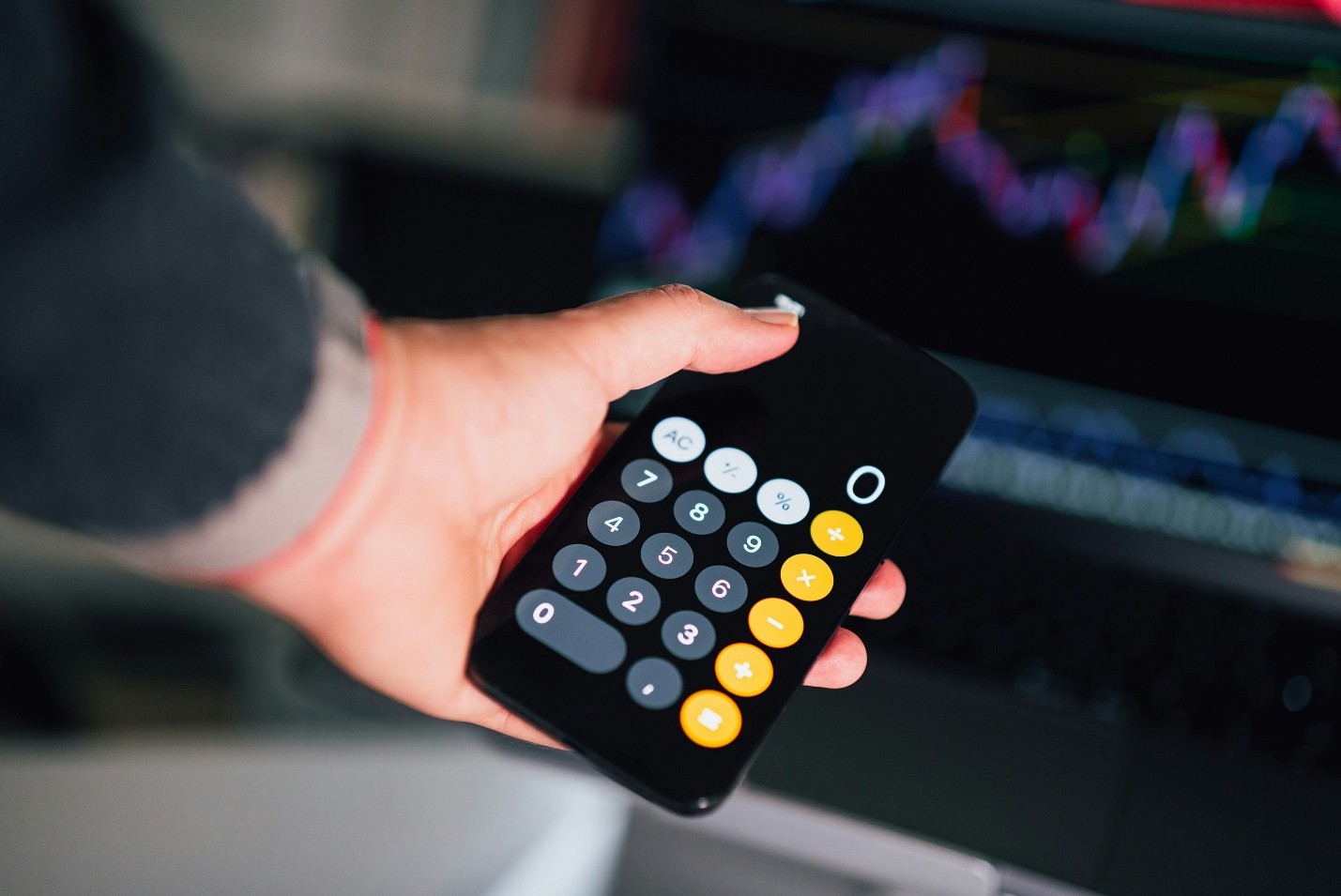
The process to convert a percentage to a real value is super simple: convert the percentage to a decimal by dividing it by 100, multiply the base value by that decimal, and then compare the resulting number across different offers.
If we’re talking about a different kind of percentage, you can get a 300% casino bonus, where the percentage represents the number of times the casino will multiply the deposit you make rather than a discount.
Note that the most popular casino bonuses require a deposit to activate. They can come in the form of 300% up to $1,000, with a minimum deposit you must make, like $50. So, in the case of a 300% promotion, if you make the minimum deposit of $50, you’ll get an extra $150 in bonus funds.
Final words
Even though the big percentage is a well-known, widely used old trick in digital marketing, it still does its job and will probably remain useful for a very long time, considering people still “fall” for it and make purchases they may not even need. The power of persuasion is really strong, and if there isn’t any trend in sight that promotes quitting overbuying and adopting sustainability, then the high percentages remain a basic trick for marketers.

