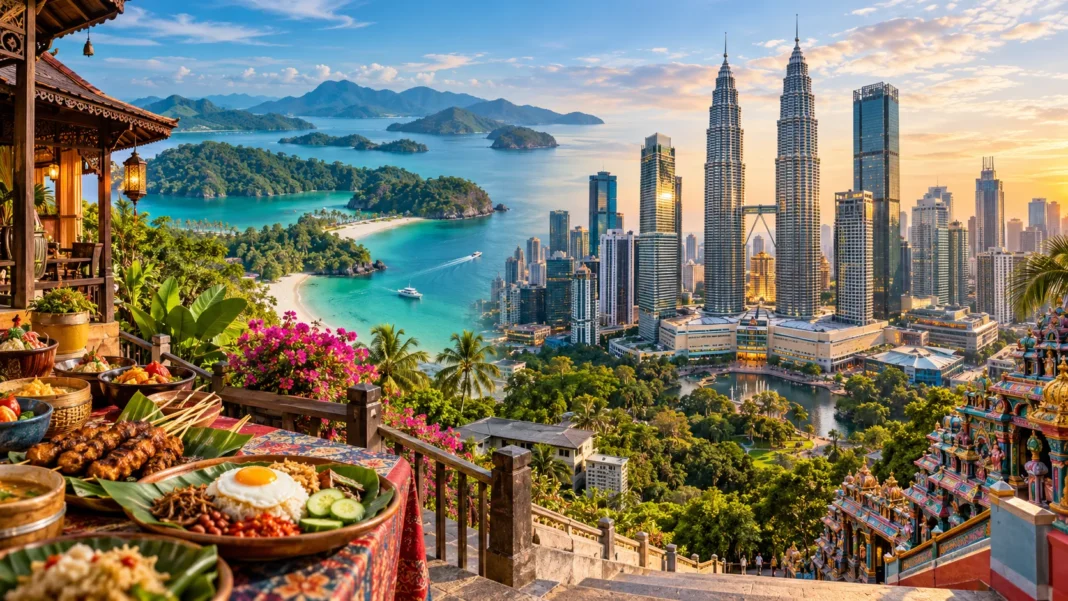
Malaysia is one of the most exciting travel destinations in Southeast Asia, offering a beautiful combination of modern cities, tropical islands, ancient rainforests, and fascinating cultural attractions. From the impressive skyscrapers of Kuala Lumpur to the peaceful beaches of Langkawi, the country provides unforgettable experiences for every type of traveler. Whether you enjoy nature, history, shopping, or delicious food, Malaysia offers plenty of wonderful places to explore.
Planning a trip to Malaysia becomes easier when you understand the country’s major destinations, transportation options, weather conditions, and local traditions. Its diverse landscapes allow visitors to experience vibrant cities, cool mountain retreats, and beautiful coastal environments within one vacation. This Malaysia travel guide covers the best places to visit, exciting things to do, and practical travel tips to help you plan a memorable Southeast Asian adventure.
1. Explore Kuala Lumpur and Its Famous Attractions
Kuala Lumpur is Malaysia’s vibrant capital city and one of the country’s most popular tourist destinations. Known for its impressive skyline, multicultural neighborhoods, and modern shopping centers, the city offers an exciting introduction to Malaysian life. Visitors can discover a fascinating mixture of traditional architecture and contemporary developments while exploring busy streets, beautiful parks, and world-famous landmarks.
The Petronas Twin Towers are among Kuala Lumpur’s most recognizable attractions, offering spectacular views of the surrounding city. Travelers can also explore the historic Merdeka Square, visit the Kuala Lumpur Tower, and admire the impressive Sultan Abdul Samad Building. The nearby Batu Caves feature colorful stairs and important Hindu religious sites, making them another memorable sightseeing destination.
Kuala Lumpur is also famous for its shopping districts, entertainment attractions, and delicious street food. Bukit Bintang offers shopping malls and lively restaurants, while Jalan Alor attracts visitors with its diverse food stalls. The city’s modern public transportation system makes exploring major attractions relatively convenient, especially for first-time travelers visiting Malaysia.
2. Discover the Beautiful Beaches of Langkawi
Langkawi is one of Malaysia’s most beautiful island destinations, famous for its tropical beaches, lush green mountains, and peaceful coastal scenery. Located near the northwestern coast of Peninsular Malaysia, this archipelago attracts travelers seeking relaxation and natural beauty. Its combination of picturesque shorelines and outdoor attractions makes it an excellent destination for couples, families, and nature enthusiasts.
Pantai Cenang is among Langkawi’s most popular beaches, offering soft sand, restaurants, and opportunities to enjoy beautiful sunsets. Visitors can also explore Tanjung Rhu Beach, known for its quieter surroundings and impressive coastal landscapes. The Langkawi Sky Bridge and cable car provide spectacular views of forested mountains, surrounding islands, and the Andaman Sea.
Beyond its beaches, Langkawi offers mangrove boat tours, scenic waterfalls, and peaceful nature experiences. Kilim Karst Geoforest Park is particularly popular for exploring limestone formations and protected coastal environments. Travelers can spend several days discovering the island’s natural attractions while enjoying comfortable accommodations and the relaxed atmosphere of this tropical Malaysian destination.
3. Visit Penang for Street Food and Cultural Heritage
Penang is one of the best places to visit in Malaysia for travelers interested in history, traditional architecture, and exceptional local cuisine. Located along the country’s northwestern coast, Penang combines lively urban neighborhoods with beautiful coastal scenery. Its capital, George Town, is especially famous for colorful heritage buildings, fascinating cultural landmarks, and an energetic street food scene.
George Town’s historic center is recognized for its cultural significance and remarkable architectural heritage. Visitors can explore traditional shophouses, admire colorful street art, and discover religious landmarks representing different communities. Popular attractions include Khoo Kongsi, Cheong Fatt Tze Mansion, and the historic streets surrounding Armenian Street, where travelers can experience the city’s distinctive character.
Food is another major reason travelers visit Penang, with local markets and restaurants serving diverse Malaysian specialties. Popular dishes include char kway teow, assam laksa, nasi kandar, and traditional desserts. Penang Hill and Kek Lok Si Temple provide additional sightseeing opportunities, making the island an excellent destination for visitors who enjoy combining culinary adventures with cultural exploration.
4. Experience the Cool Climate of Cameron Highlands
Cameron Highlands is a beautiful mountain destination in Malaysia, famous for its rolling tea plantations, refreshing temperatures, and scenic green landscapes. Located in the state of Pahang, the region offers a peaceful escape from the heat of Malaysia’s coastal cities. Its cool climate and agricultural scenery make it particularly appealing to travelers who enjoy relaxing nature-focused vacations.
Tea plantations are among the area’s most recognizable attractions, featuring picturesque hills covered with carefully cultivated tea bushes. Visitors can explore selected plantation facilities, enjoy scenic viewpoints, and learn about local tea production. Strawberry farms, flower gardens, and traditional markets provide additional opportunities to discover the region’s agricultural character and local products.
Nature enthusiasts can explore the Mossy Forest area, where misty surroundings and unusual vegetation create a distinctive mountain environment. Guided excursions offer opportunities to learn about the highland ecosystem while enjoying beautiful scenery. Because temperatures can be noticeably cooler than in lowland cities, bringing a light jacket and comfortable walking shoes is recommended.
5. Explore the Historical City of Melaka
Melaka, also known as Malacca, is one of Malaysia’s most historically significant cities, offering a fascinating combination of colonial architecture and cultural traditions. Located along the southwestern coast of Peninsular Malaysia, the city played an important role in regional maritime trade. Its historic neighborhoods reflect influences from Malay, Chinese, Portuguese, Dutch, and British communities.
The famous Dutch Square is among Melaka’s most photographed attractions, featuring distinctive red buildings and historic landmarks. Visitors can explore Christ Church, discover the remains of A Famosa fortress, and visit St. Paul’s Hill. The Melaka River also provides beautiful scenery, with river cruises offering an enjoyable perspective of the surrounding buildings and waterfront neighborhoods.
Jonker Street is another popular destination, known for traditional shops, cultural attractions, and local food establishments. Travelers can discover handmade souvenirs, sample regional dishes, and admire the area’s distinctive heritage architecture. Melaka is easily included in a Malaysian travel itinerary, especially for visitors staying in Kuala Lumpur who want to explore another important historical destination.
6. Discover the Wildlife and Natural Beauty of Sabah
Sabah is one of Malaysia’s most exciting destinations for nature lovers, offering tropical rainforests, beautiful islands, and remarkable wildlife experiences. Located in northern Borneo, the state is known for its diverse ecosystems and breathtaking mountain landscapes. Visitors can explore protected natural areas while discovering wildlife species that make this region an important biodiversity destination.
Kinabalu Park is among Sabah’s most famous attractions, featuring rich biodiversity and impressive mountain scenery surrounding Mount Kinabalu. The park offers opportunities to appreciate unique plant species and beautiful forest environments. Travelers interested in wildlife can also visit the Sepilok Orangutan Rehabilitation Centre, which supports the care and rehabilitation of orangutans in Sabah.
Sabah’s coastal destinations provide additional opportunities for island excursions, snorkeling, and relaxing beside turquoise waters. Areas near Kota Kinabalu offer access to scenic islands and protected marine environments. Visitors should choose responsible wildlife experiences, follow conservation guidelines, and avoid disturbing animals while exploring the remarkable natural landscapes of Malaysian Borneo.
7. Visit Sarawak for Rainforests and Cultural Experiences
Sarawak is another fascinating region of Malaysian Borneo, famous for its tropical rainforests, diverse communities, and impressive natural attractions. The state offers opportunities to experience traditional cultural heritage alongside remarkable wildlife and protected ecosystems. Its capital, Kuching, provides a convenient starting point for exploring historical neighborhoods, museums, and surrounding natural destinations.
Bako National Park is one of Sarawak’s most popular attractions, featuring coastal landscapes, rainforest trails, and opportunities to observe wildlife. Visitors may encounter proboscis monkeys, birds, and other native species while exploring designated areas. Gunung Mulu National Park is another outstanding destination, celebrated for its enormous cave systems, limestone formations, and extraordinary rainforest environment.
Sarawak also offers meaningful cultural experiences through museums, traditional crafts, and community-based tourism activities. Travelers can discover regional food, learn about Indigenous traditions, and explore cultural exhibitions that highlight the state’s diverse heritage. Choosing respectful, locally operated experiences helps visitors appreciate the region’s cultural identity while supporting the communities that preserve these traditions.
8. Relax on the Beautiful Perhentian Islands
The Perhentian Islands are among Malaysia’s most attractive beach destinations, known for their clear turquoise waters, white-sand beaches, and beautiful marine environments. Located off the northeastern coast of Peninsular Malaysia, these islands are popular with travelers seeking peaceful tropical surroundings. Their relatively relaxed atmosphere creates excellent opportunities for beach holidays and nature-focused experiences.
Perhentian Besar and Perhentian Kecil are the two main islands, each offering different accommodation choices and coastal attractions. Visitors can enjoy snorkeling in designated areas, relax along sandy beaches, and explore beautiful viewpoints. The surrounding waters support tropical fish and coral habitats, making responsible marine tourism an important part of the island experience.
Access to the islands usually involves traveling to Kuala Besut before continuing by boat. Weather conditions strongly influence transportation availability, particularly during the northeast monsoon season when many tourism services are reduced. Checking seasonal operations before booking is important, especially for travelers planning an island vacation between November and February.
9. Explore Taman Negara National Park and Its Rainforest
Taman Negara is one of Malaysia’s most remarkable natural destinations, offering an opportunity to experience a vast tropical rainforest environment. Located across parts of Pahang, Kelantan, and Terengganu, the national park protects diverse plant and animal habitats. Its forest landscapes attract travelers interested in nature exploration, wildlife observation, and learning about Malaysia’s environmental heritage.
Visitors can participate in guided forest walks, explore designated nature trails, and experience the atmosphere of the tropical rainforest. Boat excursions along surrounding rivers provide another perspective of the region’s natural scenery. Wildlife sightings are unpredictable, but the park supports numerous bird species, insects, and mammals that contribute to its ecological importance.
Taman Negara is best explored with careful preparation and respect for the surrounding environment. Guided activities help visitors understand local conditions and identify suitable experiences based on their interests. Bringing comfortable clothing, suitable footwear, drinking water, and protection against rain can make exploring this impressive Malaysian rainforest more enjoyable.
10. Enjoy Malaysian Food and Traditional Local Dishes
Malaysian cuisine is one of the country’s greatest attractions, reflecting the culinary traditions of its Malay, Chinese, Indian, and Indigenous communities. The country’s diverse food culture offers delicious combinations of spices, fresh ingredients, and regional cooking techniques. Exploring local restaurants and food markets allows travelers to experience Malaysia’s cultural diversity through memorable meals.
Nasi lemak is one of Malaysia’s most recognizable dishes, featuring fragrant coconut rice served with traditional accompaniments. Other popular foods include roti canai, satay, laksa, rendang, and char kway teow. Different regions offer their own specialties, making food exploration an exciting part of traveling between Kuala Lumpur, Penang, Melaka, and other destinations.
Street food markets and local eating establishments are excellent places to discover traditional Malaysian flavors. Travelers can try regional desserts, tropical fruits, and freshly prepared dishes while observing everyday food culture. Choosing busy, hygienic establishments and communicating dietary requirements clearly can help visitors enjoy Malaysia’s diverse culinary experiences more comfortably.
11. Learn About Malaysia’s Culture and Local Traditions
Malaysia is a multicultural country where different religions, languages, and traditions contribute to a fascinating national identity. Visitors can observe this diversity through architecture, festivals, cuisine, and everyday community life. Understanding local customs helps travelers appreciate the country’s heritage while creating more respectful and meaningful interactions with residents.
Religious and cultural landmarks are found throughout Malaysia, including mosques, Buddhist temples, Hindu shrines, and historic churches. Important celebrations include Hari Raya Aidilfitri, Chinese New Year, Deepavali, and cultural festivals celebrated by different communities. These occasions provide opportunities to learn about local traditions, although visitors should respect religious practices and community guidelines.
Respectful clothing is recommended when visiting religious sites, particularly those with specific dress requirements. Travelers should also follow posted photography rules and remain considerate during ceremonies. Learning a few basic Malay greetings, such as terima kasih for thank you, can make everyday interactions friendlier while demonstrating appreciation for the local culture.
12. Understand the Best Time to Visit Malaysia
Malaysia experiences a tropical climate with warm temperatures, high humidity, and rainfall throughout the year. However, weather conditions differ between the country’s western coast, eastern coast, and Borneo regions. Understanding these seasonal patterns is important because the best time to visit Malaysia depends largely on which destinations and activities you include in your itinerary.
The west coast, including Langkawi and Penang, is often attractive during the relatively drier months from December through March. The east coast islands, including the Perhentians, are generally more suitable for beach vacations outside the northeast monsoon period. Kuala Lumpur remains a year-round destination, although visitors should prepare for occasional heavy rainfall.
Sabah and Sarawak have their own regional weather patterns, so conditions can vary even within Malaysian Borneo. Travelers should check forecasts when planning rainforest excursions, island transfers, or outdoor sightseeing. Booking accommodation and transportation in advance is particularly useful during major holidays and popular vacation periods, when demand can increase considerably.
13. Plan Transportation and Accommodation in Malaysia
Malaysia offers several transportation options that make exploring major cities and tourist destinations relatively convenient. Domestic flights connect Kuala Lumpur with Penang, Langkawi, Sabah, Sarawak, and other regions. Trains, buses, and private transfers provide additional choices for traveling around Peninsular Malaysia, while ferries serve certain island destinations depending on seasonal conditions.
Within Kuala Lumpur, rail services and other public transportation options connect many popular sightseeing areas. Ride-hailing services are widely used in major cities, offering another convenient way to reach attractions. Travelers visiting smaller islands or rural destinations should research transportation availability because local services may operate less frequently than those in larger urban centers.
Accommodation in Malaysia ranges from budget guesthouses and midrange hotels to luxury resorts and private vacation properties. Kuala Lumpur offers extensive hotel choices, while Langkawi and Penang feature attractive coastal accommodations. Comparing location, transportation access, guest facilities, and seasonal pricing helps travelers select suitable places to stay while managing their overall vacation expenses.
14. Follow Essential Malaysia Travel Tips for First-Time Visitors
Preparing for a Malaysian vacation involves understanding entry requirements, local customs, and practical travel arrangements. Visitors should confirm passport validity and determine whether a visa is required for their nationality. Many foreign travelers must also complete the Malaysia Digital Arrival Card before entering the country, although exemptions apply to certain categories of visitors.
The Malaysian ringgit is the country’s official currency, and cash remains useful for smaller markets and local establishments. Credit and debit cards are widely accepted in many urban businesses, although payment options vary by location. Travelers should carry suitable sun protection, stay hydrated, and prepare for warm temperatures and occasional tropical rainfall.
Travel insurance can provide additional protection against unexpected medical expenses, trip disruptions, and other covered situations. Keeping copies of essential travel documents and checking current transportation arrangements also helps reduce avoidable difficulties. First-time visitors should plan a balanced itinerary that allows sufficient time to explore attractions without rushing between distant destinations.
Conclusion
Malaysia offers an unforgettable combination of modern cities, beautiful tropical islands, fascinating cultural attractions, and remarkable natural landscapes. From the iconic Petronas Twin Towers in Kuala Lumpur to the peaceful beaches of Langkawi and the heritage streets of Penang, every destination provides something special. Travelers can discover exciting experiences while enjoying the country’s rich cultural diversity and welcoming atmosphere.
Whether you want to explore ancient rainforests, discover traditional food, relax on beautiful beaches, or experience vibrant city life, Malaysia offers countless opportunities for adventure. Destinations such as Cameron Highlands, Melaka, Sabah, and Sarawak highlight the country’s impressive variety of landscapes and cultural experiences. Choosing attractions that match your interests helps create a more rewarding and enjoyable vacation.
Planning your journey around seasonal weather, transportation connections, accommodation options, and available time can improve your overall experience. Consider visiting a combination of cities, natural attractions, and coastal destinations to appreciate Malaysia’s diversity. With thoughtful preparation and a flexible itinerary, your Malaysian vacation can become a memorable journey filled with beautiful scenery, cultural discoveries, and lasting travel experiences.
Frequently Asked Questions (FAQs)
What are the best places to visit in Malaysia?
The best places to visit in Malaysia include Kuala Lumpur, Langkawi, Penang, Cameron Highlands, Melaka, Sabah, and Sarawak. These destinations offer beautiful beaches, historic attractions, cultural experiences, and impressive natural landscapes.
How many days are enough for a Malaysia trip?
Seven to ten days is generally enough to explore several major Malaysian destinations. Travelers planning to visit both Peninsular Malaysia and Malaysian Borneo may prefer two weeks or longer.
What is the best month to visit Malaysia?
The best month depends on your destination. January and February are often suitable for Langkawi and Penang, while many east coast islands are better visited outside the northeast monsoon season.
Is Malaysia expensive for tourists?
Malaysia can be an affordable travel destination, offering budget hotels, inexpensive local food, and various transportation options. However, luxury resorts, private tours, and certain island activities can significantly increase travel expenses.
Is Malaysia good for first-time international travelers?
Yes, Malaysia is a popular choice for first-time international travelers because of its developed transportation networks, varied accommodations, and diverse tourist attractions. Planning ahead and checking entry requirements can make the journey easier.

