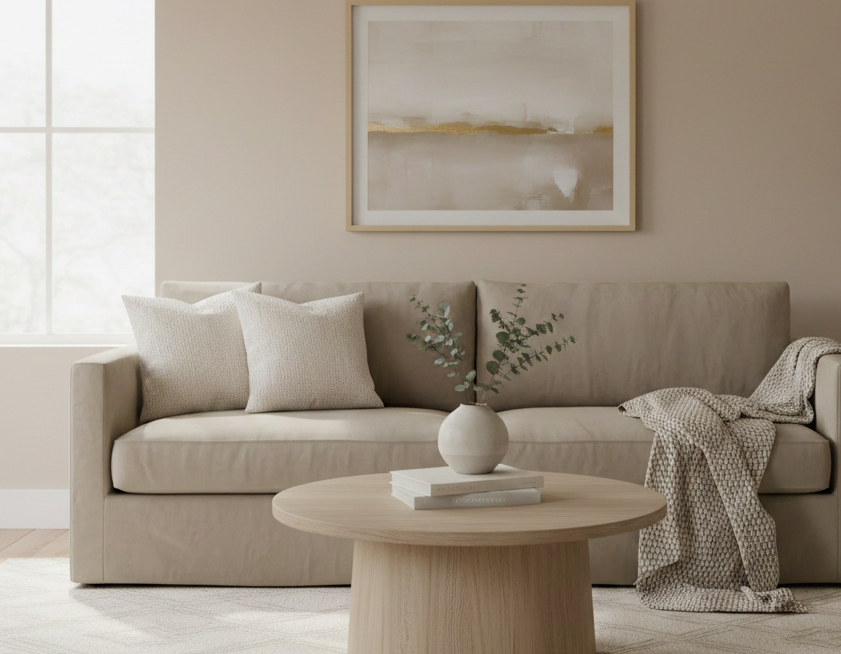
If so, let’s talk about Accessible Beige. This versatile color is more than just a neutral shade; it’s a warm hug for your walls that can elevate the entire ambiance of your space. Whether you’re looking to create an inviting living room or a tranquil bedroom retreat, Accessible Beige offers endless possibilities. With its subtle undertones and adaptability, it’s no wonder this hue has captured the hearts of homeowners and designers alike. Dive into our ultimate guide and discover how this chic color can bring harmony and style to every corner of your home!
What is Accessible Beige?
Accessible Beige is a soft, warm neutral that sits comfortably between gray and tan. This balanced hue offers a cozy atmosphere while remaining sophisticated. It’s part of Sherwin-Williams’ popular paint collection, making it an easy choice for homeowners seeking versatility.
One of its standout features is its ability to adapt to various lighting conditions. Depending on the time of day or the light source in your home, Accessible Beige can shift from a light beige to a deeper taupe. This dynamic quality makes it perfect for creating depth in any room.
Accessible Beige complements many styles, from modern minimalism to classic elegance. Whether you’re aiming for warmth or tranquility, this color serves as an excellent backdrop for decorating with accents and textures. It’s no wonder it’s become a favorite among interior designers looking to achieve both comfort and style effortlessly.
The Color Psychology of Beige
Beige may seem like a simple shade, but it carries profound psychological implications. It evokes feelings of warmth and comfort, creating an inviting atmosphere in any space.
This neutral hue often symbolizes stability and reliability, making it perfect for homes where you want to foster a sense of calm. Unlike bold colors that demand attention, beige quietly enhances its surroundings without overwhelming them.
In addition to its soothing nature, beige can also represent simplicity and sophistication. It offers versatility; whether paired with vibrant accents or other muted tones, the possibilities are endless.
The subtle undertones in various shades of beige can influence emotions too. Some lean towards cool grays while others embrace warm yellows — each evoking different vibes within your home environment.
How to Use Accessible Beige in Different Rooms
Using Accessible Beige in the living room creates a warm, inviting atmosphere. Pair it with plush furniture and vibrant accents to make the space feel cozy without overwhelming.
In the bedroom, this soothing shade promotes relaxation. Combine it with soft linens and gentle lighting for a tranquil retreat where you can unwind after a long day.
For kitchens, Accessible Beige offers a versatile backdrop. It works beautifully with wooden cabinets or sleek white fixtures, adding depth while keeping the area bright and airy.
When applied in bathrooms, this color enhances natural light. Use it alongside crisp whites or muted greens for an elegant spa-like feel that refreshes your senses each morning. Each room can reflect your style while benefiting from beige’s timeless appeal.
– Living Room
The living room is often the heart of the home, a place for relaxation and gathering. Using accessible beige here creates a warm and inviting atmosphere. It effortlessly complements both modern and traditional decor.
Consider pairing accessible beige walls with rich wooden furniture or soft pastel accents. This combination enhances natural light, making your space feel airy yet cozy.
Textured fabrics like plush throw pillows or knitted blankets can add depth to your design without overwhelming it. Accent pieces in darker hues can provide contrast and interest.
Incorporate greenery through plants to breathe life into the space. The neutral backdrop of accessible beige makes vibrant greens pop beautifully.
Lighting plays a crucial role too. A well-placed lamp or chandelier can highlight the soothing tones of this versatile color, enhancing its charm even further.
– Bedroom
Using Accessible Beige in the bedroom creates a serene and inviting atmosphere. This versatile hue pairs beautifully with soft textiles, making it ideal for bedding and curtains.
Consider accent walls or furniture pieces in this calming shade to add depth without overwhelming the space. It complements various styles, from modern minimalist to cozy farmhouse.
Combine Accessible Beige with warm whites or muted pastels for a harmonious look that promotes relaxation. Layering textures through throws and cushions can also enhance visual interest while maintaining a cohesive palette.
Don’t shy away from adding personal touches like artwork or photographs framed in darker colors to create contrast. These elements can elevate the overall design while keeping the soothing vibe of your beige sanctuary intact.
– Kitchen
Using Accessible Beige in the kitchen creates a warm and inviting atmosphere, making it perfect for family gatherings or casual meals. This versatile shade pairs beautifully with various cabinetry styles, from modern to farmhouse.
Consider using Accessible Beige on your walls while incorporating white or off-white cabinets. This combination brightens the space, allowing natural light to bounce around effectively.
Accessorize with colorful dishware or vibrant artwork to add personality without overwhelming the neutral backdrop. Wooden accents can also enhance its warmth, creating an organic feel that complements everyday cooking.
For those who love open-concept layouts, Accessible Beige seamlessly blends into adjoining spaces like dining areas or living rooms. It helps maintain visual continuity throughout your home while keeping each area distinct yet harmonious.
– Bathroom
Using Accessible Beige in the bathroom creates a serene and inviting atmosphere. It pairs beautifully with white fixtures, enhancing cleanliness while providing warmth.
Consider using it as the main wall color. This neutral shade makes small spaces feel more expansive without sacrificing comfort.
For accents, think about light wood or soft green accessories to create contrast. A beige palette allows for playful additions like colorful towels or vibrant artwork that truly stand out.
Don’t forget about lighting! Natural light can make Accessible Beige glow, bringing out its subtle undertones. If your bathroom lacks windows, opt for warm light bulbs to maintain that cozy vibe.
Tile choices also matter; gray or cream tiles harmonize well with this versatile hue. The result is a cohesive look that’s both stylish and functional—perfect for unwinding after a long day.
Tips for Pairing Colors with Accessible Beige
When pairing colors with accessible beige, consider its warm undertones. Soft whites complement it beautifully, creating a serene and airy feel.
For a bolder look, add navy blue or deep teal accents. These rich hues contrast well against beige while maintaining an inviting atmosphere.
Earth tones like terracotta or olive green also work wonders together. They enhance the warmth of accessible beige and bring nature indoors.
Incorporate metallic elements too. Gold or brass accessories can elevate your space, adding a touch of sophistication without overwhelming the neutral palette.
Don’t shy away from patterns! Textiles featuring geometric designs in muted colors can introduce visual interest while keeping a cohesive look.
Test paint samples in different lighting conditions to see how they interact throughout the day. This ensures you achieve that perfect harmony between shades across various spaces in your home.
Common Mistakes When Using Beige and How to Avoid Them
One common mistake when using beige is overlooking lighting. A room’s natural light can drastically change how the color appears. Test samples in different lighting conditions before making a final decision.
Another pitfall is not considering undertones. Beige can range from warm to cool, and choosing the wrong shade may clash with existing decor or furnishings. Always analyze your space’s colors closely.
Using too much beige can make a room feel bland and uninviting. Balance it out by incorporating contrasting hues through accents like pillows, artwork, or rugs to add depth and interest.
Failing to think about textures is another oversight. Mixing various materials—like wood, metal, and fabric—can enhance the warmth of accessible beige, creating a more dynamic atmosphere in your home.
Pros and Cons of Using Accessible Beige
Accessible Beige has become a popular choice in home decor, and for good reason. This versatile hue offers warmth without overwhelming the senses. It creates a cozy atmosphere that invites relaxation.
On the flip side, some may find it too neutral or bland. In spaces with little natural light, Accessible Beige can appear dull rather than inviting. It’s essential to consider your room’s lighting before committing to this shade.
Another benefit is its adaptability across various styles—from modern to traditional—making it easy to pair with different furnishings and accessories.
However, if overused or paired improperly, beige can risk looking dated or uninspired. Thoughtful accents are crucial to keep the overall design fresh and engaging.
Weighing these pros and cons will help you determine if Accessible Beige aligns with your vision for your home’s aesthetic.
Conclusion: Is Accessible Beige the Right Choice for Your Home?
Choosing a color for your home is a significant decision, and Accessible Beige stands out as an excellent option. Its warm undertones create an inviting atmosphere, making it versatile enough to complement various styles and preferences.
This shade has the power to evoke feelings of calmness and serenity while still feeling modern. Whether you’re looking to refresh your living room or create a cozy kitchen space, Accessible Beige adapts beautifully in any setting.
However, like any design choice, there are pros and cons to consider. While its neutrality can be appealing, using too much beige without contrasting colors may lead to a washed-out look. Balancing this hue with bolder accents can enhance its charm.
Reflect on how Accessible Beige fits into your vision for each room. If you prioritize warmth, versatility, and timeless elegance in your home design, then this color could be just what you’re looking for. It’s all about creating spaces that reflect who you are while ensuring they feel welcoming at the same time.

