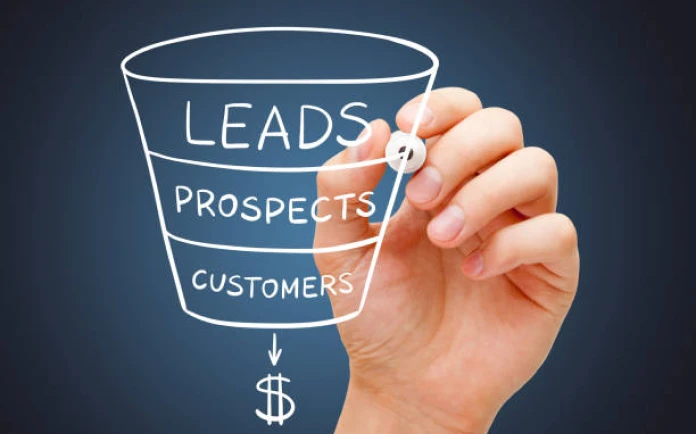
Most founders and early-stage sales reps assume that building a reliable B2B sales pipeline requires a massive marketing budget, a full SDR team, and expensive software subscriptions. The truth is far more encouraging. With the right framework, a clear ideal customer profile, and a handful of smart tools, you can build a pipeline that consistently generates qualified opportunities – even when cash is tight.
Start With Who You’re Actually Selling To
Before you send a single email or make a call, you need to get ruthlessly specific about your ideal customer. Vague targeting is the number one reason early pipelines fail. Ask yourself: what industry do they operate in? What is the company size where your solution delivers the most value? Who is the actual decision-maker – a VP of Sales, a Head of Operations, a founder?
Write it down. Create a one-page ideal customer profile that includes job titles, company revenue range, geographic location, and the core pain points your product solves. This document becomes the filter for every prospecting decision you make going forward.
Define Your Pipeline Stages Before You Start Filling It
A pipeline without clearly defined stages is just a list of names. Each stage should represent a specific action or commitment from the prospect, not just your internal hope that a deal is moving forward.
A simple, effective pipeline for a bootstrapped B2B operation might look like this:
- Prospect Identified – contact matches your ideal customer profile
- Outreach Sent – first touch has been made via email, LinkedIn, or phone
- Conversation Started – prospect has responded and expressed interest
- Discovery Call Booked – a meeting is scheduled
- Proposal Sent – a formal offer or scope of work is delivered
- Negotiation – pricing or terms are being discussed
- Closed Won or Lost – deal is decided
The moment you standardize these definitions, your pipeline becomes something you can actually measure and improve.
Build Your Prospect List Without the Enterprise Price Tag
Traditionally, building a targeted list of B2B contacts meant paying tens of thousands of dollars per year for access to contact databases. That pricing model locked smaller teams out of the game entirely. Today, that has changed significantly.
If you need to reach a specific job title, industry, or company size at scale, this tool gives you access to over four million verified contacts for a fraction of what legacy providers charge. For a bootstrapped team that needs consistent prospecting fuel without burning through budget, it’s worth exploring.
Once you have a list, segment it. Do not blast the same message to a VP of Engineering and a Director of Marketing. Different titles have different pain points, and personalization – even at a basic level – dramatically improves reply rates.
Outreach That Actually Gets Responses
Cold outreach has a reputation problem. Most of it is bad – generic, self-focused, and written as if the sender has never met a human before. The good news is that the bar is so low that even modest personalization puts you ahead of the majority of competitors clogging up inboxes.
The most effective cold emails follow a simple structure: a specific opener that references something real about the prospect or their company, a one-sentence explanation of who you are and what you do, a clear articulation of the problem you solve, and a low-friction call to action. That’s it. Keep it under 150 words.
If you’re just getting started and want to sharpen your approach, there are solid resources covering cold email templates and outreach strategies for early-stage sales teams that can cut the learning curve significantly.
Follow up consistently. Most responses come on the third or fourth touch, not the first. Build a simple follow-up sequence – three to five emails spaced over two to three weeks – and automate it if you can.
Track the Right Numbers From Day One
You don’t need a sophisticated CRM to start. A spreadsheet works fine in the early stages. What matters is that you track a few key metrics consistently so you understand what is working and what needs to change.
- Outreach volume – how many new contacts are you reaching each week?
- Reply rate – what percentage of your outreach gets a response?
- Conversion to discovery call – how many conversations turn into booked meetings?
- Close rate – what percentage of proposals turn into revenue?
- Average deal size – what is a typical contract worth?
Review these numbers weekly. If your reply rate is low, the problem is likely your messaging or list quality. If your close rate is low, the issue is likely your discovery process or how you’re qualifying leads.
Consistency Beats Intensity Every Time
The biggest mistake small teams make with pipeline building is treating it like a project rather than a habit. They spend three weeks doing aggressive outreach when the pipeline looks empty, then stop entirely once a few deals come in. The result is a feast-or-famine cycle that makes revenue planning nearly impossible.
Set a weekly prospecting goal – a realistic number of new contacts added and outreach sequences started – and protect that activity even when you’re busy closing deals. A healthy pipeline is never fully built. It is maintained, continuously, as part of how your business operates.
Building a B2B sales pipeline without a big budget is genuinely achievable. It requires clarity on your target customer, discipline in your outreach, and the patience to measure and improve over time. The fundamentals are accessible to anyone willing to do the work consistently.

